Plants That Need High Water
300 plant profiles · Discover 213 high-water plants suited for rain gardens, bogs, and water margins, from wetland trees to damp-soil perennials that thrive in wet ground.
High-water plants require consistently damp, wet, or waterlogged substrates to survive and fail quickly if their root zone dries out. In wild ecosystems, these species colonize stream banks, low-lying floodplains, freshwater swamps, and acidic peat bogs. Specialized physiological traits unite them: species like eastern cottonwood (Populus deltoides) rely on rapid water uptake to support broad crowns and immense transpiration rates, while brooklime (Veronica beccabunga) features hollow stems that channel oxygen directly into roots submerged in shallow streams.
When choosing plants from this group of 213 species, match the plant's specific wetness threshold to your site's drainage conditions. Fully aquatic marginals like the carnivorous yellow pitcher plant (Sarracenia flava) require mineral-poor, continuously wet peat beds that never drain completely. In contrast, clump-forming grasses such as tufted hairgrass (Deschampsia cespitosa) and edible crops like celery (Apium graveolens) need deep, organic-rich soil that retains moisture without sealing off surface oxygen. Large canopy trees, including balsam poplar (Populus balsamifera), absorb seasonal standing water along bioswales and riparian buffer strips.
Managing high-water species requires active soil moisture control. Without supplemental irrigation during prolonged dry spells or a continuous ground-water supply, foliar margins turn brown, cellular turgor collapses, and root systems suffer irreversible desiccation within 24 to 48 hours.
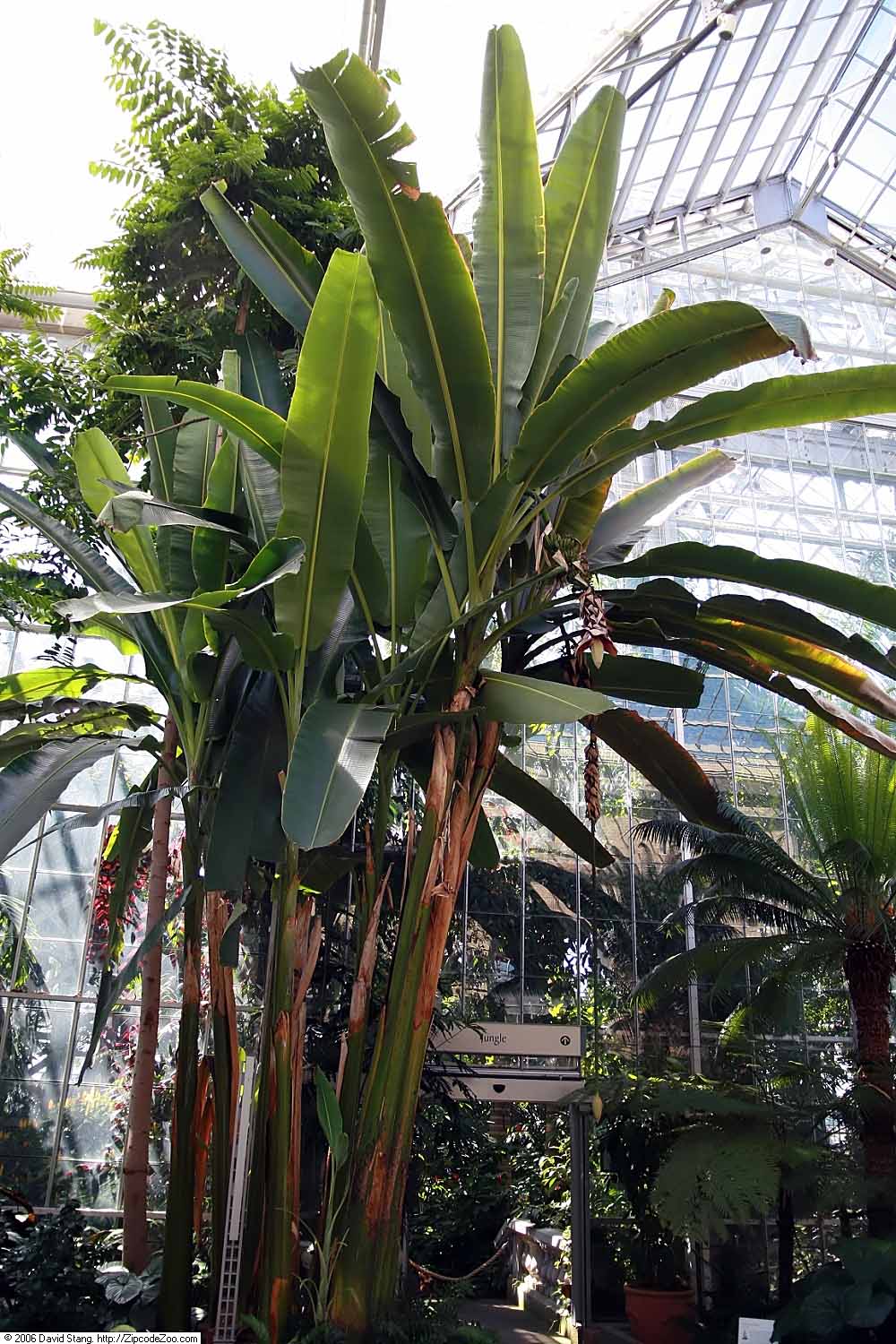
Abaca
Musa textilis
☀️ Full Sun 💧 High
Abiu
Pouteria caimito
☀️ Full Sun 💧 High

Abyssinian Banana
Ensete ventricosum
☀️ Full Sun 💧 High

Achacha
Garcinia humilis
☀️ Full Sun 💧 High

African Hemp
Sparrmannia africana
☀️ Bright Indirect 💧 High
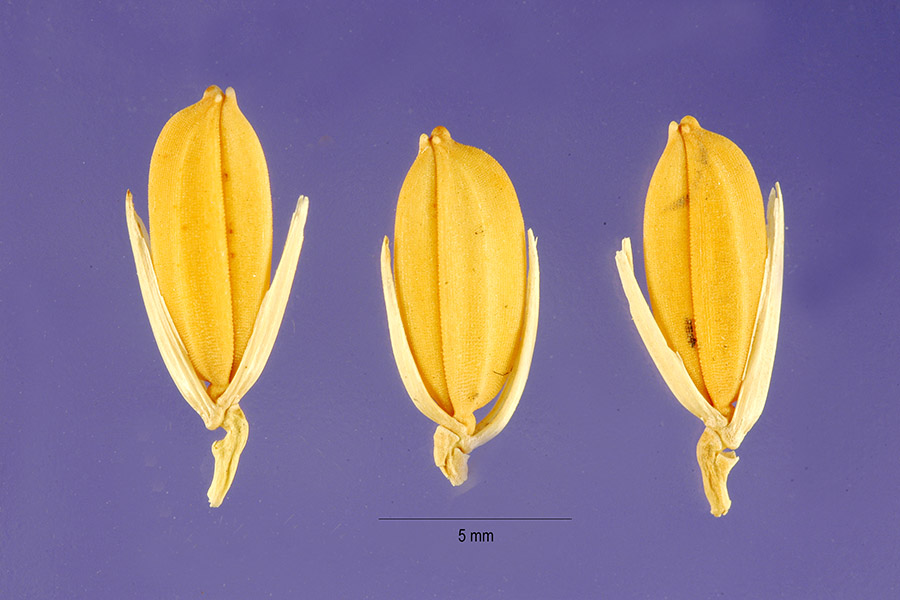
African Rice
Oryza glaberrima
☀️ Full Sun 💧 High

Agati
Sesbania grandiflora
☀️ Full Sun 💧 High
Albany Pitcher Plant
Cephalotus follicularis
☀️ Bright Indirect 💧 High
Alexandra Palm
Archontophoenix alexandrae
☀️ Full Sun 💧 High

Amargo
Quassia amara
☀️ Partial Shade 💧 High
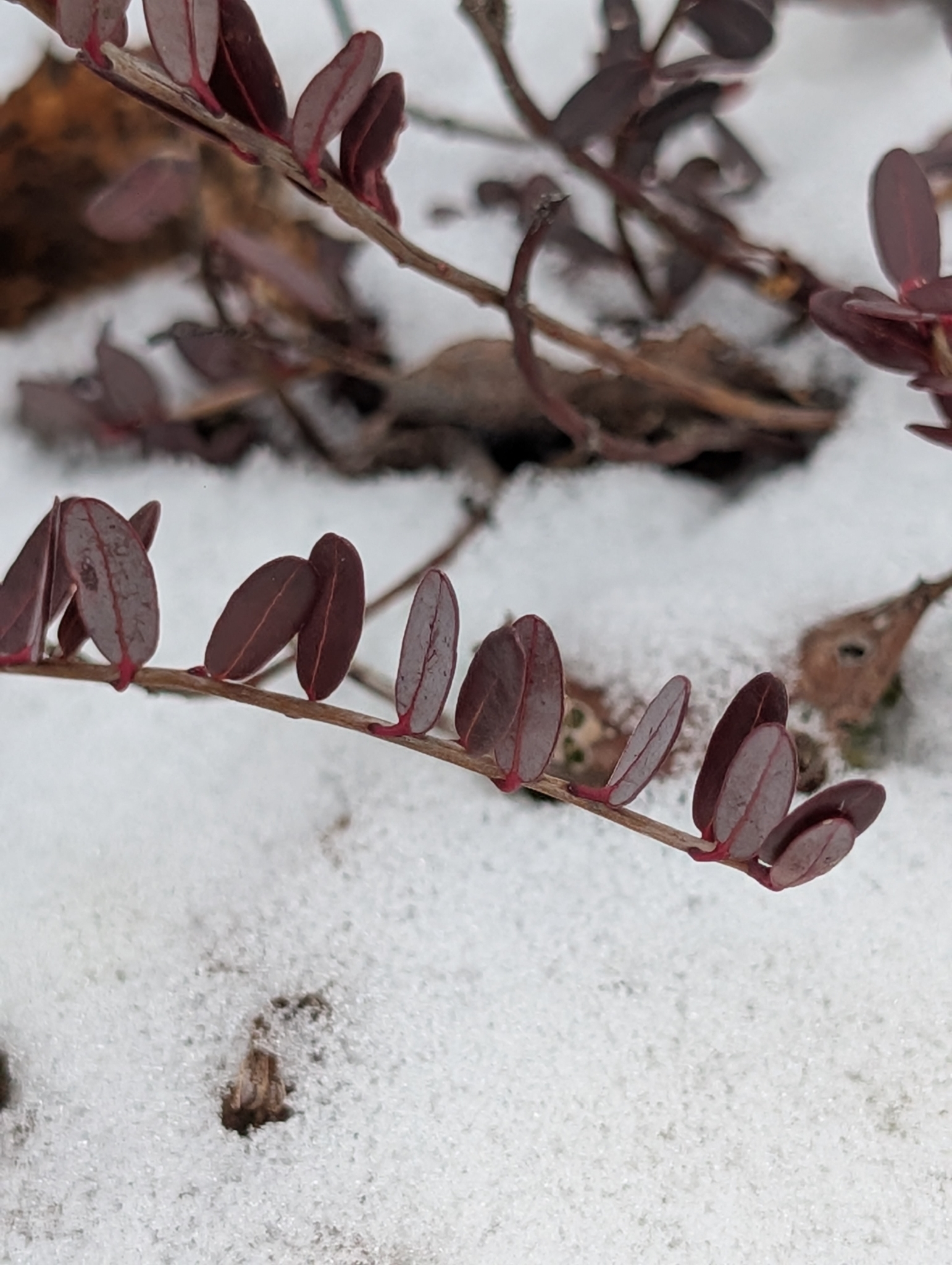
American Cranberry
Vaccinium macrocarpon
☀️ Full Sun 💧 High

American Elderberry
Sambucus canadensis
☀️ Full Sun 💧 High

American Spikenard
Aralia racemosa
☀️ Partial Shade 💧 High

American Sycamore
Platanus occidentalis
☀️ Full Sun 💧 High

Angel’s Trumpet
Brugmansia suaveolens
☀️ Full Sun 💧 High
Arjun Tree
Terminalia arjuna
☀️ Full Sun 💧 High

Aromatic Ginger
Kaempferia galanga
☀️ Partial Shade 💧 High

Arrowhead
Sagittaria sagittifolia
☀️ Full Sun 💧 High

Arrowroot
Maranta arundinacea
☀️ Partial Shade 💧 High

Ash Gourd
Benincasa hispida
☀️ Full Sun 💧 High
Australian Tree Fern
Sphaeropteris cooperi
☀️ Partial Shade 💧 High

Baby’s Tears
Soleirolia soleirolii
☀️ Bright Indirect 💧 High

Bacopa
Chaenostoma cordatum
☀️ Partial Sun 💧 High

Bald Cypress
Taxodium distichum
☀️ Full Sun 💧 High
Common Questions
What happens if a high-water plant dries out?
Drying causes rapid wilting, foliar scorch, and root hair death within 24 to 48 hours, often leading to irreversible plant collapse.
Can all high-water plants grow in standing water?
No, true aquatics and marginals tolerate standing water, but many high-water species require damp, aerated soil rather than submerged crowns.
How often do high-water plants need watering?
High-water plants generally need watering two to three times weekly in garden beds, or daily in containers during dry summer weather.