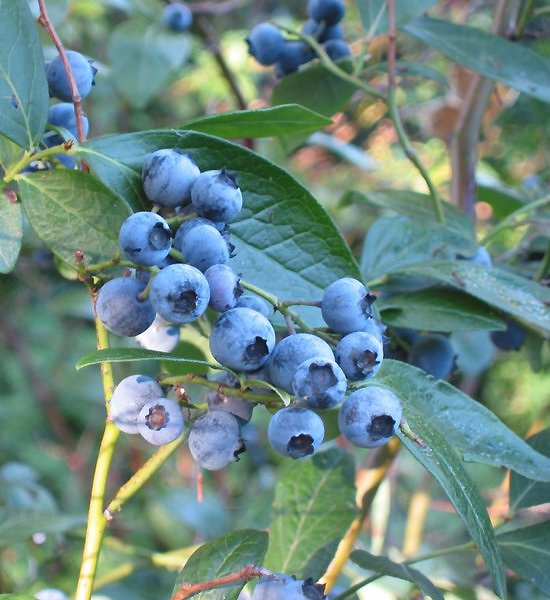
Vaccinium myrtillus is a deciduous, low-growing shrub native to the heaths and moorlands of Europe and northern Asia, recognized by its angular green stems and solitary blue-black fruits. Unlike many other berries, this species produces fruit that is dark purple throughout its flesh rather than translucent.
Successful cultivation depends on highly acidic soil and consistent moisture, as the plant often fails in gardens with a pH above 5.5. It serves as a smaller, tarter alternative to the American blueberry (Vaccinium corymbosum) and is primarily harvested from wild populations.
Key Facts
- Soil pH: Strictly acidic, ideally between 4.0 and 5.0
- Water: Keep soil moist; use rainwater rather than tap water
- Hardiness: Extremely cold-tolerant down to USDA Zone 2
- Fruit: Single berries with deep purple flesh and skin
- Light: Full sun to dappled shade in woodland settings
Fitting Bilberry into Your Landscape
Bilberry is best suited for acidic woodland gardens or heath-style plantings where soil conditions naturally mimic its native moorland habitat. Because it requires a very specific pH, it is often grown in containers or raised beds filled with ericaceous compost if the native garden soil is alkaline. It provides year-round interest with bright green stems that remain colorful even after the leaves drop in autumn.
This shrub is an excellent choice for cold climates where other fruit crops might struggle, as it can withstand temperatures as low as -35 °C (-31 °F). It does not thrive in hot, humid southern climates. You should consider the following before planting:
- Soil must be free of lime and chalk
- Proximity to pine or oak trees provides beneficial leaf litter
- Space for a creeping, low-profile groundcover habit
- Access to soft water or harvested rainwater
Identifying the Bilberry Shrub
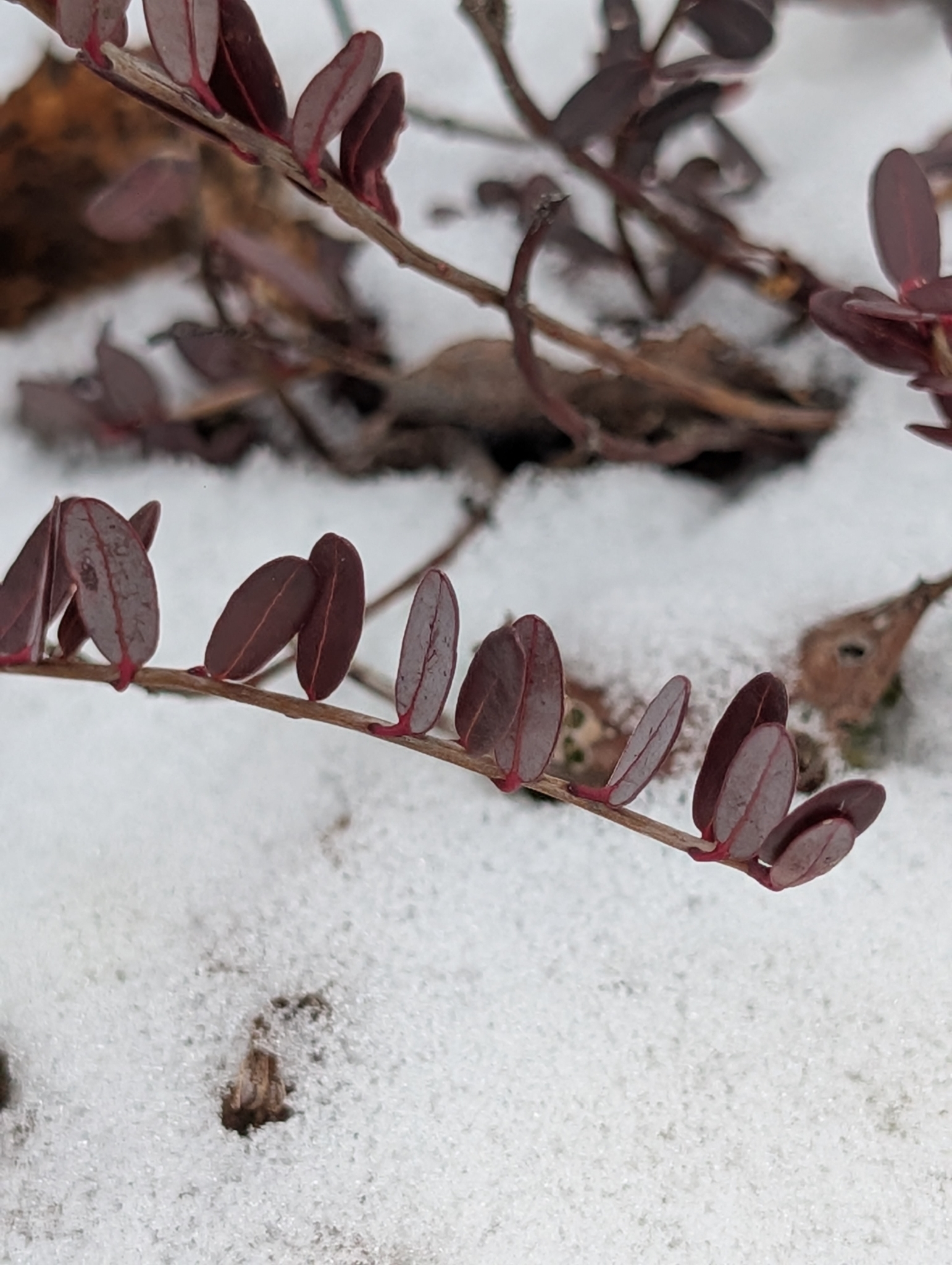
You can identify Vaccinium myrtillus by its angular, green, hairless stems and its solitary flower arrangement. The leaves are small, ovate, and finely toothed, measuring 1-3 cm (0.4-1.2 in) in length. In spring, the plant produces nodding, bell-shaped flowers that are pinkish-white or pale green, appearing individually in the leaf axils rather than in clusters.
The fruit is a spherical berry, 5-10 mm (0.2-0.4 in) in diameter, which develops a waxy blue bloom on the surface. When bitten, the flesh is a deep, staining purple-red, which is the most reliable way to distinguish it from the white-fleshed highbush blueberry. The berries ripen from July to September depending on the altitude and latitude.
Expected Size and Growth Habit
Bilberry is a dwarf, deciduous shrub that typically reaches a height of 10-60 cm (4-24 in). It spreads slowly via underground rhizomes, forming dense mats or colonies over time. In optimal conditions, a single plant can spread to a width of 50 cm (20 in) within five years, making it an effective low-level groundcover for acidic sites.
The growth rate is generally slow, particularly in the first two years after planting. In exposed moorland sites, the plant may remain closer to 10 cm (4 in) in height due to wind and grazing, while in sheltered woodland edges, it reaches its maximum height. The stems are brittle and can be damaged by heavy foot traffic or significant snow weight.
Choosing the Best Site for Planting
The primary requirement for bilberry is highly acidic soil with a pH between 4.0 and 5.0. If your garden soil contains limestone or chalk, the plant will develop iron chlorosis (yellowing leaves) and eventually die. A site with dappled shade is ideal, although it can tolerate full sun if the soil is kept consistently moist through mulching and regular irrigation.
Avoid sites that are prone to standing water, as the roots require well-aerated soil despite their need for moisture. A north-facing slope or a woodland edge provides the cool root run this species prefers. Consider these site factors:
- Protection from drying summer winds
- Avoidance of frost pockets during the spring flowering period
- Distance from concrete paths which can leach lime into the soil
- High organic matter content, such as peat or leaf mold
Planting Bilberry for Success
Plant bilberries in early spring or autumn to allow the root system to establish without the stress of summer heat. When planting, dig a hole twice as wide as the root ball and backfill with a mix of native soil and ericaceous compost. Ensure the plant is set at the same depth it was in its nursery pot, as planting too deep can cause stem rot.
Space multiple plants 30 cm (12 in) apart to encourage them to grow together into a solid carpet. After planting, firm the soil gently and water deeply with rainwater. Because the roots are shallow and fibrous, they are sensitive to disturbance and drying out during the first season. Application of a 5 cm (2 in) mulch of pine needles or bark helps maintain the necessary acidity and moisture levels.
Watering and Mulching Requirements
You must water bilberries with rainwater or distilled water, as the calcium in tap water will gradually raise the soil pH and kill the plant. The soil should remain damp to the touch but never waterlogged. During the fruit-swelling stage in mid-summer, consistent moisture is vital to prevent the berries from shriveling or dropping prematurely.
Mulching is a continuous requirement for bilberry care. Apply a fresh layer of acidic organic matter every spring to suppress weeds and protect the shallow roots. Recommended mulches include:
- Pine needles (pine straw)
- Composted oak leaves
- Composted sawdust or woodchips from coniferous trees
- Sphagnum moss
Pruning for Berry Production
Pruning should be kept to a minimum for the first three years to allow the shrub to build up its rhizomatous structure. Once established, the goal of pruning is to remove old, unproductive wood and encourage the growth of vigorous new stems. Fruit is produced on wood that grew during the previous season, so aggressive pruning will reduce your immediate harvest.
In late winter or early spring, use sharp shears to thin out about one-quarter of the oldest stems to ground level. This renewal pruning ensures the center of the plant remains open to light and air, which reduces the risk of fungal diseases. Always remove any dead, damaged, or diseased branches as soon as they are spotted to maintain plant health.
Common Pests and Growing Problems
The most frequent issue is iron chlorosis, caused by alkaline soil, which manifests as yellow leaves with green veins. If this occurs, you must immediately lower the soil pH using sulfur or by transplanting into an ericaceous container. Birds are the primary pest for the fruit; they can strip a bush of its berries in a single morning, so netting may be required as the fruit begins to turn blue.
Watch for these specific symptoms during the growing season:
- Powdery mildew: White coating on leaves in humid conditions
- Leaf spot: Small brown circles caused by fungal pathogens
- Phytophthora root rot: Wilting and dieback in poorly drained soil
- Aphids: Clustered on new growth, causing leaf curling
Winter Protection and Cold Hardiness
Bilberry is naturally adapted to sub-arctic winters and rarely requires protection from the cold itself. However, in regions with little snow cover, the stems can be susceptible to desiccation from freezing winds. A thick layer of mulch applied in late autumn will protect the shallow root system from the freeze-thaw cycles that can heave plants out of the ground.
If you are growing bilberry in containers, the roots are more exposed to the cold than they would be in the ground. In USDA Zone 5 or lower, wrap pots in burlap or move them to an unheated garage or shed for the winter. The plant requires a period of winter dormancy (chilling hours) to flower and fruit successfully the following spring.
Harvesting and Traditional Uses
Harvest the berries when they are uniformly dark blue-black and slightly soft to the touch, usually in late summer. Because the fruits are delicate and grow singly, they are often harvested using a “berry rake” or comb, which gently pulls the fruit from the stems. Bilberries have a much shorter shelf life than commercial blueberries and should be eaten or processed within 24 hours of picking.
Historically, bilberry was traditionally used for its high concentration of anthocyanins, which were believed to improve night vision and support vascular health. Today, bilberry extract and supplements (often standardized to 160 mg or 25% anthocyanins) are common in health stores. In the kitchen, the berries are used for:
- Deep-purple jams and preserves
- Traditional pies and tarts (Blaeberry pie)
- Infusing spirits like gin or vodka
- Natural dyes for wool and food
Year-Round Bilberry Maintenance
| Spring | Apply a fresh 5 cm (2 in) layer of pine needle mulch. Monitor for late frosts that may damage flowers and provide cover if temperatures drop below freezing. |
|---|---|
| Summer | Water twice weekly with rainwater during dry spells. Net the plants in July to protect the ripening crop from birds. |
| Autumn | Complete the final harvest by September. Clear away fallen leaves from non-acidic trees that might land on the patch and alter the soil pH. |
| Winter | Prune out one-quarter of the oldest stems in February. Ensure container-grown plants are protected from drying winter winds. |
Common Bilberry Growing Problems
| What you see | Likely cause | What to do |
|---|---|---|
| Yellow leaves with green veins | Iron chlorosis due to high soil pH | Apply elemental sulfur or transplant into pure ericaceous compost. |
| Berries dropping before they are ripe | Drought stress | Increase watering frequency using rainwater to keep soil consistently damp. |
| Stunted growth and lack of flowers | Insufficient winter chilling or too much shade | Ensure the plant experiences a cold winter and move to a brighter location with filtered sunlight. |
Bilberry Cultivars and Selections
- Most bilberries are grown from wild-collected seed or cuttings rather than named cultivars.
- 'Blueberry' – A rare selection with slightly larger fruits than the wild type.
- Wild selections – Often sold by specialist nurseries based on their region of origin.
Frequently Asked Questions
What is the difference between a bilberry and a blueberry?
The bilberry (Vaccinium myrtillus) has dark red or purple flesh that stains the skin, while the common blueberry (Vaccinium corymbosum) has translucent or white flesh. Bilberries also grow as single fruits on the stem, whereas blueberries grow in clusters.
Is bilberry good for eye health?
Bilberry contains high levels of anthocyanins, which were traditionally used to support night vision and retinal health. While some studies suggest benefits for eye fatigue, you should consult a professional before using bilberry extract or supplements for medical conditions.
What is a bilberry cactus?
The bilberry cactus is actually Myrtillocactus geometrizans, a succulent from Mexico, and is completely unrelated to the fruiting bilberry shrub. It is named for its small blue fruits that resemble bilberries, but its care requirements (hot, dry, desert conditions) are the exact opposite of Vaccinium myrtillus.
Can I grow bilberries in a pot?
Yes, bilberries grow well in pots if you use a 30 cm (12 in) wide container filled with ericaceous (acid-loving) compost. This is the best way to grow them if your garden soil is naturally alkaline or chalky.
Is bilberry toxic to dogs?
No, bilberries are non-toxic to dogs and cats. They are safe for pets to consume in small quantities, similar to other edible berries in the Vaccinium genus.
Information about traditional or historical uses is provided for educational interest only and is not medical advice. Do not use any plant to treat a condition without speaking to a qualified professional.
Sources & Verification
Taxonomy and distribution are checked against the databases below. Care guidance is written for cultivated species only and reviewed by our editor. How We Build Plant Profiles →