Guide to Plants in the Ericaceae Family
33 plant profiles · Learn how to identify and grow plants in the Ericaceae family, including rhododendrons, blueberries, heather, and mountain laurel in acidic soils.
The Ericaceae family, commonly known as the heath family, contains over 4,000 species of acid-loving trees, shrubs, and dwarf groundcovers adapted to nutrient-poor soils. Most members require acidic growing conditions with a pH between 4.5 and 5.5, relying on specialised ericoid mycorrhizal fungi in their roots to absorb nitrogen and iron in bogland or heathland environments.
When choosing a plant from this family for your garden, match your site's sunlight and soil moisture to the specific genus. Shade-tolerant evergreen shrubs like Japanese Andromeda (Pieris japonica), drooping leucothoe (Leucothoe fontanesiana), and mountain laurel (Kalmia latifolia) prefer moist, sheltered understories. In contrast, low-growing species such as bell heather (Erica cinerea) require full sun and sharply draining, sandy soil. Medium-sized trees like sourwood (Oxydendrum arboreum) can reach 9–15 m (30–50 ft) tall, producing white urn-shaped blossoms in summer.
Edible berry crop species also thrive in these low-pH conditions. Wintergreen (Gaultheria procumbens) forms low creeping mats in woodland shade, while American cranberry (Vaccinium macrocarpon) and lingonberry (Vaccinium vitis-idaea) bear tart fruit in full sun to partial shade. Keep in mind that non-edible genera in this family, particularly Rhododendron, contain grayanotoxins that are toxic to dogs, cats, and livestock.
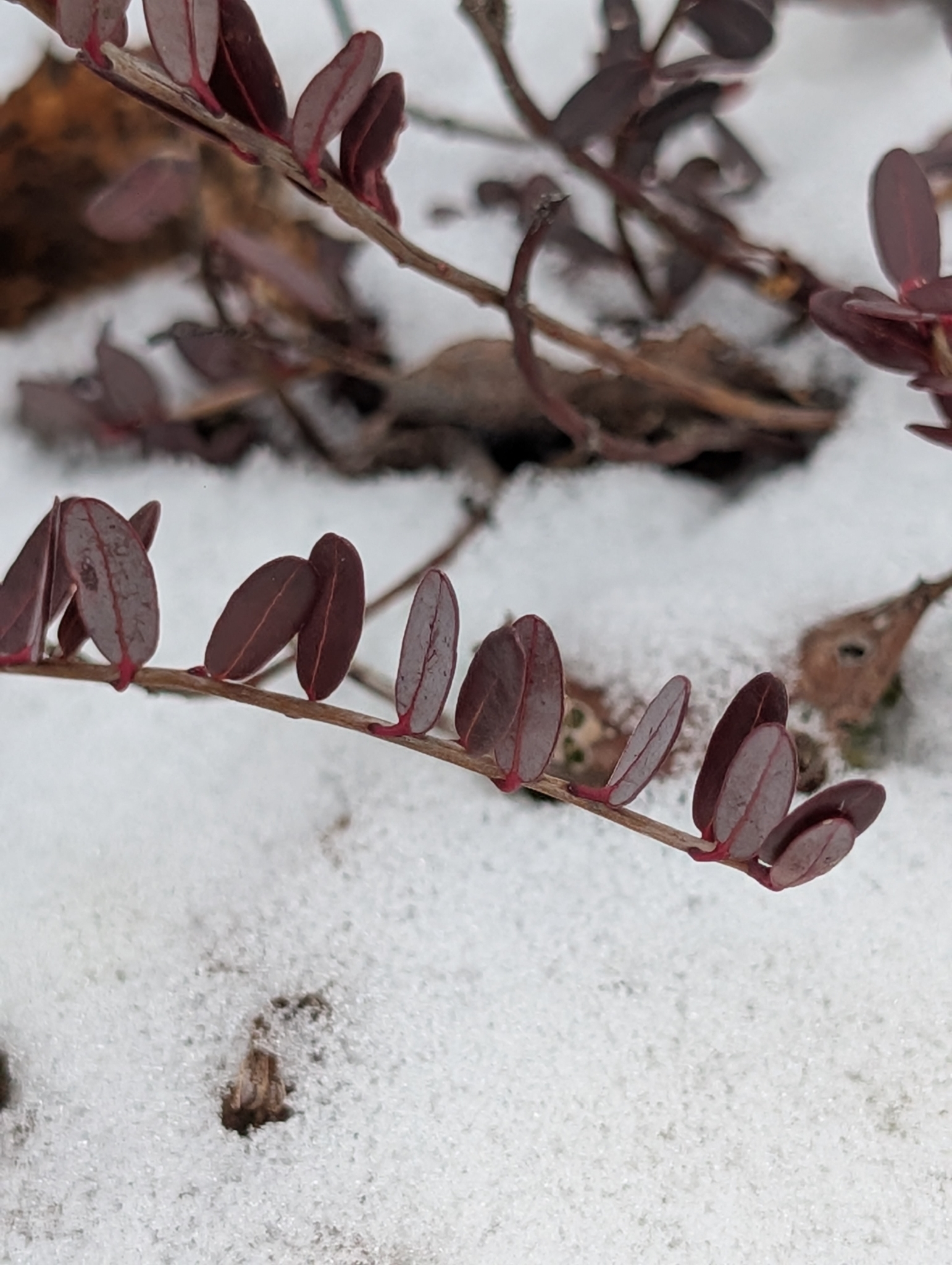
American Cranberry
Vaccinium macrocarpon
☀️ Full Sun 💧 High
Bearberry
Arctostaphylos uva-ursi
☀️ Full Sun 💧 Low

Bell Heather
Erica cinerea
☀️ Full Sun 💧 Low

Bilberry
Vaccinium myrtillus
☀️ Partial Sun 💧 High

Blue Ridge Blueberry
Vaccinium pallidum
☀️ Partial Sun 💧 Low
Bog Labrador Tea
Rhododendron groenlandicum
☀️ Full Sun 💧 High

Bog Wintergreen
Pyrola asarifolia

Catawba Rhododendron
Rhododendron catawbiense
☀️ Partial Shade 💧 Moderate

Common Rhododendron
Rhododendron ponticum
☀️ Partial Shade 💧 Moderate

Common Wintergreen
Pyrola minor
☀️ Partial Shade 💧 High

Creeping Snowberry
Gaultheria hispidula
☀️ Partial Shade 💧 High

Drooping Leucothoe
Leucothoe fontanesiana
☀️ Partial Shade 💧 Moderate

Greenflowered Wintergreen
Pyrola chlorantha
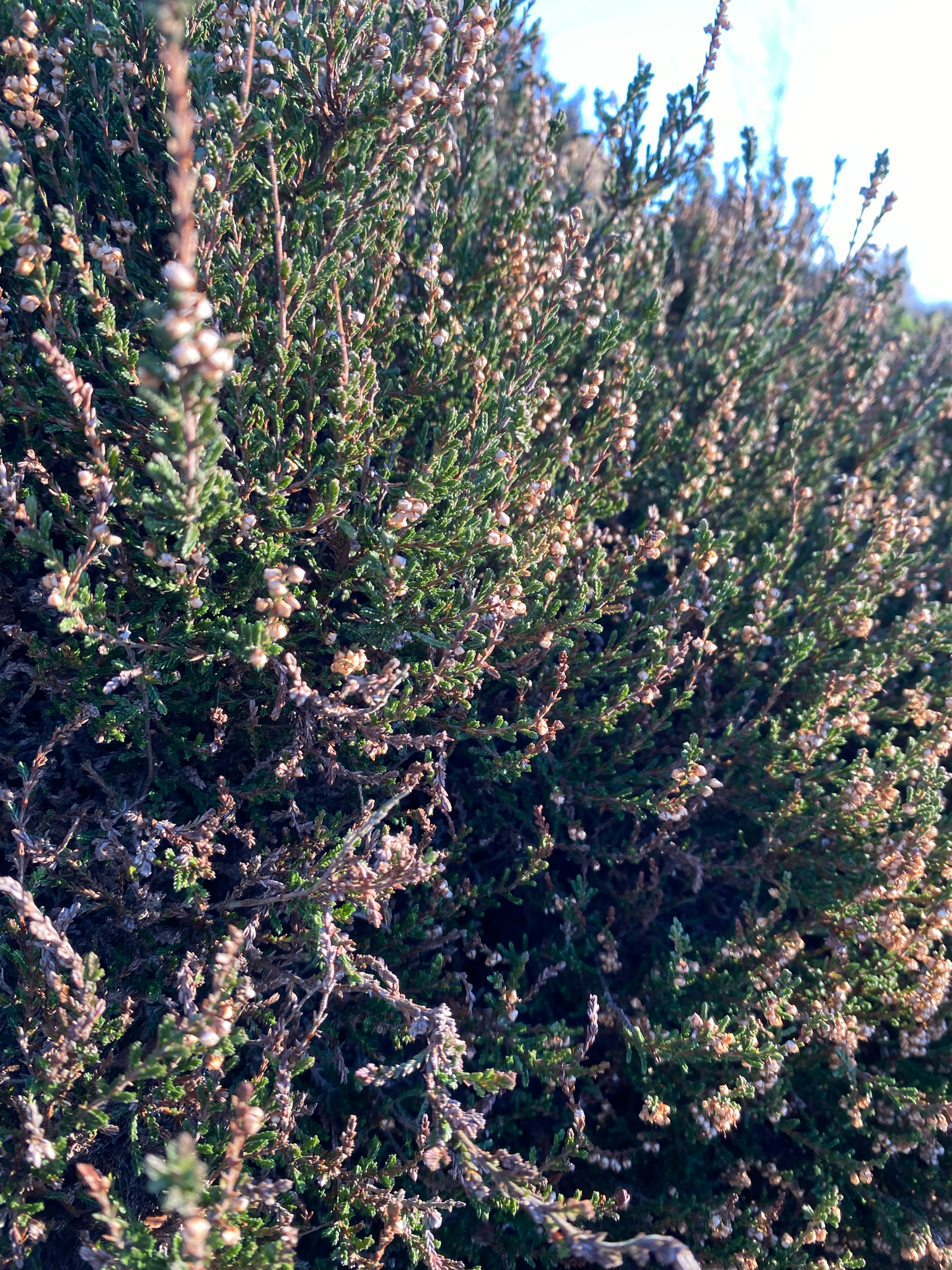
Heather
Calluna vulgaris
☀️ Full Sun 💧 Moderate
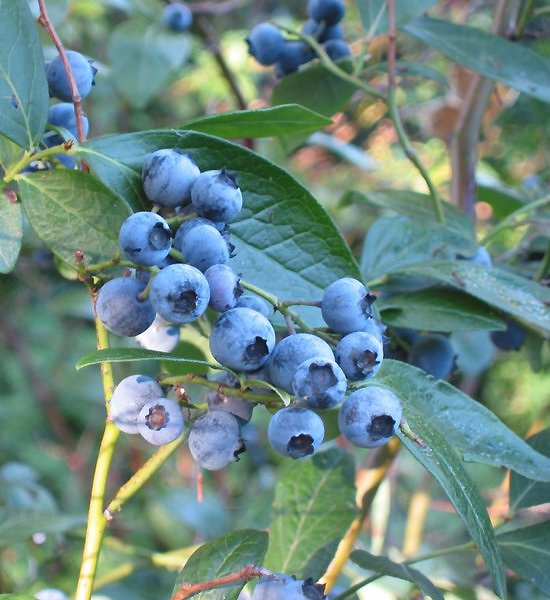
Highbush Blueberry
Vaccinium corymbosum
☀️ Full Sun 💧 Moderate

Indian Azalea
Rhododendron simsii
☀️ Partial Shade 💧 Moderate

Japanese Andromeda
Pieris japonica
☀️ Partial Shade 💧 Moderate

Lingonberry
Vaccinium vitis-idaea
☀️ Full Sun 💧 Moderate
Marsh Labrador Tea
Rhododendron tomentosum
☀️ Full Sun 💧 High
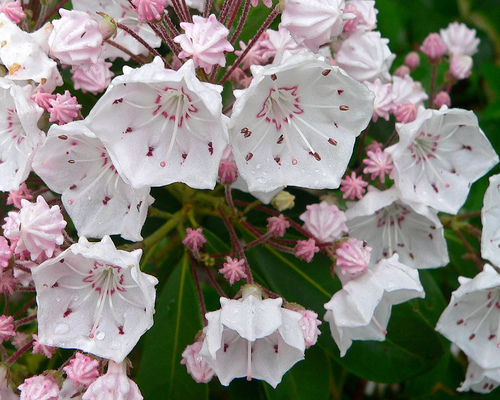
Mountain Laurel
Kalmia latifolia
☀️ Partial Shade 💧 Moderate

Pacific Rhododendron
Rhododendron macrophyllum
☀️ Partial Shade 💧 Moderate
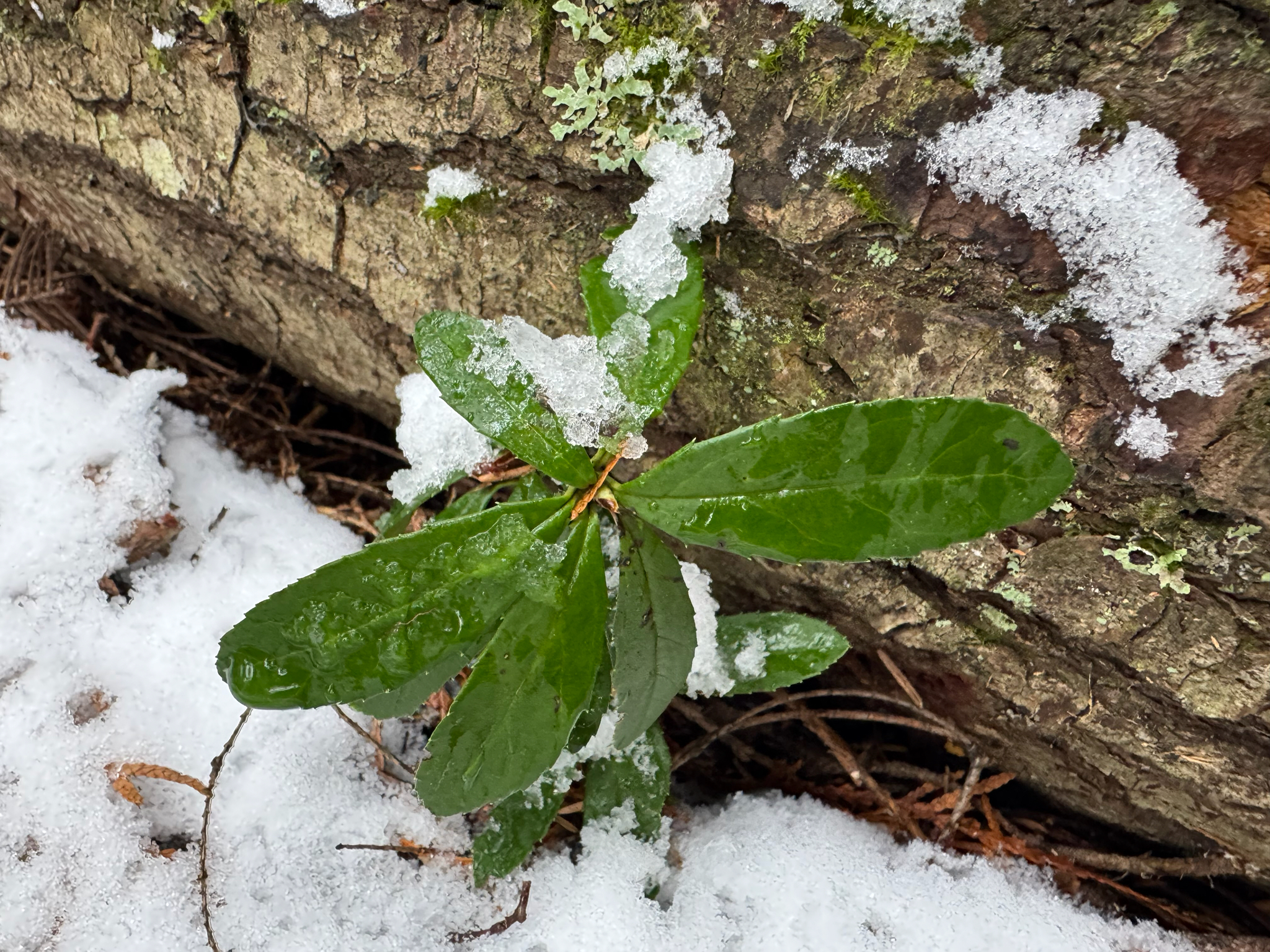
Pipsissewa
Chimaphila umbellata
☀️ Partial Shade 💧 Low
Round-Leaved Wintergreen
Pyrola rotundifolia
Salal
Gaultheria shallon
☀️ Partial Shade 💧 Moderate
Common Questions
What soil pH do Ericaceae plants require?
Most Ericaceae plants require acidic soil with a pH between 4.5 and 5.5 to properly absorb essential iron and nitrogen.
Are all plants in the Ericaceae family edible?
No, while genera like Vaccinium produce edible berries, many Ericaceae species contain toxins that make them unsafe for consumption.
Why do Ericaceae leaves turn yellow with green veins?
Interveinal chlorosis occurs when soil pH rises above 5.5, blocking the plant's roots from absorbing available iron.
Do Ericaceae plants need heavy fertilizer?
No, Ericaceae plants need minimal feeding and suffer root burns from excessive nitrogen; apply an acid-formulated fertilizer sparingly in early spring.