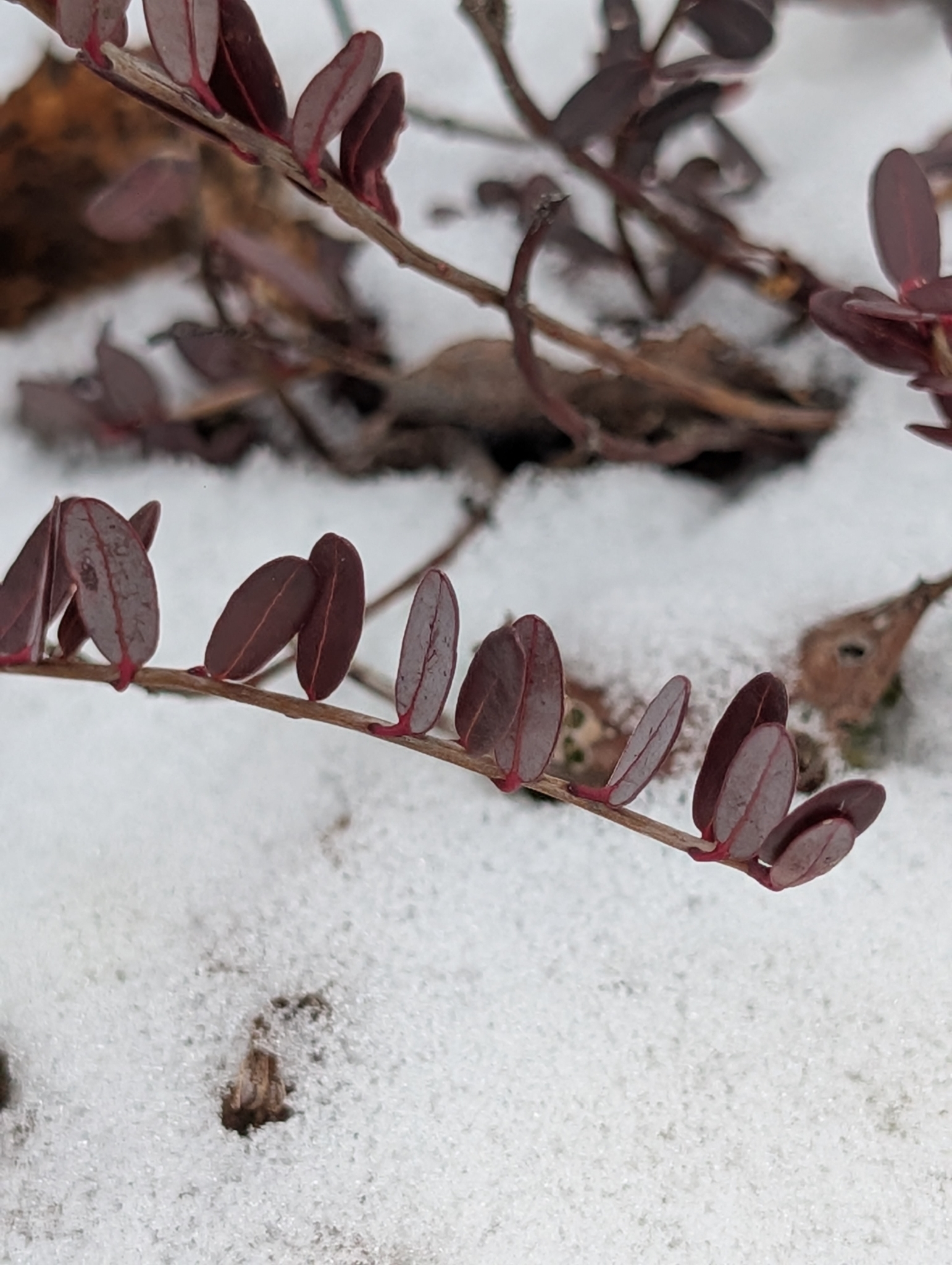
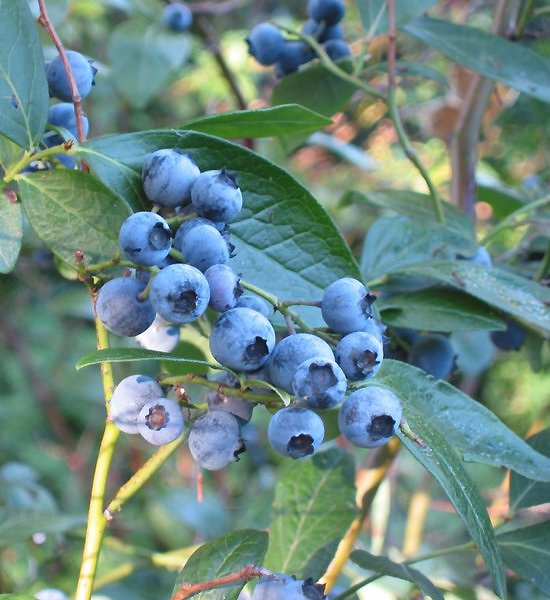
Lingonberry (Vaccinium vitis-idaea) is a mat-forming, evergreen dwarf shrub native to boreal forests and Arctic tundra throughout northern Europe, Asia, and North America. It produces clusters of small pinkish-white bell flowers followed by bright crimson, acidic berries.
This species requires strictly acidic ground below pH 5.5 and prolonged winter chill to set fruit. It fails quickly in alkaline clay or humid subtropical heat, but thrives in container ericaceous beds in northern gardens.
Key Facts
- Soil pH: 4.2 to 5.2 (strictly ericaceous)
- Water: 2.5 cm (1 in) weekly, avoid hard tap water
- Light: Full sun to partial shade
- Cold hardiness: USDA Zones 2 to 7
- Mature height: 10 to 30 cm (4 to 12 in)
- Harvest: August and October (two crops per season)
Is Lingonberry Right for Your Garden?
Lingonberry suits cool-climate gardeners who can provide soil pH between 4.2 and 5.2 and at least 800 hours of winter chilling below 7 °C (45 °F). It serves as a productive fruiting groundcover in rock gardens, raised acidic beds, and patio planters.
You will struggle to establish this shrub in limestone soils or regions with hot, sweltering summers like USDA Zone 8 and higher. The shallow roots dry out rapidly under intense heat and desiccating winds.
Because the roots partner with ericoid mycorrhizae, the plant thrives in soils with 5% or more organic matter. If you already cultivate highbush blueberry (Vaccinium corymbosum) or common heather (Calluna vulgaris), lingonberry will flourish in identical conditions.
How to Identify Lingonberry Plants
Lingonberry displays evergreen, leathery leaves with dark glandular dots on their undersides, distinguishing it from look-alike wild subshrubs. The foliage remains on the plant year-round, turning deep bronze-green through winter.
Key botanical characteristics include:
- Leaves: Alternate, obovate to elliptic, 10-25 mm (0.4-1.0 in) long, with glossy upper surfaces and pale undersides dotted with tiny black resin glands.
- Flowers: Drooping terminal clusters of 3-8 bell-shaped blooms, 5-8 mm (0.2-0.3 in) long, white tinted with soft pink.
- Fruit: Spherical red berries measuring 6-10 mm (0.25-0.4 in) across, crowned by persistent calyx lobes.
- Stems: Slender, woody, finely hairy twigs arising from extensive underground creeping rhizomes.
Bearberry (Arctostaphylos uva-ursi) has similar foliage, but its leaf undersides lack black dots and have fine reticulate veins instead.
How Big Do Lingonberry Plants Get?
A mature lingonberry bush reaches 10 to 30 cm (4 to 12 in) in height and spreads indefinitely via underground rhizomes to form colonies up to 100 cm (39 in) wide. Individual plants spread slowly, often taking 3 to 5 years to fill a 60 cm (24 in) space.
Above-ground stems branch densely to create a low, tight carpet. The root system remains exceptionally shallow, with over 80% of fine feeder roots concentrated in the top 15 cm (6 in) of the soil layer.
If planted in containers, a single crown fills a 30 cm (12 in) wide pot within two growing seasons. When planting as a border or orchard understory, space plants close enough to form a contiguous weed-suppressing mat within four years.
Sun and Soil Requirements for Lingonberry
Plant lingonberries in full sun to partial shade in soil with a pH of 4.5 to 5.0. In northern latitudes, full sun produces the highest fruit set and brightest berry color, while hot afternoon shade helps plants survive southern margins of Zone 7.
The root system requires specific soil conditions:
- Soil texture: Porous, sandy loam or pure peat-and-pine-bark mixes; heavy clay halts rhizome spread.
- Organic matter: Mix 50% peat moss or composted pine bark into existing ground before planting.
- Moisture: Constantly damp but fully drained; standing water causes immediate root decay.
- Minerals: Low in free calcium and bicarbonate salts; hard tap water slowly raises pH and induces chlorosis.
Lingonberry Planting Instructions
Space individual lingonberry plants 30 to 45 cm (12 to 18 in) apart in spring after the last heavy frost. If you are planting rows for berry harvesting, leave 90 to 120 cm (3 to 4 ft) between rows to allow foot access.
Dig a planting trench or individual holes 20 cm (8 in) deep. Incorporate equal parts coarse sand and acidic peat moss into the excavated soil. Set crowns so the root collar sits flush with the existing soil line, gently teasing out any pot-bound roots.
Mulch the area immediately with a 5 cm (2 in) layer of aged pine sawdust, shredded pine needles, or milled conifer bark. Mulch suppresses weeds, cools surface roots during midsummer heat spikes, and slowly maintains acidic surface conditions.
How to Water and Fertilize Lingonberry Bushes
Supply lingonberries with 2.5 cm (1 in) of water per week throughout the growing season, using collected rainwater whenever municipal tap water has high calcium hardness. Maintain surface dampness without saturating the subsoil.
Follow these nutritional guidelines:
- Fertilizer type: Apply an acid-forming fertilizer formulated for rhododendrons or blueberries; use ammonium sulfate rather than nitrate forms of nitrogen.
- Application rate: Feed 15 g (0.5 oz) of balanced ericaceous fertilizer per square meter in early spring as new shoots emerge.
- Second application: Make a half-rate feeding in early summer just after the first bloom cycle finishes.
- Autumn restriction: Stop all nitrogen feeding by late July to prevent soft green growth that would freeze in autumn.
How and When to Prune Lingonberry
Prune lingonberry plants in late winter while dormant, removing roughly one-third of the oldest stems every three to four years to stimulate new fruiting shoots. Young plants require no pruning for their first three years except to remove dead or damaged twigs.
Lingonberry bears fruit on both one-year-old stems and new seasonal growth, which enables two harvests per year on vigorous bushes. When plants form an overly dense mat, fruit size declines due to poor air circulation and shading.
For large commercial or garden mats, growers shear alternate rows down to ground level every five to six years. The sheared rhizomes regenerate rapidly, producing heavier yields of larger berries two seasons later.
Pests and Diseases Affecting Lingonberry
Watch for iron chlorosis caused by high soil pH, which turns leaf tissue bright yellow while veins remain dark green. If chlorosis appears, treat the soil immediately with chelated iron and incorporate agricultural sulfur.
Several issues target lingonberry plantings:
- Phytophthora root rot: Leaves turn dull red and wilt suddenly; prevented by elevating beds 15 cm (6 in) for drainage.
- Stem gall (Exobasidium vaccinii): Causes abnormal, swollen white or pale pink tissue on leaves and young shoots; prune out infected branches immediately.
- Spotted wing drosophila: Tiny fruit flies that lay eggs in ripening red fruit; cover beds with 0.8 mm insect netting in late summer.
- Black rot (Allantophomopsis lycopodina): Causes fruit mummification; cleared by raking fallen berries and applying copper sprays in spring.
Winter Care and Cold Hardiness
Lingonberry bushes tolerate winter cold down to -40 °C (-40 °F) under continuous snow cover without sustaining stem injury. In snow-free climates with sub-zero winds, plants risk severe winter burn and desiccation.
If growing in regions with bare, dry winters, shield plants with evergreen boughs or a light layer of loose oat straw once the ground freezes solid. Remove this winter cover in early spring as soon as snow melts and soil begins to warm.
Container-grown plants require root protection because container rootballs freeze at higher temperatures than open ground. Sink the pots into garden soil for winter, or store them in an unheated garage where temperatures hover between -5 and 2 °C (23 to 35 °F).
Harvesting and Culinary Uses for Lingonberry Fruit
Harvest lingonberries when they reach a uniform dark red color across the entire fruit, usually in late August for the minor crop and October for the main harvest. Underripe berries with white shoulders taste unpleasantly bitter and astringent.
The raw berries have a firm bite and a tart, mouth-puckering flavor reminiscent of a less-astringent American cranberry (Vaccinium macrocarpon). Because the skin contains natural benzoic acid, unwashed lingonberries keep in the refrigerator for up to 8 weeks and freeze well without turning mushy.
Traditionally cooked into jams, compotes, and sauces, lingonberries accompany game meats, meatballs, and Scandinavian potato dishes. In folk traditions across northern Eurasia, herbalists prepared berry decoctions and leaf teas as mild diuretics for bladder discomfort.
Frequently Asked Questions
What is the difference between lingonberry and cranberry?
Lingonberries (Vaccinium vitis-idaea) grow on upright dwarf shrubs 10-30 cm (4-12 in) high and bear berries 6-10 mm across, while American cranberries (Vaccinium macrocarpon) trail on ground vines and produce berries two to three times larger.
What does a lingonberry taste like?
Lingonberries taste sharply tart, acidic, and slightly sweet with a milder astringency than raw cranberries. Cooked with sugar, they develop a rich, tangy flavor with notes of redcurrant and sour cherry.
What are the health benefits of lingonberry?
Lingonberries provide high concentrations of polyphenols, anthocyanins, vitamin C, and benzoic acid. These antioxidants contribute to cellular protection and help prevent bacterial adherence in the urinary tract.
Do you need two lingonberry bushes to get fruit?
Lingonberry is partially self-fertile and sets fruit on a single plant, but planting two different cultivars nearby increases berry yield and fruit size by over 30% through cross-pollination.
Can you grow lingonberry in pots?
Yes, lingonberry thrives in pots containing a 50/50 mix of peat moss and ericaceous potting compost. Choose a pot at least 30 cm (12 in) wide with multiple drainage holes and water exclusively with rainwater.
Information about traditional or historical uses is provided for educational interest only and is not medical advice. Do not use any plant to treat a condition without speaking to a qualified professional.
Sources & Verification
Taxonomy and distribution are checked against the databases below. Care guidance is written for cultivated species only and reviewed by our editor. How We Build Plant Profiles →
- Kew Plants of the World OnlineTaxonomy, distribution, and native status verification
- RHS GardeningCultivation data, soil requirements, and pruning recommendations
- NC State Extension Gardener Plant ToolboxMorphology, landscape dimensions, and pest vulnerabilities
- USDA PLANTS DatabaseNorth American distribution and ecological characteristics
- GBIF — Global Biodiversity Information Facilitytaxonomy, synonyms, occurrence records
- Wikipediageneral reference