Fruit Trees, Shrubs, and Edible Perennials
177 plant profiles · Compare 139 edible fruit trees, bushes, and perennial plants by chill hours, hardiness zones, pollination needs, and yield habits for home gardens.
Fruit-producing plants span temperate orchard trees, subtropical shrubs, arid succulents, and tropical understorey species cultivated for their fleshy seed vessels. Selecting the right species requires matching your local minimum winter temperatures and annual chill hours to the plant's physiological triggers. Deciduous orchard staples like the European pear (Pyrus communis) demand between 600 and 1,000 chill hours below 7 °C (45 °F) to break winter dormancy, whereas cold-tender species like soursop (Annona muricata) suffer irreversible tissue damage if exposed to temperatures below 3 °C (37 °F).
Space and root architecture determine site suitability. Large canopy trees such as black walnut (Juglans nigra) require deep ground and release the allelopathic chemical juglone, which stunts related broadleaf crops. For restricted gardens or container cultivation, smaller woody shrubs offer productive alternatives:
- Chilean guava (Ugni molinae) reaches 1 to 1.5 m (3 to 5 ft) and yields aromatic berries in mild maritime climates.
- Cape gooseberry (Physalis peruviana) yields fruit within four to six months as a tender perennial.
- Jujube (Ziziphus jujuba) withstands deep winter freezes down to -28 °C (-20 °F) alongside extreme summer heat.
Pollination biology dictates planting quantity. While self-fertile species produce fruit as isolated specimens, self-sterile species require a compatible cross-pollinator blooming simultaneously within 15 to 30 m (50 to 100 ft). Moisture tolerances also vary dramatically across the group, from drought-hardy xerophytes like desert date (Balanites aegyptiaca) to species requiring uninterrupted root moisture.
Abiu
Pouteria caimito
☀️ Full Sun 💧 High

Achacha
Garcinia humilis
☀️ Full Sun 💧 High

Almond
Prunus amygdalus
☀️ Full Sun 💧 Moderate
Ambarella
Spondias dulcis
☀️ Full Sun 💧 Moderate
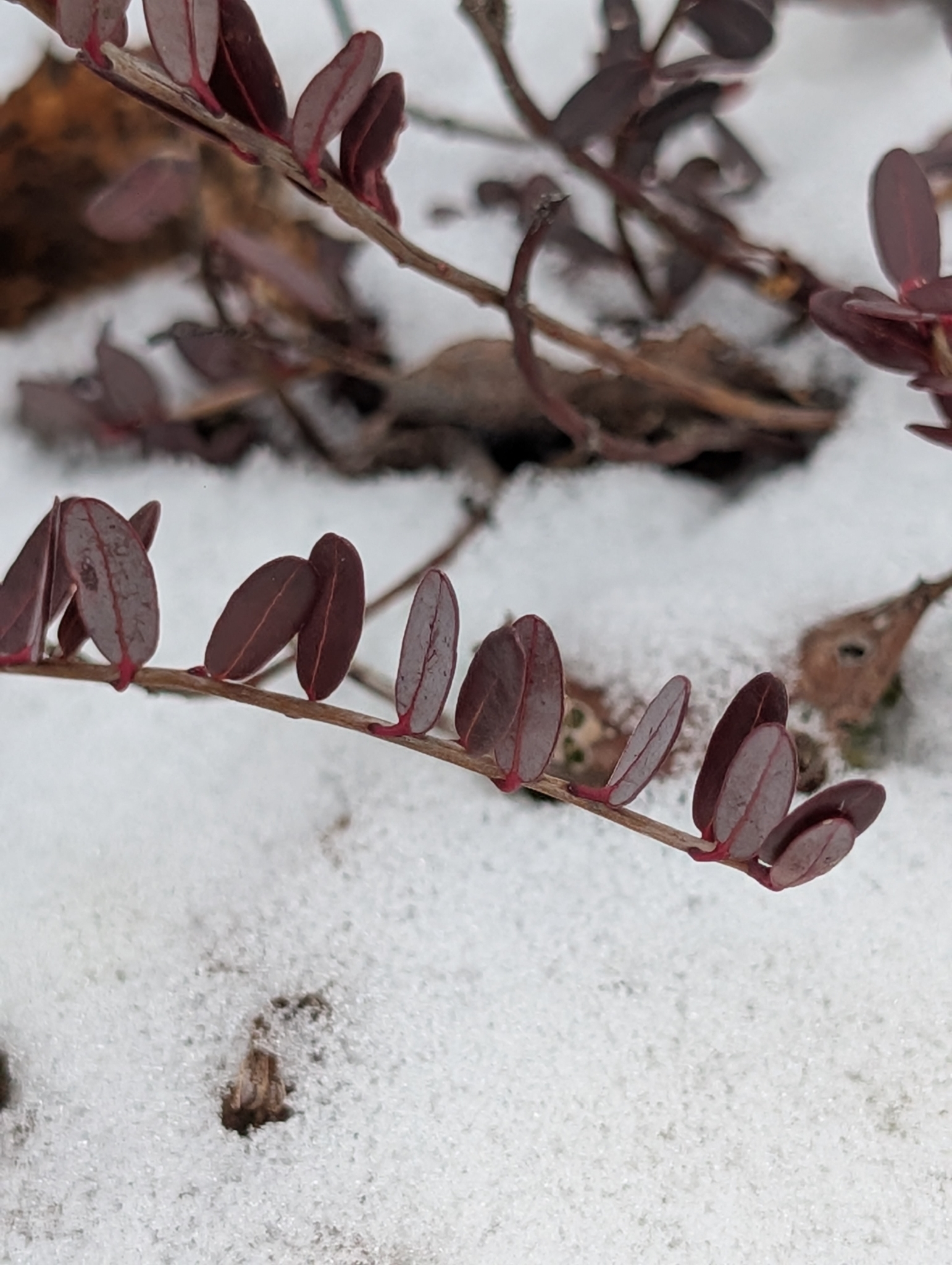
American Cranberry
Vaccinium macrocarpon
☀️ Full Sun 💧 High

American Persimmon
Diospyros virginiana
☀️ Full Sun 💧 Moderate

Apple
Malus domestica
☀️ Full Sun 💧 Moderate

Apple Rose
Rosa villosa
☀️ Full Sun 💧 Moderate

Apricot
Prunus armeniaca
☀️ Full Sun 💧 Moderate

Asian Pear
Pyrus pyrifolia
☀️ Full Sun 💧 Moderate

Australian Finger Lime
Microcitrus australasica
☀️ Full Sun 💧 Moderate

Autumn Olive
Elaeagnus umbellata
☀️ Full Sun 💧 Low

Avocado
Persea americana
☀️ Full Sun 💧 Moderate

Bael
Aegle marmelos
☀️ Full Sun 💧 Low

Banana
Musa acuminata
☀️ Full Sun 💧 High

Bilimbi
Averrhoa bilimbi
☀️ Full Sun 💧 Moderate

Binjai
Mangifera caesia
☀️ Full Sun 💧 High

Biriba
Annona mucosa
☀️ Full Sun 💧 High
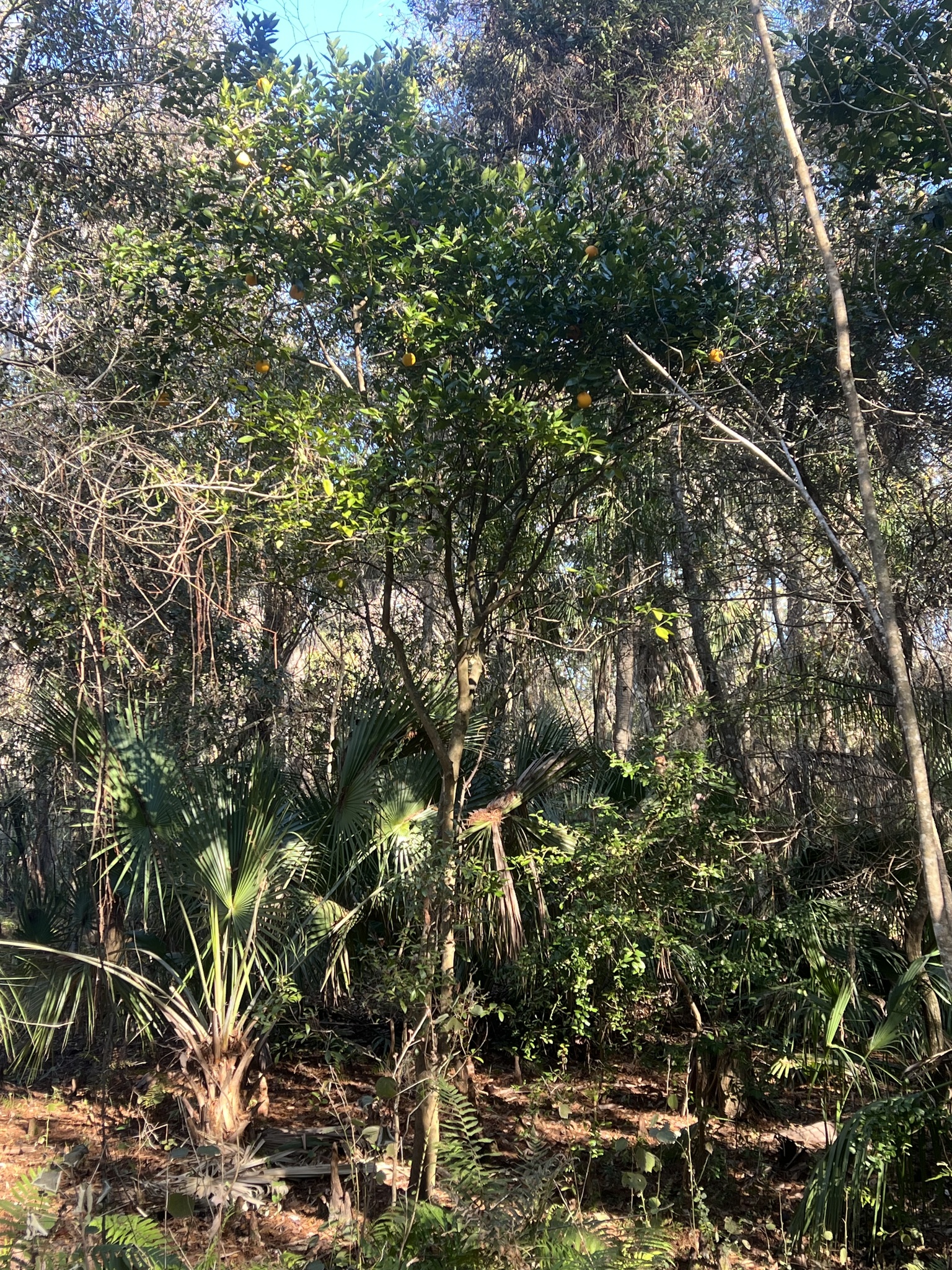
Bitter Orange
Citrus aurantium
☀️ Full Sun 💧 Moderate
Black Cherry
Prunus serotina
☀️ Full Sun 💧 Moderate

Black Raspberry
Rubus occidentalis
☀️ Full Sun 💧 Moderate

Black Sapote
Diospyros nigra
☀️ Full Sun 💧 Moderate

Black Walnut
Juglans nigra
☀️ Full Sun 💧 Moderate

Blackcurrant
Ribes nigrum
☀️ Full Sun 💧 High
Common Questions
Which fruit trees produce fruit the fastest?
Most grafted fruit trees begin bearing crops within two to three years of planting, whereas seed-grown trees require five to ten years. Fast-maturing woody shrubs like Cape gooseberry (Physalis peruviana) and figs can yield fruit in their very first growing season.
Do you need two fruit trees to get fruit?
You only need two trees if the plant is self-incompatible, requiring cross-pollination from a compatible partner that blooms at the same time. Self-fertile fruit trees, such as many sour cherries, European plums, and jujubes, set normal crops from their own pollen.
What are chill hours for fruit trees?
Chill hours are the total accumulated hours between 0 °C and 7.2 °C (32 °F and 45 °F) during winter dormancy required to release dormancy mechanisms. Without meeting their specific threshold, temperate stone and pome fruits suffer uneven bud break, reduced flowering, and failed fruit set.