
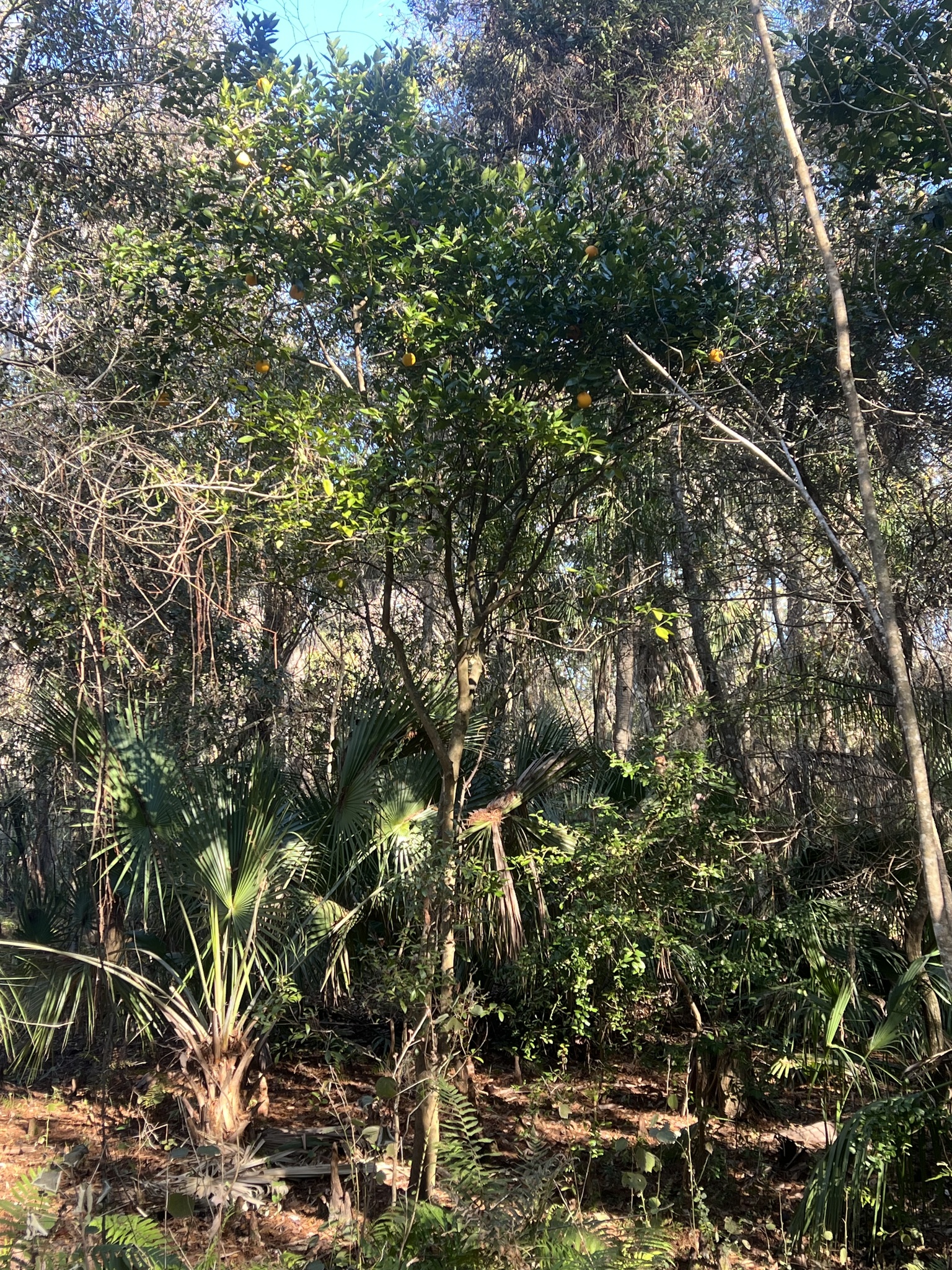
Bitter orange (Citrus aurantium) is an evergreen fruit tree originating from Southeast Asia, notable for its broad, winged leaf stalks and rough-skinned, intensely sour fruit. The species is an ancient hybrid between the pomelo (Citrus maxima) and the mandarin orange (Citrus reticulata).
While hardier against cold than sweet oranges (Citrus sinensis), bitter orange produces fruit unpalatable off the branch due to high concentrations of naringin and citric acid. The crop goes almost exclusively toward culinary preserves, distilled essences, and rootstock production.
Key Facts
- Hardiness: USDA zones 9–11; tolerates -5 °C (23 °F) briefly
- Light: Full sun, minimum 8 hours daily
- Water: Soak deeply every 7–14 days in dry weather
- Soil: Sandy or loamy, well-draining, pH 6.0–7.5
- Primary harvest: Mid-winter, typically December through February
- Growth rate: Moderate, 30–45 cm (12–18 in) per year
Is Bitter Orange Right for Your Space?
A bitter orange tree requires at least 8 hours of direct sunlight and warm Mediterranean or subtropical conditions to set heavy crops. It thrives outdoors permanently in USDA zones 9 through 11, though growers in cooler climates can maintain grafted dwarf specimens in 50-litre (13-gallon) containers brought inside during winter freezes.
The tree carries sharp axillary spines reaching 2 to 8 cm (0.8 to 3.1 in) along its branches, requiring placement away from walkways and high-traffic garden borders. It produces fruit with high acidity and bitter chemical compounds that prevent eating fresh, making it suitable for those intending to make marmalade, marinades, or distilled liqueurs rather than dessert fruit.
Identifying Bitter Orange: Foliage, Flowers, and Fruit
You can identify bitter orange by its broadly winged leaf stalks that mimic the shape of a heart just beneath each blade. The leaves are ovate, alternate, dark glossy green, and measure 7 to 10 cm (2.8 to 3.9 in) long with a distinct, pungent aroma when crushed.
White five-petalled flowers appear in late spring, measuring 3 to 4 cm (1.2 to 1.6 in) across and releasing an intense fragrance due to heavy concentrations of linalool and nerol. The fruit is globose, 7 to 8 cm (2.8 to 3.1 in) in diameter, with a rough, thick orange peel, a hollow core at full maturity, and seedy, pale yellow-orange pulp divided into 10 to 12 segments.
Mature Size and Growth Rate
An unpruned bitter orange reaches a mature height of 6 to 9 m (20 to 30 ft) with an equal or slightly narrower canopy spread of 4 to 6 m (13 to 20 ft). Annual terminal growth averages 30 to 45 cm (12 to 18 in) during active spring and summer flushes under steady irrigation and warm conditions.
Container-grown specimens grafted onto dwarfing rootstocks such as trifoliate orange (Poncirus trifoliata) typically stay restricted to 1.8 to 2.4 m (6 to 8 ft) in height. Canopy spread in containers can be controlled reliably through yearly spring tip-pruning without reducing flower production.
Light and Soil Requirements
Bitter orange requires full sun all day to produce dense foliage and blossom heavily. Trees planted in partial shade produce leggy branches, fewer flowers, and smaller fruit with pale rinds.
Soil drainage must be unhindered, as stagnant moisture invites collar rot and fungal root diseases within weeks. Provide the following soil conditions for the best results:
- Sandy loam or gravelly loam with high permeability
- Soil pH maintained between 6.0 and 7.5
- Organic matter mixed lightly into the top layer rather than deep backfill
- A raised berm 15 to 25 cm (6 to 10 in) high if planting in heavy clay soils
How to Plant Bitter Orange
Dig a planting hole two to three times wider than the root ball but no deeper than the container depth to prevent tree settling. Keep the graft union positioned 10 to 15 cm (4 to 6 in) above the surrounding soil level to prevent scion rooting and fungal entry.
Backfill with native garden soil without heavy uncomposted manure, tamping lightly to eliminate air pockets around fine feeder roots. Construct a shallow watering basin 60 cm (24 in) in diameter around the trunk base, soak with 20 litres (5 gallons) of water immediately, and spread a 7 cm (3 in) layer of wood bark mulch while keeping it 10 cm (4 in) away from the bark.
Watering and Feeding Bitter Orange Trees
Water young trees with 20 to 30 litres (5 to 8 gallons) weekly during their first two summers, tapering to deep, infrequent irrigation every 10 to 14 days for established specimens. Check soil dryness at a depth of 5 cm (2 in); if the soil feels damp and clings together, postpone watering to avoid root rot.
Feed bitter orange three times annually—in late winter, late spring, and mid-summer—using a balanced citrus fertilizer containing nitrogen, phosphorus, and potassium in a 2:1:1 ratio. Ensure the formulation includes essential micronutrients, particularly magnesium, iron, and zinc, which prevent common interveinal leaf chlorosis in alkaline soils.
Pruning and Canopy Management
Prune bitter orange in late winter just before spring bud-break to remove dead wood, cross branches, and basal suckers. Because citrus bears fruit primarily on exterior canopy twigs, heavy heading back reduces your harvest for that season.
Maintain an open vase or dome structure through systematic cuts:
- Clip off all watersprouts emerging straight up through the interior canopy
- Cut off any suckers developing beneath the graft union promptly at their base
- Thin crossed or rubbing branches to improve airflow and deter fungal mildew
- Skirt the lower branches to keep foliage 45 cm (18 in) above the ground level
Protecting Bitter Orange from Cold
Mature trees survive cold snaps down to -5 °C (23 °F) for brief periods, showing greater freeze hardiness than sweet oranges, lemons (Citrus limon), or limes (Citrus aurantiifolia). Prolonged sub-zero temperatures below -6 °C (21 °F), however, destroy foliage, split trunk bark, and ruin developing fruit rinds.
Wrap trunks of young specimens in insulating horticultural fleece or burlap when temperatures threaten to plunge below -2 °C (28 °F). Container specimens should be moved into an unheated greenhouse, porch, or garage receiving bright indirect light whenever sustained freezing winds are forecast.
Common Pests and Diseases
The citrus leafminer (Phyllocnistis citrella) poses the most frequent foliar threat, leaving silvery, snaking trails and curled leaf margins on tender new growth. Spray horticultural oils during evening hours during active vegetative flushes to deter adult moths from laying eggs.
Watch for several other prominent orchard pests and fungal pathogens:
- Scale insects and aphids: Cluster along young stem tips, secreting sticky honeydew that colonizes with black sooty mould
- Citrus red mites: Cause stippled, pale leaves during hot, dry summer weather
- Phytophthora root rot: Causes wilting, leaf drop, and sap weeping along the lower trunk when soils remain saturated
- Iron deficiency: Causes pale yellow new leaves with dark green veins; fix with chelated iron foliar sprays
Culinary, Aromatic, and Traditional Uses
The peel and flesh of Seville orange provide the gold standard for traditional British marmalade due to their exceptionally high pectin content and strong essential oils. Rinds are also distilled to flavour triple sec, Grand Marnier, and Curaçao liqueurs, while unripe green fruit macerations flavour traditional marinades like Cuban mojo.
Blossoms are gathered in spring to extract neroli oil through steam distillation, which serves as a major base note in fine perfumes, alongside orange blossom water used in Mediterranean baking. Bitter orange peel extracts contain synephrine and were historically utilized in folk tonics; however, concentrated modern supplements can elevate blood pressure and heart rate, warranting caution.
Year-Round Bitter Orange Tree Care
| Spring | Apply the first seasonal dose of balanced citrus fertilizer. Inspect new flushes for citrus leafminer damage and treat with neem or light horticultural oil. |
|---|---|
| Summer | Deepen watering intervals to twice a week during severe heatwaves above 35 °C (95 °F). Apply a secondary light fertilizer top-dress in mid-summer. |
| Autumn | Cease all nitrogen fertilizing by early autumn to allow branch wood to harden before winter frosts. Reduce irrigation frequency as daylight hours drop. |
| Winter | Harvest ripe fruit from December through February when rinds show full orange colour. Protect trunk and graft union with insulating wraps if hard freezes arrive. |
Troubleshooting Common Bitter Orange Tree Problems
| What you see | Likely cause | What to do |
|---|---|---|
| Yellow leaves with prominent dark green veins | Iron or manganese deficiency from high soil pH or overwatering | Apply chelated iron soil drenches and allow the top 5 cm (2 in) of soil to dry between waterings. |
| Silvery winding trails and distorted, curled leaf edges | Citrus leafminer larvae feeding inside leaf tissue | Spray organic horticultural oil or spinosad at the start of new vegetative flushes in early summer. |
| Premature fruit drop during mid-summer | Inconsistent irrigation or severe sudden temperature spikes | Maintain deep, evenly spaced watering schedules and mulch root zones to stabilise soil moisture. |
| Sticky leaves covered in black sooty powdery film | Sooty mould growing on honeydew produced by scale insects or aphids | Wash leaves with insecticidal soap and treat the colony on branch junctions with neem oil. |
Popular Bitter Orange Cultivars
- ‘Seville’ – traditional marmalade cultivar with heavy fruiting and thick, oil-rich rinds
- ‘Bouquet de Fleurs’ – compact ornamental variety with profuse clusters of exceptionally fragrant white blooms
- ‘Abers Narrow Leaf’ – slender, willow-like foliage suited for decorative patio topiary work
- ‘Salicifolia’ – distinctive willow-leaved form displaying pendulous growth and cold resilience
Frequently Asked Questions
How does bitter orange taste?
Bitter orange tastes sharply sour and distinctly bitter, resembling a lemon combined with grapefruit. The bitterness stems from the bioflavonoid naringin and essential oils in the peel and albedo, which make raw eating unpleasant.
Why is my orange bitter?
Your tree may have grown from the bitter orange rootstock if the grafted sweet scion died or was outgrown by vigorous rootstock suckers below the graft union. Alternatively, picking sweet oranges prematurely before sugars mature can yield a dry, sour, bitter profile.
How do you make bitter orange marmalade?
Simmer whole Seville oranges in water for two hours until peels soften, then scrape out the pips and pith to boil in a muslin bag for extra pectin. Slice the rinds, combine them with the cooking liquor, add equal parts granulated sugar by weight, and boil rapidly to 105 °C (221 °F) to set.
Can you sweeten bitter orange juice?
You can soften the sharp bite of bitter orange juice by blending it with simple syrup, agave nectar, or sweeter juices like valencia orange and carrot. However, the inherent bitter compound naringin remains detectable even with added sugar, making it better for meat marinades than drinking glasses.
What are bitter orange benefits and side effects?
Bitter orange peel traditionally supported digestion and provided vitamin C, but modern weight-loss extracts contain synephrine, an alkaloid chemically similar to ephedrine. Potential side effects of concentrated supplements include elevated heart rate, high blood pressure, and sleep disturbances.
Information about traditional or historical uses is provided for educational interest only and is not medical advice. Do not use any plant to treat a condition without speaking to a qualified professional.
Sources & Verification
Taxonomy and distribution are checked against the databases below. Care guidance is written for cultivated species only and reviewed by our editor. How We Build Plant Profiles →
- Kew Plants of the World OnlineTaxonomic status and native distribution record
- University of Florida IFAS ExtensionCitrus tree care and cold hardiness data
- Royal Horticultural SocietyCultivar profiles and pruning guidance
- National Center for Complementary and Integrative HealthSafety analysis of synephrine and bitter orange extracts
- GBIF — Global Biodiversity Information Facilitytaxonomy, synonyms, occurrence records
- Wikipediageneral reference


