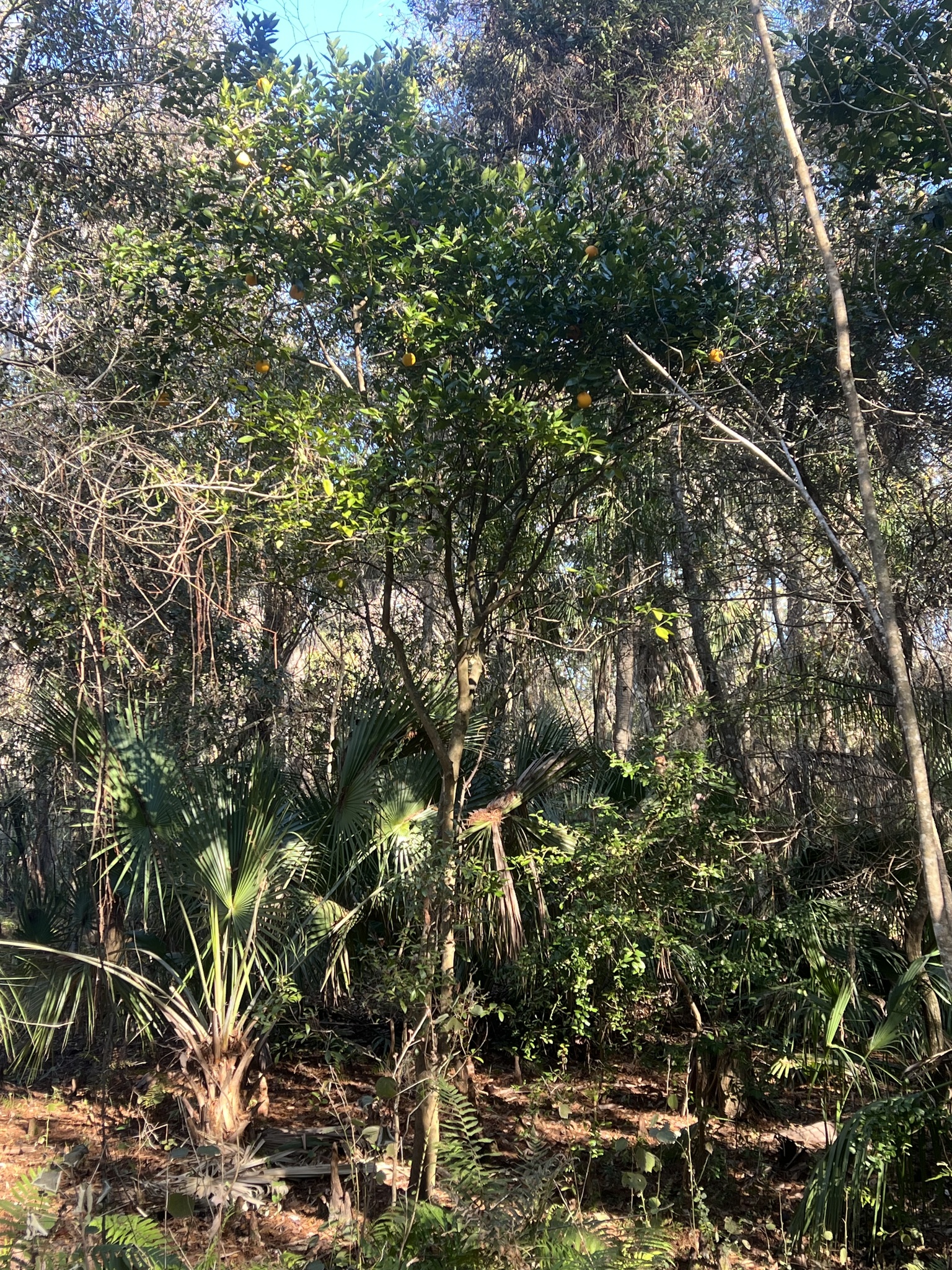
The pomelo, Citrus maxima, is a broadleaf evergreen fruit tree native to Southeast Asia that produces the largest citrus fruit in the world. As a non-hybrid ancestral species, it is a direct genetic parent of both the sweet orange and the grapefruit.
Home orchardists grow it for its oversized, mild-flavoured citrus globes and fragrant white flowers. Success requires sustained summer heat, frost protection, and free-draining soil that prevents root rot.
Key Facts
- Hardiness: USDA zones 9 to 11
- Mature height: 5 to 15 m (16 to 50 ft)
- Sunlight: Minimum 8 hours of direct full sun daily
- Water: 25 to 50 mm (1 to 2 in) weekly
- Soil: Sandy loam with pH 6.0 to 7.0
- Fruit weight: 1 to 3 kg (2.2 to 6.6 lb)
Is a Pomelo Tree Right for Your Garden?
Growing a pomelo requires long, hot summers and frost-free winters to produce sweet fruit. If your region experiences hard freezes or lacks sustained heat, you must cultivate dwarf varieties in 50-litre containers that can move into heated glasshouses before temperatures drop below 0 °C (32 °F).
Unlike lemons or limes that tolerate cooler microclimates, this species demands high seasonal heat units to develop low-acid sugars. You will need a wind-sheltered planting footprint of at least 6 m (20 ft) in diameter to accommodate its broad canopy.
How to Identify Pomelo Leaves, Flowers, and Fruit
You can identify a pomelo by its winged leaf stems and giant fruit measuring up to 30 cm (12 in) across. The tree displays irregular, spreading branches equipped with short spines on young shoots and a rough, pale brown trunk.
Leaves are alternate, ovate to elliptic, and measure 10 to 20 cm (4 to 8 in) in length. A distinctive broadly winged petiole gives the leaf a heart-shaped base where it joins the stem. Four-petalled white blossoms appear in small clusters during spring, measuring 3 to 5 cm (1.2 to 2 in) wide with a strong orange-blossom fragrance.
- Fruit size: Subglobose to pear-shaped, 15 to 30 cm (6 to 12 in) diameter, weighing up to 3 kg (6.6 lb)
- Peel: Yellow-green rind with a spongy white pith (albedo) 1 to 3 cm (0.4 to 1.2 in) thick
- Pulp: Segmented flesh ranging from pale yellow to pink, with firm, dry juice vesicles that peel apart cleanly
Mature Size and Canopy Growth Rate
Standard orchard trees reach a mature height of 6 to 13 m (20 to 43 ft) with an equal branch spread. In average garden conditions, trees add 30 to 60 cm (12 to 24 in) of growth per season once established.
Grafted specimens remain more compact than seed-grown trees, topping out at 4 to 6 m (13 to 20 ft) in cultivation. Container-grown specimens on dwarfing rootstocks like trifoliate orange (Poncirus trifoliata) typically stay under 2.5 m (8 ft) with regular canopy maintenance.
Choosing the Best Planting Site
Select a location that receives at least 8 hours of direct sun each day and offers shelter from sustained wind. Wind can strip flowering shoots and cause heavy fruit to rub against thorns, creating rind blemishes.
Good drainage is non-negotiable. Choose slightly elevated terrain or build a 30 cm (12 in) raised mound if your soil retains water after heavy rain. Avoid low-lying frost pockets at the base of slopes, as cold air settles in depressions and kills emergent spring blossoms.
How to Plant a Pomelo Tree
Plant container-grown nursery trees in early spring after the final frost so the root system establishes before midsummer heat. Dig a hole twice as wide as the root ball and exactly the same depth.
- Check root collar depth: Ensure the graft union sits at least 10 cm (4 in) above the soil grade to prevent scion rooting.
- Unwind circled roots: Tease out tight outer roots by hand or make three vertical scores with a sharp blade.
- Backfill with native soil: Fill the hole without adding potting compost or unrotted manure, which causes root settling.
- Water thoroughly: Settle the soil with 30 litres (8 gal) of water to eliminate hidden air pockets.
- Mulch the zone: Apply a 7 cm (3 in) layer of wood chips in a 1 m (3 ft) circle, keeping mulch 15 cm (6 in) away from the trunk.
Watering and Feeding Requirements
Apply 25 to 50 mm (1 to 2 in) of water weekly during fruit development, allowing the top 5 cm (2 in) of soil to dry between sessions. Citrus roots suffer rapid dieback if kept in waterlogged ground.
Feed with a balanced citrus fertiliser formulated with a 3-1-2 NPK ratio, including zinc, iron, and manganese. Divide applications into three seasonal rounds: early spring as bud swell starts, early summer during fruit set, and late summer during fruit expansion. Cease nitrogen feeding by early autumn to avoid tender flushes vulnerable to frost damage.
How and When to Prune
Prune your pomelo tree in late winter just before new growth starts to maintain airflow through the center. Remove any branches crossing inward or rubbing against neighbours.
Check the base of the trunk every spring and cut away all suckers originating below the graft line. Heavy branch tipping is unnecessary, but you should shorten erratic water shoots by half to encourage lateral fruiting spurs. Heavy fruit clusters often need manual thinning to one or two fruits per branch to prevent limbs from snapping under weight.
Troubleshooting Pomelo Problems and Pests
Yellowing leaves on new growth indicate iron or manganese deficiency caused by high soil pH. Correct this by applying chelated iron foliar sprays and working sulfur into soils above pH 7.5.
Several pests target pomelo foliage and wood throughout the active season:
- Citrus leafminer: Caterpillars produce silvery serpentine trails in young leaves; control by spraying horticultural oil during summer growth flushes.
- Scale insects: Brown bumps appear on twigs and foliage, excreting honeydew; wash down stems with insecticidal soap.
- Root rot (Phytophthora): Bark splits near the soil line and exudes amber sap; reduce irrigation and expose the root flare.
- Fruit splitting: Caused by erratic watering during late summer expansion; maintain steady soil moisture with mulch.
Winter Care and Frost Protection
Pomelo trees suffer foliage burn at -2 °C (28 °F) and mature wood damage at -4 °C (25 °F). If a freezing night threatens, run low-volume drip irrigation underneath the canopy overnight to release ground heat.
Wrap young trunks with insulating frost fabric or cardboard from the soil level up to the lowest branch scaffold. For patio containers, move pots indoors into a sunny sunroom or greenhouse maintaining 10 to 18 °C (50 to 65 °F), and cut watering frequency by half until spring.
Culinary and Traditional Uses
The thick rind yields edible candied peels, while the firm, sweet-tart fruit segments are eaten raw or added to savoury salads. In Southeast Asian cooking, segments are tossed with toasted coconut, shallots, and fish sauce.
Peel oils are traditionally extracted for perfumery and cleaning solutions. The rind, leaves, and flowers were traditionally brewed in folk decoctions across China and Malaysia to soothe coughs and stomach discomfort. Note that pomelo juice contains furanocoumarins that block the intestinal enzyme CYP3A4, causing identical pharmaceutical interactions to commercial grapefruit juice.
Frequently Asked Questions
What is the difference between a pomelo and a grapefruit?
The pomelo (Citrus maxima) is a true natural species with thick rind and sweet, non-bitter pulp segments. The grapefruit (Citrus × paradisi) is a hybrid between a pomelo and a sweet orange (Citrus × sinensis), resulting in a thinner skin, softer flesh, and a distinctly bitter, acidic flavour.
How is pomelo pronounced?
Pomelo is pronounced POHM-eh-loh, with the primary stress placed on the first syllable.
What is pomelo called in Bengali?
In Bengali, the pomelo fruit is widely called batabi lebu (বাতাবি লেবু) or jambura (জাম্বুরা).
What are the nutritional benefits of pomelo fruit?
A single pomelo provides over 400 percent of your daily vitamin C requirement alongside substantial dietary fibre, potassium, and copper. It contains zero fat and provides modest natural sugars.
Does pomelo interact with medications?
Yes, pomelo contains furanocoumarins that inhibit the human CYP3A4 enzyme, increasing the absorption of certain blood pressure drugs, statins, and immunosuppressants to dangerous levels. Consult your physician before eating pomelo if you take prescription medications marked with grapefruit warnings.
Information about traditional or historical uses is provided for educational interest only and is not medical advice. Do not use any plant to treat a condition without speaking to a qualified professional.
Sources & Verification
Taxonomy and distribution are checked against the databases below. Care guidance is written for cultivated species only and reviewed by our editor. How We Build Plant Profiles →
- Kew Plants of the World OnlineTaxonomic baseline and native distribution details.
- University of Florida IFAS ExtensionCitrus cultural management and rootstock tolerances.
- NC State Extension Gardener Plant ToolboxHorticultural description and pest profiles.
- GBIF — Global Biodiversity Information Facilitytaxonomy, synonyms, occurrence records
- Wikipediageneral reference