Citrus Tree Species: Varieties and Care Guide
12 plant profiles · Learn how to choose, grow, and care for Citrus species including lemon, mandarin, key lime, kumquat, and pomelo with concrete botanical advice.
Citrus trees are woody evergreen shrubs and trees originating in tropical and subtropical Asia, defined by aromatic oil glands in their leaves and leathery, segmented fruit known botanically as hesperidiums. Members of this genus share basic cultivation requirements, including a minimum of 6 to 8 hours of direct sunlight daily and slightly acidic soil with a pH of 5.5 to 6.5. Most species fail to survive prolonged temperatures below 0 °C (32 °F), making container growing essential in temperate climates.
Choosing the right species depends on your regional climate, available space, and intended culinary use. Cold-hardy choices like the trifoliate orange (Citrus trifoliata) tolerate freezing down to -20 °C (-4 °F), whereas tropical selections such as the key lime (Citrus aurantiifolia) suffer defoliation if exposed to temperatures below 10 °C (50 °F). Compact choices like the kumquat (Citrus japonica) and mandarin orange (Citrus reticulata) adapt reliably to indoor container growing on rootstocks like 'Flying Dragon'.
For culinary gardens, flavour profiles guide selection. Acidity varies drastically across the genus; the lemon (Citrus limon) and bitter orange (Citrus aurantium) provide high citric acid for cooking and preserves, while the massive pomelo (Citrus maxima) delivers low-acid, sweet flesh. All members of the genus contain essential oils such as limonene and linalool in their peel and leaves, which make them mildly toxic to dogs and cats if ingested in quantity.
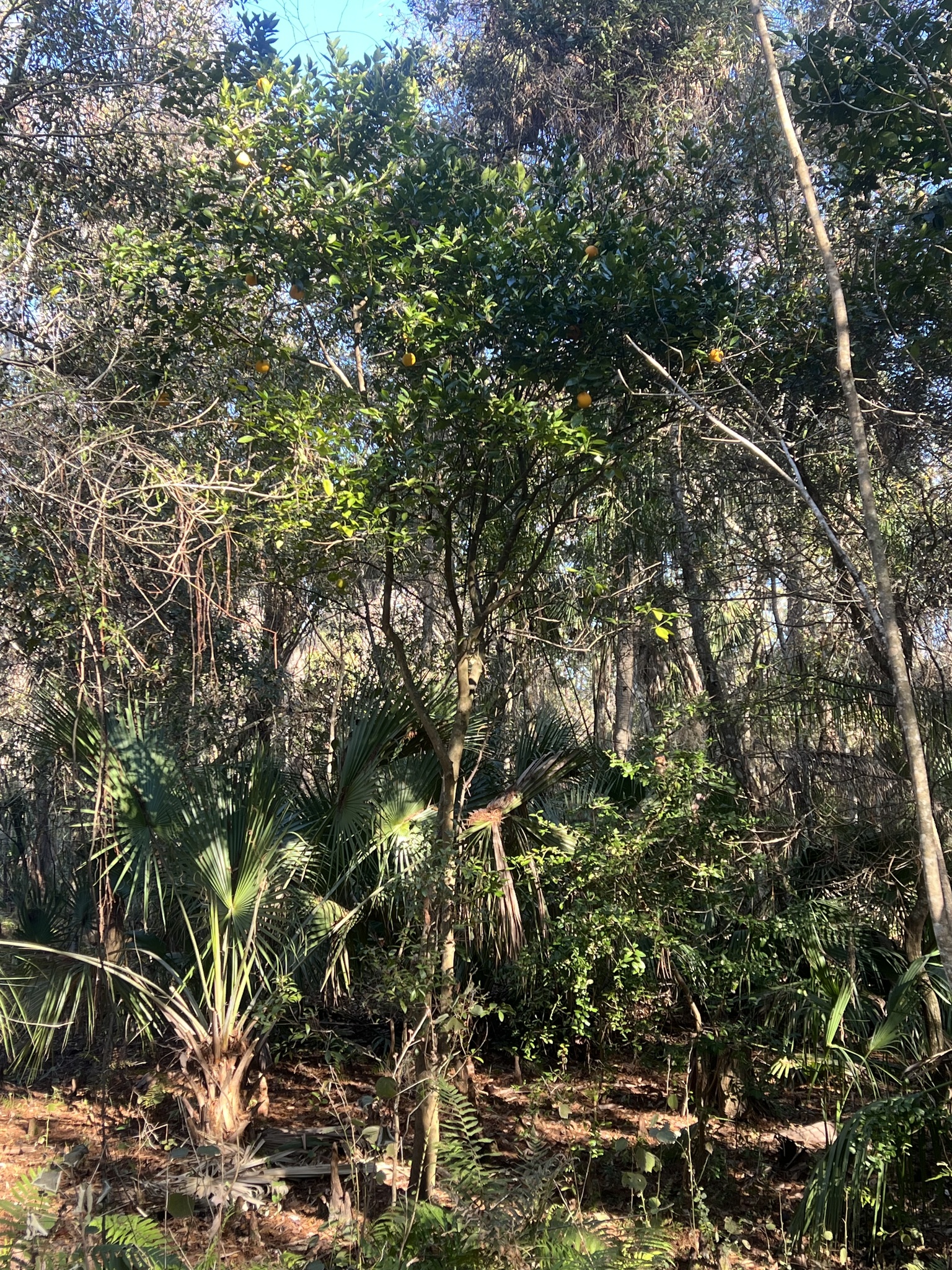
Bitter Orange
Citrus aurantium
☀️ Full Sun 💧 Moderate

Citron
Citrus medica
☀️ Full Sun 💧 Moderate
Key Lime
Citrus aurantiifolia
☀️ Full Sun 💧 Moderate

Kumquat
Citrus japonica
☀️ Full Sun 💧 Moderate

Lemon
Citrus limon
☀️ Full Sun 💧 Moderate

Makrut Lime
Citrus hystrix
☀️ Full Sun 💧 Moderate
Mandarin Orange
Citrus reticulata
☀️ Full Sun 💧 Moderate

Persian Lime
Citrus latifolia
☀️ Full Sun 💧 Moderate

Pomelo
Citrus maxima
☀️ Full Sun 💧 Moderate
Sweet Lime
Citrus limetta
☀️ Full Sun 💧 Moderate

Trifoliate Orange
Citrus trifoliata
☀️ Full Sun 💧 Moderate
Yuzu
Citrus junos
☀️ Full Sun 💧 Moderate
Common Questions
How much light do citrus trees need indoors?
Indoor citrus trees require at least 6 to 8 hours of direct sunlight daily from an unshaded south- or west-facing window to initiate flowering and fruit set.
What soil pH is best for growing citrus trees?
Citrus trees grow best in acidic to neutral soil with a pH between 5.5 and 6.5.
Are citrus trees toxic to dogs and cats?
Yes, citrus trees are toxic to dogs and cats because their leaves, stems, and peel contain essential oils like limonene and linalool, alongside psoralens.
Why are my citrus tree leaves turning yellow?
Yellow leaves on citrus trees are most commonly caused by overwatering, soil cold below 13 °C (55 °F), or nitrogen and iron deficiencies.