

Makrut lime (Citrus hystrix) is a thorny evergreen citrus tree native to tropical Southeast Asia, known for its distinct hourglass-shaped leaves and deeply wrinkled green fruit.
The tree yields year-round foliage that provides the signature citrus aroma in Thai and Southeast Asian cooking, but cold tolerance is minimal; plants drop leaves rapidly once temperatures plunge below 0 °C (32 °F).
Key Facts
- Light: Full sun, minimum 6 to 8 hours daily
- Water: Soak deeply when top 5 cm (2 in) of soil dries
- Hardiness: USDA Zones 9b to 11
- Soil: Sandy loam with pH 6.0 to 6.8
- Pruning: Trim sharp suckers and dense water sprouts in spring
- Edible parts: Double leaves and zest; juice is bitter and sparse
Growing Makrut Lime at Home
Growing a makrut lime tree gives you a constant supply of aromatic leaves, requiring warm shelter and sharply drained soil to avoid root rot.
This plant suits culinary gardeners who cook Southeast Asian dishes and have either a sun-soaked garden bed in warm climates or a patio container in cooler regions. The branches carry stiff, needle-like spines measuring 1 to 4 cm (0.4 to 1.6 in) long, so place pots away from narrow walkways and children’s play areas.
The tree tolerates pruning well and adapts to life in a 40 to 50 cm (16 to 20 in) container, making it manageable even for balconies.
How to Identify Makrut Lime Leaves and Fruit
A makrut lime is defined by its double, winged leaves that resemble an hourglass and bumpy, dark green rind.
The botanical feature is a broadly winged petiole that equals or exceeds the main leaf blade in width, making each leaf appear as two distinct segments fused end to end. When crushed, the leaves release a sharp floral-citrus scent driven by high concentrations of citronellal. The white to pale pink flowers measure 1 to 2 cm (0.4 to 0.8 in) across, featuring four to five thick petals clustered in leaf axils during spring.
- Leaf structure: Bifoliate-appearing winged petiole, 7 to 15 cm (2.8 to 6 in) long
- Fruit surface: Deeply verrucose, bumpy rind that turns pale yellow when overripe
- Fruit dimensions: 4 to 6 cm (1.6 to 2.4 in) diameter, spherical to pyriform with a nipple-like tip
- Spines: Solitary, stout thorns at branch nodes
Mature Size and Growth Habits
In the ground, a mature makrut lime tree reaches 1.8 to 3.5 m (6 to 11.5 ft) in height with a canopy spread of 1.5 to 2.5 m (5 to 8 ft).
Container-grown specimens remain smaller, typically topping out around 1.2 to 1.8 m (4 to 6 ft) depending on pot size and root restriction. Growth rate is moderate, putting on roughly 20 to 30 cm (8 to 12 in) of new stem length each season in warm weather.
In commercial orchards and domestic borders, regular leaf harvesting naturally acts as light pruning, keeping the crown dense and preventing unmanageable leggy growth.
Makrut Lime Growing Conditions and Site Selection
Choose an outdoor position that provides at least 6 to 8 hours of direct sunlight daily and shelter from drying winds.
Full sun produces the thickest foliage and highest concentration of essential oils in the oil glands on the leaf undersides. If grown indoors or on a covered patio, position the tree right against an unshaded south-facing window or beneath an LED grow light fixture running 12 hours a day.
Cold air pockets at the base of slopes or open wind corridors will scorch young flush growth; position the tree against a north-facing brick wall in the Southern Hemisphere or a south-facing wall in the Northern Hemisphere for thermal protection.
Planting a Makrut Lime Tree
Plant container-grown trees in spring once soil temperatures exceed 15 °C (59 °F) to encourage rapid root establishment.
Dig a hole twice as wide as the nursery container but exactly the same depth as the root ball to prevent the crown from sinking. When planting in clay soil, build a raised mound 20 to 30 cm (8 to 12 in) high to improve drainage and avoid crown rot. Follow these planting steps:
- Inspect the root ball and gently loosen any circling woody roots on the outside edges
- Place the tree so the graft union sits at least 10 cm (4 in) above the surrounding soil line
- Backfill with native soil mixed with 15% coarse grit, firming down lightly with your hands
- Water the planting basin with 15 to 20 L (4 to 5 gal) of water to settle air pockets
- Apply a 7 cm (3 in) layer of wood chip mulch, keeping it 10 cm (4 in) away from the trunk
How to Care for Makrut Lime
Water thoroughly whenever the top 5 cm (2 in) of soil feels dry, then allow excess water to drain away completely.
Potted plants need watering two to three times a week during summer, but outdoor trees in ground soil need a deep soak every 7 to 10 days. Apply a balanced citrus fertiliser with an NPK ratio near 8-2-10 plus trace elements like magnesium, iron, and zinc three times a year: early spring, mid-summer, and early autumn.
Overwatering induces iron chlorosis, where leaves turn yellow while the veins stay green; if this happens, reduce irrigation frequency immediately and apply chelated iron drench.
Pruning and Harvesting Leaves
Prune your tree in early spring before the main flush of new growth to control height and remove crossing stems.
For harvesting, snip individual mature hourglass leaves with sharp shears, leaving the small stem attached to the branch to prevent bark tearing. Focus on picking fully expanded, dark green leaves from the midsection of branches, as these carry the highest concentration of aromatic volatile oils. Follow these harvesting guidelines:
- Never remove more than 25% of the canopy foliage in a single harvesting session
- Cut out water sprouts—vigorous, soft, upright shoots that produce few side branches
- Strip any shoots emerging below the graft union immediately before they sap tree vigour
- Thin the inner canopy to allow airflow, which reduces pest habitats
Common Makrut Lime Tree Problems
Curled, silvery foliage indicates citrus leafminer larvae tunnelling inside the leaf tissue, while sticky honeydew signals scale insects or aphids.
Citrus leafminer (Phyllocnistis citrella) targets tender new flushes, leaving twisting silver trails that distort the double leaves. Treat young leaves with horticultural white oil or neem oil sprays every 14 days during active flushes to deter egg-laying moths.
Yellowing leaves on older wood point to either nitrogen deficiency or root rot from waterlogged compost; check drainage holes in pots and ensure drip trays are emptied after watering.
Winter Protection for Makrut Lime
Protect the tree when overnight temperatures drop below 2 °C (35 °F), as frost causes severe leaf drop and stem dieback.
Gardeners in USDA Zones 8 and colder must bring potted trees indoors before the first autumn freeze, placing them in a bright, unheated sunroom or under artificial lights away from heating ducts. If an unexpected light frost threatens outdoor in-ground trees, drape a breathable frost cloth over a frame around the canopy and mulch the root zone heavily.
Reduce watering intervals during winter months to match lower transpiration rates, keeping the soil slightly damp but never wet.
Culinary Uses and Freezing Leaves
The leaves are primarily used torn or shredded into curries, soups, and stir-fries to impart a punchy citrus flavour.
Remove the woody central spine by folding the hourglass leaf in half lengthwise and peeling the central rib away before finely slicing the green flesh into thin ribbons. The bumpy green rind can be zested to add aroma to curry pastes, though the fruit pulp contains very little juice and carries a harsh, bitter taste. In traditional Southeast Asian and Thai herbal practices, the peel and crushed leaves were also rubbed onto hair as a natural cleanser.
You can freeze fresh leaves in airtight zip-top freezer bags with the air pressed out; they retain their culinary flavour for up to 12 months without blanching.
Frequently Asked Questions
What is the difference between makrut lime and kaffir lime?
They are the exact same plant, Citrus hystrix. The culinary and botanical communities increasingly use the Thai name 'makrut' because 'kaffir' is an offensive racial slur in South Africa.
What is the best substitute for makrut lime leaves?
Fresh Persian lime (Citrus × latifolia) zest combined with equal parts crushed lemon verbena (Aloysia citrodora) or lemongrass (Cymbopogon citratus) provides the closest aroma profile. Alternatively, use dried makrut leaves, but double the quantity called for in the recipe.
Can you eat makrut lime fruit?
Only the zest from the bumpy green peel is eaten, as the flesh inside is dry, seedy, and intensely bitter. The fragrant zest is crushed into traditional Thai curry pastes.
How do you freeze makrut lime leaves?
Wash and dry the leaves thoroughly, pack them flat into an airtight freezer bag, press out excess air, and store in the freezer. They hold their flavour for up to 12 months and can be dropped straight into hot curries without thawing.
Why are my makrut lime leaves curling?
Curling leaves with silvery, winding trails are caused by citrus leafminer larvae feeding under the leaf cuticle. Drought stress and aphid clusters on new growth can also cause leaves to cup and twist.
Information about traditional or historical uses is provided for educational interest only and is not medical advice. Do not use any plant to treat a condition without speaking to a qualified professional.
Sources & Verification
Taxonomy and distribution are checked against the databases below. Care guidance is written for cultivated species only and reviewed by our editor. How We Build Plant Profiles →
More in Citrus

Kumquat
Citrus japonica
☀️ Full Sun 💧 Moderate
Key Lime
Citrus aurantiifolia
☀️ Full Sun 💧 Moderate

Citron
Citrus medica
☀️ Full Sun 💧 Moderate
Mandarin Orange
Citrus reticulata
☀️ Full Sun 💧 Moderate

Trifoliate Orange
Citrus trifoliata
☀️ Full Sun 💧 Moderate
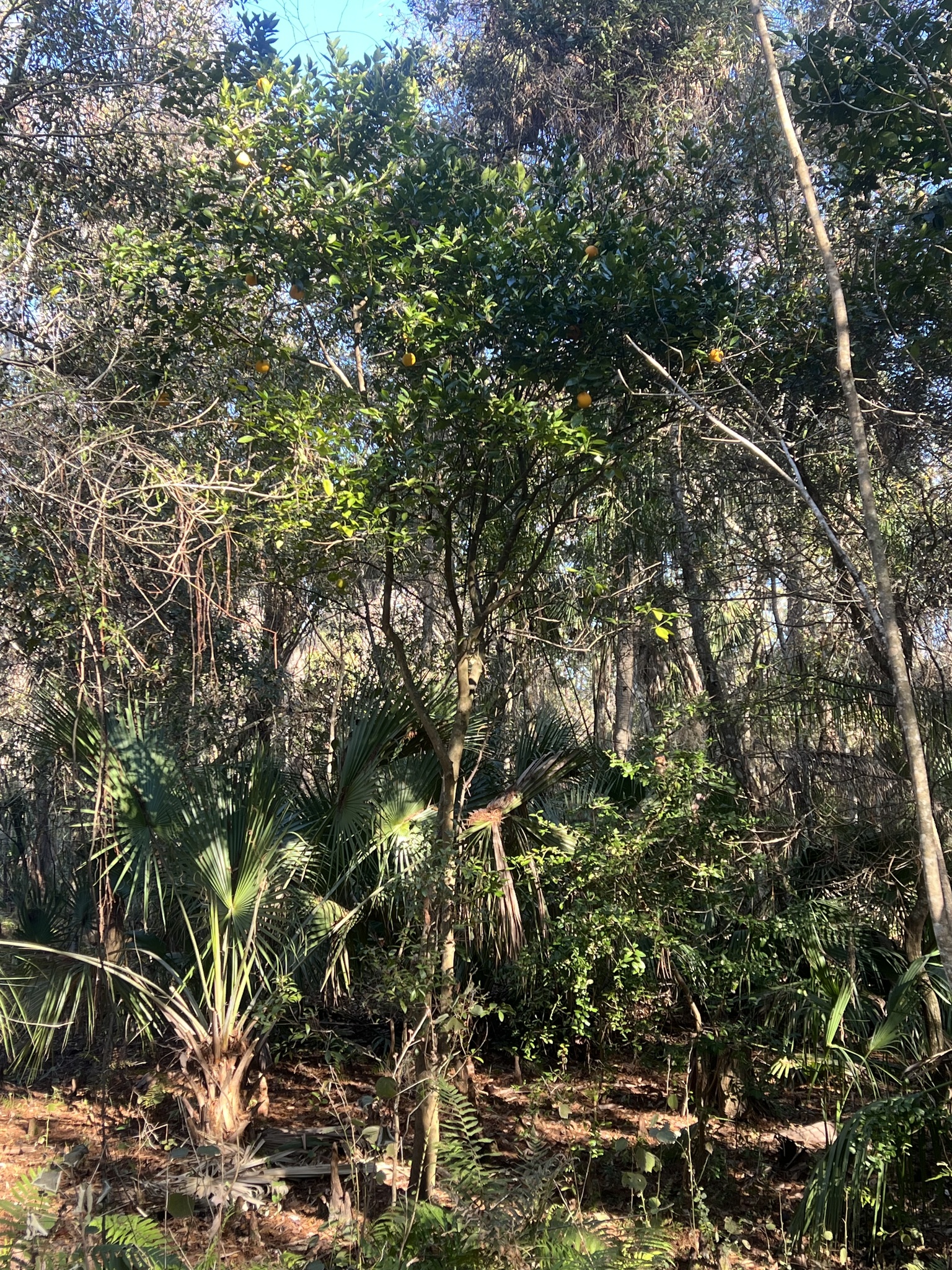
Bitter Orange
Citrus aurantium
☀️ Full Sun 💧 Moderate