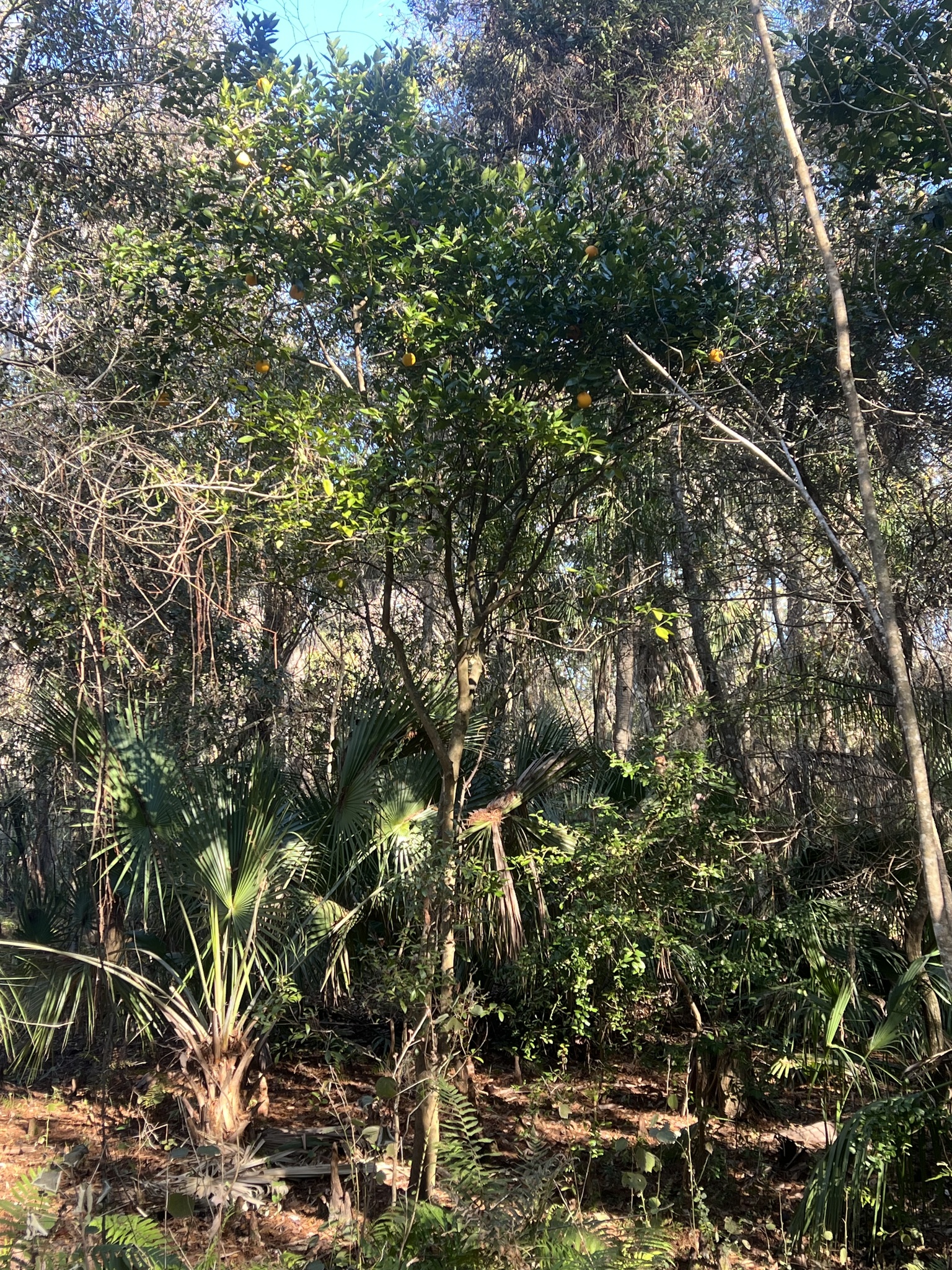
Trifoliate orange is a deciduous shrub native to central and northern China, distinguished by its three-part leaves and exceptionally large thorns. Unlike most citrus species, Citrus trifoliata survives temperatures as low as -20 °C (-4 °F), making it the primary choice for temperate-climate citrus enthusiasts.
This species is the only member of the citrus family to shed its foliage in winter, a trait that allows it to withstand freezing conditions that would kill a standard sweet orange (Citrus sinensis). While the fruit is bitter and seedy, the plant is widely utilized as a disease-resistant rootstock for commercial citrus grafting.
Key Facts
- Hardiness: survives temperatures down to -20 °C (-4 °F)
- Thorns: sharp, green spines reaching 5 cm (2 in) long
- Light: requires full sun for optimal fruit production
- Soil: prefers well-drained, acidic to neutral soil (pH 5.5-7.0)
- Fruit: yellow, downy, and bitter with many seeds
Is Trifoliate Orange Right for Your Garden
Growing the trifoliate orange is a tactical choice for those living in USDA Zones 5 through 9 who want the aesthetic of a citrus grove without the need for a greenhouse. You will find this shrub most useful as a living fence due to its formidable thorns, which deter both deer and human intruders. It is a low-maintenance option for those who prioritize structural resilience and seasonal change over the sweet, edible fruit of more tender citrus varieties.
Because it is deciduous, it provides a different visual profile than the evergreen bitter orange (Citrus × aurantium). The green stems remain colorful even after the leaves fall, providing winter interest in snowy climates. It is particularly suited for large properties where its spreading, thorny habit can be accommodated without obstructing walkways.
How to Identify the Trifoliate Orange
The trifoliate orange is a deciduous shrub that reaches 3 to 6 m (10 to 20 ft) with a dense, twiggy habit and distinctive three-lobed leaves. Its leaves are divided into three distinct leaflets, each 2 to 5 cm (0.8 to 2 in) long, which emerge a bright green and turn golden-yellow in the autumn. The stems are armed with green, flattened thorns up to 5 cm (2 in) long, and the fruit is a 4 cm (1.5 in) wide hesperidium covered in fine, velvety down.
Unlike the smooth skin of a Meyer lemon (Citrus x meyeri), the fruit of this species is pubescent, meaning it has a fuzzy texture similar to a peach. The flowers appear in late spring before the leaves fully expand, featuring five white petals and a light citrus fragrance. The bark on older branches remains green for several years before developing a greyish, slightly furrowed texture.
Mature Size and Growth Rate
Mature specimens typically reach 4.5 m (15 ft) in height and spread, though they can be kept smaller with regular pruning. The growth rate is moderate, adding approximately 30 cm (12 in) of new wood each year once the root system is established. In the wild or in neglected urban spaces, it can form thickets that extend much wider than a single specimen’s spread.
The plant’s size is influenced heavily by soil quality and moisture availability. In poor, rocky soils, it may remain a stunted shrub of only 2 m (6.5 ft), whereas in rich, loamy garden soil, it can eventually reach the proportions of a small tree. Its dense branching habit makes it an effective screen even before it reaches its maximum height.
Choosing the Best Planting Site
Select a site with full sun and well-drained soil to ensure the fruit ripens and the wood hardens before winter. It tolerates a wide range of soil types, including sandy and loamy textures, provided the pH remains between 5.5 and 7.0. While it is wind-tolerant, planting it against a south-facing wall in colder zones can help the fruit reach its full yellow maturity before the first hard freeze.
Avoid low-lying areas where water tends to pool, as the roots are highly susceptible to rot in anaerobic conditions. Because of the 5 cm (2 in) thorns, you should position the plant at least 2 m (6.5 ft) away from sidewalks, driveways, or children’s play areas. It is an excellent choice for erosion control on sunny slopes due to its vigorous root system.
Planting Your Hardy Orange Tree
Plant your trifoliate orange in early spring to allow a full growing season for root establishment before the first winter frost. If you are planting a hedge, space the individual shrubs 90 cm (3 ft) apart to create a gap-free barrier within three to four years. Ensure the planting hole is twice as wide as the root ball, and avoid adding high-nitrogen fertilizers directly into the hole, which can burn the sensitive young roots.
When transplanting, keep the soil level at the same depth as it was in the nursery container. For specimens grafted onto other rootstocks, ensure the graft union remains 5 to 10 cm (2 to 4 in) above the soil line to prevent the scion from rooting. Water the area thoroughly immediately after planting to remove air pockets around the roots.
Watering and Feeding Requirements
Water the shrub deeply once a week during the summer, providing approximately 20 liters (5 gallons) of water for a medium-sized plant. Apply a specialized citrus fertilizer in March and June to support the heavy flowering and fruit set. Mulch the base with 5 cm (2 in) of organic matter to retain moisture, but keep the mulch 10 cm (4 in) away from the trunk to prevent bark rot.
During the first two years, do not allow the soil to dry out completely, as young plants lack the drought resistance of established specimens. Mature plants can survive several weeks without rain, but they may drop their fruit prematurely if stressed. In autumn, reduce watering to encourage the plant to enter its natural dormancy.
Pruning and Managing Thorns
Prune the shrub in late winter to maintain a tidy shape and remove any branches that cross or rub. Because the thorns are extremely sharp and can cause puncture wounds, always wear thick leather gauntlets and use long-handled loppers. If you are growing it as a hedge, you can use electric shears for a formal look, though this will reduce the number of flowers and fruits produced the following year.
Focus on removing ‘suckers’—vigorous vertical shoots that emerge from the base of the plant—as these can quickly ruin the intended shape. Thinning out the center of the canopy allows more light to reach the interior branches, which improves fruit ripening and reduces the risk of fungal infections. Always dispose of thorny clippings carefully, as they remain sharp even after they have dried out.
Common Pests and Diseases
The most frequent issue is iron chlorosis, which causes the leaves to turn yellow while the veins remain green. This is usually a sign that the soil pH is too high, preventing the plant from absorbing nutrients. You may also encounter:
- Scale insects: small, brown bumps on the stems that secrete sticky honeydew.
- Citrus leaf miner: larvae that tunnel through leaves, causing them to curl and distort.
- Phytophthora root rot: caused by waterlogged soil, leading to wilting and branch dieback.
- Spider mites: tiny pests that cause stippling on leaves during hot, dry weather.
Treat scale and mites with neem oil or insecticidal soap applied in the early morning. To prevent root rot, ensure the soil has excellent drainage and avoid overwatering during the dormant winter months.
Winter Survival and Cold Hardiness
This species is the only citrus that can survive -20 °C (-4 °F) without significant damage to its wood. While the leaves drop in November, the green bark remains photosynthetically active, providing a unique winter appearance. In Zone 5 and 6, a thick layer of mulch around the base will protect the root system during prolonged deep freezes.
Unlike the evergreen kumquat (Citrus japonica), the trifoliate orange does not suffer from winter desiccation because it does not attempt to maintain foliage during the cold months. If a late spring frost kills the emerging buds, the plant will usually produce a second flush of leaves from dormant axillary buds. No additional wrapping or heating is required for established plants in its recommended zones.
Culinary and Medicinal Uses
The fruit is traditionally used for marmalade or dried as a medicinal spice, though it is too bitter and seedy to eat fresh. Because of its cold tolerance and resistance to soil-borne diseases, it is the most common rootstock for commercial citrus production worldwide. The juice contains high levels of vitamin C and pectin, but the resinous oil in the rind can leave a persistent, sticky residue on kitchen utensils.
In East Asian traditional medicine, the dried unripened fruit was used to treat digestive issues and inflammation. The high concentration of synephrine and other alkaloids in the fruit has led to its study in modern pharmacology, though it should not be consumed in large quantities. The wood is extremely hard and was historically used for making tool handles.
Year-Round Care for Trifoliate Orange
| Spring | Apply a balanced citrus fertilizer in March. Plant new shrubs once the soil has thawed and is workable. |
|---|---|
| Summer | Water deeply once a week during dry spells. Monitor for citrus leaf miner damage on new growth. |
| Autumn | Harvest yellow fruits in October. Rake up fallen leaves to prevent fungal spores from overwintering. |
| Winter | Prune for shape and remove dead wood in February. Check that mulch is not touching the main trunk. |
Trifoliate Orange Problems Explained
| What you see | Likely cause | What to do |
|---|---|---|
| Yellow leaves with green veins | Iron chlorosis from high pH | Apply chelated iron and acidify the soil with sulfur. |
| Sticky residue on stems | Scale insect infestation | Scrub off visible scales and apply neem oil. |
| Premature fruit drop | Drought stress in summer | Increase watering frequency to keep soil consistently moist. |
Popular Trifoliate Orange Cultivars
- ‘Flying Dragon’ – contorted, twisted stems and curved thorns
- ‘Monstrosa’ – another name for the contorted ‘Flying Dragon’ variety
Frequently Asked Questions
Can you eat trifoliate orange?
Yes, but the fruit is extremely bitter, seedy, and acidic, making it unpleasant to eat raw. It is best used for making marmalade or as a zest for flavoring drinks.
How to grow trifoliate orange from seed?
Seeds require a period of cold stratification for 30 to 60 days in a refrigerator before sowing. Once stratified, plant them 1 cm (0.5 in) deep in moist potting mix at room temperature.
Are the thorns on a trifoliate orange poisonous?
No, the thorns are not poisonous, but they are very sharp and can cause deep puncture wounds. Always wear heavy leather gloves when handling the plant.
Why is trifoliate orange used as a rootstock?
It is used because it provides excellent cold hardiness and resistance to soil diseases like tristeza virus and root rot. It also has a slightly dwarfing effect on the grafted scion.
What are the health benefits of trifoliate orange?
The fruit was traditionally used in East Asia to treat inflammation and digestive disorders. It contains high levels of vitamin C and flavonoids, though it is rarely consumed as a primary food source.
Information about traditional or historical uses is provided for educational interest only and is not medical advice. Do not use any plant to treat a condition without speaking to a qualified professional.
Sources & Verification
Taxonomy and distribution are checked against the databases below. Care guidance is written for cultivated species only and reviewed by our editor. How We Build Plant Profiles →