

Lemon (Citrus limon) is a small evergreen fruit tree native to South Asia, recognisable by its glossy oval leaves, thorny branches, and tart yellow fruit.
It requires at least 8 hours of direct sunlight daily and rots quickly in standing water, but flowers and fruits for months when warmth is maintained.
Key Facts
- Light: At least 8 hours of full sun daily
- Water: Soak when the top 5 cm (2 in) dries
- Hardiness: USDA Zones 9–11; damages below -1 °C (30 °F)
- Soil: Free-draining sandy loam with pH 5.5–6.5
- Growth rate: 30–60 cm (12–24 in) per year
- Mature height: 3–6 m (10–20 ft) outdoors
Is a Lemon Tree Right for Your Garden or Patio?
Lemon trees suit growers who have unobstructed southern exposure and well-draining ground or container space. In regions colder than USDA Zone 9, you must grow them in large pots and move them indoors before autumn frosts arrive.
They are heavy-yielding trees that produce crops within 2 to 3 years of grafting. You must manage regular feeding and keep pets away from fallen rind and foliage, as the essential oils trigger gastrointestinal distress in domestic animals.
- Requires 8 to 12 hours of uninterrupted sunlight
- Needs frost protection below -1 °C (30 °F)
- Demands coarse soil that drains surplus water in minutes
- Suits standard 45–60 cm (18–24 in) containers on wheels
How to Identify Lemon Trees: Leaves, Flowers, and Thorns
A true lemon tree displays elliptical dark green leaves measuring 6–11 cm (2.5–4.5 in) long with finely serrated margins and winged petioles. Sharp spines measuring 1–3 cm (0.4–1.2 in) sit along the branch axils, particularly on vigorous new shoots.
Blossoms emerge individually or in clusters of two to twelve at leaf axils. The flower buds carry a purplish tint on their exteriors, opening into five white, waxy petals surrounding a dense ring of 20 to 40 yellow anthers.
- Foliage: Alternating, leathery leaves that smell distinctly citrusy when crushed
- Fruit: Ovoid hesperidium berries, 7–12 cm (2.8–4.7 in) long, with a pronounced terminal nipple
- Bark: Smooth, pale grey to brown with slender green twigs
- Flowers: Sweetly scented, 3–5 cm (1.2–2 in) wide with purple undersides
Mature Lemon Tree Height and Growth Rate
Standard lemon trees reach 3 to 6 m (10 to 20 ft) in height, while dwarf varieties grafted onto flying dragon rootstocks stay under 2 to 3 m (6.5 to 10 ft). Their canopy broadens to a spread of 2.5 to 4.5 m (8 to 15 ft) at maturity.
Young trees add 30 to 60 cm (12 to 24 in) of vertical growth each season under warm, sunny conditions. Growth slows noticeably once branches begin bearing dense fruit clusters, which redirect carbohydrate reserves from foliage expansion into fruit development.
Where to Plant a Lemon Tree for Maximum Sun
Position your lemon tree in the warmest outdoor microclimate available, receiving at least 8 hours of direct sun every day. Avoid northern wall shadows, roof overhangs that cast midday shade, or low frost pockets where cold air settles.
Wind exposure can tear foliage, dislodge young blossoms, and snap branches loaded with heavy fruit. Plant the tree 2 to 3 m (6.5 to 10 ft) away from buildings or dense windbreaks like sweet bay (Laurus nobilis) or Italian cypress (Cupressus sempervirens) to block severe gales while retaining heat.
How to Plant Lemon Trees in Ground or Containers
Plant container-grown lemon trees so that the root flare rests 2 to 3 cm (1 in) above the surrounding soil surface. Burying the graft union or root flare invites trunk rot caused by Phytophthora pathogens.
For ground planting, dig a hole twice as wide as the root ball but no deeper than its original height. When planting in pots, select a container that measures at least 45 cm (18 in) across with 4 to 6 drainage holes at the base, and use an airy, coarse citrus potting mix containing pine bark and pumice.
- Inspect roots and loosen circled outer roots before placing the tree
- Backfill with native soil rather than heavy commercial peat
- Tamp gently to settle air pockets without packing the soil solid
- Water with 10–15 L (2.6–4 gal) immediately to seal root contact
Lemon Tree Care: Watering and Fertilizer Tips
Water established trees thoroughly whenever the top 5 cm (2 in) of soil feels completely dry to the touch. Deep, infrequent soakings encourage root growth far better than daily surface sprinkles, which suffocate feeder roots.
Lemon trees require a steady supply of nitrogen, potassium, and micronutrients including iron, zinc, and magnesium. Feed container specimens monthly from March through October using a slow-release citrus fertilizer formulated with a 2-1-1 or 3-1-2 NPK ratio.
- Spring to summer: Soak pots until water drains freely from the base once weekly
- Autumn to winter: Reduce watering frequency by half as transpiration rates drop
- Nutrient balance: Apply chelated iron spray if new leaves turn pale with green veins
- Mulch: Spread 5 cm (2 in) of wood chips around the root zone, keeping it 10 cm (4 in) clear of the trunk
How and When to Prune Lemon Trees
Prune lemon trees in late winter or early spring just before new flushes of growth emerge. Lemons bear fruit on both old and new wood, so indiscriminate shearing eliminates flower buds and cuts yield.
Remove all water sprouts and suckers arising below the graft union as soon as they appear during the season. Thin out crowded, crossing branches in the interior canopy to let sunlight reach ripening fruit and reduce conditions that support fungal leaf pathogens.
- Cut dead or broken branches flush with the branch collar
- Remove vertical water shoots that produce thorns instead of flowers
- Skirt lower limbs to clear 40–50 cm (16–20 in) above the soil surface
- Sterilise shears between cuts with 70% isopropyl alcohol
Common Lemon Tree Problems, Pests, and Leaf Drop
Sudden leaf drop occurs when trees suffer abrupt changes in temperature, soil moisture extremes, or insufficient light. Overwatering suffocates root hairs, resulting in yellowing lower leaves that drop while still pliant.
Citrus leafminer larvae leave silvery serpentine trails across soft young foliage, while scale insects and spider mites attack leaf undersides in dry conditions. Horticultural oil sprays control these sap-sucking pests when applied thoroughly across both leaf surfaces.
- Yellow veins on green leaves: Nitrogen deficiency; apply high-nitrogen citrus feed
- Pale leaves with dark veins: Iron chlorosis; apply iron chelate to soil
- Sticky sap and black mold: Scale or aphids; spray neem or insecticidal soap
- Curled, distorted new tips: Citrus leafminers; prune affected tips in summer
Winter Protection and Frost Care for Lemon Trees
Lemon trees sustain permanent tissue damage when temperatures drop below -1 °C (30 °F) for more than two consecutive hours. Ripe fruit freezes and ruins at -2 °C (28 °F), requiring harvest before deep freezes occur.
Outdoor trees benefit from horticultural frost blankets draped over temporary timber frames so fabric does not touch cold foliage. For container trees, move pots indoors into an unheated garage, sunroom, or greenhouse before nighttime readings dip to 4 °C (40 °F).
- Moisten soil before expected freezes, as wet ground retains more heat than dry soil
- Wrap trunks with insulating foam or cardboard wraps up to the first main fork
- Indoor placement: Provide 8 hours of supplemental grow lights if kept indoors
- Avoid fertilizing between November and January to prevent tender winter shoots
Culinary, Juice, and Landscape Uses for Lemon Trees
Lemon fruit yields 30 to 45 ml (2 to 3 tablespoons) of highly acidic juice per fruit, used widely in dressings, marinades, beverages, and baking. The yellow outer peel contains aromatic limonene oils extracted for culinary zest and natural household cleaning products.
Historically, lemon juice was carried on long sea voyages by eighteenth-century naval crews to prevent scurvy due to its high ascorbic acid content. In landscape design, the tree provides a compact architectural screen, evergreen screening, and fragrant blooms near patios alongside Mediterranean companions like olive (Olea europaea) and rosemary (Salvia rosmarinus).
Year-Round Care for Lemon Trees
| Spring | Prune crossing branches and dead wood before bud break. Apply high-nitrogen citrus fertilizer and move container specimens back outdoors once night temperatures stay above 10 °C (50 °F). |
|---|---|
| Summer | Deeply soak root zones weekly during hot spells. Inspect leaf undersides for scale and spider mites; spray with organic horticultural oil if pests appear. |
| Autumn | Harvest yellow fruit as it matures. Reduce water frequency and discontinue nitrogen feeding to allow fresh summer wood to harden before winter frosts. |
| Winter | Cover in-ground trees with frost cloth during sub-zero nights. Keep potted trees in a cool room with at least 8 hours of bright light, watering only when the top 7 cm (3 in) of soil dries. |
Lemon Tree Symptoms and Solutions
| What you see | Likely cause | What to do |
|---|---|---|
| Yellow leaves that drop while still attached | Overwatering or waterlogged root zone | Allow the top 5 cm (2 in) of soil to dry completely and verify container drainage holes are clear. |
| Pale green leaves with distinct dark green veins | Iron deficiency due to high soil pH or cold soil | Drench soil with chelated iron and adjust soil pH to 6.0. |
| Twisted, silvery tunnels across young leaf foliage | Citrus leafminer larvae feeding beneath the cuticle | Spray new leaf flushes with horticultural neem oil at dusk. |
| Sticky, clear residue on leaves and floor | Scale insects or aphids excreting honeydew | Wipe stems with 70% alcohol and apply organic insecticidal soap weekly. |
| Blossoms drop off without setting fruit | Dry air, severe underwatering, or abrupt temperature shifts | Maintain steady soil moisture and shelter trees from drying winds. |
Popular Lemon Varieties and Cultivars
- ‘Eureka’ – standard thornless market lemon, heavy spring cropper
- ‘Lisbon’ – cold-tolerant, vigorous upright growth with thorns
- ‘Meyer’ – dwarf hybrid, sweeter thin-skinned fruit, container friendly
- ‘Ponderosa’ – very large fruit, thick bumpy rind, ornamental
- ‘Variegated Pink Eureka’ – striped green-and-cream foliage, pink flesh
Frequently Asked Questions
How often should I water a lemon tree in a pot?
Water when the top 5 cm (2 in) of soil is completely dry, which is usually once every 5 to 7 days in summer and every 10 to 14 days in winter. Always soak until water flows out the drainage holes.
What is the difference between lemon and lemongrass?
Lemon (Citrus limon) is an evergreen fruit tree in the family Rutaceae that produces acidic citrus fruit, whereas lemongrass (Cymbopogon citratus) is a perennial tropical grass in the Poaceae family grown for its aromatic stalks.
Why are my lemon tree leaves turning yellow and falling off?
Overwatering is the most common cause, suffocating roots and starving them of oxygen. Check that drainage is unblocked, let the potting mix dry down, and check for nitrogen deficiency if older leaves pale gradually.
Can you grow a lemon tree indoors year-round?
Yes, but indoor trees require 8 to 12 hours of strong light from a south-facing window or high-output LED grow light. Low humidity and insufficient light frequently cause leaf drop indoors unless addressed.
How long does a lemon tree take to bear fruit?
Grafted nursery lemon trees bear fruit within 1 to 3 years of planting. Trees grown from grocery store seeds take 7 to 15 years to produce, and fruit quality is rarely true to the parent.
Information about traditional or historical uses is provided for educational interest only and is not medical advice. Do not use any plant to treat a condition without speaking to a qualified professional.
Sources & Verification
Taxonomy and distribution are checked against the databases below. Care guidance is written for cultivated species only and reviewed by our editor. How We Build Plant Profiles →
- Kew Plants of the World OnlineTaxonomic status and native distribution
- University of Florida IFAS ExtensionCitrus culture and home orchard care guidelines
- Royal Horticultural SocietyCultivation, pruning, and winter protection details
- ASPCA Animal Poison ControlToxicity mechanisms and pet symptoms
- GBIF — Global Biodiversity Information Facilitytaxonomy, synonyms, occurrence records
- Wikipediageneral reference
More in Citrus
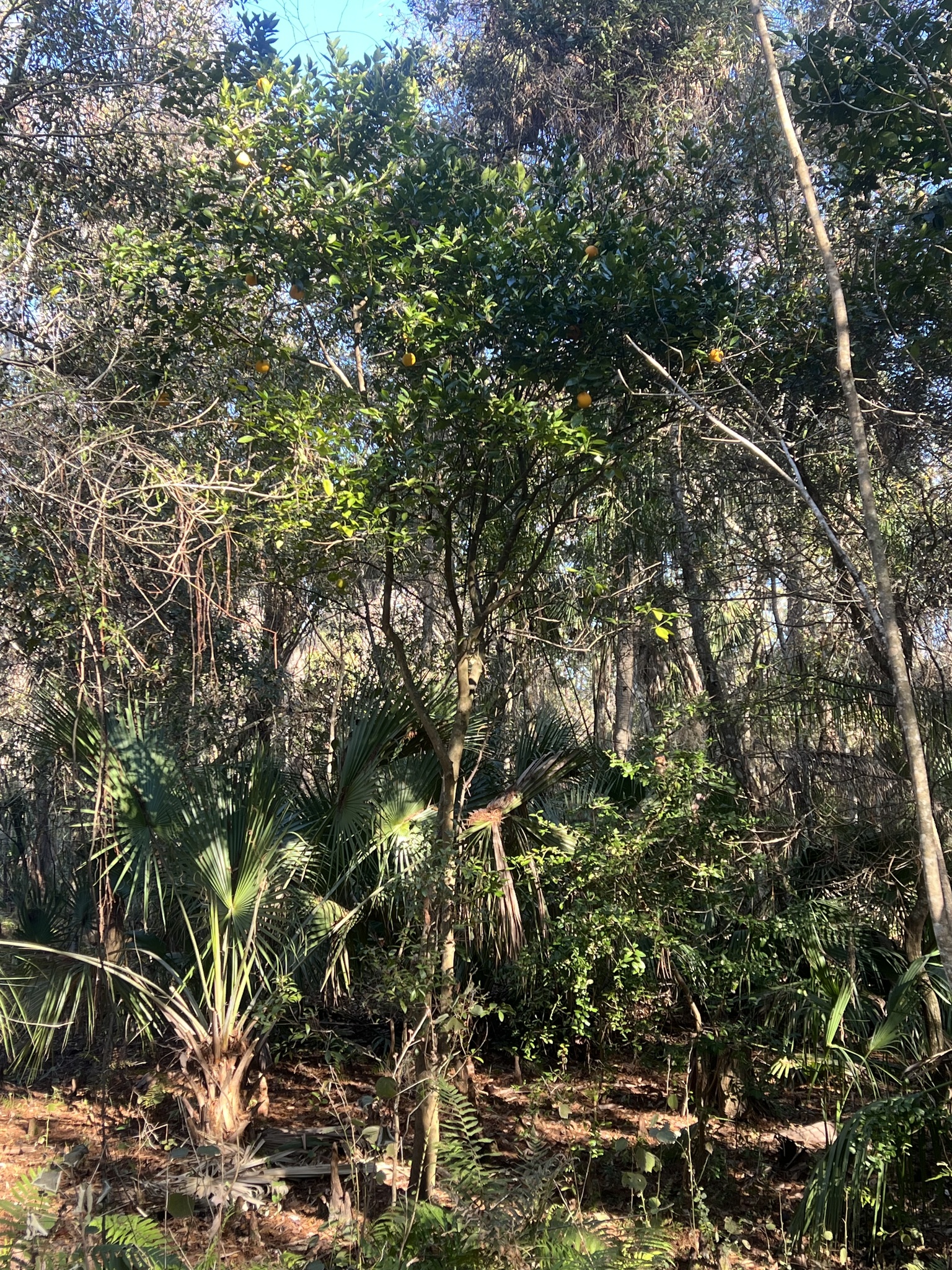
Bitter Orange
Citrus aurantium
☀️ Full Sun 💧 Moderate

Trifoliate Orange
Citrus trifoliata
☀️ Full Sun 💧 Moderate
Sweet Lime
Citrus limetta
☀️ Full Sun 💧 Moderate

Kumquat
Citrus japonica
☀️ Full Sun 💧 Moderate
Key Lime
Citrus aurantiifolia
☀️ Full Sun 💧 Moderate
Yuzu
Citrus junos
☀️ Full Sun 💧 Moderate