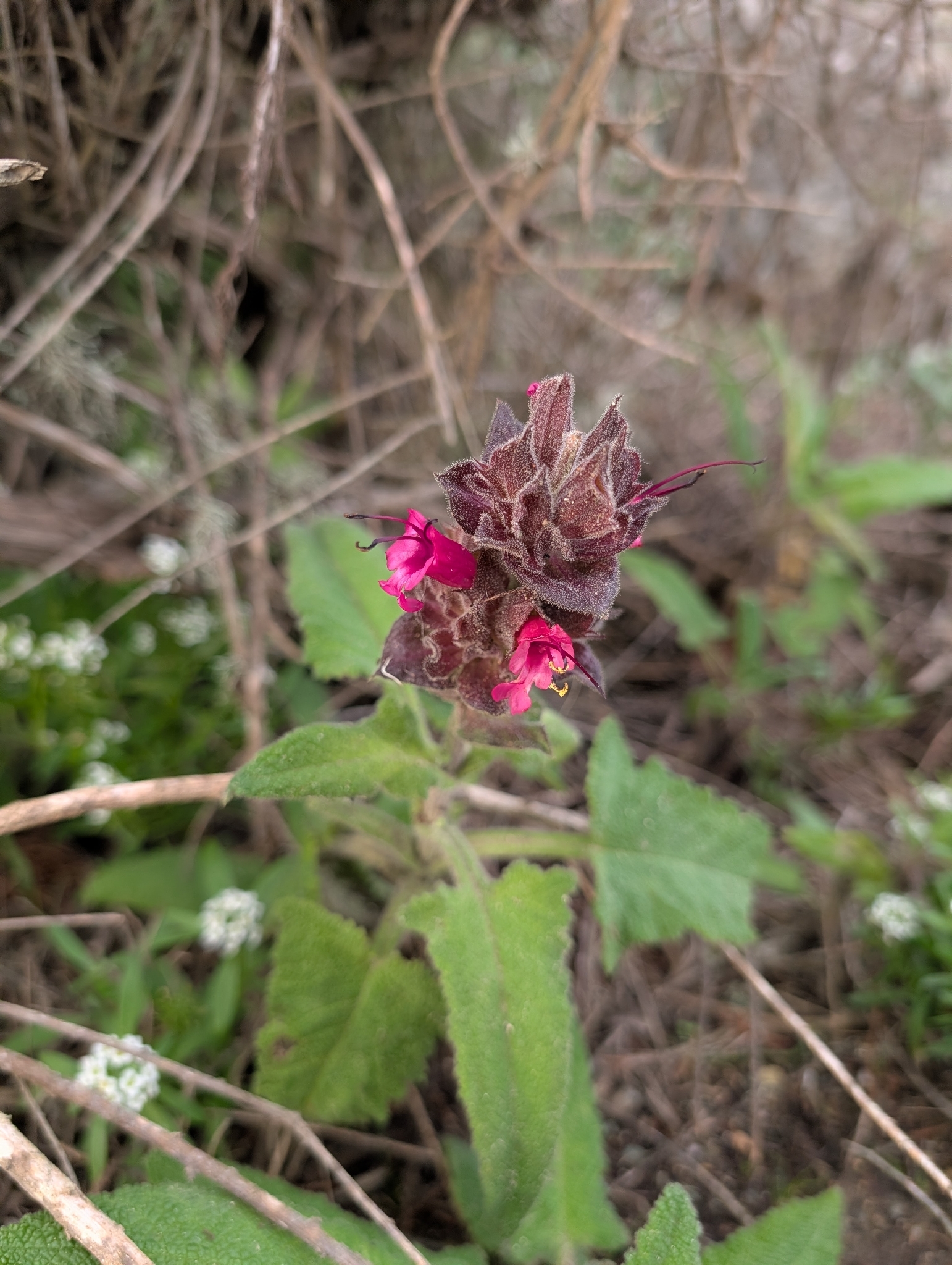
Rosemary (Salvia rosmarinus) is an evergreen woody shrub native to the Mediterranean basin, characterized by resinous needle-like foliage and small blue to purple flowers. The aromatic leaves produce volatile essential oils containing camphor, 1,8-cineole, and α-pinene.
Outdoors, plants thrive in dry, rocky soils and survive down to USDA zone 8, though wet winter soil causes root decay faster than freezing temperatures. Indoor container plants require high light levels and strict water management to prevent powdery mildew.
Key Facts
- Light: 6 to 8 hours of direct sunlight daily
- Hardiness: USDA zones 8 to 10 (down to -12 °C [10 °F])
- Water: Allow top 5 cm (2 in) of soil to dry completely
- Soil pH: 6.0 to 7.5 in well-draining soil
- Toxicity: Non-toxic to dogs, cats, and horses
Where to Plant Rosemary Outdoors and Indoors
Rosemary grows best in full sun with at least 6 hours of direct light daily and fast-draining, gravelly soil.
Outdoors in USDA zones 8 through 10, plant it along south-facing walls, in raised beds, or on sunny slopes where rainwater drains rapidly. In colder UK or northern US regions (zones 5 to 7), keep rosemary care in pots so containers can move indoors before winter frosts arrive.
When keeping rosemary care indoors, position pots on a south-facing windowsill where temperatures remain between 15-21 °C (59-70 °F). Provide supplemental LED light for 12 hours daily if natural light falls short during winter months.
How to Identify Rosemary Foliage and Habit
Rosemary forms an upright or prostrate evergreen shrub reaching 60 to 150 cm (2 to 5 ft) in height and spread.
The slender leaves measure 2 to 4 cm (0.8 to 1.6 in) long, featuring dark green glossy uppersides and white-pubescent undersides with rolled leaf margins. Square stems turn woody and light brown as they mature over 2 to 3 years.
Two-lipped flowers measuring 1 cm (0.4 in) wide emerge in small clusters along the leaf axils, blooming primarily from February to May. Flower colours range from pale sky blue to deep violet, with white and pink variants present in specific selections.
- Narrow needle-like leaves with dense silvery hairs underneath
- Strong resinous pine and camphor scent when leaves are bruised
- Fibrous grey-brown outer bark on mature stems
- Small two-lipped tubular flowers with two protruding stamens
Sun and Soil Requirements for Rosemary
Rosemary requires a soil pH between 6.0 and 7.5 and absolute freedom from waterlogged conditions.
Heavy clay retains excess moisture around the root crown, causing root rot within 14 days of sustained wet weather. Amend native garden soil with 30% coarse horticultural grit or perlite to accelerate drainage.
Full sun exposure stimulates high concentration of essential oils in the foliage. Shaded plants develop leggy shoots, pale green foliage, and increased vulnerability to fungal spores.
How to Plant Rosemary Outdoors and in Containers
Plant outdoor rosemary in spring after the last frost date, spacing individual shrubs 60 to 90 cm (24 to 36 in) apart.
For container growing, select a terracotta pot measuring at least 30 cm (12 in) wide with multiple drainage holes. Fill the pot with a mixture of two parts potting soil to one part coarse sand or pumice.
Set the root ball at the exact depth it grew in its nursery pot, firming soil gently around the stem base. Water deeply once upon planting, then hold off watering until the top layer of potting mix dries out thoroughly.
- Choose unglazed clay pots for superior root aeration
- Add a 2 cm (0.8 in) layer of gravel at the container bottom
- Position in an open spot with good air circulation
- Re-pot every 2 years into a container 5 cm (2 in) larger
Watering and Feeding Rosemary
Water rosemary only when the top 5 cm (2 in) of soil has dried completely.
Established outdoor shrubs in Mediterranean climates require no supplemental irrigation except during droughts exceeding 6 weeks. Potted plants need thorough watering until liquid runs out the base, followed by a complete drying cycle.
Fertilizer demands are low; excessive nitrogen weakens branch structures and dilutes leaf flavour. Apply a balanced liquid seaweed feed diluted to half strength once in April and once in June.
- Firm, erect stems indicate healthy hydration balance
- Drooping tips with soft leaves signify initial overwatering
- Brown, brittle leaf tips indicate extreme root drought
- Yellowing basal foliage points to soggy soil conditions
How to Prune Rosemary Shrubs
Pruning should remove no more than one-third of total growth in a single spring session to maintain dense foliage.
Cut main stems back after the main spring flower flush ends in May or June. Never cut back into old, leafless woody wood, as mature rosemary rarely regenerates buds from aged bark.
Regular harvesting of young tip shoots for culinary use acts as light ongoing pruning. Shape prostrate cultivars annually to prevent center stems from bareing out.
How to Propagate Rosemary from Cuttings
Propagate rosemary by taking 8 to 10 cm (3 to 4 in) semi-ripe stem cuttings in late spring or summer.
Strip foliage from the lower half of each stem cutting and dip the exposed base into liquid or powder rooting hormone. Insert cuttings 4 cm (1.5 in) deep into a damp mixture of equal parts peat-free compost and coarse perlite.
Cover with a clear plastic dome and maintain ambient temperatures around 18-21 °C (64-70 °F). Roots develop within 4 to 6 weeks, after which new plants can be potted individually into 9 cm (3.5 in) pots.
- Select non-flowering shoot tips with firm lower wood
- Strip lower leaves to expose clean nodes
- Insert into well-drained propagation medium
- Keep medium lightly moist, avoiding standing water
- Pot on once root lengths reach 3 cm (1.2 in)
Preventing Common Rosemary Diseases and Pests
High humidity and poor air flow trigger powdery mildew, while root rot stems from waterlogged soil conditions.
Powdery mildew appears as white dusty patches on leaves during damp autumn weather. Prevent fungal infection by spacing plants generously and avoiding overhead watering on foliage late in the day.
Spider mites and mealybugs can target indoor container plants in heated winter rooms. Spray infested stems with insecticidal soap or wipe leaves down with dilute neem oil solution every 7 days until resolved.
- White powdery dust on leaves: powdery mildew fungal pathogen
- Blackened root tips and wilting: Phytophthora root rot
- Fine web strands under leaves: indoor spider mite infestation
- Spittle-like foam on stems: spittlebug larvae activity
Protecting Rosemary in Winter
Protect outdoor plants from prolonged cold below -10 °C (14 °F) by mulching the root zone and wrapping stems in fleece.
In UK regions and USDA zones 7 or lower, cold wet soil combined with freezing winds kills stems. Apply a 5 cm (2 in) layer of gravel around the stem base to insulate roots without trapping stem moisture.
Move potted specimens into an unheated greenhouse, garage, or cool porch receiving natural sunlight. Maintain ambient winter temperatures of 5-10 °C (41-50 °F) and water sparingly once per month.
Rosemary Care Through the Seasons
| Spring | Prune winter-damaged stems back after spring frosts end. Take soft tip cuttings in May. Apply half-strength organic liquid fertilizer once in April. |
|---|---|
| Summer | Water container plants during dry spells exceeding two weeks. Harvest young tip leaves regularly for culinary drying. Monitor for spider mites during hot dry spells. |
| Autumn | Reduce watering frequency as plant growth slows. Apply a 5 cm (2 in) gravel mulch around garden plant bases. Move container pots under sheltered overhangs before hard frosts. |
| Winter | Protect outdoor crowns in zone 7 with frost fleece during freezing spells. Keep indoor pots in cool rooms at 5-10 °C (41-50 °F). Provide minimal water once monthly. |
Diagnosing Common Rosemary Plant Problems
| What you see | Likely cause | What to do |
|---|---|---|
| Yellow droopy leaves | Excess soil moisture and poor pot drainage | Allow the root ball to dry completely and repot into a free-draining sandy mix. |
| White powder on foliage | Powdery mildew fungal infection from stagnant air | Increase ventilation around stems and stop overhead foliage watering. |
| Brown brittle leaf tips | Severe root dehydration or extreme winter windburn | Water deeply once or trim dead shoot tips back to live green wood. |
| Leaf drop on lower stems | Insufficient direct sun exposure | Relocate the plant to a south-facing location receiving 6+ hours of sun. |
Popular Rosemary Cultivars
- ‘Tuscan Blue’ – upright habit, dark green leaves, intense violet-blue flowers
- ‘Arp’ – cold hardy to zone 6, pale blue blooms, light grey-green foliage
- ‘Prostratus’ – trailing groundcover form, reaches 30 cm height, blue blossoms
- ‘Miss Jessopp’s Upright’ – fastigiate narrow bush form, excellent hedging choice
- ‘Gorizia’ – large broad leaves, sturdy stems, light sky-blue flowers
Best Companion Plants for Rosemary
Group rosemary alongside drought-tolerant Mediterranean herbs such as English lavender (Lavandula angustifolia), common thyme (Thymus vulgaris), and sage (Salvia officinalis).
These species share matching sun, soil, and drainage preferences, creating an efficient low-water bed layout. Avoid pairing with moisture-loving herbs like spearmint (Mentha spicata) or sweet basil (Ocimum basilicum), which rot under dry rosemary conditions.
In vegetable patches, plant rosemary near brassicas like cabbage (Brassica oleracea) to deter cabbage white butterflies. Its strong aromatic essential oils help mask host crop scents from egg-laying pests.
Frequently Asked Questions
Can you grow rosemary indoors successfully?
Yes, you can grow rosemary indoors if you place the pot in a south-facing window receiving at least 6 hours of direct sunlight daily. Keep air moving around the plant and let the top 5 cm (2 in) of soil dry out between waterings.
How do you make rosemary water or oil for hair treatment?
Rosemary leaves have traditionally been steeped in boiling water or distilled into essential oils for topical hair care and scalp massage routines. Steep fresh sprigs in hot water for 30 minutes to make a simple rinse, or dilute commercial essential oil in a carrier oil like jojoba before applying.
Why is my potted rosemary dying?
Potted rosemary usually dies from overwatering or lack of direct sunlight. Root rot sets in quickly when soil stays wet, while dark indoor spots cause leaf drop and stem dieback.
How often should you water a rosemary plant?
Water outdoor rosemary every 2 to 3 weeks during dry summer weather, and indoor potted plants every 7 to 10 days when the top 5 cm (2 in) of soil feels dry. Never allow the pot to sit in a saucer of standing water.
Is rosemary toxic to cats and dogs?
Rosemary is non-toxic to cats, dogs, and horses according to the ASPCA. However, consuming large quantities of any plant matter can cause minor digestive upset.
How cold of weather can rosemary survive?
Established rosemary plants tolerate cold down to -10 °C (14 °F) in USDA zone 8 when planted in sharp-draining soil. Cold-hardy cultivars like 'Arp' survive temperatures down to -18 °C (0 °F).
Information about traditional or historical uses is provided for educational interest only and is not medical advice. Do not use any plant to treat a condition without speaking to a qualified professional.
Sources & Verification
Taxonomy and distribution are checked against the databases below. Care guidance is written for cultivated species only and reviewed by our editor. How We Build Plant Profiles →
- Royal Horticultural Society (RHS)rhs.org.uk
- Kew Plants of the World Online (POWO)powo.science.kew.org
- NC State University Extensionplants.ces.ncsu.edu
- ASPCA Toxic and Non-Toxic Plantsaspca.org
- GBIF — Global Biodiversity Information Facilitytaxonomy, synonyms, occurrence records
- Wikipediageneral reference