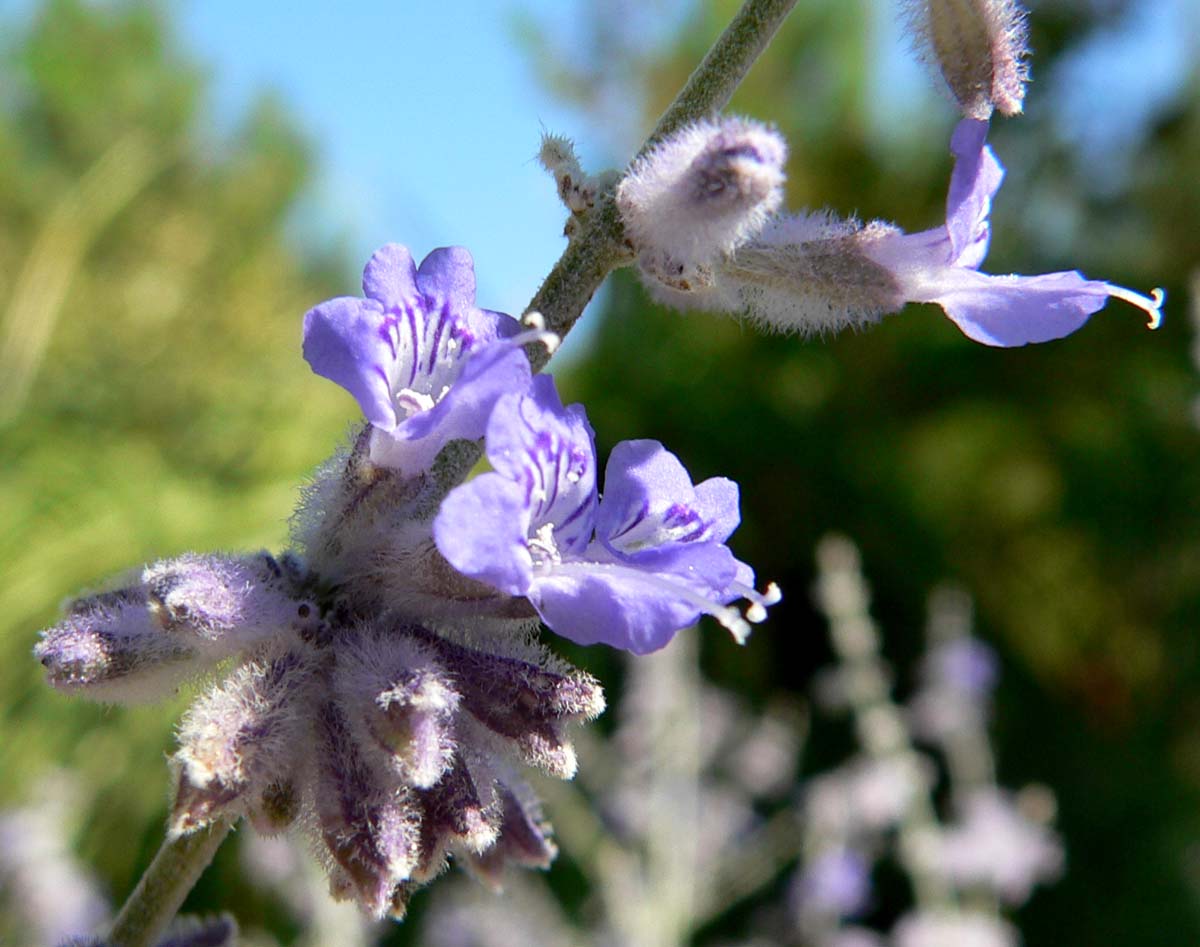
Chia (Salvia hispanica) is an annual flowering herb in the mint family native to central Mexico and Guatemala. It produces spikes of purple or white flowers followed by small, nutrient-dense seeds that absorb up to 12 times their weight in liquid.
Because chia requires a frost-free period of 120 to 180 days to mature seeds, gardeners in northern latitudes often cultivate it as a foliage annual, microgreen crop, or novelty Chia Pet.
Key Facts
- Light: Full sun with 6-8 hours direct daily
- Water: Low to moderate; drought-tolerant once established
- Soil: Well-drained sandy or loamy soil, pH 6.0-7.5
- Maturity: 120-180 days for seed harvest
- Toxicity: Non-toxic to humans and common pets
Is Chia Easy to Grow at Home?
Growing chia requires full sun and 120 to 180 frost-free days to yield a full crop of seeds. Outside warm warm-temperate or subtropical regions, early autumn frosts often arrive before seed heads finish maturing in October or November.
If you live in USDA zone 8 or cooler, you can cultivate chia as a leafy green herb, a container plant, or indoor microgreens sprouted on clay pottery figurines. The plants develop dense, mint-like foliage and attract native bees when flowers open in late summer.
- Suits warm climates with long, dry autumns
- Grown indoors anywhere for microgreens and sprouts
- Requires minimal organic fertilizer once established
How to Identify the Chia Plant
Chia develops into an upright herb growing 1 to 1.75 m (3.3 to 5.7 ft) tall with four-angled, square stems characteristic of the mint family. Stem surfaces are covered in fine, short hairs that release a subtle herbal aroma when bruised.
Opposite, oval leaves measure 4 to 8 cm (1.6 to 3.1 in) long and 3 to 5 cm (1.2 to 2.0 in) wide, featuring serrated margins and light green undersides. In late summer, terminal spikes 10 to 25 cm (4 to 10 in) long produce small blue, purple, or white flowers.
Small oval seeds measure 2 mm (0.08 in) in length with a marbled grey, brown, black, or white coat. When exposed to water, the outer coat forms a thick mucilaginous gel within 10 minutes.
Ideal Growing Conditions for Chia
Chia thrives in full sunlight with air temperatures between 18 and 30 °C (64 and 86 °F) and light, sharply draining soil. Cold temperatures below 10 °C (50 °F) halt plant growth entirely.
Native to volcanic ash soils in central Mexico, chia prefers sandy or loamy ground with a pH between 6.0 and 7.5. High soil moisture or heavy clay causes root rot quickly, especially during seedling emergence in spring.
- Sunlight: 6 to 8 hours of unfiltered direct sun daily
- Soil pH: 6.0 to 7.5 in gritty, free-draining soil
- Temperature: Extremely sensitive to frost; kill by light freezing
Sowing and Planting Chia Seeds
Direct-sow chia seeds outdoors after the last spring frost when soil temperatures reach at least 20 °C (68 °F). Early outdoor sowing in cold soil leads to poor germination and fungal rot.
Surface-sow the tiny seeds by scattering them over weed-free, loosened soil and pressing them gently down without covering them deeply, as light stimulates germination. Thin young seedlings to a final spacing of 30 to 45 cm (12 to 18 in) apart once they reach 5 cm (2 in) in height.
For sprouting on clay Chia Pets or shallow propagation trays, mix seeds with a small amount of water to form a gel paste, spread evenly over the moist surface, and keep in bright room light.
How Often to Water and Feed Chia
Water young chia seedlings twice weekly, then reduce to watering once every 10 to 14 days as mature plants develop drought tolerance. Overwatering is the primary cause of plant loss in garden beds.
Chia requires minimal soil nutrients to mature. Excess nitrogen fertilizer stimulates weak, leafy growth while delaying flower spike development and reducing final seed yield.
- Water gently until seedlings reach 15 cm (6 in) tall
- Allow top 5 cm (2 in) of soil to dry out completely between waterings
- Avoid high-nitrogen fertilizers after midsummer
Harvesting Chia Seeds and Leaves
Harvest chia seeds in autumn after most flower petals fall and the green calyces turn pale brown and dry. Do not wait for flower spikes to drop seeds on the ground.
Cut the drying flower heads, place them in paper bags, and store them in a dry, ventilated area for 7 to 10 days. Rub dried flower heads between your hands over a tray to release the seeds, then pour the mixture in front of a light fan to winnow away chaff.
Fresh young leaves can be picked continuously throughout summer to use fresh in salads or dried for herbal teas, similar to sweet basil (Ocimum basilicum).
Uses for Chia Seeds and Leaves
Whole seeds are eaten raw, soaked into chia seed pudding, or sprouted into leafy microgreens for salads and sandwiches. Historically, Aztec and Mayan warriors consumed seeds as a concentrated food source during long journeys.
Soaking 2 tablespoons of chia seeds in 120 ml (0.5 cup) of water or plant milk for 20 minutes forms a thick gel rich in soluble dietary fiber, omega-3 fatty acids, and protein. Native populations in Mexico traditionally mixed soaked chia seeds with fruit juice, lime, and water to prepare a refreshing drink called chia fresca.
- Chia seed pudding: Mix 1 part seeds with 4 parts liquid
- Egg substitute: 1 tablespoon ground chia plus 3 tablespoons water
- Sprouting: Harvest 5-day shoots from moist clay trays
Chia Pests and Common Diseases
Chia is naturally resistant to many insect pests due to essential oils in its foliage, but wet soil leads to damping-off and root rot. Planting in raised beds prevents water stagnation around root zones.
Sclerotinia stem rot and fungal wilt occur in crowded garden beds or excessively humid regions. Maintain generous plant spacing to allow air circulation around stems, and rotate crops annually with non-lamiaceous species like sweetcorn (Zea mays).
- Damping-off: Sowing seeds too deep in saturated ground
- Aphids: Target tender top growth; rinse off with strong water spray
- Stem rot: Induced by poor air drainage and high air humidity
Storing Chia Seeds for Long Shelf Life
Dried chia seeds remain viable and edible for 4 to 5 years when stored in sealed glass containers in a cool, dark room. Their natural antioxidant content protects internal oils from rancidity.
Ensure seeds are thoroughly dry (below 8% moisture content) before sealing them into glass jars or food-grade tins. Excess moisture in sealed containers invites mold growth within weeks.
Store containers away from direct sunlight and room temperatures exceeding 25 °C (77 °F) to preserve seed quality and nutritional value over time.
Seasonal Guide to Growing Chia
| Spring | Sow seeds indoors 4-6 weeks before the last frost, or direct-sow outdoors once soil temperatures reach 20 °C (68 °F). |
|---|---|
| Summer | Water establishing plants during dry spells, and thin crowded garden foliage to maintain good airflow around lower stems. |
| Autumn | Cut drying flower spikes when petals drop, thresh out mature seeds indoors, and store dried seeds in glass jars. |
| Winter | Grow microgreens indoors on sunny windowsills or terracotta figurines; clear outdoor beds of dead plant debris. |
Troubleshooting Common Chia Growing Problems
| What you see | Likely cause | What to do |
|---|---|---|
| Seedlings collapsing at base | Damping-off fungal disease from overwatering | Reduce watering frequency and sow in gritty, fast-draining potting mix. |
| No flower spikes appearing | Inadequate day length triggers or autumn frost killed foliage early | Start seeds indoors earlier in spring or grow in warm greenhouse conditions. |
| Chia Pet gel sliding off figurine | Seeds soaked too briefly before application | Soak seeds in water for 10 to 15 minutes until a thick paste forms before spreading. |
| Yellowing lower leaves | Waterlogged soil or root rot | Allow top 5 cm (2 in) of soil to dry out completely between waterings. |
Chia Cultivars and Types
- ‘Pinta’ – fast-maturing commercial cultivar bred for early seed harvest
- ‘White Chia’ – produces cream-white seeds with identical flavor to black types
Frequently Asked Questions
How do you make chia seed pudding?
Mix 3 tablespoons of chia seeds with 240 ml (1 cup) of milk or water, stir thoroughly to prevent clumps, and chill in the refrigerator for at least 2 hours. The hydrophilic seeds absorb liquid and form a thick gel structure.
Can chia seeds help with weight loss?
Chia seeds contain high amounts of soluble fiber and protein, which absorb water and expand in the stomach to promote feelings of fullness. Incorporating them into a balanced diet can support satiety alongside healthy dietary habits.
How do you grow a Chia Pet?
Soak the terracotta figurine in water for 24 hours, spread a pre-soaked chia seed paste evenly over the textured grooves, and fill the inner cavity with water. Keep the figurine filled with water in bright room light, and green sprouts will appear within 3 to 5 days.
What is the difference between Salvia hispanica and Salvia columbariae?
Salvia hispanica is native to Mexico and Guatemala with broader leaves and taller flower stems, while golden chia (Salvia columbariae) is native to southwestern North American deserts, growing shorter with round, prickly flower heads.
How do you soak chia seeds in water?
Add 1 part chia seeds to 9 or 10 parts water, stir well to prevent clumping, and let sit for 10 to 15 minutes. The seeds form a thick mucilaginous gel that can be consumed directly or added to beverages like chia fresca.
Information about traditional or historical uses is provided for educational interest only and is not medical advice. Do not use any plant to treat a condition without speaking to a qualified professional.
Sources & Verification
Taxonomy and distribution are checked against the databases below. Care guidance is written for cultivated species only and reviewed by our editor. How We Build Plant Profiles →