Plants in the Lamiaceae Family
96 plant profiles · Explore 58 plants in the Lamiaceae (mint) family, including sage, lavender, thyme, and basil, with practical care tips and botanical traits.
Members of the Lamiaceae family, commonly called the mint family, share three distinctive features: square stems, opposite leaf pairs, and aromatic glands on their foliage. Most species originate from the Mediterranean basin and temperate regions, ranging from low ground covers to climbing vines like bleeding heart vine (Clerodendrum thomsoniae).
Selecting the right species depends on your soil moisture and light levels. Dryland herbs such as spike lavender (Lavandula latifolia), common sage (Salvia officinalis), and creeping thyme (Thymus serpyllum) require full sun and well-draining soil with a pH of 6.5 to 7.5. Moisture-loving species like peppermint (Mentha piperita) demand consistent soil dampness and tolerate partial shade without losing vigor.
For border planting, taller perennials such as Russian sage (Salvia yangii) and bee balm (Monarda didyma) grow 0.9 to 1.5 m (3 to 5 ft) tall and produce nectar-rich blooms throughout summer. Tender species require winter protection when temperatures drop below 10 °C (50 °F).

African Potato
Coleus esculentus
☀️ Full Sun 💧 Moderate

American Mint
Mesosphaerum suaveolens
☀️ Full Sun 💧 Moderate

American Water Horehound
Lycopus americanus
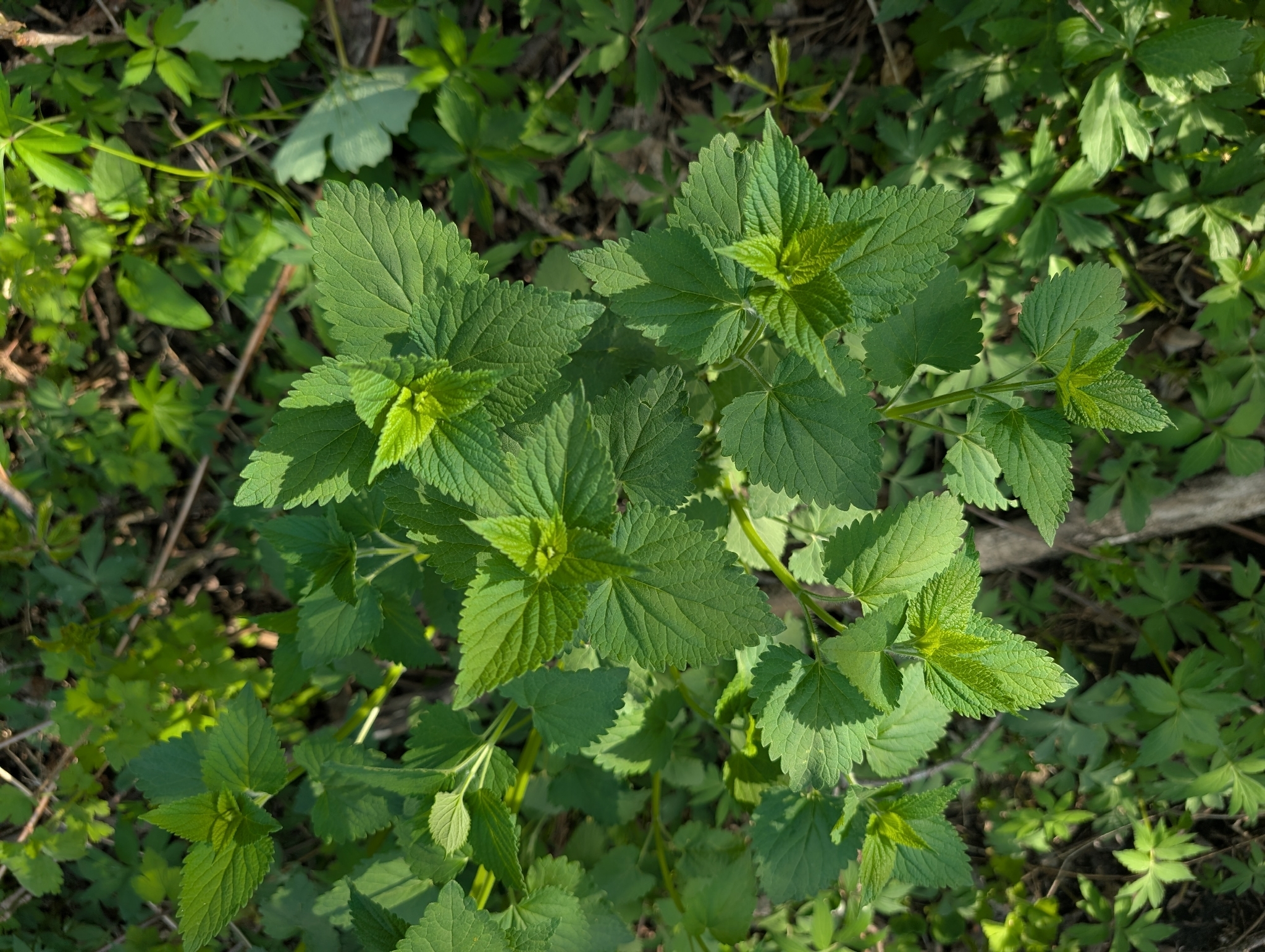
Anise Hyssop
Agastache foeniculum
☀️ Full Sun 💧 Low

Anise-Scented Sage
Salvia guaranitica
☀️ Full Sun 💧 Moderate

Apple Mint
Mentha suaveolens
☀️ Full Sun 💧 Moderate

Baikal Skullcap
Scutellaria baicalensis
☀️ Full Sun 💧 Low

Bee Balm
Monarda didyma
☀️ Full Sun 💧 High

Bible Hyssop
Origanum syriacum
☀️ Full Sun 💧 Low

Big Betony
Betonica macrantha
☀️ Full Sun 💧 Moderate

Black Horehound
Ballota nigra

Bleeding Heart Vine
Clerodendrum thomsoniae
☀️ Bright Indirect 💧 High
Broad-Leaved Thyme
Thymus pulegioides
☀️ Full Sun 💧 Low

Brown Sage
Salvia aurea
☀️ Full Sun 💧 Low

Bugleweed
Ajuga reptans
☀️ Partial Shade 💧 Moderate
Catmint
Nepeta faassenii
☀️ Full Sun 💧 Low

Catnip
Nepeta cataria
☀️ Full Sun 💧 Low

Chaste Tree
Vitex agnus-castus
☀️ Full Sun 💧 Low

Chia
Salvia hispanica
☀️ Full Sun 💧 Low

Chinese Chaste Tree
Vitex negundo
☀️ Full Sun 💧 Low

Chinese Potato
Coleus rotundifolius
☀️ Full Sun 💧 Moderate
Clary Sage
Salvia sclarea
☀️ Full Sun 💧 Low

Clove Basil
Ocimum gratissimum
☀️ Full Sun 💧 Moderate

Coast Germander
Teucrium cubense
Common Questions
How do you identify plants in the Lamiaceae family?
You can identify Lamiaceae plants by looking for square stems, opposite leaf arrangements, and aromatic foliage when crushed. Most members also produce irregular, two-lipped flowers arranged in whorls around the stem.
Are all Lamiaceae plants edible?
Not all Lamiaceae plants are safe for consumption, although the family contains major culinary herbs like rosemary, basil, and thyme. Certain ornamental species contain toxic compounds or bitter secondary metabolites that cause stomach upset.
Do Lamiaceae plants need full sun?
Most Mediterranean members of this family require 6 to 8 hours of direct sunlight per day to develop strong stems and concentrated essential oils. Shade-tolerant species like mints and self-heal perform well with 3 to 4 hours of filtered light.