Annual Plants: Identification, Care, and Species List
271 plant profiles · Learn about annual plants, their full life cycle from seed to set seed in one growing season, and how to choose the right annual species for your space.
Annual plants complete their entire vegetative and reproductive life cycle—germinating, flowering, setting seed, and dying—within a single growing season. Unlike perennials that store energy in underground root structures through winter, annuals direct all metabolic resources into rapid growth and high seed production. This strategy allows species to colonize disturbed ground, respond quickly to seasonal rainfall, or capitalize on warm summer months before frost terminates the parent plant.
Choosing annuals depends on your space and intended harvest or visual goal. Culinary and agricultural species like rocket (Eruca sativa), lemon basil (Ocimum americanum), and bread wheat (Triticum aestivum) require sun-drenched soil rich in organic matter to produce edible foliage and grains within 40 to 90 days. Ornamental annuals such as garden cosmos (Cosmos bipinnatus) and common zinnia (Zinnia elegans) bloom continuously from midsummer until the first hard frost at 0 °C (32 °F) if deadheaded weekly. Specialist species like greater quaking grass (Briza maxima) supply textural dried seed heads, while low mallow (Malva pusilla) fills open ground in dry, poor soils.
To succeed with annuals, match sowing timing to soil temperature. Cold-hardy annuals germinate when soil reaches 5-10 °C (41-50 °F) in early spring, whereas tender summer annuals require soil temperatures above 18 °C (65 °F). Consistent moisture during the first 3 weeks after germination ensures deep root establishment before summer heat sets in.

Adzuki Bean
Vigna angularis
☀️ Full Sun 💧 Moderate
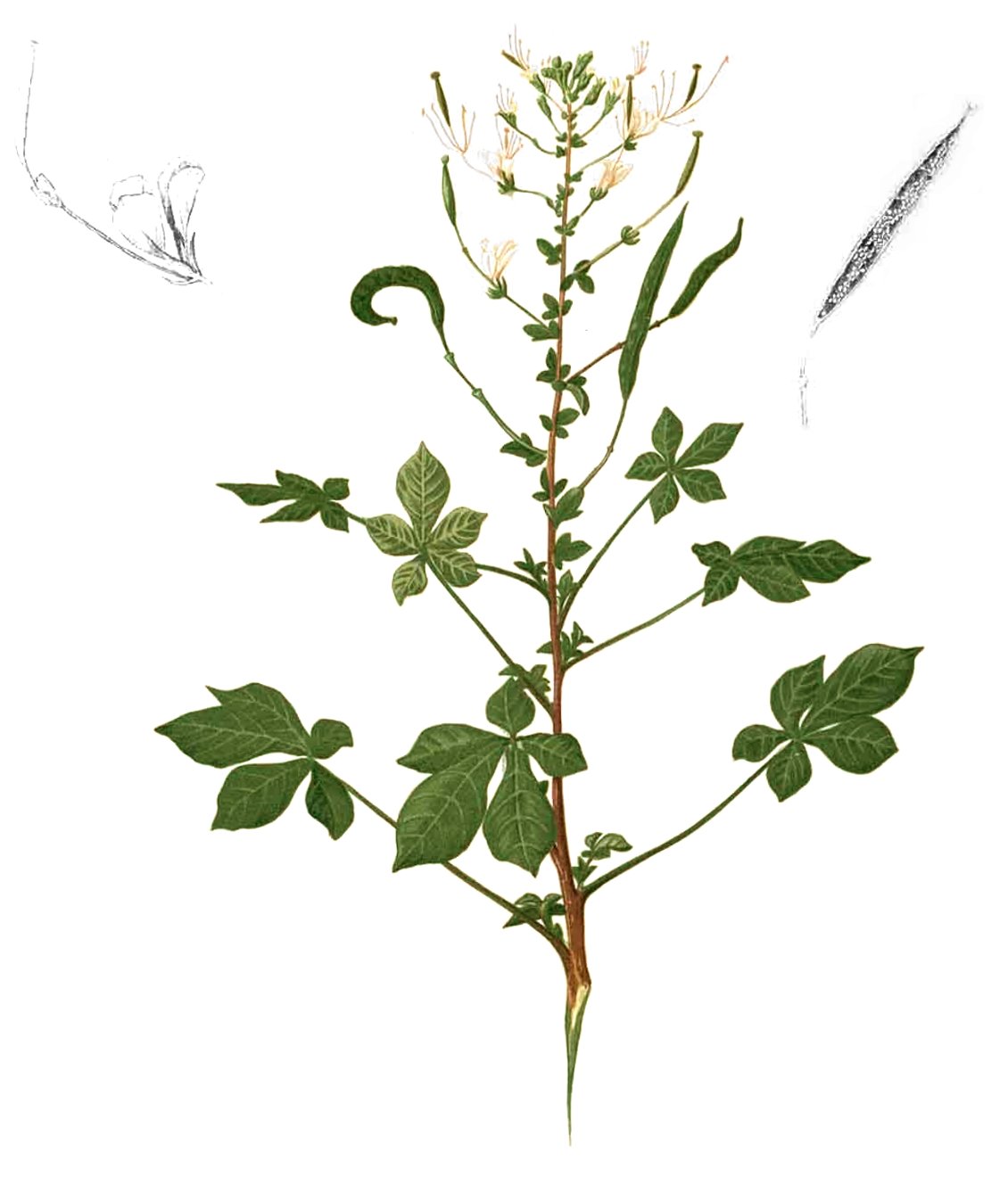
African Cabbage
Gynandropsis gynandra
☀️ Full Sun 💧 Moderate

African Marigold
Tagetes erecta
☀️ Full Sun 💧 Moderate
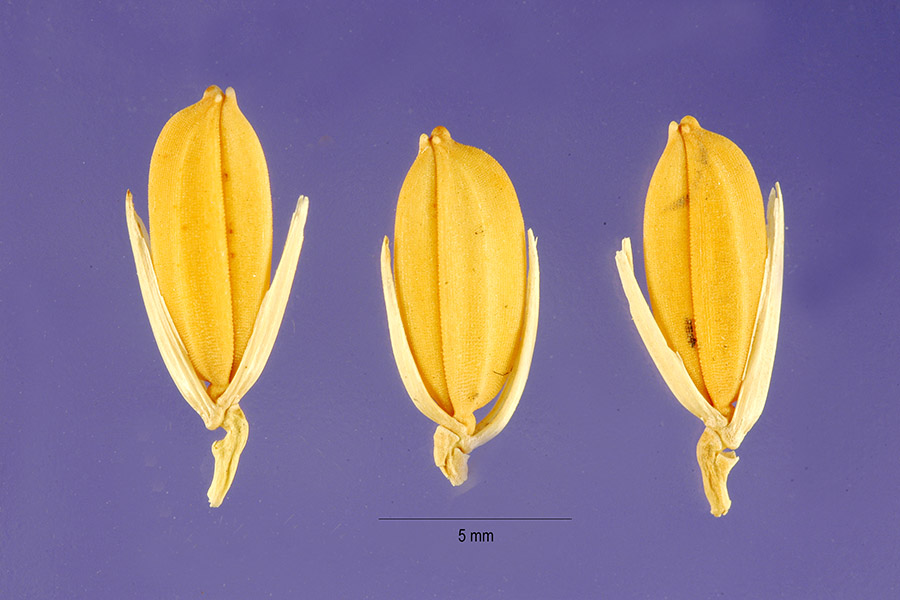
African Rice
Oryza glaberrima
☀️ Full Sun 💧 High
Ajwain
Trachyspermum ammi
☀️ Full Sun 💧 Moderate

Alyce Clover
Alysicarpus vaginalis
☀️ Full Sun 💧 Moderate

American Sicklepod
Senna obtusifolia
☀️ Full Sun 💧 Moderate

Animated Oat
Avena sterilis
Anise
Pimpinella anisum
☀️ Full Sun 💧 Moderate

Annual Baby’s Breath
Gypsophila elegans
☀️ Full Sun 💧 Moderate
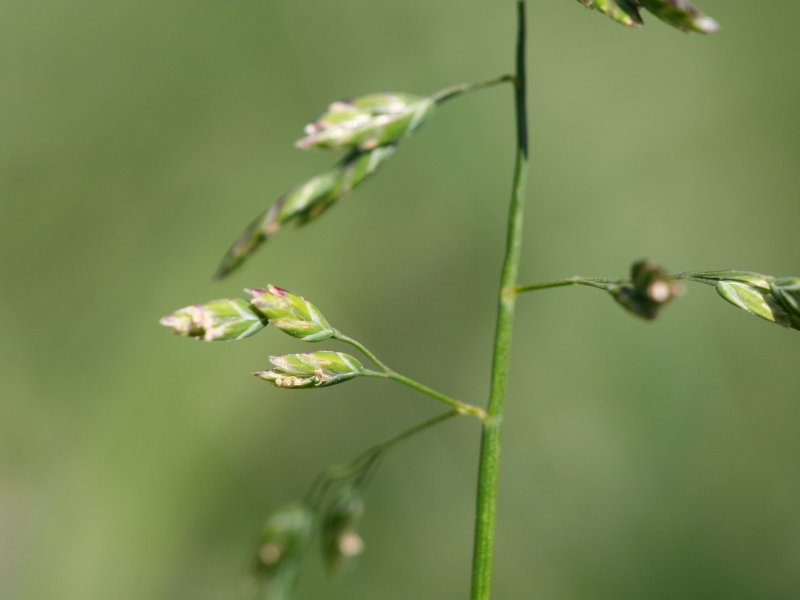
Annual Bluegrass
Poa annua

Annual Knawel
Scleranthus annuus
☀️ Full Sun 💧 Low

Annual Marshelder
Iva annua
☀️ Full Sun 💧 Moderate

Annual Phlox
Phlox drummondii
☀️ Full Sun 💧 Moderate
Annual Ryegrass
Lolium multiflorum
☀️ Full Sun 💧 Moderate

Annual Yellow Sweet Clover
Melilotus indicus
☀️ Full Sun 💧 Low

Apple of Peru
Nicandra physalodes
☀️ Full Sun 💧 Moderate

Arugula
Eruca vesicaria
☀️ Full Sun 💧 Moderate

Ash Gourd
Benincasa hispida
☀️ Full Sun 💧 High
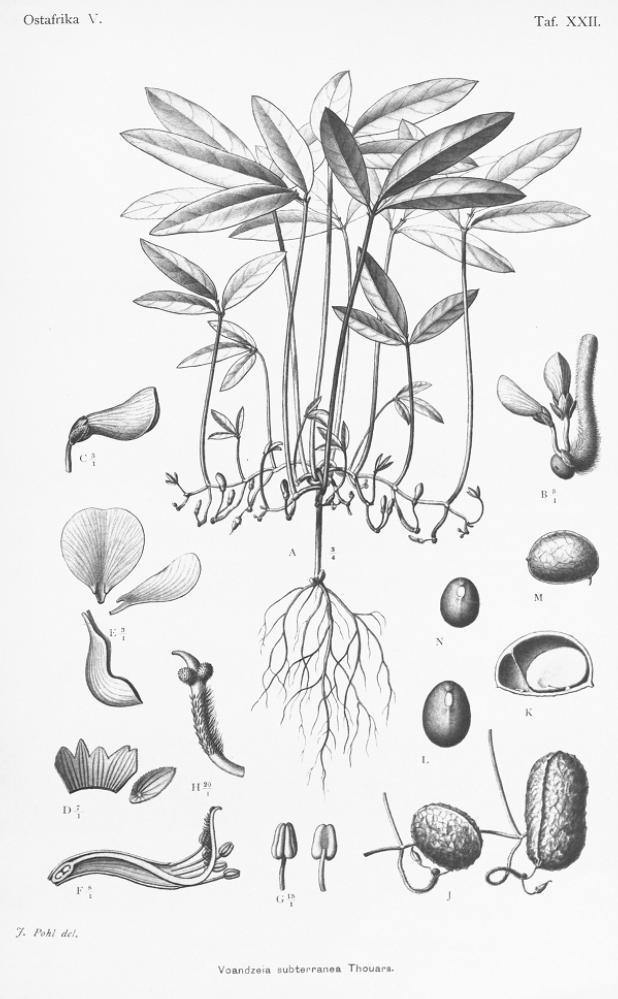
Bambara Groundnut
Vigna subterranea
☀️ Full Sun 💧 Moderate

Barley
Hordeum vulgare
☀️ Full Sun 💧 Moderate

Barnyard Grass
Echinochloa crus-galli
☀️ Full Sun 💧 High

Bathurst Burr
Xanthium spinosum

Bell Pepper
Capsicum annuum
☀️ Full Sun 💧 Moderate
Common Questions
What is the main difference between annual and perennial plants?
Annual plants live for only one growing season, completing their cycle from seed to seed production before dying, whereas perennials survive for three or more years.
Do annual plants come back every year?
No, individual annual plants do not return, but many self-sow by dropping seeds that germinate the following spring.
When should you plant annual seeds outdoors?
Sow hardy annual seeds 2-4 weeks before the last spring frost, and tender annual seeds after all danger of frost has passed when soil temperatures reach 18 °C (65 °F).