

Spearmint (Mentha spicata) is a hardy perennial herb in the mint family native to Europe and southern temperate Asia, characterized by lance-shaped, serrated green leaves and a distinct sweet aroma. Unlike pungent peppermint, its flavor comes primarily from the chemical compound carvone rather than high levels of menthol.
Its underground runners spread aggressively across open ground within a single growing season. Planting it directly into garden beds often leads to invasive colonization, making root containment in pots the standard method for home growers.
Key Facts
- Light: Full sun to partial shade (4–6 hours daily)
- Water: Keep soil evenly moist; never allow to dry completely
- Size: 30–90 cm (12–35 in) tall, spreading indefinitely
- Container size: Minimum 30 cm (12 in) diameter per plant
- Hardiness: USDA Zones 4 through 9
- Harvest: Cut stems just above a leaf node all season
Growing Spearmint in Your Garden
Spearmint is a vigorous perennial suited to gardeners who want a perpetual supply of fresh leaves with minimal fuss. It requires almost no specialist care, thriving in neglected corners, herb spirals, and patio pots alike. Its robust rhizomatous root system means it establishes quickly, producing harvestable foliage within weeks of planting.
The primary challenge is containing its vigorous growth. Without physical barriers, the root runners invade adjacent vegetable beds, lawn edges, and perennial borders, outcompeting shallow-rooted companion plants.
How to Identify Spearmint Plants
Identify spearmint by its square green stems, sessile lance-shaped leaves, and slender flower spikes. Leaves measure 5–9 cm (2–3.5 in) long and 1.5–3 cm (0.6–1.2 in) broad, with distinctly pointed tips, sharply serrated margins, and veins that appear slightly sunken into the upper surface.
You can differentiate spearmint from similar aromatic mints using specific botanical traits:
- Spearmint leaves: Attached directly to the stem without petioles (leaf stalks), unlike peppermint (Mentha × piperita), which features distinct leaf stalks.
- Flower arrangement: Flowers appear on narrow, tapered spikes 4–10 cm (1.5–4 in) long, colored pale violet, pink, or white, blooming from July to September.
- Scent profile: Crushed leaves release a sweet, warm aroma dominated by carvone, lacking the sharp, cooling menthol punch of water mint (Mentha aquatica).
- Leaf texture: Stems and leaves are glabrous or slightly hairy, whereas apple mint (Mentha suaveolens) displays dense, woolly foliage.
Ideal Growing Conditions
Spearmint performs best when given 4 to 6 hours of direct sunlight and fertile, moisture-retentive soil. While it tolerates full shade, low light leads to leggy stems and reduced essential oil production in the foliage. In hot southern climates, provide dappled afternoon shade to prevent scorched leaf margins.
Aim for a soil pH between 6.0 and 7.5. Incorporate compost or well-rotted leaf mold into the soil before planting to improve water-holding capacity, as sandy soils dry out too quickly for this moisture-loving species.
Sowing and Propagating Spearmint
The most reliable method to start spearmint is from cuttings or runner divisions rather than seed. Seeds sold commercially often produce variable offspring due to hybridization within the Mentha genus, frequently lacking the sweet flavor profile of established culinary selections.
To propagate vegetative stock reliably:
- Stem cuttings: Take 10 cm (4 in) softwood tip cuttings in late spring, strip the lower leaves, and place the stems in a glass of water on a warm windowsill until roots reach 2.5 cm (1 in).
- Root runner divisions: Dig up a 5–10 cm (2–4 in) section of underground stolon with visible nodes in early spring, bury it 2 cm (0.8 in) deep in fresh potting soil, and water thoroughly.
- Seed sowing: If growing from seed, sow indoors 6 to 8 weeks before the last spring frost on the surface of seed-starting mix; press seeds down lightly without covering them, as they require light to germinate.
- Germination timing: Maintain temperatures of 18–21 °C (65–70 °F); seedlings emerge in 10 to 15 days.
Spearmint Care Indoors and in Pots
When cultivating spearmint in pots, select a container with a minimum diameter of 30 cm (12 in) and drainage holes at the base. Potted specimens dry out rapidly during summer; check soil moisture daily and apply water until it drains freely from the bottom tray.
Indoor containers require placement on a bright south-facing or west-facing windowsill, receiving at least 5 hours of direct light daily, or beneath a fluorescent grow light set for 12 hours. Feed container plants every 4 weeks from April to August using a balanced liquid fertilizer diluted to half strength. Repot pot-bound root clumps every spring into fresh peat-free compost to keep leaf growth vigorous.
When and How to Harvest Spearmint
Begin harvesting leaves as soon as stems reach 15 to 20 cm (6 to 8 in) in height during late spring. Snip stems directly above a set of leaf nodes using sharp kitchen shears, which encourages the plant to branch and form a bushier habit.
Harvest in the morning after dew has evaporated but before the midday sun warms the garden, when volatile oil concentrations in the leaves peak. Never remove more than one-third of the plant’s total foliage in a single cutting. Once floral spikes develop in mid-summer, foliage flavor turns bitter; cut back flowering stems to ground level to stimulate a fresh flush of tender autumn leaves.
Culinary Uses and Herbal Tea
Fresh spearmint leaves are traditionally used in teas, savory lamb sauces, and fresh salads across Mediterranean, North African, and Middle Eastern cuisines. It serves as the primary green herb in Moroccan mint tea (Maghrebi), blended directly with green tea pearls and sugar, and forms the aromatic foundation of Cuban mojitos.
Historically, folk herbalists used spearmint infusions to soothe minor flatulence, morning nausea, and digestive cramps. The essential oil contains limonene, dihydrocarvone, and 1,8-cineole alongside carvone, which provide its characteristic flavor without the throat-chilling sensation of menthol-heavy herbs like catmint (Nepeta cataria).
Drying and Preserving Harvested Mint
Preserve spearmint leaves by air-drying whole stems in bundles or freezing chopped leaves in ice cube trays. Air-drying preserves the sweet carvone aromatic profile more effectively than high-heat dehydrators.
Choose from these reliable storage methods:
- Hanging bundles: Tie 6–8 stems together at the base and hang upside down in a warm, dark, ventilated room at 20–25 °C (68–77 °F) for 7 to 10 days until crisp.
- Freezing whole leaves: Lay washed, completely dried leaves in a single layer on a parchment-lined baking sheet, freeze for 2 hours, then transfer to an airtight freezer bag for up to 6 months.
- Oil or water cubes: Pack finely minced leaves into ice cube trays, fill with olive oil or cold water, and freeze for instant use in soups or stews.
- Airtight jars: Strip dried leaves from their stems and store whole inside amber glass jars away from direct sunlight; avoid crushing leaves until cooking to retain flavor.
Preventing Mint Rust and Pest Damage
The most damaging threat to spearmint is mint rust (Puccinia menthae), a fungal disease producing dusty orange, yellow, or brown pustules on leaf undersides. Severe infections cause distorted shoots, extensive leaf drop, and systemic spread through the root crowns.
Manage common health issues with these actions:
- Rust treatment: Cut infected stems entirely to ground level and dispose of them in municipal waste; never compost rusted foliage. In winter, pour boiling water over dormant crowns to kill overwintering fungal spores.
- Aphids and spider mites: Knock colonies off tender stem tips with a firm jet of water from a garden hose, or apply an insecticidal soap spray in the early evening.
- Powdery mildew: Thin out dense growth to improve airflow and water the base of the plant rather than the leaves to keep the canopy dry.
Frequently Asked Questions
What are the traditional benefits of spearmint tea?
Spearmint tea has been traditionally brewed to settle mild stomach discomfort, relieve gas, and ease minor headaches. Modern studies also investigate its mild anti-androgenic properties, though it is consumed primarily as a caffeine-free aromatic drink.
How do I stop spearmint from taking over my garden?
Grow spearmint in a container or submerge a bottomless plastic bucket 25–30 cm (10–12 in) deep into the soil. Physical barriers prevent underground horizontal runners from escaping into surrounding soil.
What is the difference between spearmint and peppermint?
Spearmint (Mentha spicata) contains high levels of carvone and very little menthol, giving it a sweet, mild flavor with stalkless leaves. Peppermint (Mentha × piperita) has petiolate leaves and contains up to 40% menthol, delivering a sharp, cooling sensation.
Why are my potted spearmint stems turning woody and bare?
Woody, bare stems occur when the plant becomes root-bound or needs cutting back. Shear the entire plant down to 5 cm (2 in) above the soil line and divide the root mass to stimulate vigorous young green shoots.
Can spearmint survive winter outside?
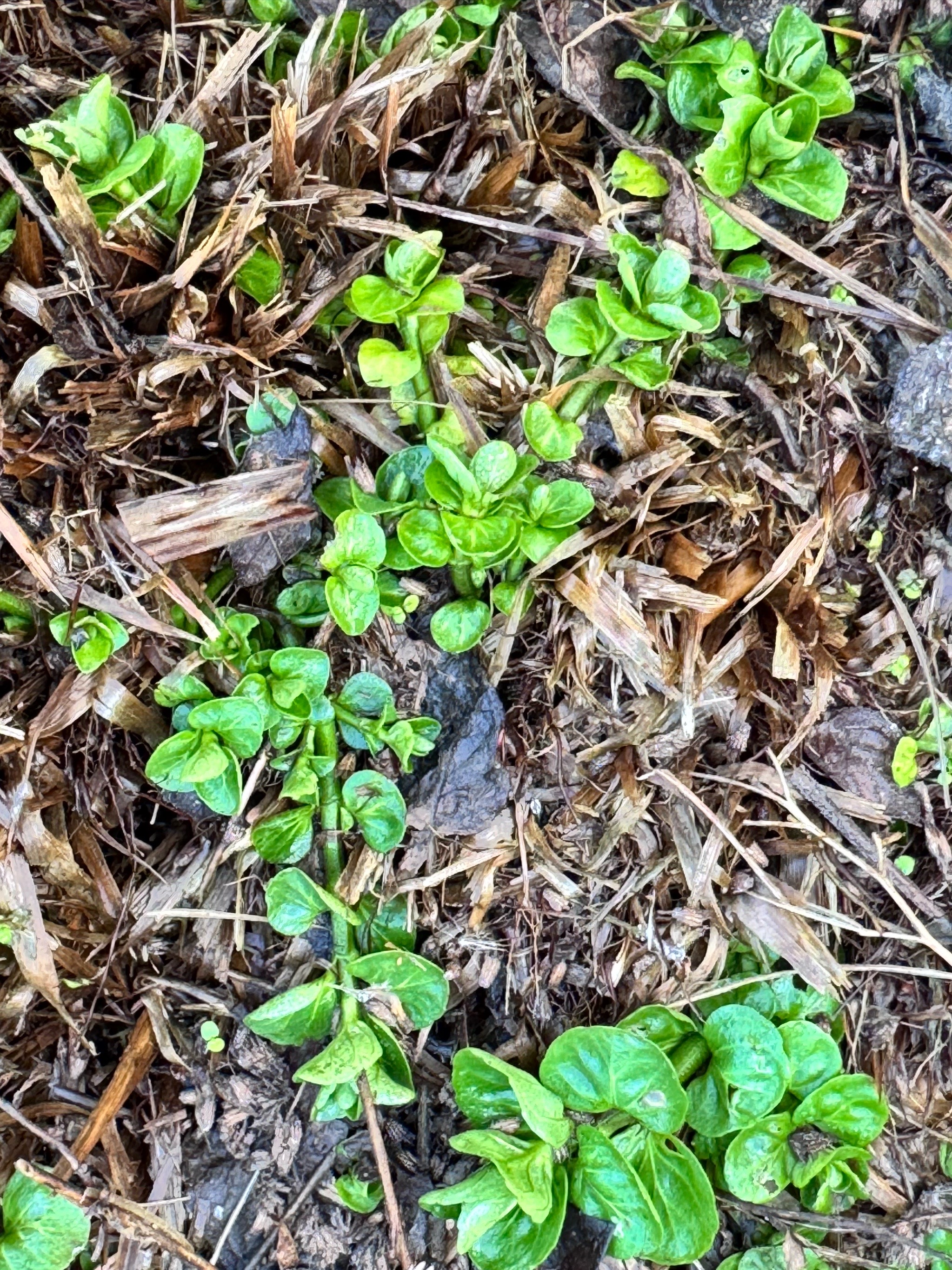
Yes, spearmint is winter-hardy down to USDA Zone 4 (-34 °C / -30 °F) and dies back to the ground after heavy frost. Roots remain dormant under the soil and send up fresh green shoots each spring.
Information about traditional or historical uses is provided for educational interest only and is not medical advice. Do not use any plant to treat a condition without speaking to a qualified professional.
Sources & Verification
Taxonomy and distribution are checked against the databases below. Care guidance is written for cultivated species only and reviewed by our editor. How We Build Plant Profiles →
- Royal Horticultural Societyrhs.org.uk
- Kew Plants of the World Onlinepowo.science.kew.org
- Missouri Botanical Gardenmissouribotanicalgarden.org
- North Carolina State Extension Plant Toolboxplants.ces.ncsu.edu
- GBIF — Global Biodiversity Information Facilitytaxonomy, synonyms, occurrence records
- Wikipediageneral reference
More in Mentha

Corn Mint
Mentha arvensis
☀️ Partial Sun 💧 Moderate

Apple Mint
Mentha suaveolens
☀️ Full Sun 💧 Moderate
Corsican Mint
Mentha requienii
☀️ Partial Shade 💧 High

Pennyroyal
Mentha pulegium
☀️ Full Sun 💧 High

Peppermint
Mentha piperita
☀️ Full Sun 💧 Moderate
Water Mint
Mentha aquatica
☀️ Full Sun 💧 High