

Pennyroyal (Mentha pulegium) is a low-growing, spreading perennial herb in the mint family native to Europe, North Africa, and the Middle East. It forms low mats of strongly scented leaves topped by whorled lilac flowers from July through September.
Although historically used in herbal preparations, all parts of the plant contain high concentrations of toxic pulegone, making ingestion dangerous. Underground stolons allow it to spread 60 cm (24 in) per season across moist soil.
Key Facts
- Plant Type: Herbaceous perennial groundcover
- Toxicity: Highly toxic to humans, dogs, and cats
- Height: 10–40 cm (4–16 in) tall
- Sunlight: Full sun to partial shade
- Hardiness: USDA Zones 6 to 9
- Spread: 30–100 cm (12–39 in) via runners
Growing Pennyroyal in Garden Spaces
Pennyroyal is best grown in enclosed containers or raised beds to restrict its invasive creeping growth. The plant colonizes wet ground quickly, sending out roots from creeping stems that contact damp earth.
Unlike spearmint (Mentha spicata) or peppermint (Mentha × piperita), pennyroyal stays closer to the ground, reaching heights of only 10–40 cm (4–16 in). Gardeners plant it in damp rockeries, along pond margins, or in pots set on patio pavers.
- Choose containers at least 25 cm (10 in) wide with low side profile.
- Sink bottomless buckets into flower beds to restrict lateral roots.
- Keep plants isolated from vegetable plots and culinary herb beds.
Recognising Pennyroyal Leaves and Flowers
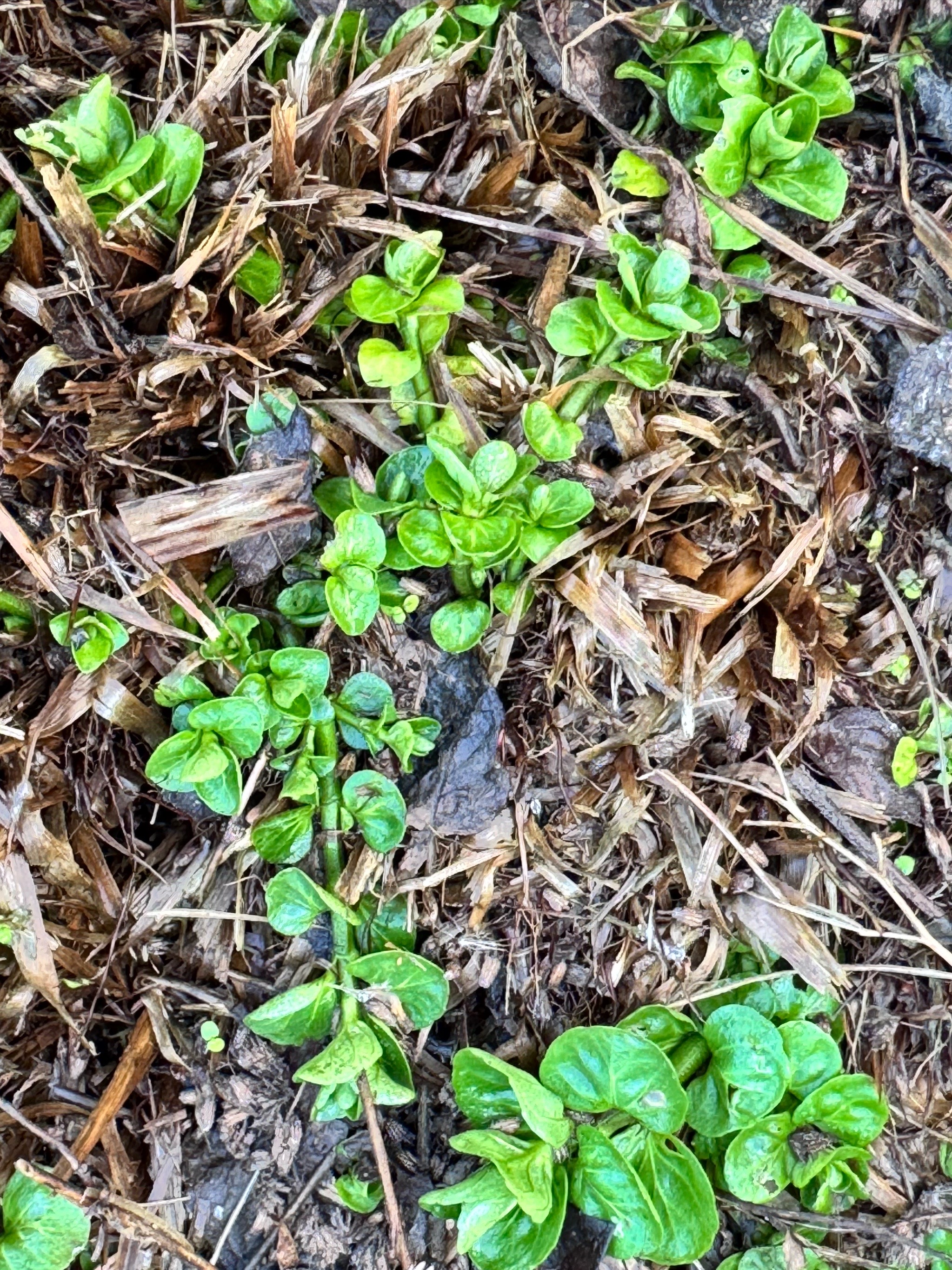
Pennyroyal is identified by its square creeping stems, small oval leaves, and dense axillary floral whorls. Leaves measure 1–2.5 cm (0.4–1.0 in) long, arranged in opposite pairs along hairy, reddish-green stems.
When crushed, the foliage releases an intense, pungent aroma reminiscent of spearmint mixed with camphor. In late summer, spherical clusters of tiny lavender to pinkish-purple blossoms wrap around upper leaf joints, attracting honeybees and native hoverflies.
Water mint (Mentha aquatica) features terminal, rounded flower heads, whereas pennyroyal sets distinct whorled rings spaced along extended stems. Corsican mint (Mentha requienii) is much smaller, rarely exceeding 2 cm (0.8 in) in total height.
Sunlight and Soil Requirements for Mentha pulegium
Pennyroyal requires full sun to partial shade paired with moisture-retentive soil to maintain lush leaf growth. Plants grown in full sun produce higher concentrations of volatile oils, though foliage scorches if soil dries out completely.
Soil pH should remain between 6.0 and 7.5. The species tolerates heavy clay, poorly drained hollows, and nutrient-poor soils where other herbs struggle to root.
- Provide 4 to 6 hours of sunlight daily for dense stem growth.
- Amend sandy soils with composted organic matter to hold water.
- Maintain soil temperatures between 15–25 °C (59–77 °F) during active growth.
How to Propagate and Sow Pennyroyal
Propagate pennyroyal by sowing seeds on soil surfaces at 18–21 °C (64–70 °F) or by taking stem cuttings in early spring. Seeds require light exposure for germination, which typically occurs within 10 to 14 days.
Stem cuttings root within 7 to 10 days when placed in clean water or moist potting mix. Root division is performed in spring by digging creeping runners and severing sections with attached roots.
- Press seeds into wet seedling mix without covering with soil.
- Take 8 cm (3 in) tip cuttings from non-flowering stems in May.
- Space transplanted root divisions 30 cm (12 in) apart.
Watering and Soil Moisture Management
Water pennyroyal whenever the top 2.5 cm (1 in) of soil feels slightly dry to the touch. The plant requires continuous moisture to prevent lower leaf yellowing and leaf drop.
Apply balanced liquid organic fertilizer diluted to half strength once every 4 to 6 weeks between April and August. Potted specimens dry out rapidly during hot summer spells and may require daily watering.
- Maintain damp soil throughout spring and summer.
- Reduce watering frequency in winter while roots are dormant.
- Avoid overhead watering late in the evening to discourage foliage diseases.
Gathering Pennyroyal Foliage Safely
Harvest pennyroyal leaves in late spring and early summer before flower buds open to capture peak essential oil concentrations. Trim the top 5–10 cm (2–4 in) of young stem growth using sharp pruners.
Wear gardening gloves when handling large quantities of foliage, as direct skin exposure to raw sap can cause mild irritation in sensitive individuals. Do not harvest pennyroyal leaves for culinary or internal tea preparation.
- Snip stem tips in the morning after dew has evaporated.
- Avoid cutting stems lower than 5 cm (2 in) above the root crown.
- Clear cut debris completely from ground level to deter fungal growth.
Historic Uses and Modern Non-Dietary Applications
Modern use of pennyroyal is strictly restricted to natural insect repellent sachets and groundcover planting due to severe toxicity risks. Historically, dried stems were strewn across floors in European households to deter fleas and lice.
In ancient Greek and Roman medicine, pennyroyal infusions were used traditionally as emmenagogues and digestives. Modern medical science warns against internal consumption because the active constituent, pulegone, converts into toxic metabolites that destroy liver tissues.
- Place dried leaf sachets in wardrobes to repel clothing moths.
- Tuck fresh stems near entryway mats to deter ants and fleas.
- Plant along garden borders to attract native pollinators.
Drying and Storing Extracted Leaves
Dry harvested pennyroyal stems by hanging bundles upside down in a dark room for 7 to 14 days. Maintain temperature around 20–24 °C (68–75 °F) with active airflow.
Once foliage crumbles easily, strip leaves from woody stems and store whole leaves in sealed glass containers away from direct sunlight. Stored dry leaves retain aromatic pest-repelling properties for up to 12 months.
- Label glass jars clearly with the species name and safety warnings.
- Store away from culinary spices to prevent accidental consumption.
- Discard dried herbs if mould or moisture accumulation occurs.
Controlling Pests and Fungal Diseases
Pennyroyal is vulnerable to mint rust fungus and powdery mildew when grown in humid conditions with limited air circulation. Pests like spider mites and aphids occasionally attack container-grown foliage.
Mint rust (Puccinia menthae) causes raised orange pustules on lower leaf surfaces, followed by dark brown spots and defoliation. Remove infected stems immediately to prevent fungal spore dispersal across nearby Lamiaceae plants.
- Prune dense growth to allow air movement through stem bases.
- Apply sulfur or copper-based sprays at first sign of rust infection.
- Treat spider mite infestations with insecticidal soap sprays.
Pennyroyal Through the Seasons
| Spring | Divide overgrown root mats in March. Apply 2 cm (0.8 in) layer of compost around roots and sow seeds at 18 °C (64 °F). |
|---|---|
| Summer | Water twice weekly during dry weather to maintain soil moisture. Shear back spent stem flowers in late August to control seed spread. |
| Autumn | Cut stems back to 5 cm (2 in) above soil level in October. Clear fallen leaf litter to eliminate overwintering fungal spores. |
| Winter | Protect outdoor container roots with straw wrap in regions colder than -10 °C (14 °F). Keep indoor potted soil barely damp. |
Diagnosing Pennyroyal Plant Problems
| What you see | Likely cause | What to do |
|---|---|---|
| Orange pustules beneath leaves | Mint rust fungal infection | Cut back affected stems completely to ground level and destroy the infected foliage. |
| White dusty coating on foliage | Powdery mildew from poor airflow | Increase spacing between pots and treat foliage with a copper-based fungicide spray. |
| Yellowing lower leaves and stem wilt | Waterlogging or root rot | Improve drainage in pots and allow upper soil layer to dry slightly between waterings. |
| Leggy, thin stems with wide leaf spacing | Insufficient light exposure | Relocate the plant to a position receiving at least 6 hours of sunlight daily. |
Cultivars of Pennyroyal
- ‘Save’ – dense dwarf growth with small leaves and high concentration of aromatic essential oils
- ‘Variegata’ – ornamental cultivar featuring cream and green patterned leaves with reduced growth rate
Frequently Asked Questions
Is pennyroyal a perennial?
Yes, pennyroyal is a herbaceous perennial in USDA zones 6 through 9. It dies back to ground level in freezing winter temperatures and shoots up new growth from creeping stolons in spring.
How to make pennyroyal tea?
You should not make or consume pennyroyal tea. The essential oils in pennyroyal foliage contain pulegone, a hepatotoxin that can trigger severe liver failure and organ damage.
Is pennyroyal invasive in garden beds?
Yes, pennyroyal spreads aggressively through horizontal stolons in moist soil and can overwhelm surrounding perennial species if grown outside root barriers.
How to identify pennyroyal compared to peppermint?
Pennyroyal (Mentha pulegium) grows low with tiny leaves 1–2.5 cm (0.4–1.0 in) long and whorled flower clusters, while peppermint (Mentha × piperita) grows taller with larger leaves and terminal flower spikes.
Does pennyroyal repel fleas and insects?
Yes, dried pennyroyal foliage releases pungent volatile oils containing pulegone that naturally repel fleas, ants, and moths when placed in cloth bags around entryways.
Information about traditional or historical uses is provided for educational interest only and is not medical advice. Do not use any plant to treat a condition without speaking to a qualified professional.
Sources & Verification
Taxonomy and distribution are checked against the databases below. Care guidance is written for cultivated species only and reviewed by our editor. How We Build Plant Profiles →
More in Mentha
Water Mint
Mentha aquatica
☀️ Full Sun 💧 High

Apple Mint
Mentha suaveolens
☀️ Full Sun 💧 Moderate

Peppermint
Mentha piperita
☀️ Full Sun 💧 Moderate

Spearmint
Mentha spicata
☀️ Full Sun 💧 Moderate
Corsican Mint
Mentha requienii
☀️ Partial Shade 💧 High

Corn Mint
Mentha arvensis
☀️ Partial Sun 💧 Moderate