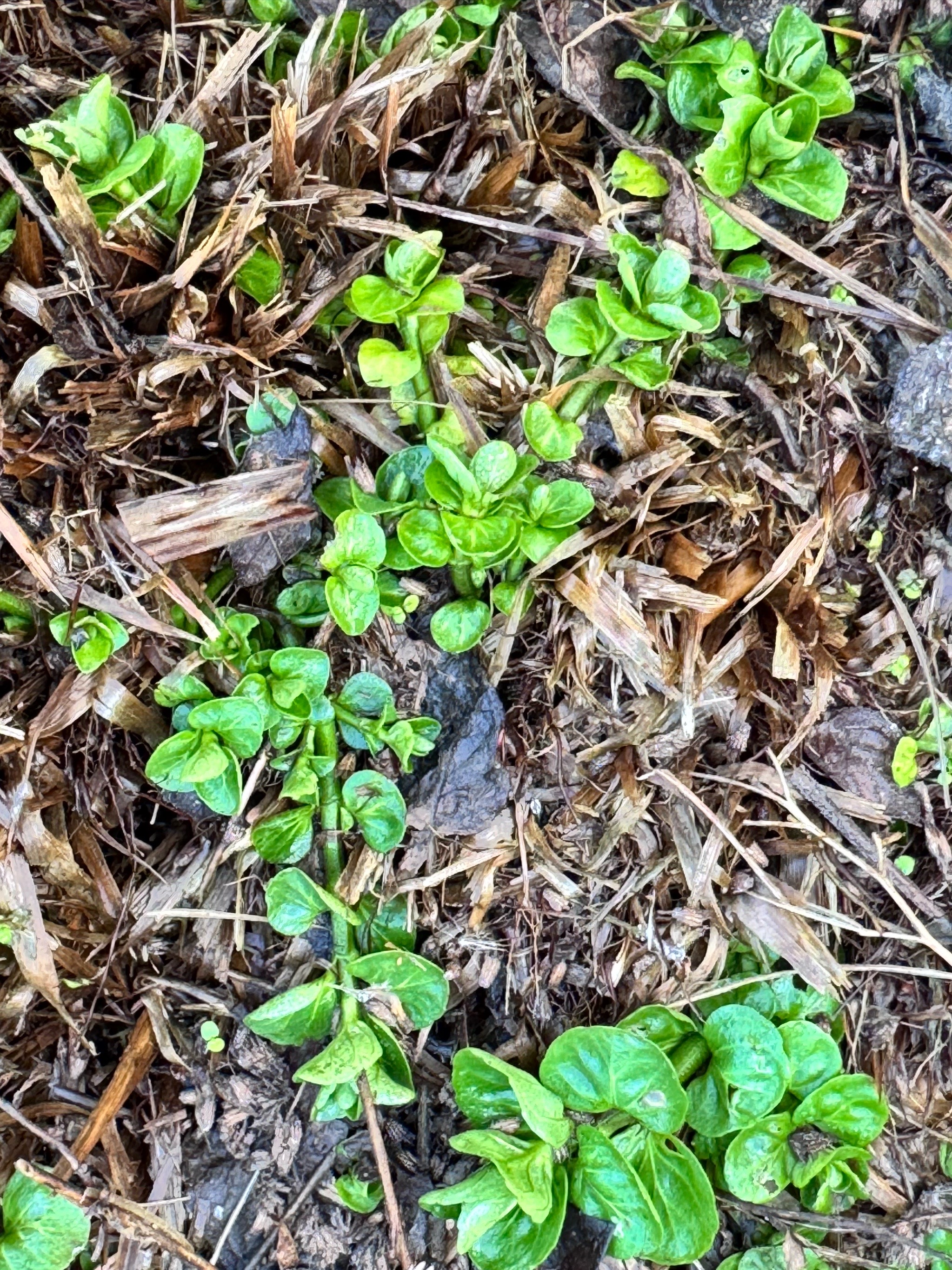
Corn mint (Mentha arvensis) is an aromatic perennial herb native across temperate regions of Europe, Asia, and North America. It spreads via underground stolons and produces whorled, pale purple flowers in late summer.
This species contains up to 85% L-menthol in its essential oil, making it the primary global source of commercial menthol crystal production. Plant its spreading roots in containers or lined beds to prevent unmanageable invasion across vegetable plots.
Key Facts
- Light: Full sun to light partial shade
- Water: Keep soil consistently moist but free-draining
- Hardiness: USDA zones 4 to 9
- Spread: Spreads aggressively via underground runners
- Menthol: Higher menthol concentration than peppermint
- Pet Safety: Toxic to cats and dogs if ingested
Fitting Corn Mint into Your Herb Bed
Corn mint thrives best in dedicated containers or root-barriered beds because its rhizomatous root network expands up to 100 cm (39 in) in a single season. It suits urban container gardens, raised culinary herb boxes, and damp soil edges where delicate herbs fail.
Because the roots colonise bare earth rapidly through runners, planting directly into unbordered soil leads to takeover within two years. Direct overhead sun enhances leaf oil density, so position containers where foliage receives at least 6 hours of sunlight daily.
- Plant in 30 cm (12 in) wide pots to restrict aggressive rhizome growth
- Sink bottomless buckets into soil beds leaving a 5 cm (2 in) rim above ground
- Pair with upright perennial crops that do not compete for low space
Identifying Features of Field Mint
Field mint reaches mature heights between 10 and 60 cm (4 and 24 in) with square, hairy stems and paired, downy leaf blades. Leaf margins feature shallow serrations, measuring 2 to 6 cm (0.8 to 2.4 in) in length on short petioles.
Unlike water mint (Mentha aquatica), which bears flowers in terminal spherical heads, corn mint produces tight whorls of pale lilac to pink flowers in the leaf axils along the stem. Peppermint (Mentha × piperita) develops elongated terminal flower spikes rather than axillary rings, allowing clear field differentiation.
- Square stems covered in short retrose hairs
- Ovate to elliptical leaves with distinct peppermint-menthol fragrance
- Axillary flower whorls spaced evenly along upper stem joints
- Small nutlet fruits maturing late in autumn
Soil and Light Conditions for Field Mint
Field mint requires rich, moisture-retentive soil with a pH between 6.0 and 7.5. It grows in full sun or light afternoon shade across USDA hardiness zones 4 through 9.
Stagnant water causes root rot, though this species tolerates damp ground better than Mediterranean herbs like thyme (Thymus vulgaris). Soil enriched with composted leaf mould maintains necessary structure while holding moisture during summer dry spells.
- Sustains leaf growth in full sun with consistent watering
- Tolerates partial shade but produces lower essential oil yields
- Requires soil depth of at least 20 cm (8 in) for root branching
Propagating Seed and Root Runners
Propagate field mint using runner cuttings taken in spring or autumn for the highest establishment success. While seeds germinate in 10 to 14 days at 18–21 °C (65–70 °F), plants raised from seed vary widely in menthol profile.
Root cuttings cut into 5–8 cm (2–3 in) sections with at least two node joints establish roots within two weeks when pressed flat into moist potting mix. Surface-sow seeds on fine soil without burying, as seeds require light exposure to break dormancy.
- Sow seeds indoors 6 to 8 weeks before late spring frost dates
- Divide established root mats every 3 years in early spring
- Root stem cuttings in water jars within 10 to 14 days
Watering and Feeding Requirements
Water corn mint whenever the top 2.5 cm (1 in) of potting soil feels completely dry to the touch. Container plants in summer heat require deep watering every 1 to 2 days to maintain leaf turgor and foliage growth.
Apply a balanced organic liquid fertiliser every 4 weeks from April through August. Excessive nitrogen fertilisation softens stems and dilutes essential oil concentrations, so avoid high-nitrogen synthetic feeds.
- Keep potted plants evenly moist throughout summer dry periods
- Mulch outdoor beds with 3 cm (1.2 in) leaf mould to retain moisture
- Trim back flowering stems by half in midsummer to stimulate fresh leaves
Harvesting Leaves and Shoots
Harvest corn mint foliage when flower buds first appear in July, when essential oil content peaks at nearly 2.5% wet weight. Cut whole stems 5 cm (2 in) above ground level using clean, sharp pruning shears.
Fresh leaves can be picked individually throughout spring and summer for immediate kitchen use. Regular harvesting prevents early woody stems and encourages dense lateral branching across the root crown.
- Harvest early in the morning after dew evaporates for maximum oil content
- Take up to three full harvests per season in warm climates
- Avoid taking more than two-thirds of top growth at a single cutting
Corn Mint Culinary Dishes and Oil Uses
Fresh corn mint leaves add a sharp, sweet menthol flavor to fresh salads, vegetable dishes, and herbal beverages when sliced into thin ribbons. The leaves pair with diced tomatoes, crumbled feta, cucumbers, and citrus dressings in Mediterranean recipes.
Commercial distillation generates corn mint oil, which contains up to 85% L-menthol compared to 30–50% in peppermint oil. Traditionally used in herbal teas for digestive comfort, corn mint oil also serves as a raw ingredient for rub balms and mint flavorings.
- Toss finely sliced leaves into tomato and feta salads
- Steep 5 fresh leaves in hot water for herbal infusions
- Drizzle leaf-infused olive oil over grilled zucchini or potatoes
Managing Mint Rust and Common Garden Pests
Mint rust (Puccinia menthae) stands out as the primary disease of field mint, causing orange pustules on leaf undersides in early summer. Infected stems turn distorted and drop foliage prematurely if left untreated.
Prevent rust fungal spores by watering at the soil level rather than over foliage. Spider mites and aphids occasionally attack foliage during hot dry spells, which you can control with insecticidal soap sprays or strong water jets.
- Cut down rust-infected plants completely to ground level and discard debris
- Space plants 30–45 cm (12–18 in) apart to ensure air movement
- Wash off early aphid clusters with morning hose sprays
Drying and Preserving Methods
Dry harvested corn mint stems by hanging small bundles upside down in a dark room at 20–25 °C (68–77 °F) for 7 to 10 days. Leaf color remains bright green when dried away from direct sunlight.
Strip dried leaves from stems and store whole in airtight glass jars away from heat and light for up to 12 months. Alternatively, freeze whole fresh leaves in ice cube trays submerged in water or olive oil for winter cooking.
- Dehydrate leaves at 35–40 °C (95–104 °F) in food dehydrators for 4 hours
- Store dried leaves whole; crush right before adding to dishes
- Label glass jars with harvest date to monitor potency
Frequently Asked Questions
What is the culinary difference between corn mint oil and peppermint oil?
Corn mint oil contains a higher concentration of L-menthol (up to 85%) compared to peppermint oil, which usually contains 30–50%. Corn mint oil tastes sharper and more pungently mentholated, whereas peppermint oil has a sweeter, smoother profile.
How do you distinguish corn mint from water mint?
Corn mint forms distinct whorls of flowers in the leaf axils along the stem, whereas water mint (Mentha aquatica) produces dense, rounded flower heads exclusively at the stem tips.
Is corn mint oil safe or toxic for dogs and cats?
Corn mint essential oil is toxic to both cats and dogs if ingested, inhaled in high concentrations, or applied to skin. Menthol and essential oil compounds cause gastrointestinal distress and central nervous system depression in pets.
Is corn mint the same plant as peppermint?
No, corn mint and peppermint (Mentha × piperita) are distinct species. Peppermint is a sterile hybrid between water mint and spearmint (Mentha spicata) with terminal flower spikes, while corn mint is a naturally occurring species with flowers along its leaf axils.
How do you prepare corn mint foliage for salad recipes?
Wash fresh corn mint leaves in cold water, pat dry, and slice them into thin ribbons just before serving. Combine with diced tomatoes, crumbled feta, cucumbers, extra virgin olive oil, and lemon juice.
Information about traditional or historical uses is provided for educational interest only and is not medical advice. Do not use any plant to treat a condition without speaking to a qualified professional.
Sources & Verification
Taxonomy and distribution are checked against the databases below. Care guidance is written for cultivated species only and reviewed by our editor. How We Build Plant Profiles →