
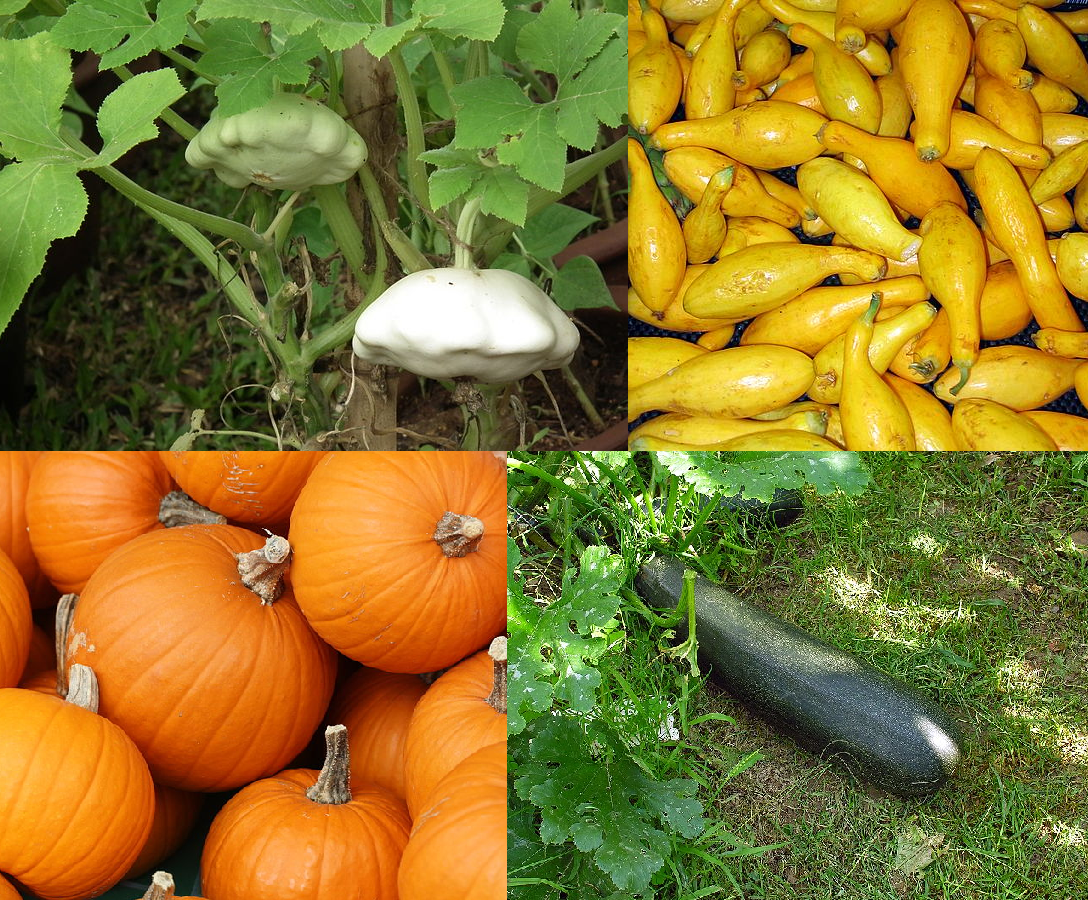
Zucchini (Cucurbita pepo) is a warm-season annual squash in the family Cucurbitaceae, domesticated in Mesoamerica thousands of years ago. Bush cultivars dominate modern gardens, producing cylindrical or round summer squashes picked before maturity.
High fruit production requires consistent soil moisture and temperatures above 21 °C (70 °F). A single productive plant yields between 3 and 5 kg (7 and 11 lb) of fruit over a six-week summer harvesting window.
Key Facts
- Light: 6-8 hours of direct sun daily
- Germination Temp: Minimum 18 °C (65 °F) in soil
- Watering: 2.5–5 cm (1–2 in) per week
- Harvest Time: 45-60 days from sowing
- Plant Spacing: 60-90 cm (24-36 in) apart
Growing Zucchini: What to Expect in the Garden
Zucchini requires a 60 to 90 cm (24 to 36 in) garden footprint per plant and produces edible fruits within 50 days of germination. It fits well into raised beds, traditional vegetable plots, and containers of at least 19 L (5 gal) capacity.
Bush varieties grow upright rather than creeping along the ground like winter squashes. Their rapid development means garden beds must be prepared with organic matter before planting to sustain heavy fruiting throughout midsummer.
Identifying Zucchini Plants, Flowers, and Leaves
Zucchini forms a compact bush 45 to 90 cm (18 to 36 in) high with large, palmately lobed green leaves up to 30 cm (12 in) across that often display natural silver mottling. Stems and leaf stalks carry stiff, prickly hairs called trichomes.
Golden yellow trumpet flowers measuring 8-10 cm (3-4 in) wide appear in early summer. Male flowers grow on thin stalks, while female flowers sit atop a miniature immature fruit. Fruits are cylindrical or spherical with green, yellow, or striped skin and tender cream-coloured flesh.
Gardeners often contrast zucchini with cucumber (Cucumis sativus). Cucumbers grow on trailing vines with climbing tendrils, possess smaller leaves 10 to 15 cm (4 to 6 in) wide, and bear narrower fruits with rougher, spiny skin.
Ideal Soil and Light Conditions for Zucchini
Zucchini plants need 6 to 8 hours of direct sunlight daily and fertile, well-draining soil with a pH of 6.0 to 6.8. Cold soil causes seed rot, so outdoor planting must wait until soil temperatures reach at least 18 °C (65 °F).
Prepare planting beds by incorporating 5 to 10 cm (2 to 4 in) of compost or well-rotted manure into the top 20 cm (8 in) of soil. Warm temperatures between 21 °C and 32 °C (70 °F and 90 °F) trigger optimal growth rates during summer.
Sowing Zucchini Seeds and Transplanting
Sow zucchini seeds 2.5 cm (1 in) deep directly into outdoor garden beds 2 weeks after the last expected spring frost. Seeds germinate rapidly within 7 to 10 days when soil moisture remains consistent.
If starting indoors, sow seeds in biodegradable peat pots 3 weeks before the last frost date. Zucchini roots suffer transplant shock when disturbed, so plant the entire peat pot directly into the ground once weather warms.
- Sowing Depth: 2.5 cm (1 in)
- In-Row Spacing: 60-90 cm (24-36 in)
- Row Distance: 90-120 cm (36-48 in)
- Container Size: Minimum 30 cm (12 in) depth per plant
Essential Zucchini Care and Pruning Guide
Apply 2.5 to 5 cm (1 to 2 in) of water weekly around the base of the plant to keep root zones consistently moist. Avoid overhead watering because wet leaves encourage fungal pathogens like powdery mildew (Erysiphe cichoracearum).
Side-dress plants with balanced organic fertilizer when the first blossoms open. Repeat every 3 weeks to maintain continuous flower production throughout summer.
Prune lower leaves that show signs of yellowing or lie flat on wet soil using clean pruning shears. Removing 3 to 5 lower foliage branches improves airflow through the plant center and helps insect pollinators reach open flowers.
How and When to Harvest Zucchini
Harvest zucchini when fruits reach 15 to 20 cm (6 to 8 in) in length while skin remains glossy and tender enough to mark with a thumbnail. Overly mature fruits exceed 30 cm (12 in), develop tough seeds, and slow down future blossom development.
Cut fruits from the main stem using a sharp knife, leaving 2.5 cm (1 in) of stem intact on the fruit. Pulling or twisting fruits can snap the plant stem and destroy future yields. Harvest every 2 to 3 days during peak midsummer production.
Culinary Uses and Edible Blossoms
Zucchini acts as a versatile culinary summer vegetable that can be consumed raw, sautéed, grilled, roasted, or baked into cakes and breads. The flesh consists of 95% water and provides vitamins C and B6.
Both male and female yellow blossoms are edible. Pick male blossoms early in the morning, leaving 1 or 2 per plant for pollination, then stuff them with cheese or fry them in light batter.
Common Zucchini Diseases and Pests
Powdery mildew and squash vine borers represent the primary threats, leading to yellow leaves and rapid stem wilt. Inspect leaf undersides weekly to catch problems early.
Leaf yellowing stems from nitrogen deficiency, waterlogged roots, or viral infections spread by aphids. Address foliage issues quickly to prevent vine decline.
- Powdery Mildew: White powder on leaves — apply neem oil and water soil directly.
- Squash Vine Borer: Sudden wilting with sawdust on lower stem — slit stem, remove borer larva, and cover stem with soil.
- Squash Bugs: Cluster of bronze eggs under leaves — scrape off eggs and spray nymphs with insecticidal soap.
- Blossom End Rot: Dark sunken spots on fruit tips — maintain uniform watering and ensure adequate soil calcium.
Storing Fresh Zucchini and Preserving Harvests
Store unwashed zucchini in a paper or perforated plastic bag inside the refrigerator crisper drawer at 7 to 10 °C (45 to 50 °F) for up to 10 days. Keep skin dry to prevent surface mold.
For long-term storage, slice fruit into 1 cm (0.5 in) rounds, blanch in boiling water for 2 minutes, plunge into an ice bath, and dry thoroughly. Pack blanched slices into airtight freezer bags for preservation up to 12 months.
Frequently Asked Questions
Is zucchini botanically a fruit or a vegetable?
Zucchini is botanically a fruit—specifically a pepo berry—because it develops from a flower and contains seeds. In culinary contexts, it is treated as a vegetable due to its savoury flavor profile and cooking applications.
How do you pronounce zucchini?
Zucchini is pronounced zoo-KEE-nee. The word originates from the Italian word zucchina, meaning small squash.
What is the difference between zucchini and cucumber?
Zucchini (Cucurbita pepo) grows on compact bush plants with broad leaves and has warm, dense flesh that is usually cooked, whereas cucumber (Cucumis sativus) grows on climbing vines with tendrils and has crisp, watery flesh typically eaten raw.
Why are my zucchini leaves turning yellow?
Zucchini leaves turn yellow from overwatering, poor drainage, nitrogen deficiency, or fungal infections like powdery mildew. Check that the top 2.5 cm (1 in) of soil dries out between waterings and apply a balanced liquid fertilizer.
Can you grow zucchini in a pot?
Yes, zucchini grows well in pots that hold at least 19 to 28 L (5 to 7 gal) of soil with bottom drainage holes. Pick compact bush cultivars like 'Eight Ball' and water daily in high summer heat.
Sources & Verification
Taxonomy and distribution are checked against the databases below. Care guidance is written for cultivated species only and reviewed by our editor. How We Build Plant Profiles →

