Vegetable Plants: Cultivation, Types, and Profiles
86 plant profiles · Explore vegetable plant profiles covering leafy greens, root crops, and warm-season fruits with precise light, soil, and harvest data.
Vegetable plants encompass edible roots, stems, leaves, flowers, and fruits from over 30 distinct botanical families. Unlike botanically defined fruits, these crops are categorized by their culinary application and harvested during vegetative or early reproductive growth. To choose the right species for your space, evaluate your frost-free growing window, daily direct light, and soil depth.
Root and tuber vegetables require loose soil with a pH between 6.0 and 6.8 to expand without obstruction. Deep-rooting species like sweet potato (Ipomoea batatas), potato (Solanum tuberosum), and turnip (Brassica rapa) rely on consistent soil moisture and potassium to store starch underground. Perennials such as rhubarb (Rheum rhabarbarum) remain productive for 10 to 15 years, requiring an winter chill period below 5 °C (40 °F) to break dormant bud cycles.
Leafy and fruiting crops demand distinct thermal ranges and light hours. Cool-season crops like celery (Apium graveolens) and pea (Lathyrus oleraceus) bolt when temperatures exceed 24 °C (75 °F). Warm-season species like bell pepper (Capsicum annuum) and butternut squash (Cucurbita moschata) require soil temperatures above 18 °C (65 °F) to set fruit reliably. Understanding life cycles—annual, biennial, or perennial—dictates crop rotation schedules, fertility programs, and bed management.

African Potato
Coleus esculentus
☀️ Full Sun 💧 Moderate
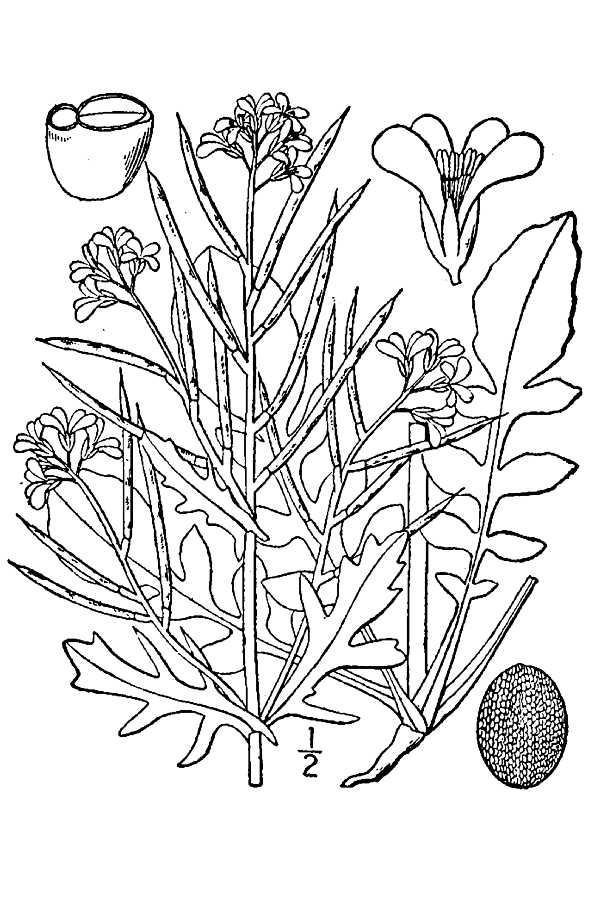
American Cress
Barbarea verna
☀️ Partial Shade 💧 Moderate

Arrowroot
Maranta arundinacea
☀️ Partial Shade 💧 High

Arugula
Eruca vesicaria
☀️ Full Sun 💧 Moderate

Ash Gourd
Benincasa hispida
☀️ Full Sun 💧 High

Asparagus
Asparagus officinalis
☀️ Full Sun 💧 Moderate
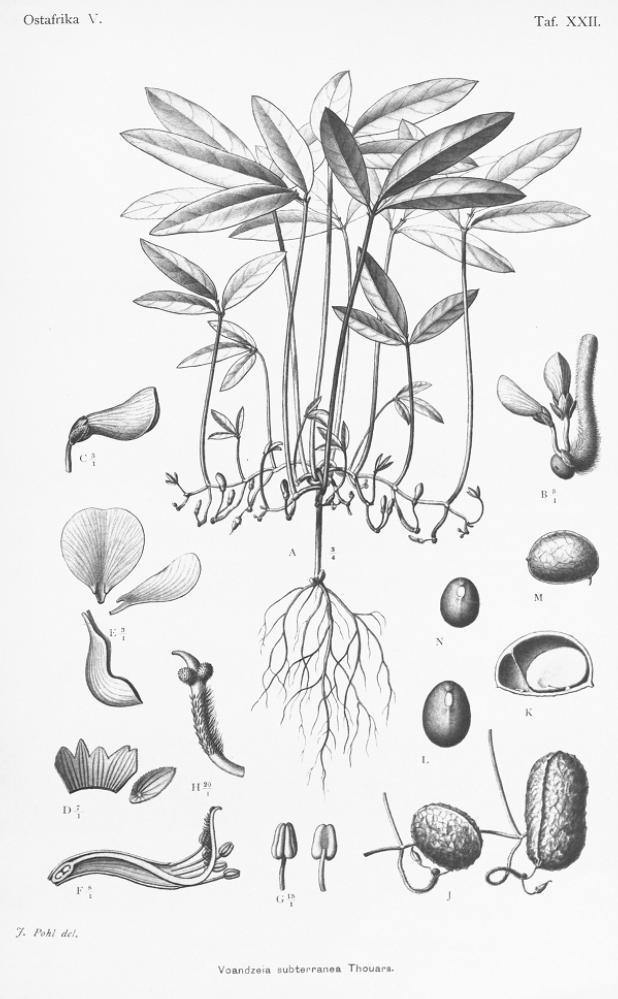
Bambara Groundnut
Vigna subterranea
☀️ Full Sun 💧 Moderate

Beetroot
Beta vulgaris
☀️ Full Sun 💧 Moderate

Bell Pepper
Capsicum annuum
☀️ Full Sun 💧 Moderate
Black Mustard
Brassica nigra
☀️ Full Sun 💧 Moderate

Black Salsify
Pseudopodospermum hispanicum
☀️ Full Sun 💧 Moderate
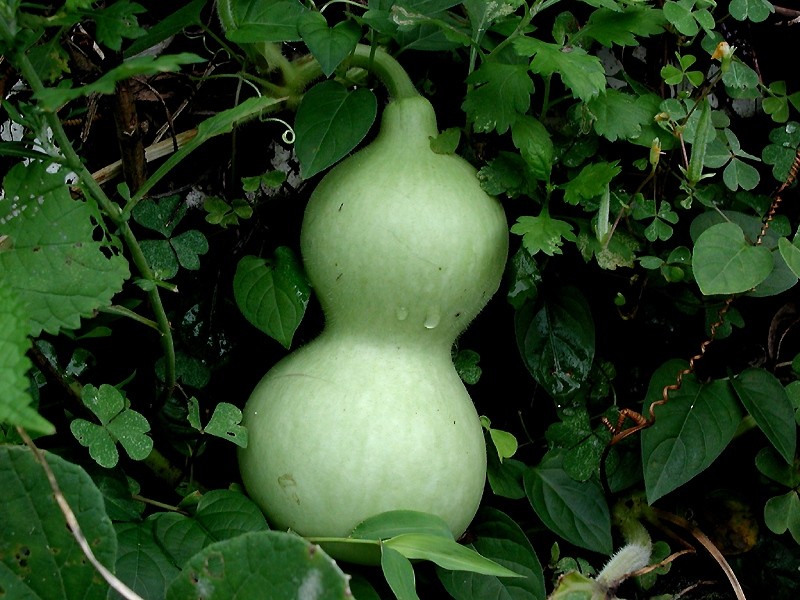
Bottle Gourd
Lagenaria siceraria
☀️ Full Sun 💧 High

Broad Bean
Vicia faba
☀️ Full Sun 💧 Moderate

Butternut Squash
Cucurbita moschata
☀️ Full Sun 💧 Moderate

Cabbage
Brassica oleracea
☀️ Full Sun 💧 Moderate

Carrot
Daucus carota
☀️ Full Sun 💧 Moderate

Cassava
Manihot esculenta
☀️ Full Sun 💧 Moderate

Celery
Apium graveolens
☀️ Full Sun 💧 High

Chickpea
Cicer arietinum
☀️ Full Sun 💧 Low

Chicory
Cichorium intybus
☀️ Full Sun 💧 Moderate

Chinese Water Chestnut
Eleocharis dulcis
☀️ Full Sun 💧 Aquatic

Common Bean
Phaseolus vulgaris
☀️ Full Sun 💧 Moderate
Common Sorrel
Rumex acetosa
☀️ Full Sun 💧 Moderate
Cornsalad
Valerianella locusta
☀️ Full Sun 💧 Moderate
Common Questions
What defines a plant as a vegetable?
A vegetable is defined as any edible plant part—including roots, stems, leaves, bulbs, or undeveloped flower buds—harvested primarily for savory culinary preparation.
Which vegetables grow best in low-light conditions?
Leafy vegetables like celery require a minimum of 3 to 4 hours of direct sunlight daily, whereas fruiting and root crops demand 6 to 8 hours.
What is the difference between cool-season and warm-season vegetables?
Cool-season vegetables thrive in air temperatures of 13-18 °C (55-65 °F), while warm-season crops require sustained temperatures between 21-29 °C (70-85 °F) to set fruit.
How long do perennial vegetable crops produce yields?
Perennial vegetables like rhubarb produce edible crops for 10 or more years when established in well-draining soil free from standing water.