Butternut squash (Cucurbita moschata) is a trailing, heat-loving annual crop native to the tropical Americas, valued for its smooth tan fruit and rich orange flesh. Unlike summer squashes, it produces dense, hard-rinded winter squash that keeps for months after harvest.
A single vigorous vine requires 2 to 3 m (6 to 10 ft) of running space and needs a long, frost-free growing season of 100 to 120 days to mature fully.
Key Facts
- Growing Season: 100 to 120 frost-free days
- Soil Temperature for Sowing: Minimum 21 °C (70 °F)
- Sun Requirements: Full sun (minimum 6 hours direct daily)
- Water Needs: 25 to 50 mm (1 to 2 in) per week
- Fruit Yield: 3 to 6 fruits per healthy plant
Growing Space and Garden Fit
Butternut squash demands large garden beds or sturdy vertical supports to accommodate vigorous vines that routinely spread up to 4.5 m (15 ft). Because it requires warmth and takes up considerable ground area, it suits allotment gardeners, raised bed growers with perimeter trellises, or home vegetable patches in warm, sunny microclimates.
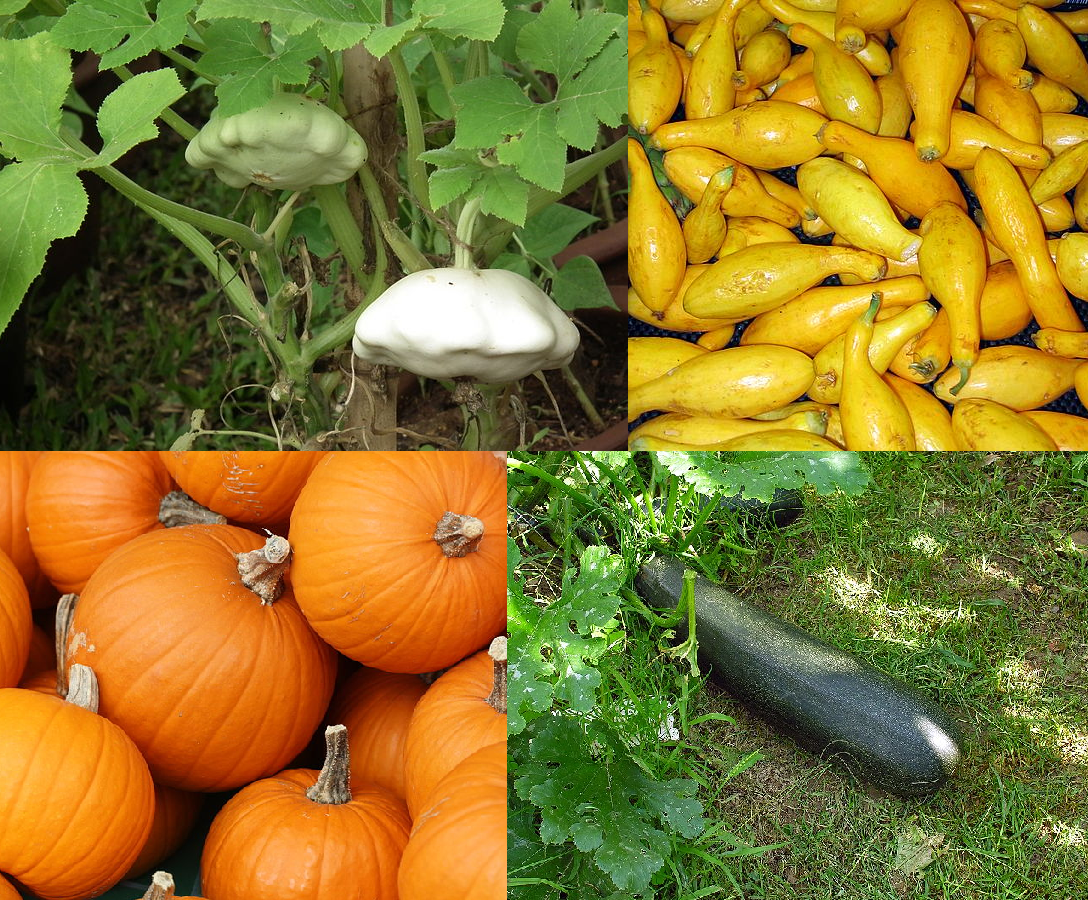
Solid stems give this species a distinct biological advantage over common squash: it naturally resists the squash vine borer, which commonly destroys field pumpkin (Cucurbita pepo). If you garden in an area where midsummer borers kill courgettes and pumpkins, butternut squash offers a reliable alternative that endures humid summer heat without wilting.
Identifying the Butternut Squash Plant
The butternut squash plant forms a thick, pentagonal trailing stem covered in soft hairs rather than the stiff, prickled spines found on other squash species. Its dark green leaves are shallowly lobed, kidney-shaped to broadly ovate, and span 20 to 30 cm (8 to 12 in) across, frequently marked with silver-grey mottled patches along the veins.
Flowering occurs in midsummer, producing distinct male and female blooms:
- Male flowers: Perched on slender, erect stalks up to 20 cm (8 in) long, opening first to attract pollinators.
- Female flowers: Sited closer to the vine axis, featuring a miniature swollen ovary resembling a tiny green pear directly below the petals.
- Corolla: Flared, golden-yellow to orange petals measuring 8 to 12 cm (3 to 5 in) across with flared petal lobes.
- Fruit: Club-shaped or cylindrical tan gourds measuring 20 to 30 cm (8 to 12 in) long, weighing 1 to 2.5 kg (2 to 5.5 lb), with a thick neck and a hollow seed cavity at the bulbous base.
Ideal Growing Conditions
Butternut squash thrives best in full sun with warm soil temperatures above 21 °C (70 °F). Cool, cloudy conditions stunt vegetative growth and delay flowering, while shading leads to mildew proliferation and poor fruit set.
Prepare your garden bed with the following specifications:
- Light: A minimum of 6 to 8 hours of unfiltered sunlight per day.
- Soil texture: Deep, moisture-retentive loam enriched with 5 to 8 cm (2 to 3 in) of decomposed compost or aged manure.
- Soil pH: Slightly acidic to neutral, ideally calibrated between 6.0 and 6.8.
- Bed preparation: Broad mounds or ridges raised 15 to 20 cm (6 to 8 in) high to improve drainage and hasten soil warming in spring.
When and How to Sow Butternut Squash
Sow seeds outdoors only after the danger of frost has passed and soil reaches at least 21 °C (70 °F). Sowing in cold, wet ground causes large squash seeds to rot within days.
In cool temperate regions or the UK, start seeds indoors 3 to 4 weeks before the last expected spring frost to extend the growing season:
- Sow single seeds on edge at a depth of 2.5 cm (1 in) into 9 cm (3.5 in) pots filled with seed compost.
- Maintain indoor germination temperatures between 24 and 27 °C (75 and 80 °F).
- Harden off seedlings gradually over 7 to 10 days once night temperatures stay reliably above 12 °C (54 °F).
- Direct sow outdoors by planting 3 seeds per mound, spaced 1.5 to 2 m (5 to 6.5 ft) apart, thinning to the single strongest seedling once true leaves develop.
Watering and Ongoing Plant Care
Supply the crop with 25 to 50 mm (1 to 2 in) of water per week throughout active vine growth and fruit swelling. Irregular watering leads to blossom drop or cracked, misshapen fruit necks.
Direct water exclusively at the base of the plant using drip tape or soaker hoses to keep the broad foliage dry, which reduces spore germination. Apply a 5 to 8 cm (2 to 3 in) layer of straw mulch around the root zone once the soil has warmed to conserve moisture and suppress competing weeds. When female flowers appear, apply an organic liquid feed high in potassium every 14 days, such as comfrey tea or tomato fertiliser, rather than high-nitrogen mixes that cause excess leaf growth at the expense of squash production.
When and How to Harvest
Harvest squash when the skin turns an even matte tan and resists puncture by a thumbnail. Leave the fruit on the vine as late into autumn as possible, but harvest the entire crop before the first hard frost of the season.
Follow these steps to ensure clean harvest and long storage life:
- Cut fruit from the vine using clean pruning shears, leaving 5 to 8 cm (2 to 3 in) of woody stem attached to prevent decay organisms entering the fruit.
- Never lift or carry the squash by its stem, as breaking the stem off creates an open wound that leads to rot.
- Discard or immediately cook any squash with soft spots, nicks, or cracks in the rind.
- Cure harvested squash in a warm, dry area at 25 to 29 °C (77 to 85 °F) with good air circulation for 10 to 14 days to harden the rind further.
Culinary Uses and Nutrition
Butternut squash contains exceptionally high levels of beta-carotene, vitamin A, and dietary fibre while remaining low in total calories. Its firm texture and naturally sweet, nutty flavour hold up through roasting, steaming, boiling, and baking without disintegrating into mush.
The flesh is the classic culinary base for thick butternut squash soup blended with ginger, shallots, and stock. It also serves as a filling for ravioli alongside ricotta and sage, folds into autumn risottos, and creates a creamy sauce base in vegetable mac and cheese. Beyond the mature flesh, the young vine shoots, male blossom buds, and hulled seeds can all be cooked, with the seeds roasted at 150 °C (300 °F) for an oil-rich snack.
Common Problems and Pest Management
The most frequent issue affecting butternut squash is powdery mildew during humid late-summer weather. Unlike other squash species, the vines resist squash vine borers, but they remain vulnerable to several foliar pathogens and sap-sucking insects.
Watch for these primary garden challenges:
- Powdery mildew: Appears as talcum-like white dust on upper leaf surfaces; improve spacing and spray a dilute potassium bicarbonate solution at first sight.
- Striped cucumber beetles: Small yellow-and-black beetles that feed on young seedlings and transmit bacterial wilt; protect spring transplants with floating row covers until flowering begins.
- Blossom end rot: Dark, sunken lesions on the tips of young fruits, caused by erratic watering that restricts calcium uptake rather than a soil deficiency.
- Poor fruit set: Caused by low pollinator activity or persistent heat waves above 35 °C (95 °F); hand-pollinate female blooms in the early morning using a clean artist’s brush.
How to Store Butternut Squash for Months
Properly cured butternut squash keeps in sound condition for 4 to 6 months at 10 to 15 °C (50 to 59 °F). Avoid storing winter squash in damp basements, unheated garages that drop below 8 °C (46 °F), or standard domestic refrigerators, which produce chilling injury and skin decay.
Arrange cured fruit in a single layer on wooden slatted shelves or in open cardboard trays so they do not touch one another. Keep the room humidity between 50 and 70 percent with gentle ventilation to prevent condensation from gathering on the shells. Inspect the stored crop every two weeks and immediately use any squash showing softening stems or surface mould.
Seasonal Care for Butternut Squash
| Spring | Sow seeds indoors 3 to 4 weeks before the last frost. Prepare planting mounds with 5 cm (2 in) of compost and transplant hardened seedlings outdoors once soil reaches 21 °C (70 °F). |
|---|---|
| Summer | Water deeply with 25 to 50 mm (1 to 2 in) per week directly at the base. Apply straw mulch to lock in moisture, hand-pollinate early female blooms if bees are scarce, and feed with high-potassium fertiliser every 14 days. |
| Autumn | Clip off developing fruit buds 4 weeks before the expected first frost to divert energy into ripening existing squash. Harvest fruit with 5 cm (2 in) of stem before frost and cure in a warm room for 10 to 14 days. |
| Winter | Store cured squash in a dry, ventilated room at 10 to 15 °C (50 to 59 °F). Remove dead vine debris from the garden plot and discard diseased foliage to destroy overwintering fungal spores. |
Diagnosing Butternut Squash Problems
| What you see | Likely cause | What to do |
|---|---|---|
| White powdery coating on foliage | Powdery mildew infection in warm, humid air | Remove infected older leaves and apply a copper-based or potassium bicarbonate spray while ensuring adequate vine airflow. |
| Small fruits turn yellow, shrivel, and fall off | Incomplete pollination of female flowers | Hand-pollinate freshly opened morning blooms by touching male flower anthers directly to the female stigma. |
| Young leaves skeletonized or chewed at soil level | Striped cucumber beetles or slugs attacking tender spring growth | Install floating row covers over new plantings and place beer traps or organic iron phosphate bait around bed borders. |
| Dark, sunken patch at the base of green fruit | Blossom end rot caused by irregular moisture fluctuation | Maintain consistent soil hydration with drip irrigation and mulch deeply to stabilize root-zone moisture levels. |
Notable Butternut Squash and Moschata Cultivars
- ‘Waltham Butternut’ – standard reliable heirloom, 100 days to harvest, exceptional storage life
- ‘Hunter’ – bred specifically for cool climates, early ripening in short northern summers
- ‘Metro PMR’ – hybrid with built-in powdery mildew resistance and high fruit counts
- ‘Butterbush’ – compact short-vined cultivar ideal for small raised beds and containers
- ‘Seminole’ – vigorous heritage pumpkin ecotype with extreme heat and humidity tolerance
Frequently Asked Questions
What is the difference between butternut squash and pumpkin?
Butternut squash belongs to Cucurbita moschata, featuring a tan rind, solid stem, and high resistance to vine borers, whereas traditional jack-o'-lantern pumpkins are cultivars of Cucurbita pepo or Cucurbita maxima, with prickly furrowed stems and round, ribbed orange rinds. Butternut flesh is denser, sweeter, and significantly smoother when puréed.
Can you grow butternut squash in the UK or short-season regions?
Yes, you can grow it successfully by starting seeds indoors under warmth in mid-April and selecting early-ripening cultivars such as 'Hunter' or 'Harrier'. Plant them out under fleece in early June in the sunniest, most sheltered spot available.
How many squash do you get per plant?
A healthy butternut squash plant typically produces 3 to 6 fruits under standard garden conditions. Compact bush cultivars may produce 3 to 4 smaller squashes, while vigorous running vines in rich, warm soil can yield up to 8 fruits.
Can you eat the skin of butternut squash?
Yes, the skin becomes tender and fully edible when roasted or braised at high temperatures. However, for smooth purées, ravioli filling, and silky soups, peeling the tough cured outer rind with a sharp Y-peeler is recommended.
How can I tell when butternut squash is ripe on the vine?
A ripe squash displays a matte, uniform pale-tan rind with no green streaks, and the stem attached to the fruit turns dry, hard, and cork-like. The surface should be hard enough that pressing your thumbnail into it leaves no indentation.
Sources & Verification
Taxonomy and distribution are checked against the databases below. Care guidance is written for cultivated species only and reviewed by our editor. How We Build Plant Profiles →
- Royal Horticultural SocietyCultivation, harvesting, and curing advice for winter squashes
- Kew Plants of the World OnlineTaxonomic confirmation and native range data for Cucurbita moschata
- NC State ExtensionBotanical description and growing profile
- University of Minnesota ExtensionPest management and commercial storage guidelines
- GBIF — Global Biodiversity Information Facilitytaxonomy, synonyms, occurrence records
- Wikipediageneral reference