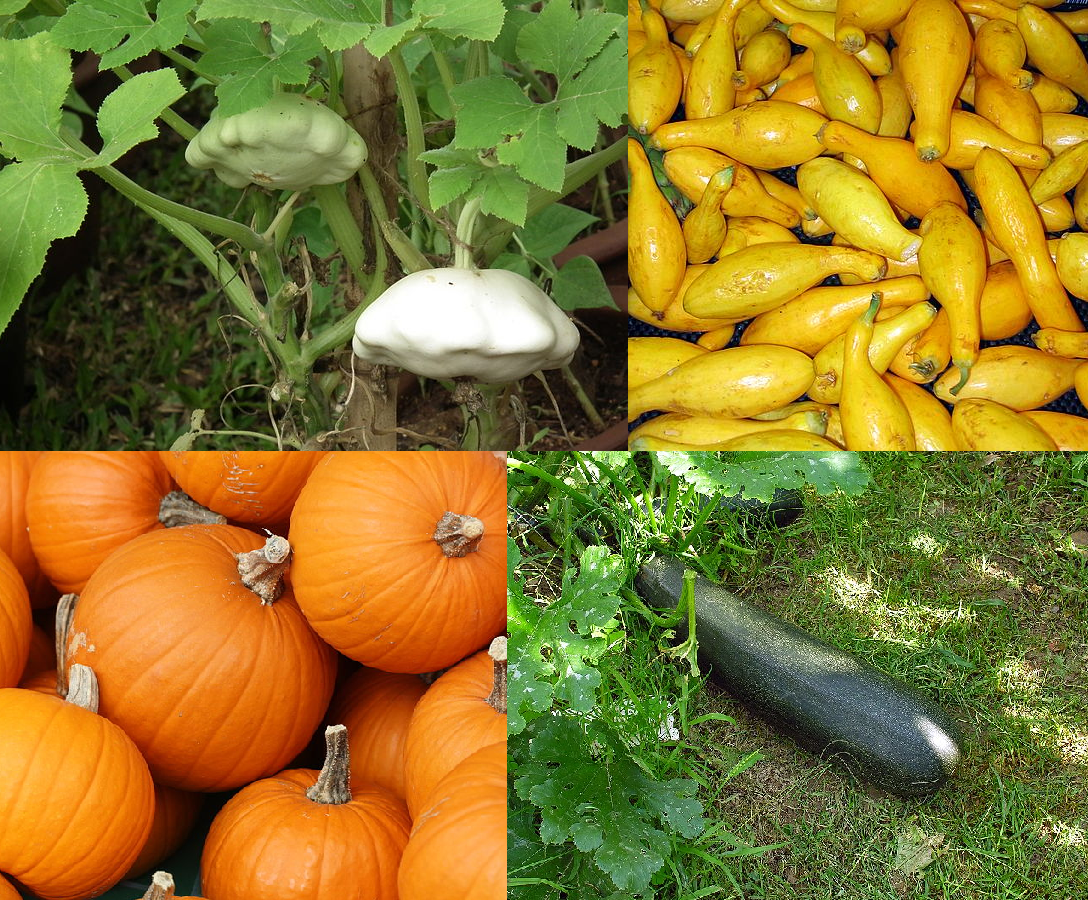
Figleaf gourd is a vigorous perennial vine from the Americas, often grown as an annual, that produces large, melon-like fruits and distinctive lobed foliage (Cucurbita ficifolia). It is widely cultivated across Asia and Latin America for its edible seeds, tender shoots, and white-fleshed fruit.
Unlike the common pumpkin (Cucurbita maxima), this species is remarkably resistant to many soil-borne diseases and pests like the squash vine borer. It requires significant space to roam but rewards the grower with a harvest that remains fresh for months without refrigeration.
Key Facts
- Water: Keep soil consistently moist during fruit development
- Light: Requires at least 6-8 hours of full sun daily
- Temperature: Thrives between 15-30 °C (59-86 °F)
- Soil: Rich, well-draining loamy soil with high organic matter
- Storage: Mature fruits can last up to 2 years in cool conditions
Living with Asian Pumpkin
Growing Asian pumpkin requires significant garden space, as a single vine can easily reach 10-15 m (33-50 ft) in length. It is a choice for gardeners with large plots or very sturdy trellises that can support heavy fruit. Because it is a perennial in frost-free zones, it can become quite expansive over several seasons.
This plant is often used as a rootstock for other melons because of its resistance to soil diseases. It is more cold-tolerant than most squashes, allowing it to grow at altitudes up to 2,000 m (6,500 ft) in its native range. You should only plant it where it has room to climb or crawl without smothering smaller vegetables.
How to Identify Figleaf Gourd
The figleaf gourd is identified by its deeply lobed, five-fingered leaves that resemble those of a common fig (Ficus carica). The leaves are dark green, often with white marble-like spots at the vein intersections. Stems are slightly hairy but lack the sharp prickles found on many other squash varieties.
The fruit is typically oblong or globular, reaching 15-20 cm (6-8 in) in diameter with a smooth, waxy green skin mottled with white. Inside, the flesh is bright white and fibrous. The most distinctive feature is the seeds, which are flat, oval, and jet black, unlike the tan seeds of most other Cucurbita species.
Best Conditions for Growth
This species thrives in full sun and temperate to warm climates with moderate humidity. It prefers a soil temperature of at least 15 °C (59-60 °F) to begin vigorous growth. While it can tolerate light shade, fruit production will be significantly lower and the vine will be more prone to mildew.
Prepare your site with the following in mind:
- Choose a spot with excellent drainage to prevent root rot.
- Incorporate well-rotted manure or compost before planting.
- Ensure the site is protected from high winds that can flip the long vines.
- Select a location where the vines can sprawl over grass or climb a fence.
Sowing Asian Pumpkin Seeds
Sow seeds 2-3 cm (1 in) deep directly into the garden after all danger of frost has passed. For an earlier start in cooler climates, begin seeds indoors 3-4 weeks before the last frost date using large biodegradable pots to avoid root disturbance. The seeds germinate quickly when temperatures are consistently above 20 °C (68 °F).
Space your plants or hills at least 2-3 m (6-10 ft) apart. If you are growing them for the seeds or mature fruit, limit the number of plants to avoid a garden takeover. For those with limited space, training the vines up a heavy-duty chain-link fence or a pergola is a successful alternative to ground crawling.
Watering and Maintenance
Provide consistent moisture during the early growth stages and fruit set to prevent the plant from dropping its flowers. Once established, the figleaf gourd is moderately drought-tolerant due to its extensive root system. Mulching around the base with straw or wood chips helps retain soil moisture and keeps the fruit off the damp earth.
Avoid overhead watering to reduce the risk of foliage diseases. If the vine becomes too aggressive, you can prune the growing tips to encourage lateral branching and more fruit. A balanced organic fertilizer applied every 4 weeks will support the massive amount of biomass this vine produces over a single summer.
When to Harvest Fruit and Leaves
You can harvest young fruits at 6-10 cm (2.5-4 in) in length to use like zucchini or summer squash. At this stage, the skin is tender and the seeds have not yet hardened. The edible leaves and tender vine tips are best picked in early summer when they are bright green and flexible.
For mature gourds, wait until the stem attached to the fruit turns brown and shrivels. This usually happens in autumn, roughly 90-120 days after planting. Ensure you harvest all mature fruit before the first hard frost, as freezing temperatures will damage the rind and reduce its storage potential.
Cooking Asian Pumpkin and Seeds
The white flesh is used in Asian pumpkin soup, desserts, and preserves because of its mild, slightly sweet flavor. In Mexico, the fruit is traditionally boiled with sugar and cinnamon to create “cabello de ángel” (angel’s hair) jam. The mature rind is very hard and usually requires a heavy knife or even a mallet to crack open.
The black seeds are highly nutritious and are traditionally toasted and salted as a snack. In Asian cuisine, the fruit is often simmered in coconut milk or used in savory stir-fries. The plant was traditionally used in various cultures to help manage blood sugar levels, though it is primarily grown as a food staple today.
Common Pests and Diseases
The most frequent problem is powdery mildew, which appears as white, flour-like dust on the leaf surfaces during humid late-summer weather. While the figleaf gourd is more resistant to many pests than the butternut squash (Cucurbita moschata), it can still be targeted by cucumber beetles. These beetles can spread bacterial wilt, so they should be managed early.
If you notice the following, take action:
- White spots on leaves: Increase air circulation and remove old foliage.
- Wilting vines: Check the base for physical damage or bacterial infection.
- Poor fruit set: Ensure pollinators have access or try hand-pollinating.
- Yellowing lower leaves: Increase nitrogen levels or check for overwatering.
Storing Your Harvest
A mature figleaf gourd can stay fresh for up to 2 years if kept in a cool, dry place. The thick, waxy rind acts as a natural barrier against moisture loss and decay. Store the gourds at temperatures between 10-13 °C (50-55 °F) on a shelf or in a mesh bag to allow for air movement.
Check your stored gourds once a month for any soft spots. If one begins to spoil, remove it immediately to prevent the rot from spreading to others. Do not store them directly on concrete floors, as the moisture can wick into the rind; instead, use a wooden pallet or cardboard layer.
Asian Pumpkin Through the Seasons
| Spring | Sow seeds indoors 4 weeks before frost or direct-sow into warm soil. Prepare the site with 5 cm (2 in) of compost. |
|---|---|
| Summer | Water deeply twice a week. Harvest young shoots and immature 10 cm (4 in) fruits for fresh eating. |
| Autumn | Harvest mature gourds when stems turn brown. Cure in the sun for 7 days to harden the rind before storage. |
| Winter | Store mature fruits in a dry, frost-free area. Check stored gourds monthly for signs of decay. |
Why Is My Figleaf Gourd Struggling?
| What you see | Likely cause | What to do |
|---|---|---|
| Yellowing lower leaves | Nitrogen deficiency | Apply a balanced liquid organic fertilizer every two weeks. |
| Flowers falling off | Heat stress or lack of pollination | Hand-pollinate female flowers in the early morning. |
| White powder on foliage | Powdery mildew | Improve air circulation and avoid watering the leaves. |
Popular Asian Pumpkin Varieties
- ‘Chilacayote’ – The standard Mexican variety used for sweets and preserves.
- ‘Black Seeded’ – A traditional heirloom specifically valued for its large, dark seeds.
Frequently Asked Questions
How do you cook Asian pumpkin?
Peel the rind, remove the black seeds, and boil or steam the white flesh for use in soups, stews, or sweetened desserts.
Is Asian pumpkin skin edible?
The skin of young, immature fruit is edible and tender, but the rind of a mature gourd is extremely hard and must be discarded.
Can you eat Asian pumpkin seeds?
Yes, the black seeds are edible and are typically roasted with salt or ground into a meal for traditional sauces.
How to make Asian pumpkin soup with coconut milk?
Simmer cubed white flesh with ginger, garlic, and coconut milk until soft, then blend into a smooth consistency.
Can you carve an Asian pumpkin?
While the mature rind is hard enough for folk art, it is much more difficult to carve than a standard Jack-o'-lantern and is usually painted instead.
Information about traditional or historical uses is provided for educational interest only and is not medical advice. Do not use any plant to treat a condition without speaking to a qualified professional.
Sources & Verification
Taxonomy and distribution are checked against the databases below. Care guidance is written for cultivated species only and reviewed by our editor. How We Build Plant Profiles →