Gourd Family Plants (Cucurbitaceae)
21 plant profiles · Explore the Cucurbitaceae family. Learn to grow squash, melons, and gourds with details on climate, soil requirements, and pollination.
The Cucurbitaceae family includes 98 genera and roughly 975 species of vining plants that thrive in warm, frost-free climates. Most members produce tendrils, yellow or white unisexual flowers, and specialized berries called pepos. Broad foliage and sprawling vining habits require full sunlight and temperatures above 18 °C (65 °F) for strong fruit set. Edible species include cucumber (Cucumis sativus), watermelon (Citrullus lanatus), and zucchini (Cucurbita pepo).
Members of this family share specific growth requirements, high water demands, and vulnerability to powdery mildew and cucumber beetles. Many species store water in thick rinds or tuberous roots, allowing desert species like colocynth (Citrullus colocynthis) to survive arid conditions, while crop species require 2.5-5 cm (1-2 in) of water weekly. Unripe fruits and wild species often contain bitter chemical compounds called cucurbitacins, which protect plants from herbivores but cause gastrointestinal distress if consumed in large quantities.
Selecting the right species depends on your available space, local growing season length, and crop intent. Bush varieties of zucchini suit small garden plots requiring 1 m² (10 sq ft) per plant, while long-season crops like butternut squash (Cucurbita moschata) and ash gourd (Benincasa hispida) need 100 to 140 frost-free days and extensive trellising. Fiber crops like sponge gourd (Luffa aegyptiaca) and culinary specialities like bitter melon (Momordica charantia) demand sustained heat above 25 °C (77 °F) to mature fully.

Ash Gourd
Benincasa hispida
☀️ Full Sun 💧 High

Bitter Melon
Momordica charantia
☀️ Full Sun 💧 High
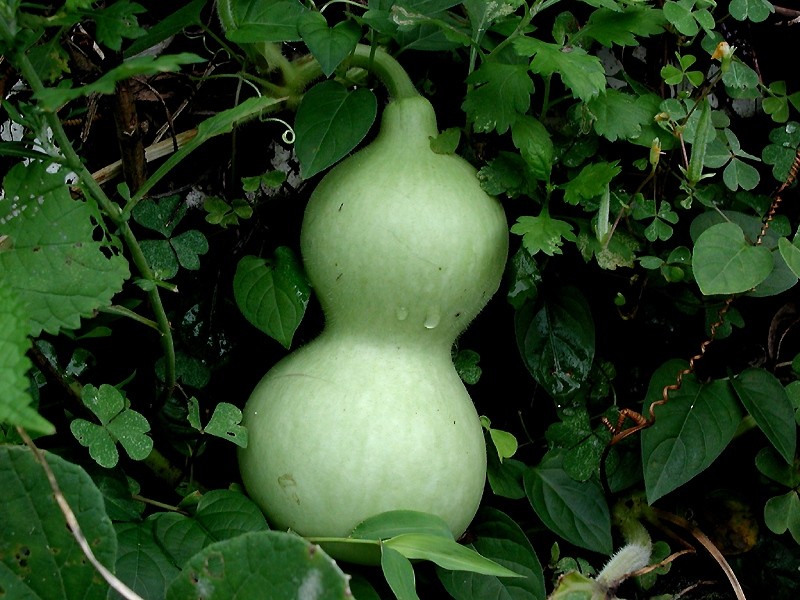
Bottle Gourd
Lagenaria siceraria
☀️ Full Sun 💧 High

Butternut Squash
Cucurbita moschata
☀️ Full Sun 💧 Moderate
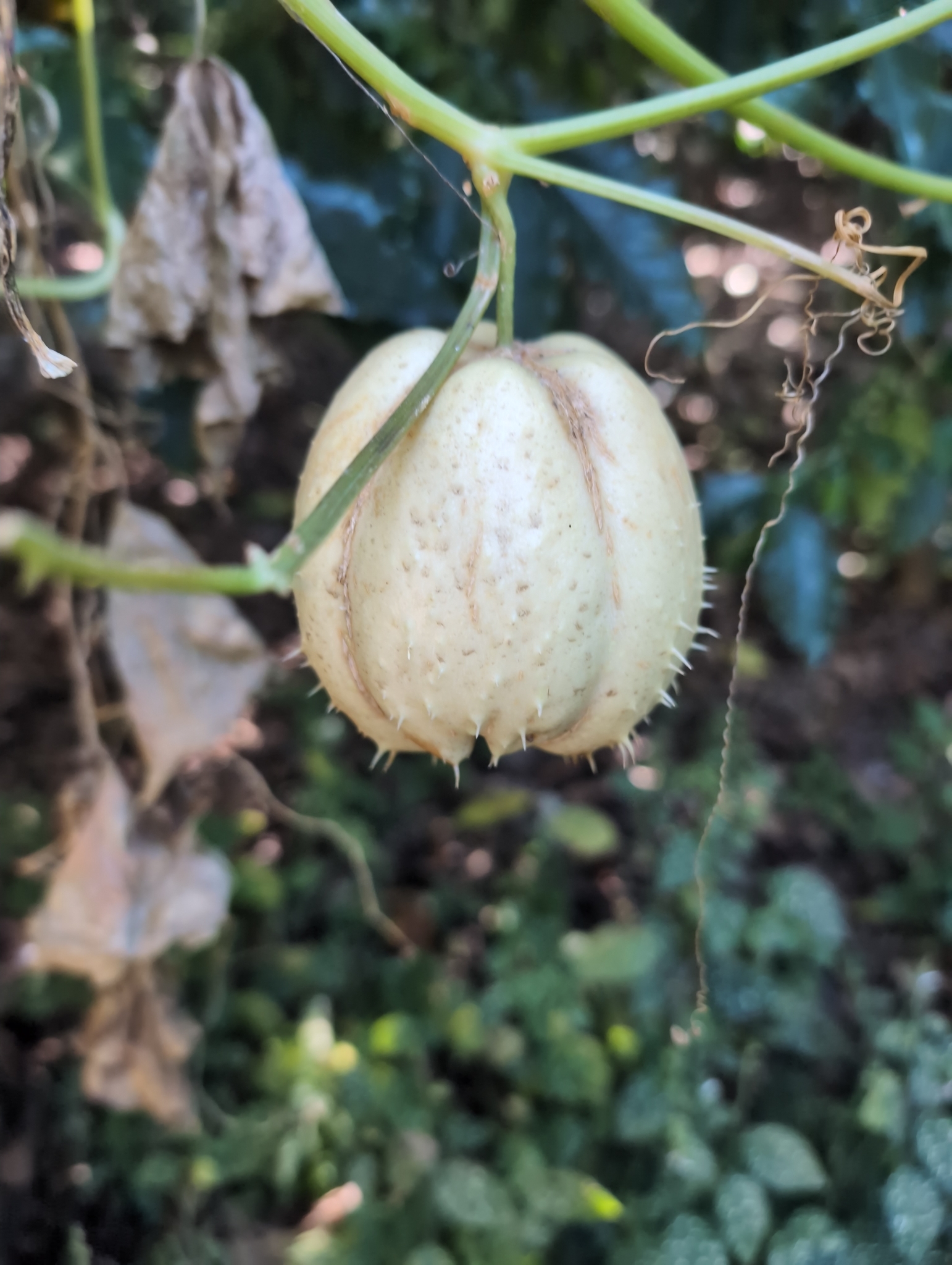
Chayote
Sechium edule
☀️ Full Sun 💧 Moderate
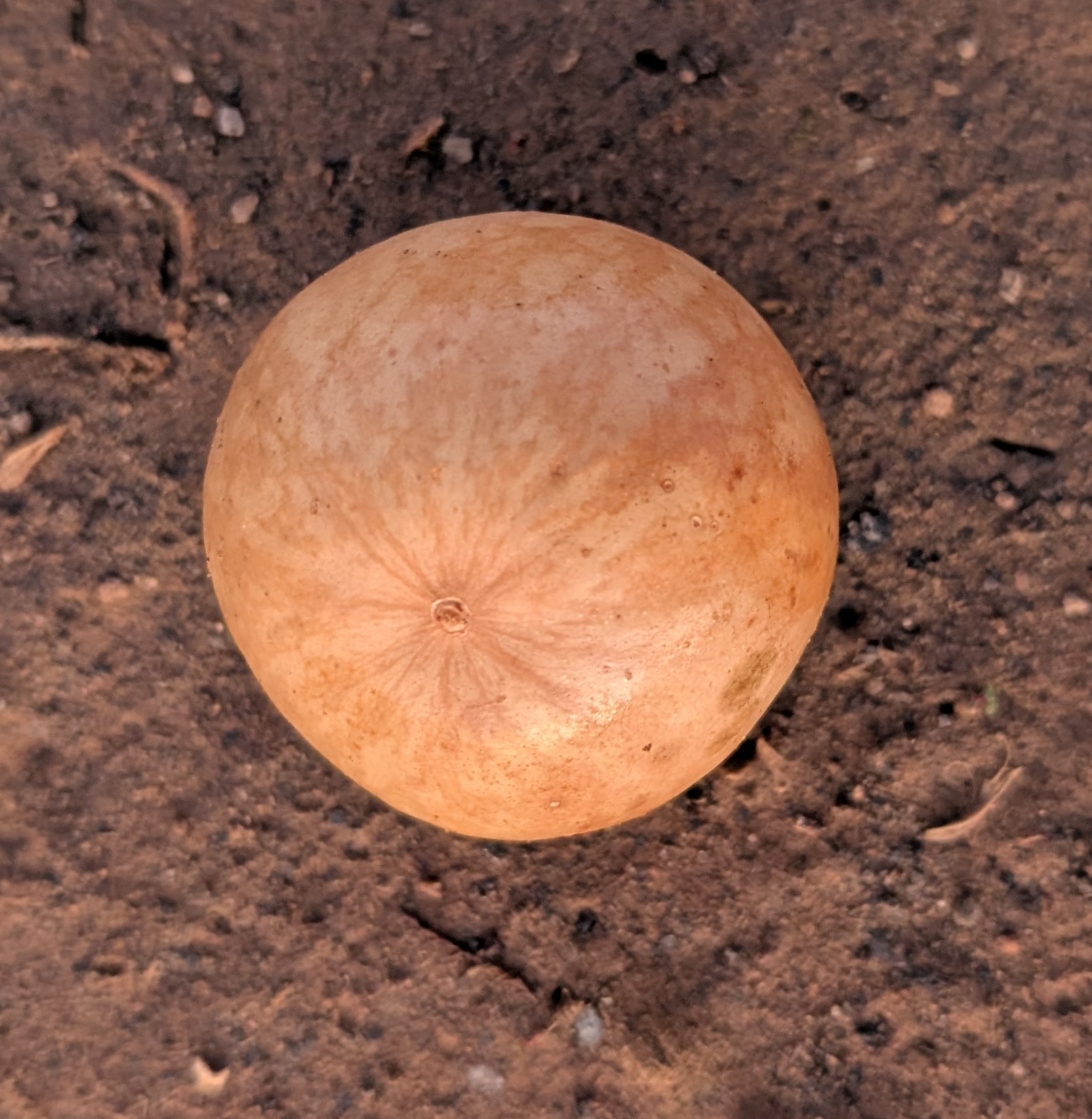
Colocynth
Citrullus colocynthis
☀️ Full Sun 💧 Low

Cucumber
Cucumis sativus
☀️ Full Sun 💧 High
Figleaf Gourd
Cucurbita ficifolia
☀️ Full Sun 💧 Moderate
Fluted Pumpkin
Telfairia occidentalis
☀️ Full Sun 💧 High

Ivy Gourd
Coccinia grandis
☀️ Full Sun 💧 Moderate

Melon
Cucumis melo
☀️ Full Sun 💧 Moderate

Mexican Sour Gherkin
Melothria scabra
☀️ Full Sun 💧 Moderate

Pointed Gourd
Trichosanthes dioica
☀️ Full Sun 💧 Moderate

Ridge Gourd
Luffa acutangula
☀️ Full Sun 💧 Moderate

Snake Gourd
Trichosanthes cucumerina
☀️ Full Sun 💧 High

Sponge Gourd
Luffa aegyptiaca
☀️ Full Sun 💧 Moderate

Watermelon
Citrullus lanatus
☀️ Full Sun 💧 Moderate

West Indian Gherkin
Cucumis anguria
☀️ Full Sun 💧 Moderate

Wild Cucumber
Cucumis prophetarum
☀️ Full Sun 💧 Low

Winter Squash
Cucurbita maxima
☀️ Full Sun 💧 Moderate
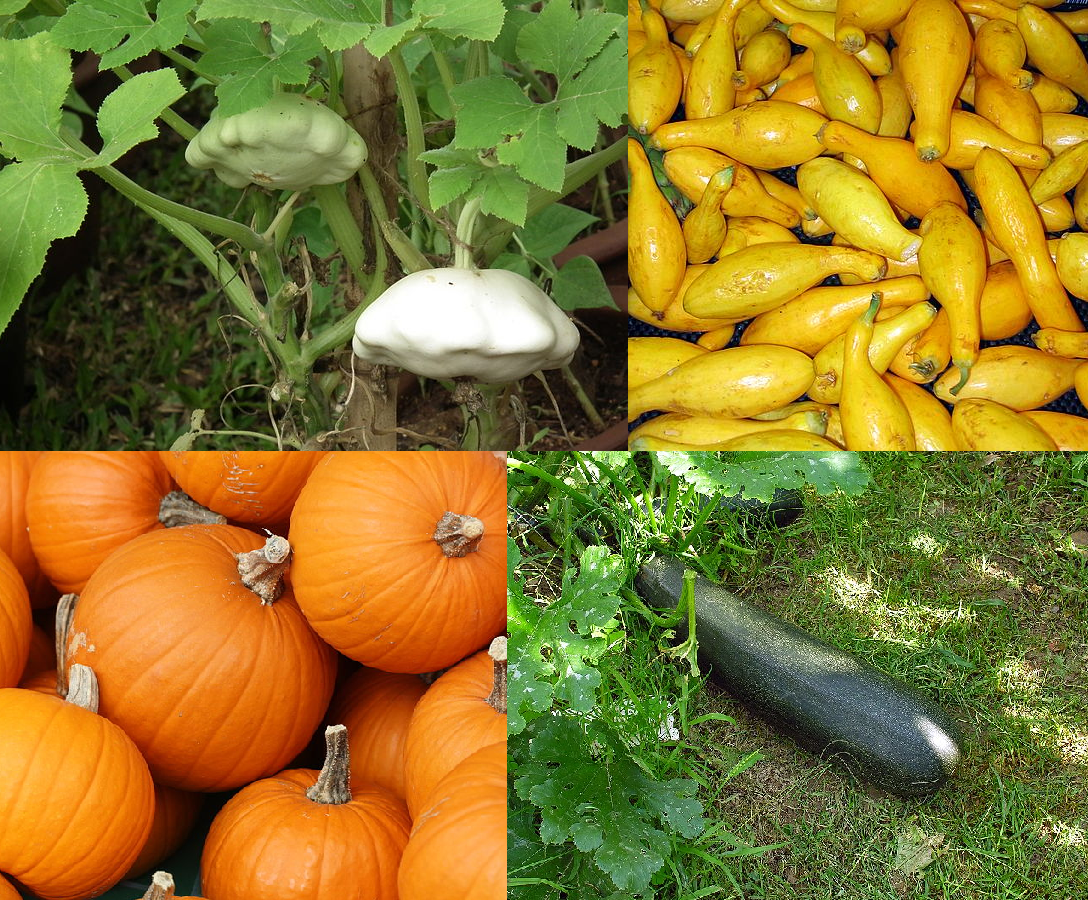
Zucchini
Cucurbita pepo
☀️ Full Sun 💧 Moderate
Common Questions
What are the main characteristics of Cucurbitaceae plants?
Members of the Cucurbitaceae family are warm-season vining plants that feature tendrils, unisexual flowers, and fleshy berries called pepos. They require full sun, warm temperatures above 18 °C (65 °F), and consistent soil moisture.
Are all Cucurbitaceae fruits edible?
No, not all Cucurbitaceae fruits are safe to eat, as some species contain high levels of bitter toxins called cucurbitacins. Wild species such as colocynth cause severe digestive illness, while ornamental gourds are grown strictly for decorative or utility use.
Why do Cucurbitaceae plants need manual pollination?
Hand pollination is required when pollinator insects are absent, because Cucurbitaceae plants bear separate male and female flowers on the same vine. Female flowers feature a small swollen fruit behind the petals and need pollen transferred directly from male blossoms during early morning hours.
How much water do Cucurbitaceae crops need?
Most Cucurbitaceae crops require 2.5 to 5 cm (1 to 2 in) of water per week through deep ground soaking. Irrigating at the soil level prevents wet foliage, which reduces the spread of fungal diseases like powdery mildew.