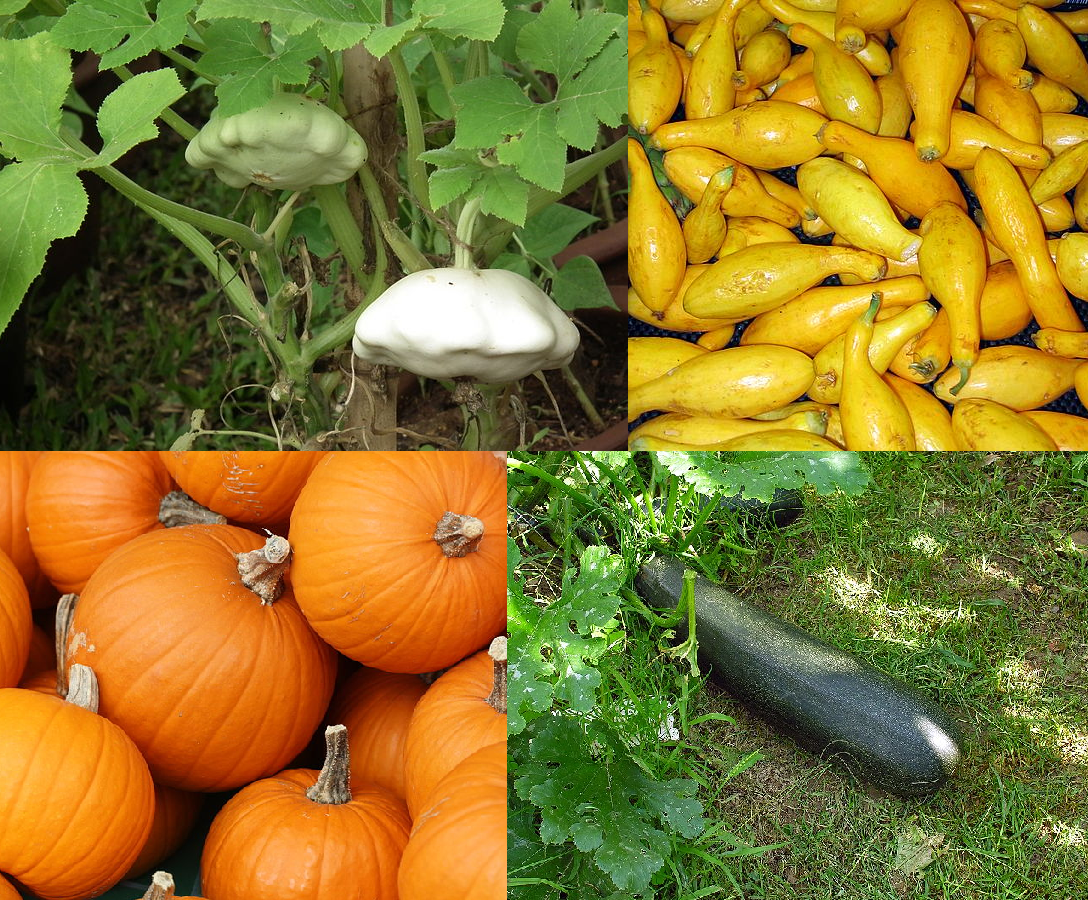
Winter squash (Cucurbita maxima) is a sprawling vine crop originating from South America over 4,000 years ago. It produces large fruits with protective rinds that cure for winter storage.
You need to give each plant up to 2 m (6 ft) of garden space and full sun to yield mature, sweet fruits before autumn frosts arrive.
Key Facts
- Sun: 6 to 8 hours of direct sunlight daily
- Water: 2.5 cm (1 inch) of water weekly
- Soil: Rich, well-draining loam with pH 6.0 to 6.8
- Spacing: 1.5 m (5 ft) apart for vining types
- Harvest: Cut when rinds resist a thumbnail scratch
Why Grow Winter Squash in Your Garden
Growing winter squash rewards you with dense, sweet harvests that can feed a family through the colder months. Expect yields of 3 to 5 large fruits per healthy vine depending on the cultivar.
This crop suits gardeners with sprawling yard space or sturdy trellises. It demands patience and elbow room, but repays your efforts with exceptional storage longevity.
- Produces heavy crops from a single packet of seeds
- Leaves large canopies that shade out competing garden weeds
- Provides thick rinds that withstand months of pantry storage
How Winter Squash Looks and Grows
Winter squash grows as a vigorous trailing annual vine with coarse, hairy stems and large lobed leaves up to 30 cm (12 in) across. The mature plant can spread up to 3 m (10 ft) across the ground.
Bright yellow to orange trumpet-shaped flowers appear in midsummer, housing separate male and female blooms on the same plant. The fruits develop massive variations in size, ranging from 1 kg (2 lb) hokkaido types to record-breaking specimens over 400 kg (900 lb).
- Stems feature prickly hairs that deter ground pests
- Leaves measure up to 30 cm (12 in) wide
- Fruits feature hard outer rinds protecting dense orange flesh
Ideal Growing Conditions for Winter Squash
Winter squash requires warm temperatures and high light levels to hit peak sugar accumulation in its flesh. Provide at least 6 hours of direct sun daily and fertile soil rich in compost.
Cold drafts and soggy soil will stunt young seedlings within days. Keep soil temperatures above 18 °C (65 °F) before planting outdoors.
- Soil temperatures must exceed 18 °C (65 °F) for germination
- Ambient air temperatures should remain between 21 °C and 32 °C (70-90 °F)
- Requires loose, well-draining soil amended with aged manure
When and How to Sowing Winter Squash Seeds
Sow winter squash seeds directly in the ground 2 weeks after your final spring frost date. Plant seeds 2.5 cm (1 inch) deep in groups of three per mound.
In short-season climates, start seeds indoors in peat pots 3 to 4 weeks before the last frost to avoid root disturbance.
- Sow seeds outdoors when soil hits 21 °C (70 °F)
- Thin seedlings to the strongest single plant per mound after true leaves form
- Space mounds 1.5 m (5 ft) apart in rows
Winter Squash Care and Maintenance
Winter squash care centers on consistent moisture and weed control during the first 6 weeks of rapid vine expansion. Deliver 2.5 cm (1 inch) of water weekly directly to the soil base to prevent powdery mildew on leaves.
Feed plants with a balanced organic vegetable fertilizer once vines begin to run and flower. Pinch off the vine tips in late summer to redirect plant energy into ripening existing fruits.
- Water deeply at the base rather than overhead
- Apply a thick straw mulch layer beneath fruits to prevent rot
- Hand-pollinate flowers with a paintbrush if insect activity is low
When and How to Harvest Winter Squash
Harvest winter squash when the stem turns woody and the skin resists your thumbnail indentation. Cut the fruit from the vine with a sharp knife, leaving a 7 cm (3 in) stem attached.
Complete all harvesting before the first hard autumn freeze touches the garden floor.
- Test skin hardness with a firm thumbnail press
- Cure harvested fruits in a sunny, 27 °C (80 °F) spot for 10 days
- Discard any bruised or stemless fruits immediately
Culinary Uses and Storage for Winter Squash
Winter squash yields versatile culinary flesh used in soups, roasting trays, and baking recipes. Store cured fruits in a cool, dark room at 10-15 °C (50-60 °F) for up to 6 months.
Traditional preparations include roasting wedges with olive oil or pureeing the cooked pulp into spiced soups.
- Roast cubed flesh at 200 °C (400 °F) for 40 minutes
- Puree cooked flesh for seasonal pie fillings
- Save and toast seeds for a crunchy snack
Troubleshooting Winter Squash Pests and Diseases
Winter squash faces regular pressure from soil-borne insects and fungal leaf pathogens during humid weather. Inspect stems weekly for signs of squash vine borer larvae entry holes near the soil line.
Act quickly at the first sight of white powdery residue on leaves to salvage your crop yield.
- Dust plants with neem oil to manage early aphid outbreaks
- Wrap lower stems in foil to block squash vine borers
- Remove severely infected powdery mildew leaves immediately
Winter Squash Through the Seasons
| Spring | Prepare garden beds with compost and sow seeds outdoors after all frost risks pass. Start seeds indoors if your local growing season is under 100 days. |
|---|---|
| Summer | Water plants deeply each week and apply balanced organic fertilizer when vines start running. Monitor leaves daily for signs of powdery mildew or cucumber beetles. |
| Autumn | Harvest mature fruits before hard frosts strike and cure them in a warm indoor area. Store cured squash in a cool cellar for winter use. |
| Winter | Review seed catalogues to select disease-resistant squash cultivars for the next growing year. Clean and sharpen garden tools while planning crop rotation maps. |
Troubleshooting Winter Squash Pests and Diseases
| What you see | Likely cause | What to do |
|---|---|---|
| White powdery coating on leaves | Powdery mildew fungus from high humidity | Spray foliage with a mixture of water, baking soda, and liquid soap. |
| Wilting vines with sawdust near holes | Squash vine borer larvae inside the stem | Slit the stem lengthwise, remove the borer, and bury the stem node in soil. |
| Fruits rotting on the ground | Direct contact with wet soil | Lift developing squashes onto pieces of wood or straw layers. |
| Blossoms falling off without fruiting | Lack of pollination or stress from high heat | Hand-pollinate female flowers using a small cotton swab in the morning. |
Popular Winter Squash Varieties to Grow
- ‘Atlantic Giant’ – produces massive exhibition fruits over 90 kg (200 lb)
- ‘Hubbard’ – slate-blue skin with sweet orange flesh, stores for months
- ‘Hokkaido’ – teardrop-shaped orange fruits with nutty flavor
- ‘Boston Marrow’ – heirloom variety with bright orange rind and dry flesh
- ‘Queensland Blue’ – ribbed grey-green skin with dense golden interior
Frequently Asked Questions
Is winter squash the same as butternut squash?
Winter squash is a broad species category that includes butternut squash (Cucurbita moschata) along with pumpkin and hubbard varieties. Butternut squash belongs to a different species within the same botanical family.
What is the difference between winter squash and summer squash?
Winter squash features hard rinds and long storage potential, while summer squash (Cucurbita pepo) has soft, edible skins and spoils within days. Winter squash fruits are harvested fully ripe in autumn, whereas summer squash is picked immature in summer.
When is the best planting time for winter squash?
Plant winter squash seeds outdoors 2 weeks after your last spring frost when soil temperatures reach 21 °C (70 °F). Starting too early in cold soil causes seeds to rot.
How long does winter squash take to grow?
Winter squash takes between 80 to 120 days from direct sowing to mature harvest, depending on the specific cultivar. Fast varieties like 'Hokkaido' finish earlier, while giant types need the full season.
Can you grow winter squash in the UK?
You can grow winter squash successfully in the UK by starting seeds indoors in April and planting them outdoors under cloches in late May. Choose compact bush varieties if garden space is limited.
Sources & Verification
Taxonomy and distribution are checked against the databases below. Care guidance is written for cultivated species only and reviewed by our editor. How We Build Plant Profiles →