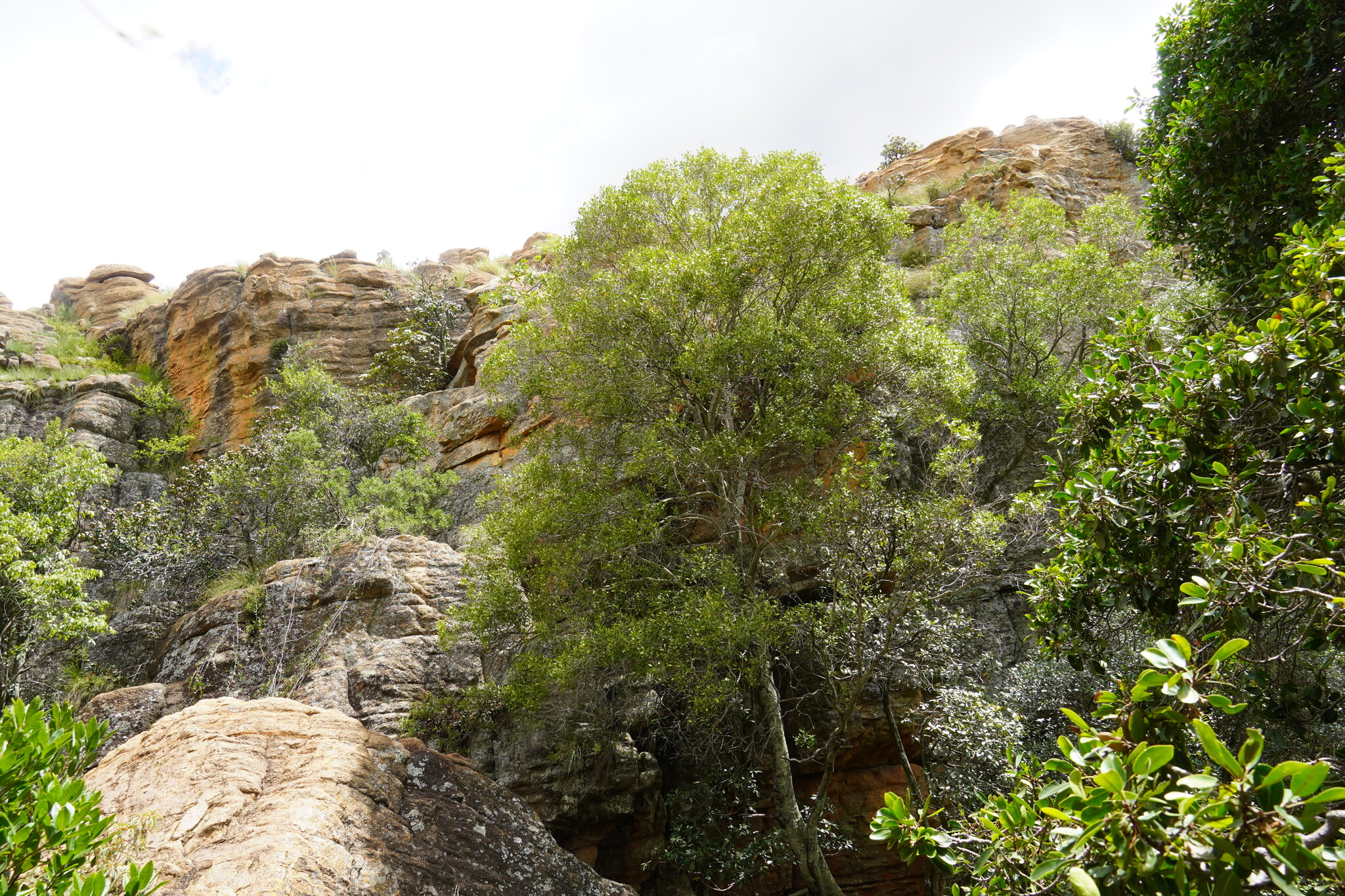
The olive is a small evergreen tree belonging to the family Oleaceae, scientifically known as Olea europaea. It is native to coastal areas of the Mediterranean basin, producing dense silvery-green foliage and edible stone fruits.
Growing an olive tree successfully requires full sun and sharply draining soil, as the root system fails quickly in waterlogged conditions.
Key Facts
- Light: Full sun (6-8 hours daily)
- Water: Low once established
- Soil: Poor, well-draining
- Hardiness: USDA zones 8-11
- Height: Up to 10 m (33 ft)
Is Olive Right for Your Garden
The olive tree suits gardeners in warm climates who want a drought-tolerant specimen with year-round visual appeal. You need a location with intense sun and minimal winter frost to keep this tree productive.
- Requires minimal irrigation once roots establish in the ground.
- Tolerates coastal salt spray and strong winds.
- Drops leaves and fruit naturally, requiring seasonal cleanup.
While container growing is possible in colder regions, indoor care requires a bright, south-facing conservatory where winter temperatures stay above 5 °C (41 °F). Placing an olive plant indoors without adequate light leads to rapid leaf drop and eventual decline.
What Does an Olive Tree Look Like
An olive tree features a gnarled, twisting trunk with greyish bark that becomes deeply fissured on mature specimens. The evergreen leaves are lanceolate, measuring 4-10 cm (1.5-4 inches) long, featuring a dark green upper surface and a pale, silvery-grey underside covered in microscopic scales. In late spring, small, fragrant white flowers emerge in panicles, followed by green oval drupes that ripen to dark purple or black in autumn.
The mature canopy forms a rounded, spreading habit reaching heights of 3-10 m (10-33 ft). The distinct silver colour of the foliage provides a unique contrast against typical garden greens.
How Big Do Olive Trees Grow
An unpruned olive tree reaches a mature height of 8-10 m (26-33 ft) with an equal spread over several decades. Gardeners typically prune cultivated trees to a manageable 3-5 m (10-16 ft) to ease harvesting and maintenance.
Growth rate averages 30-60 cm (12-24 inches) per year depending on water availability and soil fertility. Container-grown specimens remain much smaller, usually capped at 1.5-2 m (5-6.5 ft) due to root restriction.
Best Site Selection for Olive
Plant your olive tree in a spot receiving at least 6 hours of direct sunlight daily. Shaded locations reduce fruit production and invite fungal issues on the foliage.
- Select an elevated slope or raised bed if your native soil holds heavy clay.
- Protect young trees from freezing winds below -10 °C (14 °F).
- Ensure adequate air circulation between surrounding structures or other trees.
Avoid low-lying frost pockets where cold air pools during winter nights, as sudden temperature drops below -7 °C (19 °F) split the bark of young specimens.
How to Plant an Olive Tree
Dig a hole twice as wide as the root ball and just as deep, placing the tree so the root flare sits level with the surrounding soil. Never add heavy compost or fertilizer to the planting hole, as abrupt soil texture changes discourage roots from expanding outward.
- Tamp the backfill gently to eliminate large air pockets around the roots.
- Build a low soil berm 30 cm (12 inches) away from the trunk to funnel irrigation water downward.
- Apply a 7 cm (3 inch) layer of wood chip mulch, keeping it 10 cm (4 inches) away from the bark.
Water the newly planted tree thoroughly with 20 litres (5 gallons) of water to settle the soil into place.
Olive Tree Care and Watering
Establish deep watering habits during the first two summers, then reduce irrigation significantly once the root system reaches mature depth. Overwatering causes root rot, which kills the tree faster than drought.
- Water young trees every 10-14 days during dry summer spells.
- Fertilize in early spring with a balanced slow-release organic fertilizer.
- Prune dead or crossing branches annually after the threat of winter frost passes.
Established trees survive months without rain, though supplemental summer irrigation increases fruit size and yield.
How and When to Prune Olive Trees
Prune your olive tree annually in late winter or early spring before active bud break begins. Remove any branches growing toward the center of the canopy to let sunlight reach all interior foliage.
- Cut away all suckers emerging from the base of the trunk.
- Sanitize pruning shears with isopropyl alcohol between cuts to prevent spreading diseases like olive knot.
- Limit total branch removal to no more than 25 percent of the canopy in a single year.
An open, vase-shaped canopy maximizes airflow and light penetration, resulting in healthier fruit clusters.
Olive Tree Problems and Pests
Olive trees face several common pests and diseases, including olive fruit fly and peacock spot fungus. Inspect leaves monthly for signs of spotting or insect activity.
- Treat peacock spot fungal infections with a copper-based fungicide applied in autumn and spring.
- Control scale insects and mealybugs using horticultural oil sprays during the dormant winter period.
- Prevent root rot by amending heavy soils with coarse sand or perlite before planting.
Fruit drop in early summer is a natural self-thinning process and rarely indicates disease.
Winter Care for Olive Trees
Protect container-grown olives by moving them into an unheated garage or greenhouse when temperatures drop below -5 °C (23 °F). Inground trees in USDA zone 8 tolerate light frosts but benefit from a thick layer of organic mulch over the root zone.
- Wrap trunks of young trees in burlap if severe freezing winds are forecast.
- Withhold all nitrogen fertilizers after mid-summer to prevent tender new growth from freezing.
- Reduce watering frequency by half during the short daylight months of winter.
Potted plants left outdoors in freezing regions will experience fatal root damage unless insulated.
Uses for Olive Trees
The primary use of the olive tree is the production of edible fruit and culinary oil. Historically, wood from the trunk was carved into durable implements and furniture due to its rich grain pattern.
- Harvest green drupes in early autumn for home curing in brine.
- Press mature black fruit into high-phenolic cooking oil.
- Utilize the evergreen canopy as a dramatic architectural accent in Mediterranean landscape designs.
Traditional Mediterranean herbal practices also used leaf extracts for various tonics, though modern cultivation focuses overwhelmingly on fruit production.
Olive Tree Care Through the Seasons
| Spring | Apply a balanced organic fertilizer around the drip line as new growth starts. Prune out damaged branches after the last hard frost. |
|---|---|
| Summer | Provide deep irrigation every 2 to 3 weeks during prolonged dry spells. Monitor developing fruit clusters for signs of olive fruit fly damage. |
| Autumn | Harvest green or black olives depending on your intended use before heavy winter rains begin. Clear fallen debris from around the base of the trunk. |
| Winter | Withhold all fertilizers and reduce watering to a bare minimum. Move potted specimens indoors if local temperatures drop below freezing. |
Common Olive Tree Problems and Fixes
| What you see | Likely cause | What to do |
|---|---|---|
| Yellow leaves dropping in summer | Overwatering or poorly draining soil | Allow the soil to dry out completely between waterings and improve drainage. |
| Black spots on leaves with yellow halos | Peacock spot fungal infection | Apply a copper fungicide spray in autumn and clear away fallen infected leaves. |
| Lack of flowers and fruit | Insufficient sunlight or lack of winter chill hours | Move the tree to a spot receiving at least 6 hours of direct sun daily. |
Popular Olive Cultivars Compared
- 'Manzanilla' – heavy producer of plump green fruit, ideal for table curing
- 'Mission' – cold-hardy cultivar originating in California, produces oil and table fruit
- 'Kalamata' – famous Greek variety producing large, almond-shaped purple drupes
- 'Arbequina' – compact Spanish weeping habit, excellent for high-density oil production
- 'Frantoio' – high-yielding Tuscan variety with reliable cold tolerance
Frequently Asked Questions
Can you grow an olive tree indoors?
You can grow an olive tree indoors only if you provide a south-facing window with at least 6 hours of direct sunlight. Most indoor environments lack sufficient light, leading to dropped leaves and a failure to fruit.
How long do olive trees take to produce fruit?
Olive trees grown from nursery-purchased grafted saplings typically begin producing fruit within 3 to 4 years. Trees started from seed can take 12 years or more to reach fruiting maturity.
Do you need two olive trees for pollination?
Many olive cultivars are self-fertile and will produce fruit on their own. However, planting a second compatible cultivar nearby significantly increases overall fruit set and harvest yields.
How often should you water an established olive tree?
An established inground olive tree requires watering only once every 3 to 4 weeks during dry summer months. Potted trees need watering whenever the top 5 cm (2 inches) of soil feels dry to the touch.
What is the difference between olive green and regular green?
Olive green is a muted, yellowish-green shade mirroring the dusty hue of natural olive leaves. Regular green encompasses a broader spectrum of vibrant, bright chlorophyll tones.
Information about traditional or historical uses is provided for educational interest only and is not medical advice. Do not use any plant to treat a condition without speaking to a qualified professional.
Sources & Verification
Taxonomy and distribution are checked against the databases below. Care guidance is written for cultivated species only and reviewed by our editor. How We Build Plant Profiles →