Oleaceae Family Plants: Identification and Care Guide
20 plant profiles · Learn how to identify and grow plants in the Oleaceae olive family, including lilacs, jasmines, privets, olives, and ash trees.
The Oleaceae family contains roughly 28 genera and over 700 species of woody trees, shrubs, and lianas distributed across temperate and tropical regions. Members of this family typically produce opposite leaves, four-lobed flowers, and exactly two stamens per bloom. Many species yield aromatic essential oils or edible drupes, while others are grown for dense hedging and timber.
Choosing the right Oleaceae species depends on your garden space and climate zone. For edible fruit and Mediterranean hardiness, olive (Olea europaea) thrives in dry, sunny conditions down to -7 °C (19 °F). If you need aromatic climbing vines, consider common jasmine (Jasminum officinale) or pink jasmine (Jasminum polyanthum). For cold-hardy spring bloomers, common lilac (Syringa vulgaris) and weeping forsythia (Forsythia suspensa) provide bright displays in USDA zones 3 to 8.
Tree and hedge selections range from small ornamental specimens like American fringetree (Chionanthus virginicus) to canopy trees such as European ash (Fraxinus excelsior). Fast-growing members like garden privet (Ligustrum ovalifolium) require routine pruning to control spread, as several privet species produce aggressive root suckers. Most Oleaceae plants perform best in full sun with well-draining soil maintaining a pH of 6.0 to 7.0.

American Fringetree
Chionanthus virginicus
☀️ Full Sun 💧 Moderate

Arabian Jasmine
Jasminum sambac
☀️ Full Sun 💧 Moderate

Black Ironwood
Olea capensis

Chinese Privet
Ligustrum sinense
☀️ Partial Sun 💧 Moderate
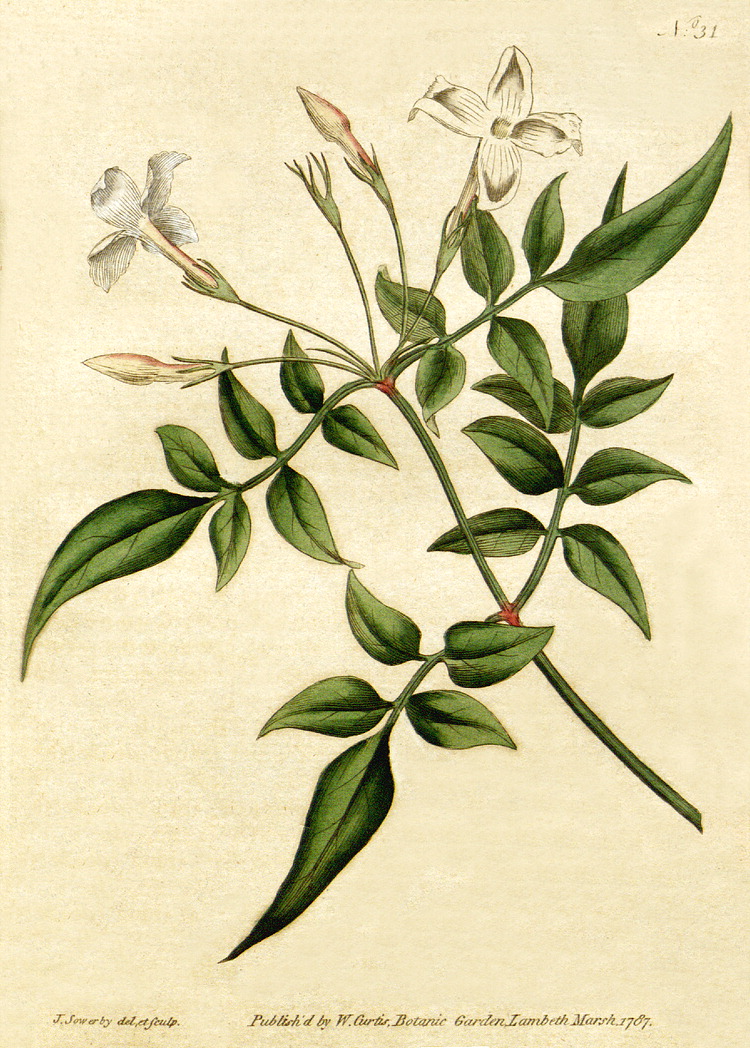
Common Jasmine
Jasminum officinale
☀️ Full Sun 💧 Moderate

Common Lilac
Syringa vulgaris
☀️ Full Sun 💧 Moderate

European Ash
Fraxinus excelsior
☀️ Full Sun 💧 Moderate

Garden Privet
Ligustrum ovalifolium
☀️ Full Sun 💧 Moderate

Glossy Privet
Ligustrum lucidum
☀️ Full Sun 💧 Moderate

Green Ash
Fraxinus pennsylvanica
☀️ Full Sun 💧 Moderate
Japanese Privet
Ligustrum japonicum
☀️ Full Sun 💧 Moderate

Night-Flowering Jasmine
Nyctanthes arbor-tristis
☀️ Full Sun 💧 Moderate

Olive
Olea europaea
☀️ Full Sun 💧 Low

Pink Jasmine
Jasminum polyanthum
☀️ Bright Indirect 💧 Moderate

Primrose Jasmine
Jasminum mesnyi
☀️ Full Sun 💧 Moderate

Spanish Jasmine
Jasminum grandiflorum
☀️ Full Sun 💧 Moderate

Weeping Forsythia
Forsythia suspensa
☀️ Full Sun 💧 Moderate

White Ash
Fraxinus americana
☀️ Full Sun 💧 Moderate

Wild Privet
Ligustrum vulgare
☀️ Full Sun 💧 Moderate
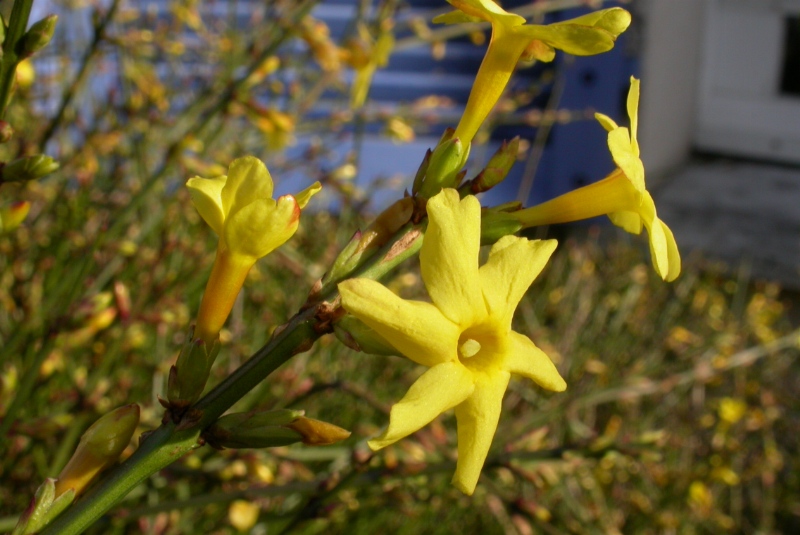
Winter Jasmine
Jasminum nudiflorum
☀️ Full Sun 💧 Moderate
Common Questions
What plants belong to the Oleaceae family?
The Oleaceae family includes over 700 species of trees, shrubs, and vines, such as olives, lilacs, jasmines, privets, ashes, and forsythias.
Are Oleaceae plants easy to care for?
Most species in this family are low-maintenance once established, requiring full sun and well-draining soil with regular pruning after flowering.
Which Oleaceae plants have fragrant flowers?
Common lilac, Arabian jasmine, pink jasmine, and common jasmine produce intensely scented blooms widely used in perfumes and teas.
Why are some privet species considered invasive?
Privet species spread rapidly via bird-dispersed seeds and root suckers, forming dense thickets that shade out native species.