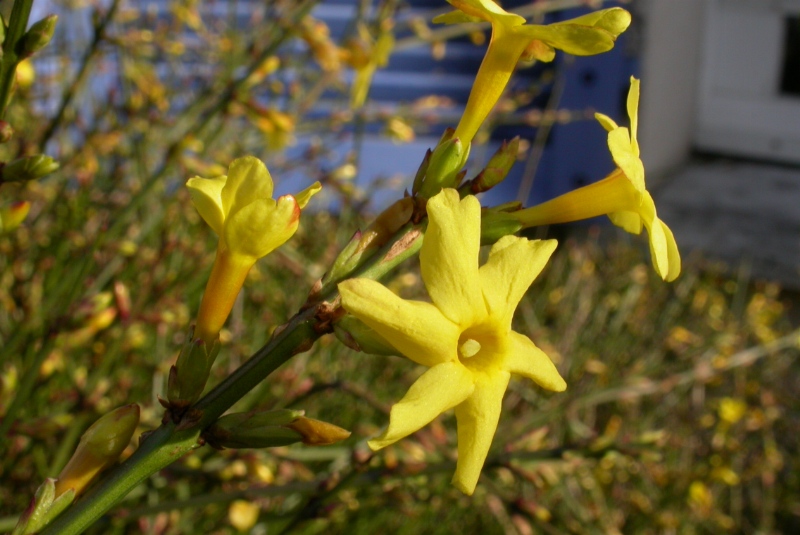
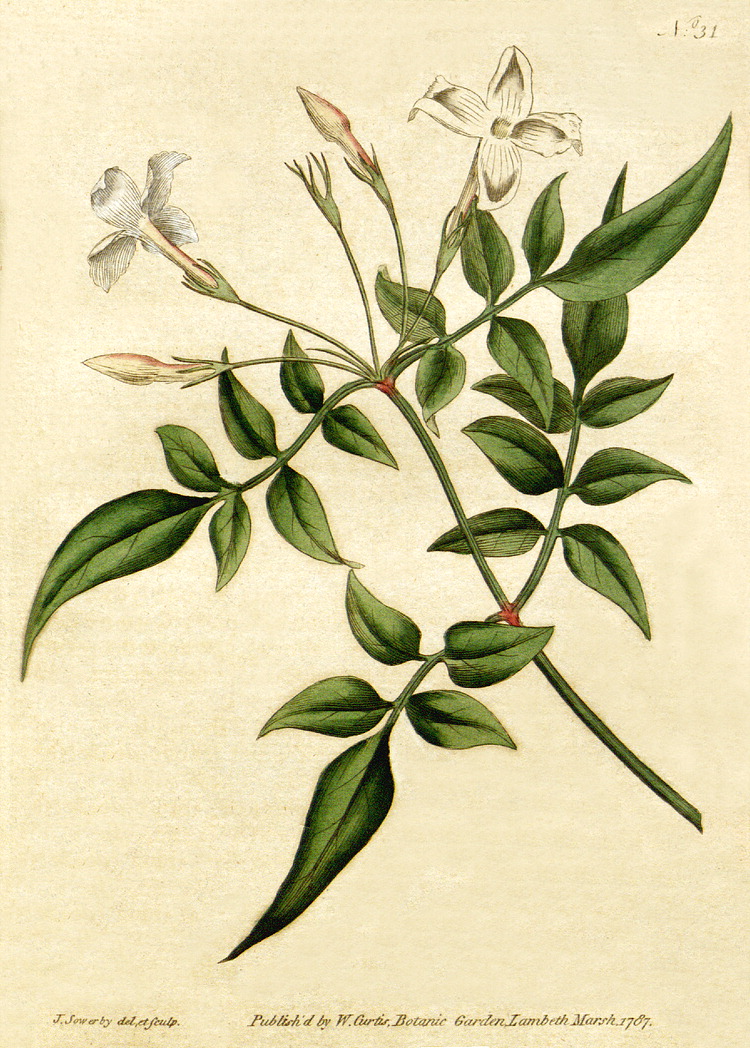
Spanish jasmine, known botanically as Jasminum grandiflorum, is a scrambling deciduous or semi-evergreen shrub native to South Asia, the Arabian Peninsula, and parts of East Africa. It is widely grown in warm regions for its intensely fragrant white flowers, which bloom from summer until autumn.
You will need a sunny, sheltered spot and a sturdy trellis or fence to support its sprawling stems that can reach up to 4 m (13 ft) in length. While often confused with culinary rice dishes, this plant is strictly an ornamental climber and perfume ingredient rather than an edible grain.
Key Facts
- Light: Full sun to partial shade
- Water: Keep evenly moist during summer
- Hardiness: USDA Zones 9 to 11
- Soil: Well-drained, fertile loam
- Bloom: Summer to autumn white flowers
Is Spanish Jasmine Right for Your Garden
Growing Spanish jasmine suits gardeners in warm climates who want a fast-climbing vine with exceptional evening fragrance. The single most important requirement is a frost-free winter location, as plants suffer severe damage when temperatures drop below -4 °C (25 °F). You can also grow it successfully in a large container and move it indoors or into a greenhouse before the first autumn freeze.
Unlike common indoor houseplants, this vigorous climber demands outdoor sun or a very bright sunroom to flower properly. It fits nicely against a sunny patio wall, pergola, or entryway where you can enjoy the sweet scent of the blossoms on warm summer evenings. Expect rapid growth once established, requiring regular spring tying and structural support.
Botanical Look and Flower Description
Spanish jasmine is easily identified by its opposite, pinnate leaves featuring 5 to 7 leaflets and a distinct terminal leaflet. The pure white, star-shaped flowers measure up to 3 cm (1.2 in) across and often feature a faint pinkish tint on the exterior of the petals before opening fully. Stems are green and angular when young, turning woody and grey-brown as the plant matures into a sprawling shrub up to 4 m (13 ft) tall.
- Leaflets: Elliptic to ovate, dark green, 1 to 3 cm (0.4 to 1.2 in) long
- Flowers: Highly fragrant, tubular corolla expanding into 5 flat lobes
- Blooms: Produced in terminal or axillary clusters from June through October
- Habit: Scrambling, open, and shrubby without support
Where to Plant Spanish Jasmine
Plant Spanish jasmine in a spot that receives at least 6 hours of direct sunlight daily to guarantee heavy summer flowering. Shadier positions result in lush green vines with very few fragrant blossoms. Choose a planting site shielded from harsh, drying winter winds to protect the remaining semi-evergreen foliage.
- Select a location with fast-draining soil to prevent winter root rot
- Position the plant near a seating area, doorway, or open window to catch the night scent
- Install a sturdy wooden trellis, wire mesh, or pergola posts before planting
- Amend heavy clay soils with coarse sand or well-rotted compost to improve drainage
How to Plant Spanish Jasmine
Dig a hole twice as wide as the nursery root ball and just as deep to give the spreading root system a strong start. Spring is the ideal planting season in temperate regions, allowing the roots to establish before summer heat arrives.
- Rake 5 cm (2 in) of organic compost into the native soil removed from the planting hole
- Place the root ball so the top sits level with the surrounding garden grade
- Backfill firmly around the roots and press down gently to eliminate large air pockets
- Soak the root zone thoroughly with 10 liters (2.5 gallons) of water immediately after planting
- Spread a 7 cm (3 in) layer of wood chip mulch across the surface, keeping it 5 cm away from the stems
Watering and Feeding Schedule
Water young Spanish jasmine plants once a week during dry spells for the first two growing seasons. Established plants tolerate short dry periods well, but regular moisture keeps the foliage glossy and extends the summer bloom cycle.
- Check soil dryness 5 cm (2 in) deep; water deeply if the soil feels dry to the touch
- Apply a balanced, slow-release granular fertilizer in early spring as new shoots emerge
- Feed container plants every 3 weeks during summer with a liquid bloom-booster fertilizer
- Withhold all fertilizer and reduce watering by half from November through February during dormancy
How to Prune Spanish Jasmine
Prune Spanish jasmine annually in late winter or early spring just before fresh vegetative growth begins. Cut away any dead, damaged, or crossing stems to maintain an open framework and encourage abundant flowering on new shoots.
- Shorten main lateral stems by one-third to encourage bushier side growth
- Remove old, woody branches entirely at the base every 3 years to rejuvenate the plant
- Trim back stray, unruly vines that block walkways or encroach on windows throughout the summer
- Always use sharp, sterilized bypass pruners to prevent tearing the green bark
How to Propagate Spanish Jasmine
Propagate Spanish jasmine easily from semi-hardwood stem cuttings taken in mid-summer. Select healthy, non-flowering shoots measuring 10 to 15 cm (4 to 6 in) long for the highest rooting success rate.
- Strip the leaves from the bottom half of each harvested stem cutting
- Dip the cut base into rooting hormone powder to accelerate root development
- Insert cuttings into a 50/50 mix of perlite and peat moss in a small propagation tray
- Cover the tray with a clear plastic dome to retain 80% humidity
- Keep the potting medium consistently moist and expect roots to form within 4 to 6 weeks
Common Problems and Pests
Watch for sap-sucking pests like aphids and mealybugs during warm, humid summer weather. Spray infested stems with insecticidal soap or neem oil every 7 days until the insect populations disappear.
- Yellow leaves: Usually caused by overwatering or poor soil drainage; let soil dry out between waterings
- Leaf drop: Triggered by sudden temperature drops, drafts, or severe underwatering
- Powdery mildew: Appears as a white fungal powder on leaves; improve air circulation and spray with a sulfur fungicide
- Spider mites: Thrive in dry indoor winter air; mist foliage frequently and wash leaves with a strong jet of water
Winter Care for Spanish Jasmine
Protect outdoor Spanish jasmine plants from freezing temperatures by applying a thick 10 cm (4 in) layer of straw or bark mulch over the root zone. Move container-grown plants indoors to a bright sunroom or conservatory before autumn temperatures dip below 5 °C (41 °F).
During winter indoor storage, water plants sparingly only when the top 5 cm (2 in) of soil feels completely dry. Avoid placing container plants near active heating vents or cold drafty doors, which cause sudden leaf shedding. Resume normal watering and outdoor placement in spring once all danger of frost has passed.
Spanish Jasmine Through the Seasons
| Spring | Prune back damaged stems in early spring. Apply a slow-release granular fertilizer and resume regular watering as new shoots appear. |
|---|---|
| Summer | Water deeply once a week during dry spells. Tie unruly vines to supports and feed container plants every 3 weeks with a bloom booster. |
| Autumn | Reduce watering frequency as temperatures cool. Move potted plants indoors before the first expected autumn frost. |
| Winter | Keep outdoor plants protected with a thick organic mulch layer. Water indoor container plants sparingly only when soil dries out. |
Spanish Jasmine Leaf and Stem Problems Explained
| What you see | Likely cause | What to do |
|---|---|---|
| Yellow lower leaves | Overwatering or poor drainage | Allow the soil to dry out between watering sessions and check drainage holes. |
| Lack of flowers | Insufficient sunlight or heavy nitrogen fertilizer | Move the plant to a spot with full sun and switch to a low-nitrogen, high-phosphorus fertilizer. |
| Sticky residue on leaves | Aphids or scale insects | Spray infested foliage thoroughly with organic insecticidal soap. |
| White powdery patches | Powdery mildew fungus | Prune dense stems to improve airflow and treat with a sulfur-based fungicide. |
Popular Spanish Jasmine Cultivars
- ‘Grandiflorum’ – Standard form with large, intensely fragrant white flowers
- ‘Affine’ – Double-flowered selection with extra petals and strong perfume
Companion Plants for Spanish Jasmine
Pair Spanish jasmine with other sun-loving climbers and shrubs to create layered textures and contrasting flower colours along a garden wall. Good companion plants include common ivy (Hedera helix), purple glory bush (Tibouchina urvilleana), and sweet pea (Lathyrus odoratus).
Underplant your jasmine trellis with low-growing perennials like lavender (Lavandula angustifolia) or rosemary (Salvia rosmarinus) to fill the base with contrasting foliage and complementary Mediterranean scents. Ensure companions share similar demands for well-drained soil and full sun.
Frequently Asked Questions
Is Spanish jasmine used to make Spanish rice?
No, Spanish jasmine is an ornamental climbing shrub and perfume plant unrelated to culinary rice. Recipes calling for jasmine rice use a fragrant long-grain food crop, not this botanical vine.
How do you make Spanish jasmine perfume?
Traditional perfume production involves solvent extraction of the freshly picked flowers to capture the delicate essential oils. Home gardeners typically harvest blossoms at dawn just as they open to float them in warm water or oil for casual home fragrances.
Is Spanish jasmine toxic to cats and dogs?
No, Spanish jasmine (Jasminum grandiflorum) is considered non-toxic to cats, dogs, and humans. However, ingestion of large amounts of plant material can occasionally cause mild stomach upset in pets.
How fast does Spanish jasmine grow?
Spanish jasmine is a fast grower under optimal conditions, putting out up to 1 m (3 ft) of new vine growth in a single season. Regular pruning is necessary to keep its sprawling habit neat and manageable.
Can Spanish jasmine survive winter outdoors?
Spanish jasmine can survive outdoors year-round only in USDA Hardiness Zones 9 through 11. Gardeners in colder climates must grow it in containers and bring it indoors before freezing temperatures arrive.
Information about traditional or historical uses is provided for educational interest only and is not medical advice. Do not use any plant to treat a condition without speaking to a qualified professional.
Sources & Verification
Taxonomy and distribution are checked against the databases below. Care guidance is written for cultivated species only and reviewed by our editor. How We Build Plant Profiles →