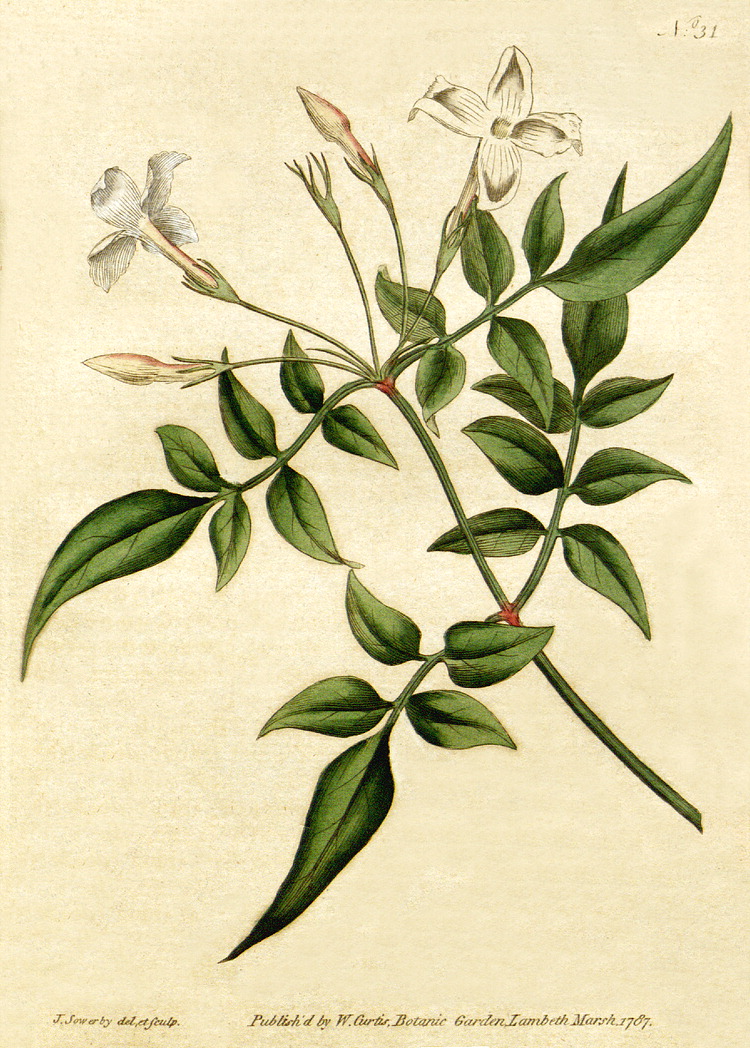
Primrose Jasmine is a sprawling evergreen shrub belonging to the olive family Oleaceae, originating from southern China and Vietnam. Unlike many other climbing jasmines, Jasminum mesnyi grows as a lax, semi-climbing arching shrub rather than a twining vine, reaching heights up to 3 m (10 ft).
You will need to provide strong structural support or let it cascade down retaining walls because it lacks tendrils to climb on its own. It blooms on previous year’s growth, which means mistimed pruning will remove the upcoming flower buds.
Key Facts
- Light: Full sun to partial shade
- Water: Moderate until established
- Hardiness: USDA Zones 8 to 11
- Bloom: Late winter to spring
- Height: Up to 3 m (10 ft)
Is Primrose Jasmine Right for Your Garden
Primrose Jasmine suits large landscapes, slopes, and tall fences where its lax branches can spill outward without crowding walkways. You should choose this shrub if you want a burst of bright yellow color in late winter before most other garden plants wake up. Keep in mind that its untamed, arching habit requires space, as branches can spread up to 3.6 m (12 ft) wide if left unmanaged.
- Best planted on steep banks for erosion control
- Requires manual tying if you want a vertical climber
- Tolerates urban pollution and coastal salt spray well
Avoid planting this shrub in narrow walkways or tight courtyard borders where its sprawling canes will constantly catch on clothing. Gardeners looking for a heavily scented flower should note that Jasminum mesnyi produces very little fragrance compared to common white jasmine (Jasminum officinale).
What Primrose Jasmine Looks Like
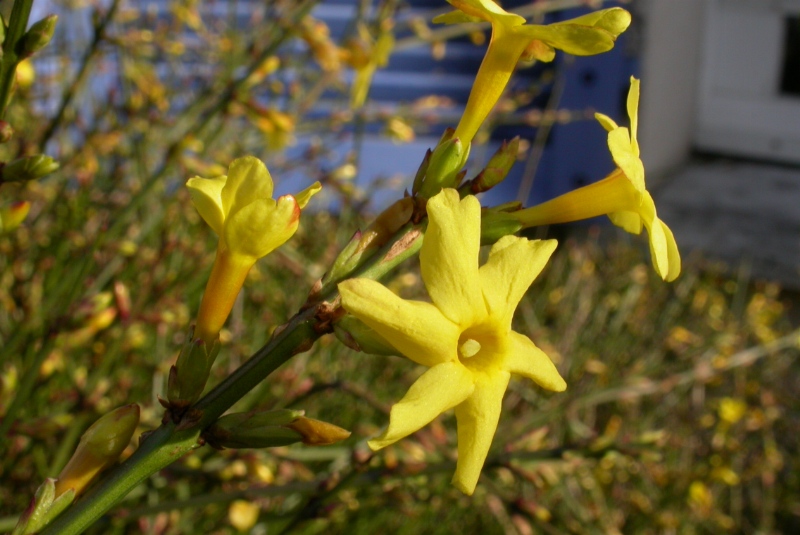
Primrose Jasmine is recognized by its distinct square green stems and opposite, trifoliate leaves with dark green leaflets measuring 2 to 5 cm (0.8 to 2 inches) long. The semi-double or single bright yellow flowers appear from late winter through spring, measuring about 4 to 5 cm (1.5 to 2 inches) across. Unlike many climbing relatives, the flowers of this species lack the sweet fragrance typical of true jasmines.
- Stems: Square in cross-section, bright green, cascading
- Leaves: Divided into three distinct leaflets with smooth margins
- Flowers: Semi-double, bright yellow, often with 6 to 8 petals
- Habit: Arching, scrambling shrub reaching 3 m (10 ft) tall
Where to Plant Primrose Jasmine
Plant Japanese jasmine in a spot that receives at least 6 hours of direct daily sunlight to maximize flower production. While it tolerates partial shade, fewer flowers will form, and the stems will become weak and leggy. Ensure the planting site features well-drained soil to prevent root rot during wet winter months.
- Choose a south- or west-facing wall for winter frost protection
- Provide a sturdy trellis, fence, or arbor if you want vertical coverage
- Ensure soil drains freely and does not remain waterlogged after heavy rain
How to Plant Primrose Jasmine
Dig a hole twice as wide as the nursery container and just as deep, positioning your Japanese jasmine plant so the top of the root ball sits level with the surrounding soil. Space multiple shrubs at least 1.8 m (6 ft) apart if you are creating a cascading hedge or ground cover mass planting. Water the newly installed shrub thoroughly to settle the soil around the roots.
- Amend heavy clay soils with compost to improve drainage
- Apply a 5 cm (2 inch) layer of organic mulch around the base to retain soil moisture
- Water deeply every 3 to 4 days for the first month after planting
Watering and Feeding Japanese Jasmine
Water Japanese jasmine once a week during its active growing season, allowing the top 5 cm (2 inches) of soil to dry out between waterings. Once established, this species tolerates occasional dry spells, but prolonged drought will cause leaf drop and reduced bloom counts. Apply a balanced, slow-release granular fertilizer in early spring just as new growth begins.
- Reduce watering frequency by half during the winter dormant season
- Avoid high-nitrogen fertilizers, which promote leafy green growth at the expense of flowers
- Feed container-grown specimens every 4 weeks with a liquid bloom-booster fertilizer
Japanese Jasmine Pruning Techniques
Prune your primrose jasmine immediately after the spring flowering cycle finishes to avoid cutting off next year’s flower buds. Cut back flowered stems by one-third to encourage dense branching and prevent the shrub from becoming tangled and woody at the base. Remove any dead, damaged, or crossing canes entirely from ground level.
- Never prune in autumn or winter, or you will lose the spring floral display
- Cut overgrown or neglected shrubs right down to 30 cm (12 in) from the ground to rejuvenate them
- Sanitize your pruning shears with rubbing alcohol before cutting to prevent disease transmission
How to Propagate Primrose Jasmine
Propagate Japanese jasmine easily during summer using semi-hardwood cuttings taken from healthy, non-flowering stems. Take a 15 cm (6 inch) cutting, strip the lower leaves, dip the cut end in rooting hormone, and insert it into a mixture of perlite and peat. Roots typically develop within 4 to 6 weeks under warm, humid conditions.
- Take cuttings in early morning when stems are fully hydrated
- Place a clear plastic bag over the pot to maintain high humidity around the cutting
- Transplant rooted cuttings into individual 15 cm (6 inch) pots after 8 weeks
Common Primrose Jasmine Problems
Inspect your plant regularly for aphids and mealybugs, which occasionally target tender new shoot tips during warm spring weather. Root rot will occur rapidly if the plant sits in heavy, poorly drained soil during winter rains. Treat minor pest infestations by spraying the foliage with insecticidal soap or a strong blast of water from a garden hose.
- Yellowing leaves often indicate overwatering or compacted, poorly draining soil
- Brown leaf edges point to severe drought stress or wind scorch
- Lack of flowers usually results from incorrect pruning times or insufficient sunlight
Winter Care for Japanese Jasmine
Protect Japanese jasmine from hard freezes when temperatures drop below -7 °C (20 °F) by applying a thick layer of organic mulch over the root zone. Container-grown plants should be moved indoors to a bright, cool garage or unheated sunroom if freezing winter conditions persist for weeks. Frost damage may kill branch tips to the ground, but healthy roots will reliably sprout new growth in spring.
- Wrap exposed stems in burlap if severe frost warnings are issued in USDA Zone 8
- Withhold all fertilizer applications from September onward to encourage winter dormancy
- Keep winter watering to a minimum, supplying moisture only during prolonged dry spells
Primrose Jasmine Through the Seasons
| Spring | Enjoy the peak yellow flower display, then prune back flowered stems by one-third immediately after blooms fade. Apply a balanced slow-release fertilizer as new foliage emerges. |
|---|---|
| Summer | Water deeply once a week during dry spells and take semi-hardwood cuttings for propagation if desired. Monitor young shoot tips for aphids and treat outbreaks with insecticidal soap. |
| Autumn | Withhold all fertilizers to allow current growth to harden off before winter. Reduce watering frequency and clear away fallen leaves from around the base. |
| Winter | Protect plants from severe frost below -7 °C (20 °F) using burlap or organic mulch. Inspect container specimens kept in unheated shelters and water sparingly. |
Japanese Jasmine Plant Problems Explained
| What you see | Likely cause | What to do |
|---|---|---|
| No flowers in spring | Pruned at the wrong time of year | Always prune immediately after flowering finishes in spring so buds can form on new summer growth. |
| Yellow lower leaves | Overwatering or poor soil drainage | Allow the top 5 cm (2 inches) of soil to dry out completely between watering sessions. |
| Sticky residue on leaves | Aphid or scale insect infestation | Spray affected stems thoroughly with horticultural insecticidal soap. |
| Leggy, sparse stems | Insufficient sunlight | Relocate the plant or thin out surrounding tree branches to provide at least 6 hours of direct sun. |
Companion Plants for Primrose Jasmine
Pair Japanese jasmine with contrasting evergreen shrubs and spring bulbs to create colorful garden displays during its flowering peak. Excellent companion plants include common box (Buxus sempervirens), purple leaf plum (Prunus cerasifera), and sweet osmanthus (Osmanthus fragrans). Spring-blooming bulbs like daffodils (Narcissus pseudonarcissus) planted underneath the arching canes provide a pleasing color contrast.
- Group with acid-loving shrubs like azaleas (Rhododendron indicum) in mixed woodland borders
- Combine with trailing rosemary (Salvia rosmarinus) on sunny retaining walls
- Plant alongside spring flowering cherry trees (Prunus serrulata) for overlapping seasonal color
Frequently Asked Questions
Is Japanese jasmine fragrant?
No, Japanese jasmine produces very little to no fragrance compared to other popular jasmine species like common white jasmine.
Is Japanese jasmine used for Japanese jasmine tea or rice?
No, Japanese jasmine flowers are not edible and are not used to flavor jasmine green tea or rice. True jasmine tea is scented with Jasminum sambac or flavored with jasmine rice fragrance.
Can Japanese jasmine be grown as a ground cover?
Yes, its sprawling, arching growth habit makes it an effective ground cover for slopes, banks, and large garden beds.
How do you prune Japanese jasmine?
Prune Japanese jasmine immediately after its spring bloom by cutting back flowered stems by one-third to encourage branching.
Is Japanese jasmine toxic to pets?
No, primrose jasmine is considered non-toxic to cats, dogs, and humans, unlike some plants carrying the common name jasmine.
Sources & Verification
Taxonomy and distribution are checked against the databases below. Care guidance is written for cultivated species only and reviewed by our editor. How We Build Plant Profiles →