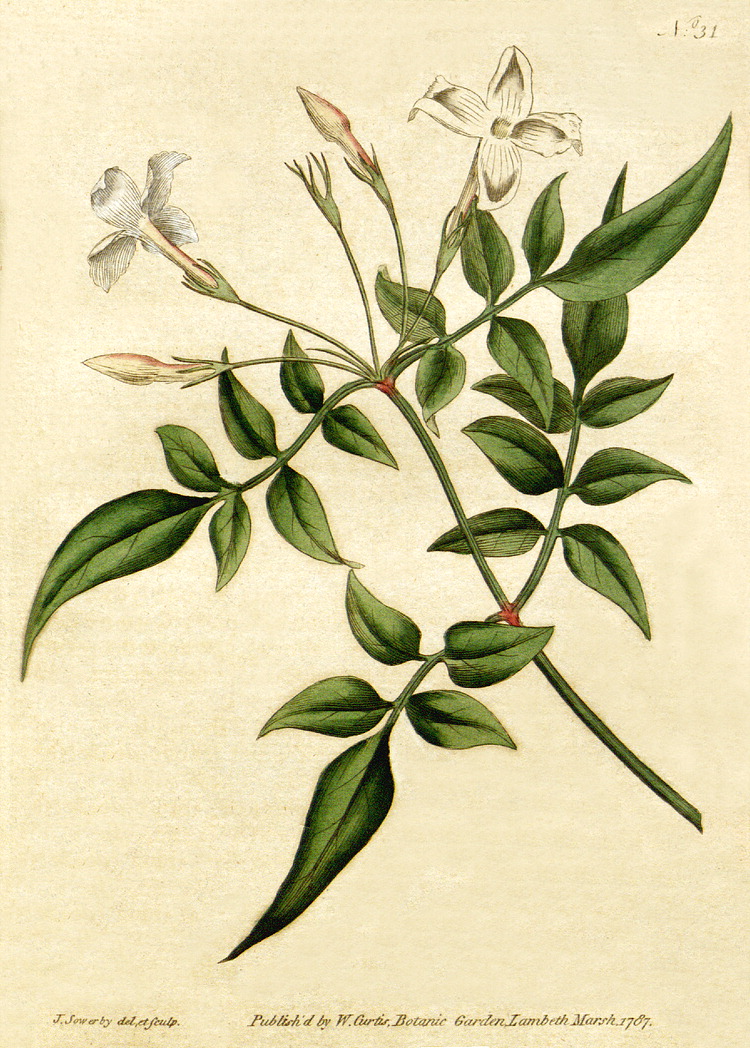
Pink jasmine (Jasminum polyanthum) is a vigorous evergreen twining climber native to China and Myanmar. It is widely cultivated for its dense clusters of highly fragrant, star-shaped white flowers with pink-tinted buds.
You will need to provide a sturdy trellis or support structure indoors, as this vine can quickly wrap around neighboring objects and fixtures. Cool winter temperatures are essential to trigger its heavy spring bloom cycle.
Key Facts
- Light: 4 to 6 hours of bright indirect sun
- Water: Keep soil evenly moist during growth
- Temperature: Cool 10-15 °C (50-59 °F) in winter
- Soil: Well-draining peat-based potting mix
- Toxicity: Non-toxic to cats and dogs
Living with Pink Jasmine Indoors
Growing pink jasmine successfully indoors requires balancing warm active growth with a strict winter chilling period. The single most important factor for blooms is keeping the plant below 15 °C (59 °F) from November through January. Without this cool rest, you will get plenty of green vines but zero flowers.
Place your pot near a bright window where it receives indirect sun for most of the day. Because the stems twine aggressively, set up a hoop or obelisk trellis right away so the plant has something to climb.
- Provide a sturdy bamboo hoop or wire trellis early on.
- Rotate the pot weekly to keep growth even on all sides.
- Prune back unruly stems immediately after the spring flowering finishes.
What Pink Jasmine Looks Like
Pink jasmine features dark green pinnate leaves composed of 5 to 7 leaflets that stay evergreen year-round. The mature plant reaches vine lengths of 1.8 to 6 m (6 to 20 ft) when given adequate support and root space in a large container.
Flower buds emerge as deep rose-pink tubes in late winter before opening into fragrant five-petaled white blooms. The intense sweet perfume can easily scent an entire room when the plant reaches peak bloom.
How Much Light Does Pink Jasmine Need
Pink jasmine needs bright indirect light with at least 2 hours of direct morning sun to produce heavy flower buds. Low light conditions in the back of a room will cause leggy growth and zero blossoms.
- East-facing or west-facing windowsills work best for indoor placement.
- Avoid harsh afternoon sun in summer, which can scorch tender foliage.
- Supplement with a full-spectrum grow light for 10 hours daily if natural light is low.
How Often to Water Pink Jasmine
Water pink jasmine whenever the top 2.5 cm (1 inch) of potting soil feels dry to the touch. Never let the root ball dry out completely, or the flower buds will drop off prematurely.
- Water thoroughly until liquid drains from the bottom holes.
- Empty the saucer after 15 minutes to prevent root rot.
- Reduce watering slightly in winter when plant growth slows down.
Best Soil Mix for Potted Pink Jasmine
Use a rich, well-draining potting mix composed of 60 percent peat or coco coir and 40 percent perlite to maintain adequate moisture retention without waterlogging. Heavy garden soil will compact inside pots and suffocate the roots.
- Add a handful of compost to boost nutrient levels during repotting.
- Ensure your container has at least one large drainage hole at the base.
- Repot young vines every spring into a pot that is 5 cm (2 inches) wider.
Indoor Humidity and Temperature Requirements
Pink jasmine thrives in average indoor humidity between 40 and 60 percent and prefers cool ambient conditions. Keep the plant away from drafty doorways, air conditioning vents, and hot radiators.
- Mist the foliage twice weekly if your indoor heating drops humidity below 30 percent.
- Maintain indoor temperatures between 15-21 °C (60-70 °F) during spring and summer.
- Drop winter temperatures to 10-13 °C (50-55 °F) at night to set flower buds.
Fertilizing Schedule for Heavy Blooms
Feed pink jasmine with a balanced liquid houseplant fertilizer diluted to half strength every two weeks throughout the active growing season. Stop feeding entirely from October through January while the plant rests for winter.
- Use a fertilizer with a slightly higher phosphorus ratio in late winter to boost blooms.
- Flush the soil with plain water once every two months to prevent mineral salt buildup.
- Never fertilize a dry plant, as concentrated salts will burn the root tips.
How to Propagate Pink Jasmine
Propagate pink jasmine easily by taking stem cuttings that are 10 to 15 cm (4 to 6 inches) long during the active spring or summer growing season. Softwood cuttings taken from current-year growth strike roots within 4 to 6 weeks.
- Dip the cut end of each stem into rooting hormone powder.
- Insert cuttings into a moist mixture of equal parts perlite and peat moss.
- Cover the pot with a clear plastic bag to retain high humidity until roots form.
Common Pink Jasmine Problems and Yellow Leaves
Yellow leaves on pink jasmine are usually caused by overwatering or poor soil drainage that starves the roots of oxygen. Inspect the root ball immediately if dropping foliage coincides with soggy soil.
- Spider mites attack plants kept in dry indoor air; wash leaves with insecticidal soap.
- Bud drop occurs if the plant experiences sudden temperature swings or drafts.
- Lack of flowers indicates the winter resting period was too warm.
Is Pink Jasmine Toxic to Pets?
Pink jasmine is non-toxic to cats, dogs, and humans according to the ASPCA toxicity database. You can safely keep this fragrant vine in homes with curious pets without risking systemic poisoning.
- Ingesting large amounts of raw plant material may still cause mild stomach upset.
- Keep trailing vines out of reach to prevent pets from chewing support ties.
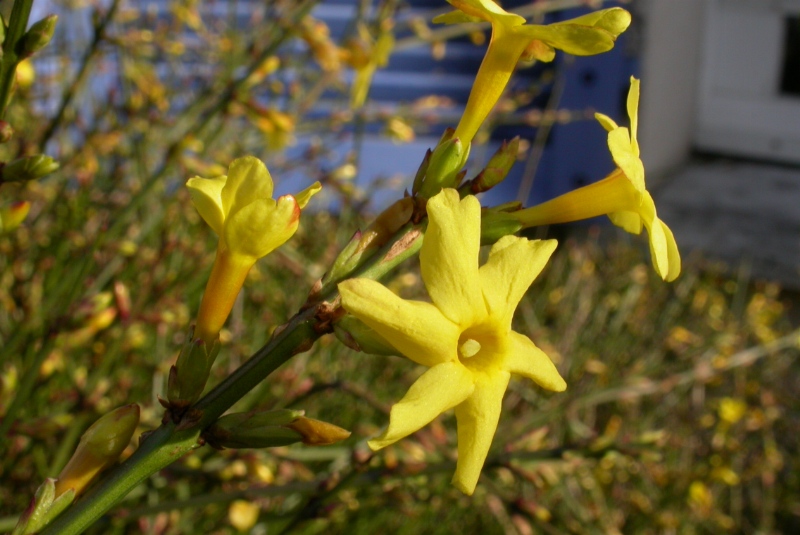
- True jasmine (Jasminum species) is safe, unlike toxic look-alikes such as yellow jasmine (Gelsemium sempervirens).
Pink Jasmine Blooming Season and Care
Pink jasmine blooms from late winter through mid-spring, producing heavy clusters of fragrant flowers that last for 4 to 6 weeks. Prune the plant immediately after the final flowers fade to encourage new branch growth for the following year.
- Never prune in autumn or winter, as you will cut off developing flower buds.
- Pinch back growing tips during summer to encourage a bushier vine structure.
- Clean dust off the evergreen leaves periodically with a damp cloth.
Pink Jasmine Through the Seasons
| Spring | Enjoy the heavy bloom cycle, then prune back flowered stems by one-third. Begin regular bi-weekly fertilizing and resume normal watering. |
|---|---|
| Summer | Water deeply as topsoil dries and tie wandering shoots onto your trellis. Move the pot to a bright indoor spot protected from harsh midday sun. |
| Autumn | Prepare the plant for dormancy by reducing indoor watering and stopping all fertilizer applications. Prepare to move the pot to a cooler room. |
| Winter | Keep the plant in a cool room at 10-15 °C (50-59 °F) with bright light and minimal water to trigger spring flower buds. |
Pink Jasmine Plant Problems Explained
| What you see | Likely cause | What to do |
|---|---|---|
| Yellow lower leaves | Overwatering or compacted soil | Allow the top soil to dry completely between waterings and improve drainage. |
| Bud drop before opening | Sudden temperature shifts or dry air | Maintain stable indoor temperatures away from heating vents and cold drafts. |
| No flowers in spring | Winter temperature was too warm | Move the plant to a cool room below 15 °C (59 °F) for three months. |
| Fine webbing on leaves | Spider mite infestation | Rinse foliage thoroughly and treat with horticultural soap spray. |
Popular Pink Jasmine Cultivars
- ‘Grand Duke’ – large double white flowers with strong fragrance
- ‘Fiona Sunrise’ – bright golden-yellow foliage in spring sunlight
Frequently Asked Questions
What is the difference between pink jasmine and star jasmine?
Pink jasmine (Jasminum polyanthum) belongs to the olive family and features pink-backed buds, whereas star jasmine (Trachelospermum jasminoides) belongs to the dogbane family and has pure white pinwheel flowers with milky sap.
Why are my pink jasmine leaves turning yellow?
Yellow leaves are usually caused by overwatering or poor drainage that leads to root stress. Allow the top inch of soil to dry out between watering sessions.
How do you care for pink jasmine indoors?
Grow pink jasmine in bright indirect light with a trellis for support, keep the soil moderately moist, and provide a cool winter resting period of 10-15 °C (50-59 °F) to encourage spring blooms.
When should you prune pink jasmine?
Prune pink jasmine immediately after its main spring flowering period finishes. Avoid pruning in late summer or autumn, as you will cut off the developing flower buds for next year.
Is pink jasmine fragrant?
Yes, pink jasmine is intensely fragrant with a sweet, sweet-scented perfume that intensifies during the evening and night hours.
Sources & Verification
Taxonomy and distribution are checked against the databases below. Care guidance is written for cultivated species only and reviewed by our editor. How We Build Plant Profiles →