Types of Vines and Climbing Plants
79 plant profiles · Explore 58 climbing vines, from flowering perennials like wisteria to edible gourds. Learn how they climb, support needs, and growth rates.
Vines are vascular plants with flexible, elongated stems that rely on external supports—such as trellises, arbors, rock faces, or host trees—to climb toward sunlight. Because they invest minimal structural energy in building thick trunks, they channel resources into rapid vertical growth, often reaching heights between 3 m (10 ft) and 15 m (50 ft) in a single season.
How a vine climbs determines the type of support it requires in your garden. Twining species like Japanese wisteria (Wisteria floribunda) and chocolate vine (Akebia quinata) coil entire stems around sturdy poles, whereas purple passionflower (Passiflora incarnata) fastens itself using spring-like leaf tendrils suitable for thin wire mesh. Others, such as Brazilian jasmine (Mandevilla sanderi), produce lax scrambling stems that you must tie by hand, while roundleaf greenbrier (Smilax rotundifolia) relies on paired petiole tendrils and stiff prickles to scramble over adjacent canopies.
When selecting a vine, balance cold hardiness and lifespan against your structural capacity. Evergreen clematis (Clematis armandii) provides year-round foliage in USDA Zones 7 through 9, while fast annuals such as morning glory (Ipomoea tricolor) and hyacinth bean (Lablab purpureus) yield rapid coverage within 60 to 90 days from seed. Always check local invasiveness and contact risks, as rampant spreaders like air potato (Dioscorea bulbifera) and allergenic species like poison ivy (Toxicodendron radicans) require strict containment or exclusion.

Air Potato
Dioscorea bulbifera
☀️ Full Sun 💧 Moderate

American Trumpet Vine
Campsis radicans
☀️ Full Sun 💧 Low

Anemone Clematis
Clematis montana
☀️ Full Sun 💧 Moderate
Arctic Beauty Kiwi
Actinidia kolomikta
☀️ Partial Sun 💧 Moderate
Balloon Vine
Cardiospermum halicacabum
☀️ Full Sun 💧 Moderate

Bengal Clock Vine
Thunbergia grandiflora
☀️ Full Sun 💧 Moderate

Benin Pepper
Piper guineense
☀️ Partial Shade 💧 Moderate

Betel Leaf
Piper betle
☀️ Partial Shade 💧 High
Black Bryony
Dioscorea communis
☀️ Partial Shade 💧 Moderate

Black Pepper
Piper nigrum
☀️ Partial Shade 💧 High
Blue Morning Glory
Ipomoea indica
☀️ Full Sun 💧 Moderate

Blue Passionflower
Passiflora caerulea
☀️ Full Sun 💧 Moderate

Blue Trumpet Vine
Thunbergia laurifolia
☀️ Full Sun 💧 Moderate
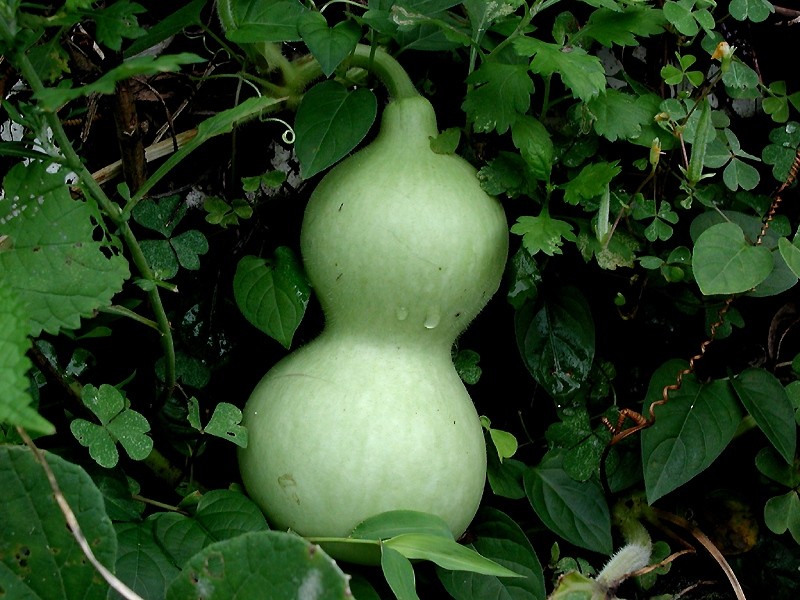
Bottle Gourd
Lagenaria siceraria
☀️ Full Sun 💧 High

Bougainvillea
Bougainvillea glabra
☀️ Full Sun 💧 Low

Brazilian Jasmine
Mandevilla sanderi
☀️ Bright Indirect 💧 Moderate

Butterfly Pea
Clitoria ternatea
☀️ Full Sun 💧 Moderate

Calico Flower
Aristolochia littoralis
☀️ Partial Sun 💧 Moderate

Chilean Potato Vine
Solanum crispum
☀️ Full Sun 💧 Moderate
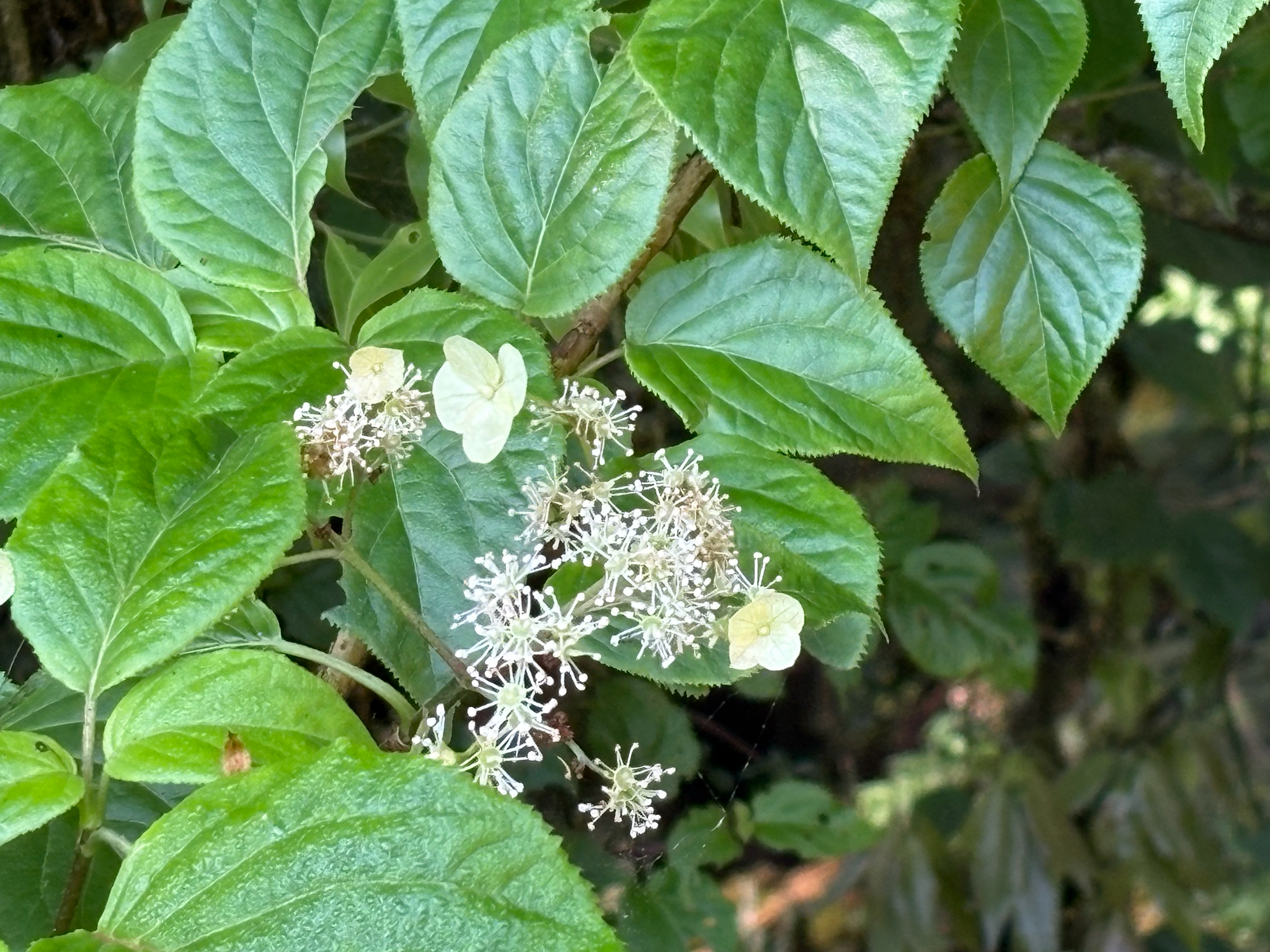
Chinese Hydrangea
Hydrangea anomala
☀️ Partial Shade 💧 Moderate

Chinese Smilax
Smilax glabra
☀️ Partial Shade 💧 Moderate

Chinese Violet
Telosma cordata
☀️ Full Sun 💧 Moderate

Chinese Wisteria
Wisteria sinensis
☀️ Full Sun 💧 Moderate

Chocolate Vine
Akebia quinata
☀️ Full Sun 💧 Moderate
Common Questions
What is the difference between twining vines and tendril climbers?
Twining vines wrap their main stems around a post, while tendril climbers produce specialized, threadlike coils that grasp thin wires. Twiners need uprights up to 5 to 10 cm (2 to 4 in) thick, whereas tendrils cannot encircle supports broader than 2 cm (0.8 in).
Can climbing vines damage brick mortar and home siding?
Vines with adventitious holdfasts or aerial roots can penetrate crumbly mortar and trap moisture against wooden siding. You can prevent structural damage by installing a freestanding metal trellis spaced at least 10 cm (4 in) away from the exterior wall.
How do you prune aggressive woody vines?
Prune established woody vines in late winter or early spring while the plant is dormant by cutting lateral branches back to two or three healthy buds from the main structural framework. Heavy summer trimming can then be used to manage wild vegetative shoots that exceed the trellis bounds.