Fragrant Plants for Gardens and Homes
175 plant profiles · Discover 138 fragrant plants for indoors and outdoor gardens, from night-scented blooms to crushed foliage and winter-flowering shrubs.
Fragrant plants release volatile essential oils and aromatic resins from their flowers, leaves, stems, or wood to attract pollinators or deter pests. Selecting the right species depends on whether you want continuous scent from foliage, seasonal floral bursts, or evening aromas that fill outdoor seating areas.
Flowering species like woodland tobacco (Nicotiana sylvestris) and Japanese lily (Lilium speciosum) emit heavy floral scents late in the day to attract night-flying moths. Vine options such as evergreen clematis (Clematis armandii) produce sweet almond-scented white blooms across early spring trellises. For winter interest, winter honeysuckle (Lonicera fragrantissima) opens fragrant white blossoms between January and March in temperatures as low as -15 °C (5 °F).
Foliage-scented species release aroma when touched, brushed, or crushed. Lemongrass (Cymbopogon citratus) and Russian sage (Salvia yangii) feature leaves packed with volatile terpenes that scent garden paths when brushed against. Citrus trees such as mandarin orange (Citrus reticulata) offer dual fragrance, producing perfumed blossoms alongside aromatic oil glands in the leaf peel.
When choosing plants from this profile, verify light requirements and toxicity. While gas plant (Dictamnus albus) releases lemon-scented oils that can cause phototoxic skin reactions upon contact, species like devil’s trumpet (Datura metel) contain toxic tropane alkaloids and must be placed away from livestock and pets.

African Nutmeg
Monodora myristica

Angel’s Trumpet
Brugmansia suaveolens
☀️ Full Sun 💧 High

Anise-Scented Sage
Salvia guaranitica
☀️ Full Sun 💧 Moderate

Arabian Jasmine
Jasminum sambac
☀️ Full Sun 💧 Moderate
Arolla Pine
Pinus cembra
☀️ Full Sun 💧 Moderate

Aromatic Ginger
Kaempferia galanga
☀️ Partial Shade 💧 High

Australian Frangipani
Hymenosporum flavum
☀️ Full Sun 💧 Moderate

Australian Laurel
Pittosporum tobira
☀️ Full Sun 💧 Low

Balsam Fir
Abies balsamea
☀️ Full Sun 💧 Moderate

Beach Spider Lily
Hymenocallis littoralis
☀️ Full Sun 💧 High

Bearded Iris
Iris germanica
☀️ Full Sun 💧 Low

Belladonna Lily
Amaryllis belladonna
☀️ Full Sun 💧 Low

Bigroot Geranium
Geranium macrorrhizum
☀️ Partial Shade 💧 Low
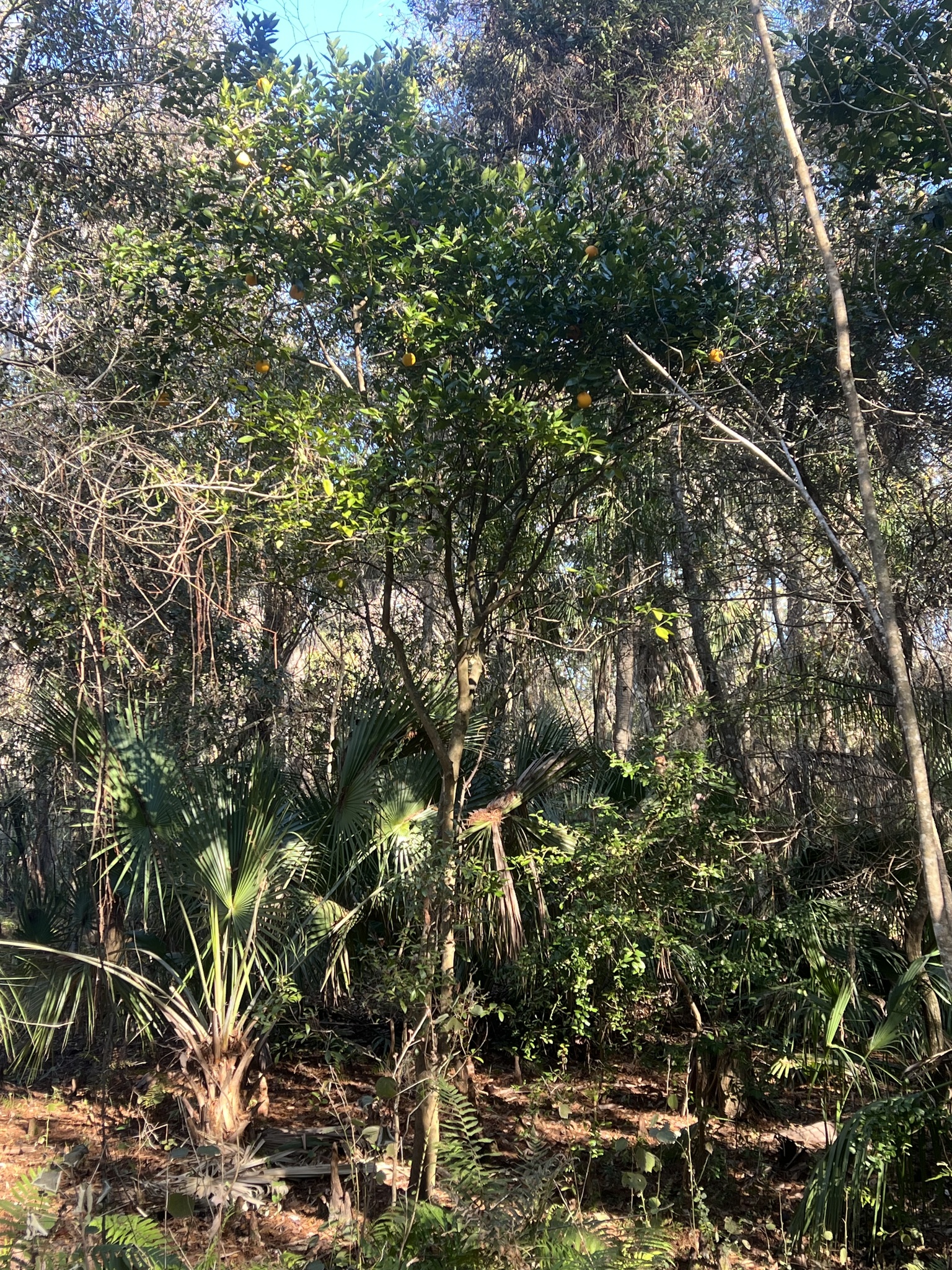
Bitter Orange
Citrus aurantium
☀️ Full Sun 💧 Moderate

Bushy Lippia
Lippia alba
☀️ Full Sun 💧 Moderate

Cabbage Rose
Rosa centifolia
☀️ Full Sun 💧 Moderate

Cabbage Tree
Cordyline australis
☀️ Full Sun 💧 Moderate

Cannonball Tree
Couroupita guianensis
☀️ Full Sun 💧 High

Cape Chestnut
Calodendrum capense
☀️ Full Sun 💧 Moderate

Cape Jasmine
Gardenia jasminoides
☀️ Bright Indirect 💧 Moderate

Carnation
Dianthus caryophyllus
☀️ Full Sun 💧 Moderate

Carolina Allspice
Calycanthus floridus
☀️ Partial Sun 💧 Moderate
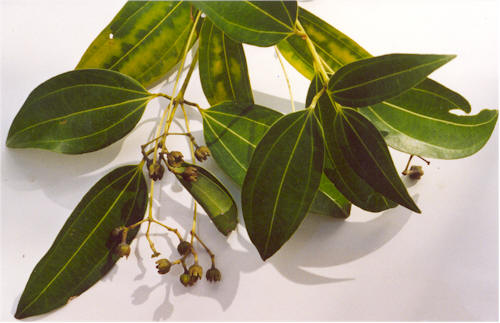
Ceylon Cinnamon
Cinnamomum verum
☀️ Full Sun 💧 Moderate

Champak
Magnolia champaca
☀️ Full Sun 💧 Moderate
Common Questions
Which fragrant plants smell strongest at night?
Woodland tobacco (Nicotiana sylvestris) and Japanese lily (Lilium speciosum) release their highest concentration of perfume after dusk to attract nocturnal moth pollinators.
Do aromatic plant leaves release scent without being touched?
Most foliage-scented species, including lemongrass (Cymbopogon citratus) and Russian sage (Salvia yangii), require physical friction or crushing to break oil glands on the leaf surface and release scent.
Which fragrant shrubs flower during the winter months?
Winter honeysuckle (Lonicera fragrantissima) blooms from January through March, producing sweet-scented white flowers on bare branches in USDA hardiness zones 5 through 9.