
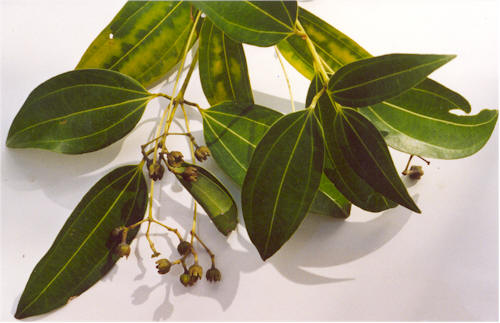
Ceylon Cinnamon (Cinnamomum verum) is a small evergreen tree in the Lauraceae family native to Sri Lanka, recognised by its fragrant leathery foliage and thin papery inner bark.
Outside tropical plantations, home growers keep it in 75 L (20 gal) containers or warm greenhouses, requiring high ambient humidity and complete protection from winter temperatures below 10 °C (50 °F).
Key Facts
- Hardiness: USDA zones 10 to 12
- Height: 10–15 m (33–50 ft) wild; 2 m (6.5 ft) pruned
- Light: Full sun to partial shade
- Water: Keep soil moist, avoid waterlogging
- Soil pH: 4.5–6.0 (acidic, sandy loam)
Where Ceylon Cinnamon Fits in the Garden
Ceylon Cinnamon requires warmth, high humidity, and acidic soil to thrive outside tropical regions. In USDA hardiness zones 10 through 12, it grows as a small outdoor tree or hedge, while northern growers maintain it in containers to move indoors before autumn cold arrives.
Choose a location that stays consistently above 15 °C (59 °F) during the active growing season. Potted plants require heavy rolling containers to accommodate seasonal transitions between sunrooms and outdoor patios.
How to Identify Ceylon Cinnamon
Ceylon Cinnamon produces ovate to lanceolate leaves 7–18 cm (3–7 in) long marked by three distinct parallel veins running from the base to the tip. Emerging foliage displays a reddish-pink shade before hardening to deep glossy green on top and pale green underneath.
Key botanical characteristics include:
- Bark: Smooth greyish-brown outer bark concealing soft, thin tan inner bark layered like paper.
- Flowers: Small, yellow-green panicles measuring 5–10 cm (2–4 in) long with a faint aroma.
- Fruit: Dark purple to black fleshy berries about 1.5 cm (0.6 in) long containing one seed.
- Foliage aroma: Crushed leaves release a distinct clove and cinnamon scent, contrasting with camphor tree (Cinnamomum camphora).
Ceylon Cinnamon Height and Growth Rate
Unpruned wild specimens reach 10–15 m (33–50 ft) tall with a canopy spread of 4–6 m (13–20 ft), while harvested plantation trees stay under 2 m (6.5 ft). Growth proceeds at a moderate pace of 30–50 cm (12–20 in) per year in warm climates.
Typical height milestones for container specimens include:
- Year 1–2: 60–100 cm (2–3.3 ft) tall with slender central stems.
- Year 3–5: 1.5–2 m (5–6.5 ft) tall, forming multiple stems ready for first coppicing.
Sunlight and Soil Requirements for Ceylon Cinnamon
Ceylon Cinnamon requires full sun to partial shade with at least 6 hours of direct light daily to maintain compact foliage and essential oil production. Dense shade produces weak, spindly growth and sparse foliage.
Soil selection must accommodate specific root preferences:
- Soil pH: Maintain acidic conditions between 4.5 and 6.0 using sulfur or sphagnum peat moss.
- Texture: Use a sandy loam mixed with coarse sand or perlite for container potting.
- Drainage: Ensure rapid drainage, as stagnant moisture causes root mortality.
How to Plant a Cinnamon Tree
Plant Ceylon Cinnamon in early spring when ambient temperatures consistently exceed 18 °C (64 °F). Dig a hole twice as wide as the root ball and equal in depth for ground planting.
Follow these steps to establish a healthy plant:
- Step 1: Prepare a potting mixture of equal parts peat moss, coarse sand, and weathered pine bark.
- Step 2: Set the root mass so the soil line sits level with the upper root collar.
- Step 3: Water with 10–15 L (2.5–4 gal) of water to settle air pockets around roots.
- Step 4: Apply a 5 cm (2 in) mulch layer around the base, keeping it 10 cm (4 in) clear of the stem.
Watering and Feeding Requirements
Water when the top 3–5 cm (1–2 in) of soil feels dry, applying water until it drains freely from the base. Never allow the root ball to dry out completely, which causes leaf scorch and shedding.
Feed regularly throughout the active growing period:
- Spring to Summer: Apply a balanced 10-10-10 liquid fertilizer diluted to half strength every 4 weeks.
- Acidifier: Supply chelated iron or ammonium sulfate once a year if leaves show yellowing between veins.
- Winter: Pause fertilizer applications from October through February while growth slows.
Pruning and Harvesting Ceylon Cinnamon Bark
Harvest bark by coppicing main shoots down to 5–10 cm (2–4 in) above the soil line every 2 years during rainy periods. Coppicing stimulates the root stool to send up multiple fresh shoots for future harvests.
Process true cinnamon quills using traditional methods:
- Cutting: Select 2-year-old shoots measuring 2–3 cm (0.8–1.2 in) in diameter.
- Scraping: Rub off the rough outer grey bark using a curved scraping tool.
- Peeling: Cut the inner bark lengthwise and slip it off in thin, papery sheets.
- Drying: Nest multiple thin inner bark strips together and dry in shade for 4–6 days until tan and curled.
Pests and Diseases
Prevent fungal root infections by maintaining loose, well-draining soil and avoiding overwatering. Inspect the undersides of leaves weekly for insect activity.
Watch for these common issues and remedies:
- Pink Disease (Corticium salmonicolor): Causes stem dieback; prune affected stems 15 cm (6 in) below visible damage.
- Spider Mites: Causes pale speckling on leaves in dry air; spray foliage with insecticidal soap.
- Mealybugs: Form white cottony spots in leaf axils; dab with 70% isopropyl alcohol on a cotton swab.
- Stripe Canker: Dark bark lesions; cut out diseased bark sections and treat with copper fungicide.
Winter Care and Frost Protection
Ceylon Cinnamon suffers severe defoliation at temperatures below 5 °C (41 °F) and dies back if exposed to hard frost. Move potted plants indoors when night temperatures drop near 10 °C (50 °F).
Maintain healthy indoor growth during cold months:
- Light: Place near a bright south-facing window receiving 6 hours of light.
- Humidity: Run an ultrasonic humidifier to maintain relative humidity around 50–60%.
- Moisture: Reduce watering frequency to once every 10–14 days.
Culinary and Traditional Uses
Ceylon Cinnamon bark delivers a subtle, sweet taste containing low levels of coumarin compared to cassia (Cinnamomum cassia), making it suitable for frequent culinary consumption. Ground bark and dried leaves yield warm aromatics for sweet and savory dishes.
Common uses include:
- Baking: Add ground quills to cinnamon rolls, fruit pies, and spiced bread.
- Beverages: Steep whole quills in black tea, cider, mulled wine, or hot chocolate syrup.
- Savory Cooking: Incorporate into curries, rice pilafs, and braised meat dishes.
- Traditional Preparations: Dried leaves and bark infusions were historically used as warm herbal teas for digestive comfort.
Frequently Asked Questions
How does Ceylon cinnamon differ from cassia?
Ceylon cinnamon (Cinnamomum verum) features thin, delicate layers of light tan bark rolled together like a cigar and contains trace coumarin. Cassia (Cinnamomum cassia) has a thick, single layer of dark red-brown bark that is hard to crush and contains higher coumarin levels.
Can you grow Ceylon cinnamon as a houseplant?
Yes, Ceylon cinnamon grows well in indoor containers if given 6 hours of bright sunlight and humidity above 50%. Keep indoor temperatures above 15 °C (59 °F) year-round to prevent leaf loss.
How long does it take for a cinnamon tree to produce cinnamon?
A young tree is ready for its first bark harvest 2 to 3 years after planting when stems reach 2–3 cm (0.8–1.2 in) in diameter. After coppicing, the trunk sprouts new stems that can be harvested every 2 years.
Is Ceylon cinnamon safe for pets?
Ground Ceylon cinnamon bark used in small cooking amounts is generally low in toxicity to pets. However, concentrated cinnamon powder or essential oils can cause mouth, skin, and stomach irritation in dogs and cats.
How do you turn cinnamon bark into cinnamon powder?
Peel the thin inner bark from harvested stems, roll it into tight quills, and allow it to dry in the shade until completely crisp. Grind the dried quills in a spice grinder and store the powder in an airtight glass container.
Information about traditional or historical uses is provided for educational interest only and is not medical advice. Do not use any plant to treat a condition without speaking to a qualified professional.
Sources & Verification
Taxonomy and distribution are checked against the databases below. Care guidance is written for cultivated species only and reviewed by our editor. How We Build Plant Profiles →


