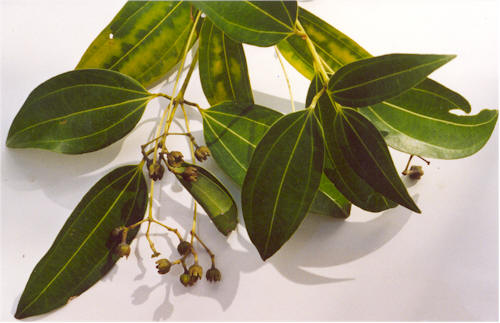
The camphor tree (Cinnamomum camphora) is a massive evergreen tree indigenous to warm temperate and subtropical regions of East Asia. It is instantly recognisable by the strong medicinal scent of crushed leaves and its sprawling, multi-stemmed canopy.
Gardeners with large properties grow it for deep summer shade and year-round green foliage. Success relies entirely on giving it ample space away from underground pipes and foundations.
Key Facts
- Light: Full sun to partial shade
- Water: Low once established
- Hardiness: USDA Zones 9 to 11
- Height: Up to 20 m (65 ft) tall
- Toxicity: Toxic to pets and humans if ingested
Is the Camphor Tree Right for Your Garden
The camphor tree suits spacious rural or suburban properties with room for a massive canopy and aggressive surface roots. Plant it at least 15 m (50 ft) away from structures to prevent damage to pavement, pools, and plumbing lines.
Avoid placing this tree near native bushlands or natural reserves in regions like Florida, South Africa, or eastern Australia, where dropped bird-fed seeds escape cultivation and crowd out local vegetation. It is not suitable for small urban yards because of its immense mature spread and dense, light-blocking foliage.
How to Identify a Camphor Tree
Look for glossy, alternate leaves measuring 5-10 cm (2-4 in) long that display distinct parallel veins branching from the base with tiny swollen glands underneath. Crush a leaf between your fingers to release a sharp, unmistakable medicinal aroma of camphor.
- Bark is dark brown to reddish, developing rough vertical fissures on older trunks.
- Flowers are small, yellowish-white, and bloom in loose clusters during spring.
- Fruit consists of spherical green berries turning dark purple-black by autumn, each measuring about 1 cm (0.4 in) across.
How Big Does a Camphor Tree Grow
A mature camphor tree reaches heights of 15 to 20 m (50 to 65 ft) with an equally wide or broader rounded crown. In optimal subtropical climates, individual specimens can exceed 30 m (100 ft) if left unmanaged for decades.
The trunk diameter often grows up to 2 m (6.5 ft) thick with low-branching scaffolds. Fast growth rates mean young saplings can easily add 1 m (3 ft) of height per year under ideal conditions.
Where to Plant a Camphor Tree
Select a site receiving full sun exposure to maintain a dense, symmetrical crown. Well-drained sandy loam or clay works best, although the tree adapts readily to mildly acidic soils.
- Provide full sun for maximum foliage density and faster establishment.
- Ensure deep, porous soil that prevents standing water around the root flare.
- Keep away from septic tanks and sewer lines due to root intrusion risks.
How to Plant Camphor Tree Saplings
Dig a hole twice as wide as the nursery container and just as deep to encourage outward root spread. Position the root ball level with the surrounding soil line before backfilling firmly.
- Water thoroughly immediately after planting to settle the surrounding soil.
- Apply a 7 cm (3 in) layer of organic mulch across a 1 m (3 ft) radius to retain moisture.
- Stake young trees only if high winds threaten to dislodge the root system during the first year.
Camphor Tree Watering and Care
Water young trees weekly during their first growing season to build a deep root architecture. Established specimens survive entirely on natural rainfall except during severe, prolonged droughts.
- Fertiliser is rarely required unless planted in extremely sterile beach sand.
- Remove fallen leaf litter regularly if you wish to prevent allelopathic suppression of turfgrass underneath the canopy.
- Apply a balanced, slow-release spring fertiliser only if leaf chlorosis appears.
How and When to Prune Camphor Trees
Prune your tree during late winter before spring flush begins to shape the canopy and remove damaged branches. Never remove more than 25 percent of the living crown in a single season.
- Sanitize pruning saws with rubbing alcohol before cutting to prevent fungal spread.
- Clear out low-hanging branches that obstruct pedestrian pathways or driveways.
- Prune away competing central leaders on young trees to establish one dominant trunk.
Camphor Tree Problems and Invasive Risks
The primary concern is its classification as an invasive species in regions like Florida, Hawaii, and parts of Australia due to prolific seed dispersal by frugivorous birds. Manage unwanted seedlings promptly by hand-pulling them while young or treating stumps with systemic herbicide.
- Scale insects and spider mites occasionally target stressed foliage in drought conditions.
- Root rot develops quickly if planted in heavy clay soils with poor drainage.
- Heavy leaf drop creates a slick surface on paved patios after autumn rain.
Camphor Tree Winter Care
Mature trees withstand brief winter freezes down to -9 °C (15 °F) without protective intervention. Protect young saplings under 2 years old with frost cloth if temperatures drop below freezing in USDA Zone 9.
Reduce irrigation significantly during winter dormancy to prevent root rot in cool, saturated soils. Avoid heavy pruning in autumn, as late growth flushes risk severe damage from early winter frosts.
Traditional Uses of Camphor Wood and Leaves
Distillation of the wood, roots, and leaves produces white camphor essential oil, traditionally used in steam inhalations and chest rubs. The dense, highly aromatic timber was historically carved into moth-resistant storage chests and cabinetry.
Traditional herbal practices across India and China utilized extracts for minor skin irritations and joint discomfort. Modern handling requires caution, as concentrated compounds are toxic if swallowed or applied directly to broken skin.
Camphor Tree Through the Seasons
| Spring | Inspect the canopy for storm damage and clear away winter debris. Apply a layer of organic mulch around the root zone to retain moisture. |
|---|---|
| Summer | Monitor young trees for drought stress and provide deep watering during prolonged dry spells. Watch for scale insects on leaf undersides. |
| Autumn | Rake up fallen leaves and dark berries to prevent unwanted seedlings from sprouting in your garden beds. Cut back any broken or rubbing branches. |
| Winter | Perform structural pruning before new buds swell in late winter. Protect young specimens from sudden hard freezes using insulating cloth. |
Camphor Tree Problems Explained
| What you see | Likely cause | What to do |
|---|---|---|
| Yellowing leaves | Poor drainage or iron chlorosis | Improve surrounding soil drainage and apply a chelated iron foliar spray. |
| Sticky residue on paving underneath | Scale insects or aphids feeding | Spray affected lower branches with horticultural soap or neem oil. |
| Dieback of branch tips | Frost damage or fungal canker | Prune back dead wood 15 cm (6 in) into healthy tissue using sterilized tools. |
| Unwanted seedlings sprouting everywhere | Birds dropping fertile seeds | Hand-pull seedlings immediately when small or apply a selective herbicide. |
Frequently Asked Questions
Are camphor tree roots invasive?
Yes, camphor tree roots are aggressive and superficial, frequently lifting sidewalks, damaging foundations, and invading underground pipes. Plant them far away from paved structures.
Are camphor trees evergreen?
Yes, camphor trees are evergreen, retaining their glossy green leaves throughout the entire year while dropping older foliage gradually in spring.
How do you stop camphor tree berries?
Stopping berries entirely is difficult on mature trees, but applying a plant growth regulator or pruning the canopy in spring can reduce overall fruit production.
When is the best pruning time for a camphor tree?
The best time to prune a camphor tree is in late winter just before the spring growth flush begins.
How do you use camphor tree leaves?
Camphor leaves can be crushed for their aromatic scent or distilled to extract essential oils, though internal consumption is toxic and dangerous.
Information about traditional or historical uses is provided for educational interest only and is not medical advice. Do not use any plant to treat a condition without speaking to a qualified professional.
Sources & Verification
Taxonomy and distribution are checked against the databases below. Care guidance is written for cultivated species only and reviewed by our editor. How We Build Plant Profiles →