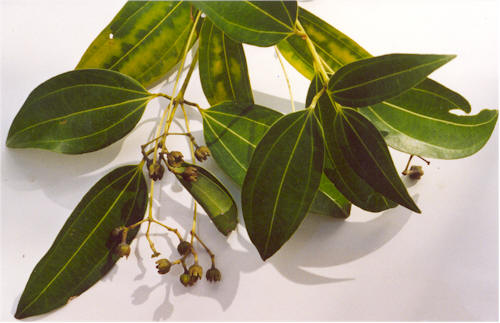
Chinese cinnamon (Cinnamomum aromaticum) is a tropical broadleaf evergreen tree native to southern China and widely cultivated across South and Southeast Asia. It serves as the primary commercial source of cassia spice, which is harvested from its thick, aromatic inner bark.
Outside tropical climates, growers must maintain warm greenhouse conditions because temperatures below 0 °C (32 °F) cause severe freeze damage. A mature tree yields rough reddish-brown bark rolls distinct from the delicate quills of Ceylon cinnamon.
Key Facts
- Plant Type: Broadleaf evergreen tree
- Native Range: Southern China
- Hardiness: USDA Zones 10 to 12
- Sunlight: Full sun to light shade
- Bark Harvest: Thick, single-rolled reddish-brown sticks
Growing Chinese Cinnamon in Home Gardens
Chinese cinnamon requires warm, humid conditions with total freedom from frost to survive outdoors year-round. You can grow it directly in ground soil within USDA Zones 10 through 12, or inside a temperature-controlled conservatory in cooler regions.
This tree forms an upright canopy and needs a long, warm growing season to develop its characteristic spicy bark. Container trees remain under 2 m (6.5 ft) tall when pruned annually. If you live in a region with cold winters, bring potted trees indoors before nighttime temperatures fall below 10 °C (50 °F).
How to Identify Chinese Cinnamon
Chinese cinnamon is identified by its thick, greyish-brown bark and stiff, glossy leaves with three distinct longitudinal veins running from base to tip. The trunk bark thickens up to 15 mm (0.6 in) on mature trees, turning rough and dark reddish-brown beneath the surface layer.
The leathery, oblong leaves measure 10 to 15 cm (4 to 6 in) long and 3 to 5 cm (1.2 to 2.0 in) wide. Fresh foliage emerges reddish-pink before turning dark green. Small, yellowish-white flowers bloom in loose clusters during late spring, followed by dark purple oval berries measuring 1 cm (0.4 in) across.
Mature Size and Canopy Spread
In tropical ground plantings, Chinese cinnamon reaches a height of 10 to 15 m (33 to 49 ft) with a canopy spread of 4 to 8 m (13 to 26 ft). Spice orchards routinely cut trees back close to ground level to encourage multi-stemmed coppice growth.
When grown in a 38 L (10 gal) container, the tree stays much smaller, topping out around 1.5 to 2 m (5 to 6.5 ft). Annual branch growth averages 30 to 50 cm (12 to 20 in) during warm weather.
Ideal Soil and Sunlight Conditions
Chinese cinnamon requires at least 6 hours of direct sun daily and moist, well-drained acidic soil with a pH between 5.5 and 6.5. Dense clay soils that retain excess standing water lead to root decline.
Improve garden planting sites by mixing organic leaf compost into sandy loam soil to preserve moisture while guaranteeing swift drainage. Alkaline soils above pH 7.0 restrict nutrient absorption, causing leaf yellowing and reduced shoot expansion.
- Sunlight: Full sun to light afternoon shade
- Soil Type: Acidic sandy loam rich in organic material
- Soil pH: 5.5 to 6.5
- Drainage: High permeability with no waterlogging
How to Plant a Chinese Cinnamon Tree
Plant young container trees in early spring after soil temperatures rise above 18 °C (65 °F). Dig a hole twice as wide as the root ball and equal to its depth.
Position the top of the root ball flush with surrounding ground level to avoid bark rot near the stem base. Space outdoor trees 4 to 6 m (13 to 20 ft) apart in open orchard rows. Soak the root zone with 20 L (5.3 gal) of water after planting and spread a 5 cm (2 in) mulch layer around the tree, keeping it clear of the trunk.
Watering and Feeding Requirements
Water young trees whenever the top 5 cm (2 in) of soil feels dry, providing about 20 L (5.3 gal) of water per week during spring and summer. Established outdoor trees tolerate brief dry periods but perform best under consistent humidity and moisture.
Feed ground-planted trees twice per year in spring and mid-summer using a balanced 10-10-10 organic granular fertilizer. Apply a liquid kelp or fish emulsion fertilizer every 4 weeks from April to September for container-grown plants.
Pruning and Harvesting Bark
Commercial growers coppice stems every 5 to 7 years by cutting main trunks 10 cm (4 in) above the soil line during rainy periods when sap flows freely. This harvest method stimulates dense new shoots for future bark collection.
To harvest cinnamon sticks at home, select shoots at least 2 cm (0.8 in) thick. Scrape away the grey corky outer bark, strip off the aromatic inner bark in long sheets, and dry them in full sun until they curl into hard, single-rolled cassia sticks. Prune potted trees in early spring to shape the crown.
Common Pests and Tree Diseases
Chinese cinnamon is vulnerable to gall midges, scale insects, and fungal leaf spot caused by Colletotrichum species. Check leaf undersides regularly for raised reddish swellings or sticky honeydew residue.
Prune away leaves infected with midges or fungal spots to stop spreading. Treat scale infestations using horticultural oil applied during cooler morning hours.
- Gall Midges: Leaves form hard reddish blisters; prune affected twigs
- Scale Insects: Small brown bumps on stems; spray with insecticidal soap
- Root Rot: Stems turn mushy near soil; reduce watering and clear drainage paths
Winter Protection and Temperature Limits
Chinese cinnamon halts growth when air temperatures drop below 12 °C (54 °F) and suffers branch dieback at 0 °C (32 °F).
In cool climates, move potted trees into a warm sunroom or greenhouse before the first autumn frost. Keep winter indoor ambient conditions between 15 and 22 °C (59 and 72 °F). Reduce watering frequency so the potting soil remains slightly damp, and provide supplemental light if natural day length drops below 8 hours.
Culinary and Traditional Uses
The dried inner bark of Chinese cinnamon yields thick cassia sticks and ground cinnamon powder used worldwide in baking, curries, and teas. The unopened dried flower buds, called cassia buds, provide a pungent spice used in pickling and braising liquids.
The steam-distilled bark oil contains high amounts of cinnamaldehyde along with coumarin compounds. In traditional practice, the dried bark known as rou gui was used to warm the body and support digestive function. Because Chinese cinnamon contains significantly higher coumarin levels than Ceylon cinnamon, limit heavy daily consumption to protect liver health.
Frequently Asked Questions
Is Chinese cinnamon the same as Ceylon cinnamon?
No, Chinese cinnamon comes from Cinnamomum aromaticum and features thick, dark brown, single-rolled hard sticks with a strong spice flavor. Ceylon cinnamon comes from Cinnamomum verum, producing soft, tan, multi-layered quills with a sweeter, delicate taste.
Is Chinese cinnamon toxic to cats and dogs?
Yes, Chinese cinnamon contains essential oils and coumarin that are toxic to pets when ingested in quantity. Consuming cinnamon sticks or concentrated powder causes mouth irritation, vomiting, altered heart rate, and potential liver stress.
What is the difference between Chinese cinnamon and regular cinnamon?
In North America, most store-bought regular cinnamon is actually Chinese cinnamon (cassia). It differs from Ceylon cinnamon (Cinnamomum verum) by having a sharper flavor, darker reddish color, thicker bark quills, and higher coumarin content.
Can you grow a Chinese cinnamon tree from a cinnamon stick?
No, you cannot grow a tree from grocery store cinnamon sticks or powder because the plant material is dried and non-viable. You must plant fresh seeds or purchase a rooted potted sapling from a tropical nursery.
What is a good Chinese cinnamon substitute in recipes?
Ceylon cinnamon (Cinnamomum verum) is the best substitute, though you may need to use slightly more because its flavor is milder. Other alternatives include Indonesian cassia (Cinnamomum burmannii), Saigon cinnamon (Cinnamomum loureiroi), or ground allspice (Pimenta dioica).
Is Chinese cinnamon good for you?
Chinese cinnamon contains cinnamaldehyde and beneficial antioxidants, but it also contains up to 1% coumarin by weight. While small culinary amounts used in baking or tea are safe, high daily consumption over long periods is not recommended due to liver health risks.
Information about traditional or historical uses is provided for educational interest only and is not medical advice. Do not use any plant to treat a condition without speaking to a qualified professional.
Sources & Verification
Taxonomy and distribution are checked against the databases below. Care guidance is written for cultivated species only and reviewed by our editor. How We Build Plant Profiles →