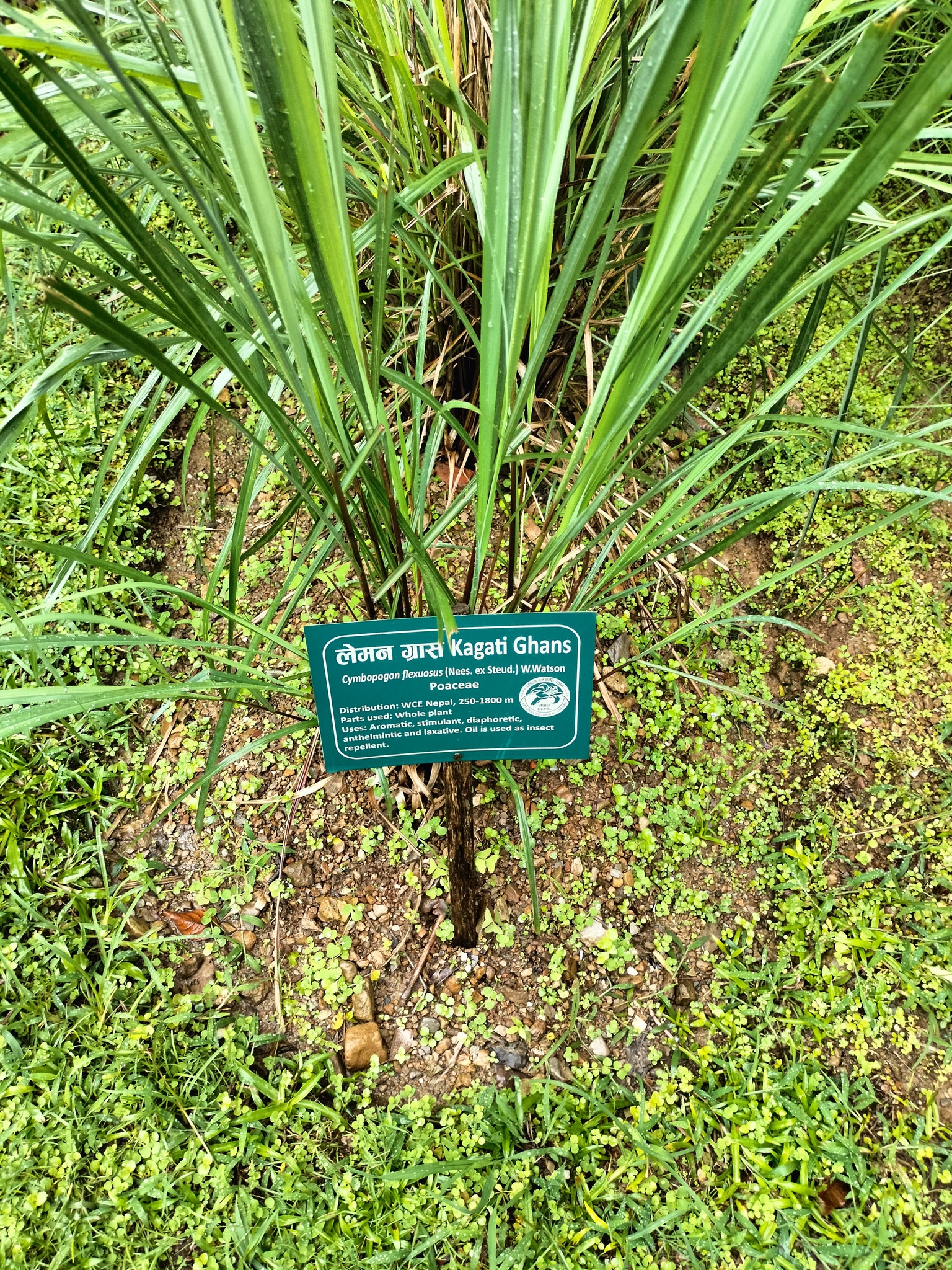
Lemongrass (Cymbopogon citratus) is a tropical perennial grass native to South Asia and Maritime Southeast Asia that grows in dense, fragrant clumps. It is primarily grown for its thick, bulbous stems which contain high concentrations of citral, the essential oil responsible for its distinct lemon aroma.
While it thrives in tropical climates like those in Bangladesh and Thailand, you can grow it as an annual in temperate zones or move pots indoors for the winter. This species differs from East Indian lemongrass (Cymbopogon flexuosus) by having slightly thicker, more succulent stalks that are preferred for culinary pastes.
Key Facts
- Light: Minimum of 6 to 8 hours of direct sun
- Water: Keep soil consistently moist; high water requirement
- Hardiness: Best in USDA zones 10 to 11
- Growth: Reaches 0.9 to 1.5 m (3 to 5 ft) in one season
- Soil: Rich, loamy soil with a pH of 6.0 to 7.5
Is Lemongrass Right for Your Garden?
Lemongrass requires high heat and consistent moisture to produce the thick, succulent stalks used in cooking. It is a fast-growing grass that forms large, fountain-like clumps, making it suitable as a temporary summer screen or a container plant on a sunny patio. If you live in a region with frost, you must treat it as an annual or provide a warm indoor space for overwintering.
Because it expands rapidly, a single 10 cm (4 in) division can fill a 30 cm (12 in) pot within three to four months. You should ensure you have enough space, as the leaf blades can reach 1.5 m (5 ft) in length and have sharp edges that can cause minor skin irritation. It is a heavy feeder that requires more nitrogen than typical Mediterranean herbs like rosemary (Salvia rosmarinus).
- Best for gardeners with 6+ hours of daily direct sun.
- Requires a container of at least 20 litres (5 gallons) for proper root development.
- Ideal for tropical-themed landscapes or dedicated herb gardens.
Identifying Lemongrass by Leaf and Stem
Lemongrass is identified by its blue-green, strap-like leaves that emit a strong lemon scent when crushed. The leaves are roughly 1.5 to 2.5 cm (0.6 to 1 in) wide and taper to a fine point, often drooping at the tips to create a mounded habit. Unlike many ornamental grasses, the base of each leaf sheath is thickened and fleshy, forming the “stalk” used in culinary applications.
The stalks of Cymbopogon citratus are generally thicker and more bulbous than those of Cymbopogon flexuosus, often reaching a diameter of 1.5 to 2 cm (0.6 to 0.8 in). In its native tropical habitat, it may produce branched panicles of small, inconspicuous flowers, but these are rarely seen in temperate cultivation. The root system is a dense mat of fibrous roots that stays relatively shallow, usually within the top 30 cm (12 in) of soil.
Best Conditions for Growing Lemongrass
To thrive, lemongrass needs temperatures consistently above 21 °C (70 °F) and full sun exposure. It is highly sensitive to cold; growth slows significantly when temperatures drop below 13 °C (55 °F), and frost will kill the foliage. In hot climates like Florida or Bangladesh, it benefits from afternoon mulching to keep the root zone cool and moist.
Rich, loamy soil with plenty of organic matter is necessary to support its rapid biomass production. If your soil is heavy clay, incorporate compost or aged manure to improve drainage while retaining the high moisture levels this grass demands. A soil pH between 6.0 and 7.5 is ideal for nutrient uptake.
- Sun: Full sun is non-negotiable for oil production.
- Heat: Growth peaks at 25 to 35 °C (77 to 95 °F).
- Humidity: Prefers high humidity but tolerates dry air if roots are wet.
Growing Lemongrass from Supermarket Stalks
You can easily propagate lemongrass by rooting fresh stalks from a grocery store in a jar of water. Select stalks that still have a firm, intact base (the basal plate) and avoid those that appear overly dried or trimmed too close to the bottom. Place the stalks in 5 cm (2 in) of clean water and change the water every two days to prevent bacterial rot.
Roots typically appear within 7 to 14 days, followed by new green growth from the centre of the stalk. Once the roots are 2 to 3 cm (1 in) long, transplant the stalk into a pot filled with high-quality potting mix. If you are dividing an existing plant, use a sharp spade to slice through the root mass, ensuring each division has at least two or three healthy stalks attached.
Watering and Feeding Your Lemongrass Plant
Water your lemongrass whenever the top 2 cm (1 in) of soil feels dry to the touch. This plant does not tolerate drought well; if the leaf tips begin to turn brown and crispy, it is likely a sign of underwatering. During peak summer heat, container-grown plants may require watering once or twice daily to keep the root ball hydrated.
Apply a high-nitrogen liquid fertiliser every two to three weeks during the active growing season. Because you are harvesting the foliage and stems, the plant needs constant nitrogen to regenerate. You can also top-dress the soil with 5 cm (2 in) of compost in early summer to provide a steady release of nutrients and help maintain soil moisture levels.
How and When to Harvest Lemongrass Stalks
Harvest lemongrass stalks once they reach a thickness of at least 1.5 cm (0.5 in) at the base. For most plants, this occurs roughly 90 to 120 days after planting. Do not cut the entire plant down; instead, use a sharp knife to cut individual stalks away from the outside of the clump, slicing slightly below the soil line to include the tender bulbous base.
Alternatively, you can firmly grasp a stalk near the base and twist it away from the main clump. For tea, you can harvest the green leaf blades at any time by clipping them with shears, but the most intense flavour is found in the bottom 10 to 15 cm (4 to 6 in) of the stalk. Regular harvesting encourages the plant to produce more offsets and prevents the clump from becoming overly woody.
- Select the thickest stalks first.
- Peel away the tough outer layers before cooking.
- Use the green tops for steeping tea or flavouring stocks.
Storing and Using Lemongrass in the Kitchen
Fresh lemongrass stalks will stay usable in the refrigerator for up to three weeks when wrapped in damp paper towels. For long-term storage, the stalks can be frozen whole or minced into a paste and frozen in ice cube trays for up to six months. Drying is also an option for the leaves, though they lose some of their bright citrus notes compared to fresh or frozen material.
In the kitchen, the tender white inner core of the stalk is finely minced for curries, stir-fries, and marinades. The tougher outer layers and green tops are typically bruised with the back of a knife and simmered in soups or teas, then removed before serving. Lemongrass pairs particularly well with ginger (Zingiber officinale), garlic, and coconut milk.
Winter Care and Overwintering Indoors
Move your lemongrass indoors when night temperatures consistently drop below 10 °C (50 °F). If the plant is too large to move, take several small divisions and pot them up to keep on a bright windowsill. Cut the foliage back to about 15 to 20 cm (6 to 8 in) to reduce water loss and make the plant more manageable indoors.
During the winter, lemongrass enters a semi-dormant state and requires significantly less water. Only water when the soil is mostly dry, and stop all fertilising until new growth appears in the spring. Place the pot in the brightest window available, preferably south-facing, or use a supplemental grow light for 12 hours a day to prevent the stalks from becoming weak and spindly.
Year-Round Lemongrass Maintenance
| Spring | Divide overwintered clumps once temperatures stay above 15 °C (60 °F). Begin fertilising with a high-nitrogen feed every 2 weeks. |
|---|---|
| Summer | Water daily during heatwaves. Harvest outer stalks frequently to encourage new growth. Apply a 5 cm (2 in) layer of organic mulch. |
| Autumn | Reduce watering as temperatures cool. Move pots indoors or take 10 cm (4 in) divisions for overwintering before the first frost. |
| Winter | Keep indoor plants in a bright spot at 15-20 °C (60-68 °F). Water sparingly and do not fertilise until spring. |
Common Lemongrass Problems and Solutions
| What you see | Likely cause | What to do |
|---|---|---|
| Brown, crispy leaf tips | Underwatering or low humidity | Increase watering frequency and mist the foliage if grown indoors. |
| Yellowing leaves (Chlorosis) | Nitrogen deficiency | Apply a balanced liquid fertiliser or blood meal immediately. |
| Rust-coloured spots on leaves | Lemongrass rust (Puccinia fungus) | Remove infected leaves and improve air circulation around the clump. |
| Stalks rotting at the base | Overwatering or poor drainage | Reduce watering and ensure the pot has adequate drainage holes. |
Lemongrass Species and Related Grasses
- Cymbopogon citratus – The standard West Indian culinary variety.
- Cymbopogon flexuosus – East Indian type, better for essential oils.
- Cymbopogon nardus – Citronella grass, used for insect repellent, not for eating.
Frequently Asked Questions
What are the benefits of lemongrass tea?
Lemongrass tea was traditionally used to support digestion and reduce fever, and it contains antioxidants like chlorogenic acid and isoorientin. It provides a caffeine-free citrus flavour that is often enjoyed for its calming effect.
Can I grow lemongrass indoors year-round?
Yes, but it requires at least 6 hours of very bright light from a south-facing window or grow lights to prevent the stalks from thinning. Indoor plants rarely grow as large or as fast as those grown in full sun outdoors.
Is lemongrass toxic to cats and dogs?
Lemongrass is considered mildly toxic to pets because it contains cyanogenic glycosides and essential oils that can cause stomach upset. While a small nibble is usually fine, large amounts can lead to vomiting or diarrhoea.
How do I tell the difference between lemongrass and citronella grass?
Lemongrass (Cymbopogon citratus) has green pseudostems and is edible, while citronella grass (Cymbopogon nardus) often has reddish-purple stems and is used only for its insect-repelling oil.
How long does it take for lemongrass to grow?
A rooted stalk typically takes 3 to 4 months of warm weather to grow into a harvestable clump with multiple stalks. In tropical regions, it can be harvested year-round once established.
Information about traditional or historical uses is provided for educational interest only and is not medical advice. Do not use any plant to treat a condition without speaking to a qualified professional.
Sources & Verification
Taxonomy and distribution are checked against the databases below. Care guidance is written for cultivated species only and reviewed by our editor. How We Build Plant Profiles →