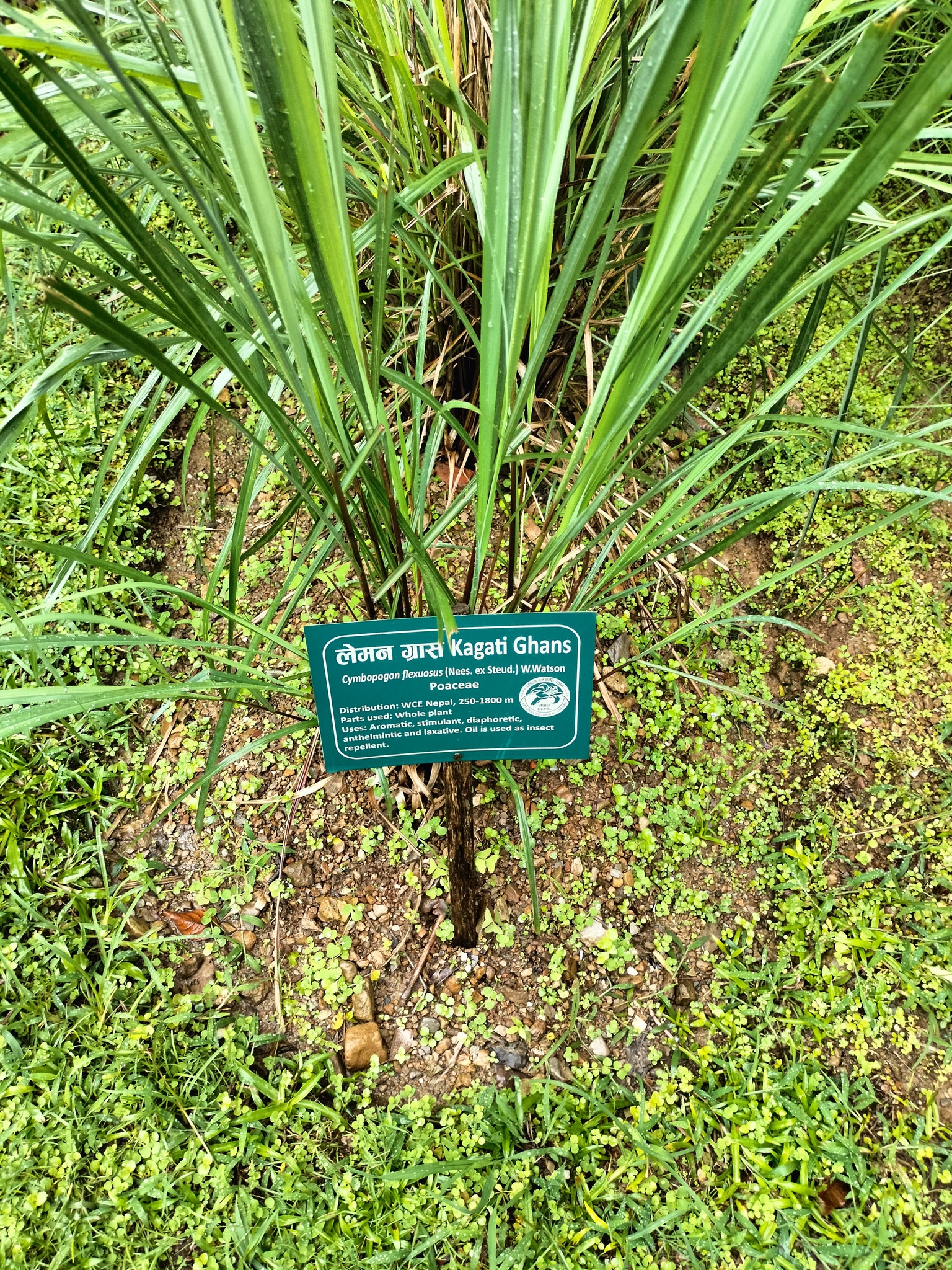
Palmarosa is a tall, perennial aromatic grass native to India and Indochina, belonging to the same genus as lemongrass and citronella. It is scientifically known as Cymbopogon martinii and is widely cultivated for its essential oil, which contains a high concentration of geraniol.
While it resembles a common field grass, its crushed leaves release a scent nearly identical to a rose (Rosa damascena). It requires a tropical or subtropical climate to survive the winter and is primarily grown as a commercial crop for the fragrance and cosmetic industries.
Key Facts
- Light: Full sun for at least 6-8 hours daily
- Water: Moderate; keep soil moist during the establishment phase
- Hardiness: USDA zones 9-11; sensitive to frost
- Height: Reaches 1.5-3 m (5-10 ft) at maturity
- Soil: Well-drained loamy or sandy soil with pH 6.0-7.5
Is Palmarosa Right for Your Garden?
Palmarosa is best suited for gardeners in tropical or subtropical regions where temperatures stay above 10 °C (50 °F) year-round. It is a large, clump-forming grass that needs significant space, making it better for borders or dedicated herb plots than small containers. If you live in a cooler climate, you must treat it as an annual or move large pots into a heated greenhouse before the first frost.
This plant is a high-utility choice if you are interested in home distillation or natural scent production. It is less invasive than some other grasses but still spreads via a thick rhizomatous root system. You should choose a site where its height, which can reach 3 m (10 ft), won’t shade out smaller sun-loving herbs like thyme (Thymus vulgaris).
- Requires a frost-free growing season of at least 6 months
- Needs a minimum annual rainfall of 100 cm (40 in) for high oil yield
- Best for large landscapes rather than small balconies
Identifying Palmarosa Grass
Palmarosa is a tall, tufted perennial grass with slender stems and long, linear leaves that can reach 50 cm (20 in) in length. The leaves are typically bluish-green and have a cordate (heart-shaped) base that wraps around the stem. When the plant matures, it produces large, drooping panicles of flowers that turn a reddish-brown or purple hue as they age.
Botanically, there are two main varieties: ‘Motia’ and ‘Sofia’. The ‘Motia’ variety is the true Palmarosa used for high-quality oil, while ‘Sofia’ is known as Ginger Grass and has a lower geraniol content. You can distinguish them by the way the leaves meet the stem; ‘Motia’ leaves are more distinctly heart-shaped at the base.
- Stems (culms) are upright, smooth, and filled with pith
- Leaves are 1-3 cm (0.4-1.2 in) wide with a prominent midrib
- Flower clusters can be 20-40 cm (8-16 in) long
- Root system consists of short, stout rhizomes and fibrous roots
Ideal Growing Conditions
Palmarosa thrives in full sun and well-drained soil with a neutral to slightly alkaline pH. It is native to the humid regions of India, so it performs best in areas with high humidity and temperatures between 20-35 °C (68-95 °F). While it can tolerate poor soils, a loamy texture with good organic matter will significantly increase the biomass and oil concentration.
Avoid planting in waterlogged areas, as the rhizomes are prone to rot in standing water. If your soil is heavy clay, amend it with sand or compost to improve drainage. In regions with intense summer heat, the plant can tolerate light afternoon shade, but too much shade will result in weak, floppy stems and reduced fragrance.
- Soil pH should ideally be between 6.0 and 7.5
- Requires full sun for maximum geraniol production
- Tolerates a wide range of altitudes from sea level to 300 m (1,000 ft)
Sowing and Propagation
The most reliable way to propagate Palmarosa is by splitting established root clumps (slips) during the early rainy season. While you can grow it from seed, germination rates are often low (around 30-50%), and seedlings are slow to establish. To use slips, dig up a healthy mother plant and divide the rhizomes, ensuring each piece has at least 2-3 healthy shoots and a portion of the root system.
If starting from seed, sow them in nursery beds in late spring. Cover the seeds with a very thin layer of soil, as they need light to germinate. Transplant the seedlings when they reach 15 cm (6 in) in height, usually about 4-6 weeks after sowing. Space the plants 60 cm (24 in) apart in rows to allow for air circulation and easy harvesting.
- Plant slips at a depth of 5-8 cm (2-3 in)
- Water immediately after planting to settle the soil
- Keep the nursery bed moist but never saturated
- Best planting time is the onset of the monsoon or late spring
Caring for Palmarosa
Palmarosa requires regular weeding and nitrogen-rich fertilization during its first year of growth. Once the grass forms a dense canopy, it will naturally suppress most weeds, but early competition can stunt the plant. Apply a balanced fertilizer or well-rotted manure at the start of the growing season, followed by a nitrogen boost after each harvest to encourage new leaf growth.
Irrigation is necessary during dry spells, especially in the first three months. While established plants are somewhat drought-tolerant, consistent moisture is required to keep the leaves lush and oil-rich. If the leaf tips begin to brown and curl, the plant is likely under water stress. Prune back dead or yellowing leaves in early spring to make way for fresh growth.
- Apply 40-60 kg of Nitrogen per hectare for commercial yields
- Water every 7-10 days during the dry summer months
- Mulch around the base to retain moisture and suppress weeds
How to Harvest Palmarosa
The best time to harvest is when the plant is in full bloom, as this is when the oil concentration in the leaves and flowers is highest. You can typically take the first harvest 4-6 months after planting. Use sharp shears or a sickle to cut the grass about 10-15 cm (4-6 in) above the ground; cutting too low can damage the crown and slow down the next flush of growth.
In tropical climates, you can harvest Palmarosa 2-3 times per year. The second and third harvests usually yield more oil than the first. Always harvest on a dry, sunny day after the morning dew has evaporated, as excess moisture on the leaves can lead to fermentation and spoilage during storage.
- Harvest when 50% of the field has reached the flowering stage
- The top one-third of the plant contains the most oil
- Expected yield is roughly 15-20 tonnes of herbage per hectare
Uses in Skin Care and Scent
Palmarosa is primarily used for its essential oil, which is a key ingredient in soaps, perfumes, and skin care products. The oil is rich in geraniol, which gives it a sweet, floral aroma similar to rose (Rosa damascena) or geranium (Pelargonium graveolens). It was traditionally used in Indian medicine to treat skin infections and digestive issues, though it is most common today in aromatherapy.
In skin care, the oil is valued for its hydrating properties and its ability to balance sebum production. It is often found in formulations for acne, eczema, and mature skin. Beyond cosmetics, the dried leaves are sometimes used to flavor herbal teas, though the flavor is very strong and should be used sparingly compared to lemongrass (Cymbopogon citratus).
- Used as a base note in floral perfumes
- Traditionally used to treat fungal skin conditions
- Acts as a natural insect repellent for stored grains
Common Problems and Pests
The most frequent issue for Palmarosa is leaf blight and rust, which appear as small brown or orange spots on the foliage. These fungal diseases thrive in overly humid conditions with poor air flow. To prevent this, ensure your plants are spaced correctly and avoid overhead watering. If an infection becomes severe, remove and burn the affected foliage to prevent the spores from spreading.
Palmarosa is relatively resistant to most insects due to its high essential oil content, which acts as a natural deterrent. However, you may occasionally see aphids or thrips on the young, tender shoots. These can usually be managed with a strong blast of water or an application of neem oil. Root rot is a risk if the soil does not drain properly during heavy rains.
- Leaf spot is caused by the fungus Curvularia trifolii
- Rust is caused by Puccinia nakanishikii
- Check for yellowing leaves, which may indicate a nitrogen deficiency
Storage and Oil Extraction
For the best results, wilt the harvested grass in the shade for 24-48 hours before distillation. This process reduces the moisture content, which makes the steam distillation process more efficient and prevents the oil from taking on a ‘grassy’ or ‘fermented’ smell. Do not dry the grass in direct sunlight, as the heat will cause the volatile oils to evaporate.
If you are not distilling the oil, the dried leaves can be stored in airtight containers in a cool, dark place for up to six months. They will retain some of their scent for use in potpourri or sachets. For commercial oil storage, use amber glass bottles or stainless steel containers to prevent oxidation and light damage.
- Wilting reduces herbage volume by about 30%
- Steam distillation typically takes 2-4 hours
- Store oil at temperatures below 25 °C (77 °F)
Year-Round Care for Palmarosa
| Spring | Apply a balanced fertilizer and clear away any dead winter foliage. This is the best time to plant new slips or start seeds in a nursery. |
|---|---|
| Summer | Water every 7 days if there is no rain. Monitor for flowering and prepare for the first harvest once the panicles are fully formed. |
| Autumn | Perform a final harvest before the weather cools. Reduce watering as the plant’s growth slows down in preparation for the dormant period. |
| Winter | In zones 9-10, mulch the base heavily to protect rhizomes from light frost. In colder zones, move container plants indoors to a bright, frost-free spot. |
Palmarosa Health and Diagnosis
| What you see | Likely cause | What to do |
|---|---|---|
| Orange or brown pustules on leaves | Rust fungus | Improve air circulation and remove infected leaves immediately. |
| Yellowing of older leaves | Nitrogen deficiency | Apply a high-nitrogen liquid fertilizer or compost tea. |
| Wilting despite wet soil | Root rot | Stop watering and ensure the pot or garden bed has adequate drainage. |
| Stunted growth and pale foliage | Insufficient light | Move the plant to a location that receives at least 6 hours of direct sun. |
Common Palmarosa Cultivars
- ‘Motia’ – The primary variety for high-quality rose-scented oil.
- ‘Sofia’ – Also known as Ginger Grass; has a spicier, less floral scent.
- ‘PRC-1’ – A high-yielding cultivar developed for commercial oil production.
- ‘Trishna’ – Known for its high geraniol content and resistance to rust.
- ‘Tripta’ – A variety specifically bred for drought tolerance.
Frequently Asked Questions
How does palmarosa smell?
Palmarosa has a sweet, floral, and slightly woody scent that closely resembles a rose or a geranium. This is due to its high concentration of geraniol, the same aromatic compound found in rose petals.
What are the palmarosa essential oil benefits for skin?
Palmarosa oil is traditionally used to hydrate the skin, balance oil production, and support the healing of minor blemishes. It is frequently included in natural moisturizers and soaps for its soothing properties.
Is palmarosa toxic to cats or dogs?
Palmarosa is generally considered non-toxic to pets when grown as a grass. However, the concentrated essential oil should never be applied to or ingested by pets, as it can cause skin irritation or digestive upset.
What is the difference between Palmarosa and Lemongrass?
While both belong to the Cymbopogon genus, Palmarosa (C. martinii) smells like roses, whereas Lemongrass (C. citratus) has a sharp, citrusy scent. Palmarosa is primarily used for fragrance, while Lemongrass is more common in cooking.
Can I grow palmarosa indoors?
You can grow Palmarosa indoors if you provide a very bright, sunny windowsill or supplemental grow lights. However, it rarely reaches its full height or produces flowers indoors due to the lack of intense UV light.
Information about traditional or historical uses is provided for educational interest only and is not medical advice. Do not use any plant to treat a condition without speaking to a qualified professional.
Sources & Verification
Taxonomy and distribution are checked against the databases below. Care guidance is written for cultivated species only and reviewed by our editor. How We Build Plant Profiles →