Poaceae Family Plant Profile and Care Guide
103 plant profiles · Learn how to grow and identify Poaceae plants, from ornamental grasses like tufted hairgrass to crops like sugarcane and umbrella bamboo.
The Poaceae family contains over 11,000 species of true grasses, cereal grains, and bamboos distributed across every continent, including Antarctica. Members of this family feature hollow cylindrical stems called culms, parallel-veined linear leaves, and wind-pollinated flowers grouped into spikelets. Selecting the right species depends on your climate zone, sun exposure, and landscape goals, ranging from shade-tolerant ornamental clumpers to fast-growing agricultural crops.
For ornamental gardens, clump-forming grasses provide structure and seasonal texture without invasive rhizomes. Umbrella bamboo (Fargesia murielae) grows up to 4 m (13 ft) tall in partial shade without running, while tufted hairgrass (Deschampsia cespitosa) handles damp soils in cooler regions down to USDA zone 4. Annual ornamentals like greater quaking grass (Briza maxima) offer distinctive nodding seed heads that dry well for floral arrangements.
Agricultural and utility species require distinct care regimes and temperature conditions. Sugarcane (Saccharum officinarum) requires warm tropical conditions above 18 °C (65 °F) and full sun to synthesize sugars, whereas citronella (Cymbopogon nardus) thrives in containers in temperate climates when protected from winter frost. Dryland native grasses such as sideoats grama (Bouteloua curtipendula) anchor poor soils in arid landscapes with minimal water once established.
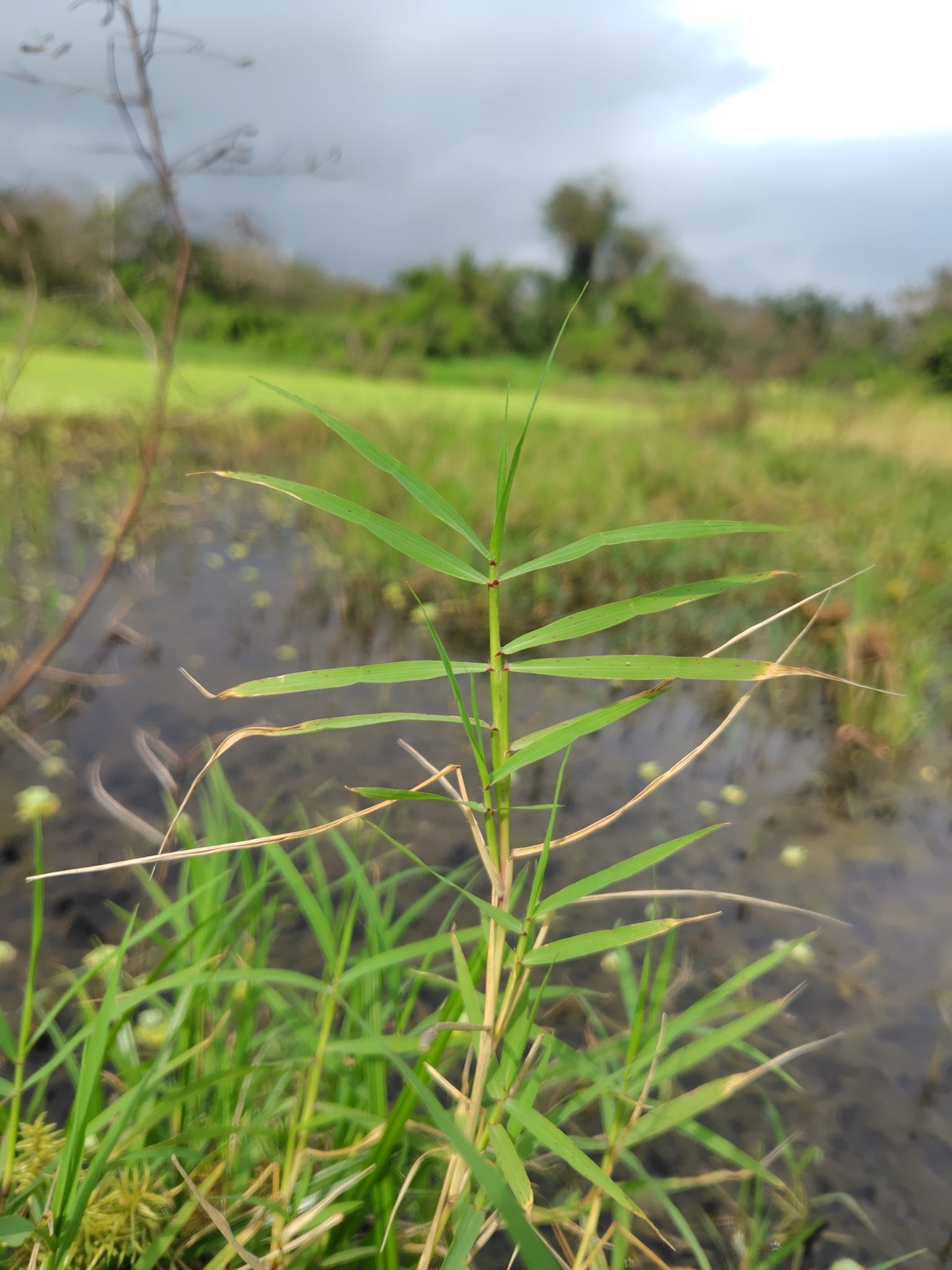
African Bermuda Grass
Cynodon nlemfuensis
☀️ Full Sun 💧 Moderate
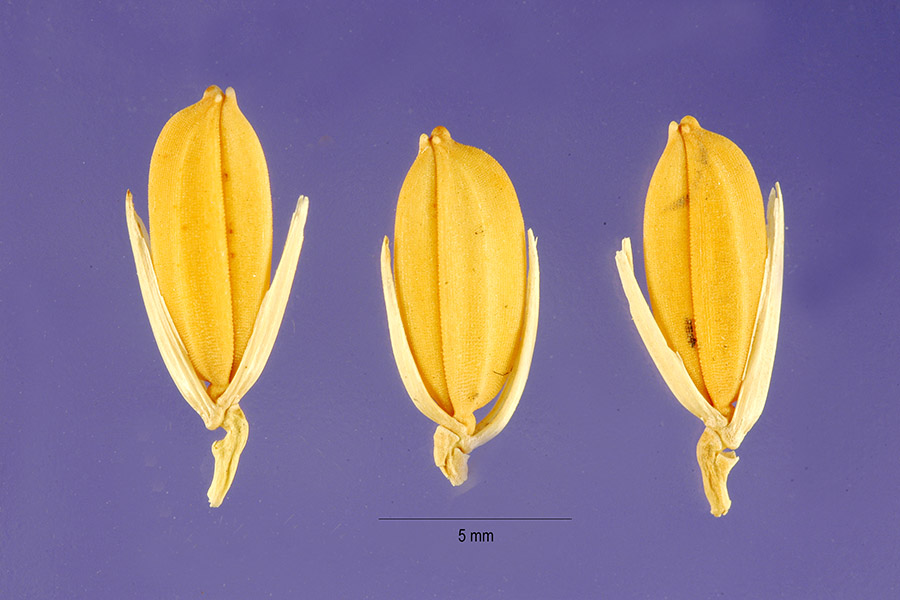
African Rice
Oryza glaberrima
☀️ Full Sun 💧 High

Alpine Meadow-Grass
Poa alpina

Animated Oat
Avena sterilis
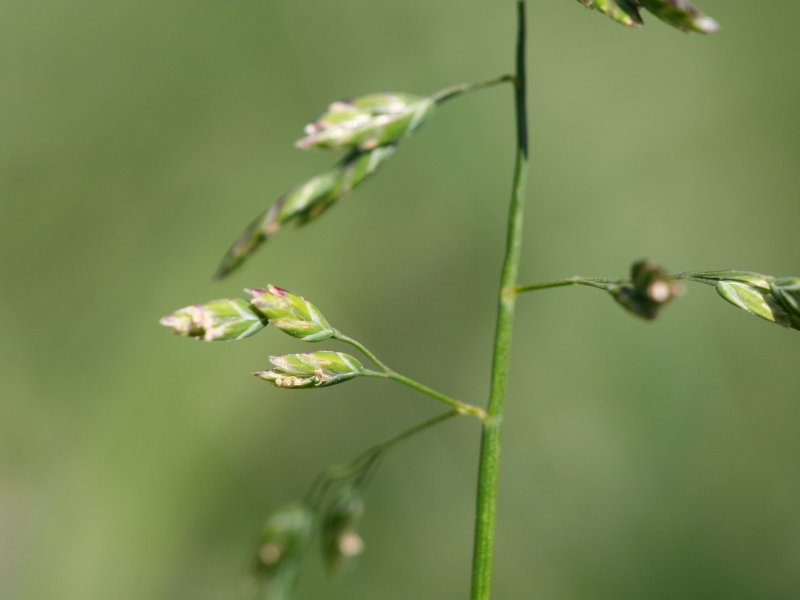
Annual Bluegrass
Poa annua
Annual Ryegrass
Lolium multiflorum
☀️ Full Sun 💧 Moderate
Bahia Grass
Paspalum notatum
☀️ Full Sun 💧 Low

Barley
Hordeum vulgare
☀️ Full Sun 💧 Moderate

Barnyard Grass
Echinochloa crus-galli
☀️ Full Sun 💧 High

Bermuda Grass
Cynodon dactylon
☀️ Full Sun 💧 Moderate

Big Bluestem
Andropogon gerardi
☀️ Full Sun 💧 Low

Big Quaking Grass
Briza media
☀️ Full Sun 💧 Low

Black Bamboo
Phyllostachys nigra
☀️ Full Sun 💧 Moderate

Black Bent
Agrostis gigantea
☀️ Full Sun 💧 Moderate

Black Spear Grass
Heteropogon contortus
☀️ Full Sun 💧 Low

Blue Fescue
Festuca glauca
☀️ Full Sun 💧 Low

Bread Wheat
Triticum aestivum
☀️ Full Sun 💧 Moderate

Buffalo Grass
Bouteloua dactyloides
☀️ Full Sun 💧 Low

Burgu
Echinochloa stagnina
☀️ Full Sun 💧 Aquatic
Carpet Grass
Axonopus compressus
☀️ Partial Sun 💧 High
Centipede Grass
Eremochloa ophiuroides
☀️ Full Sun 💧 Moderate

Chinese Silver Grass
Miscanthus sinensis
☀️ Full Sun 💧 Moderate
Citronella
Cymbopogon nardus
☀️ Full Sun 💧 High
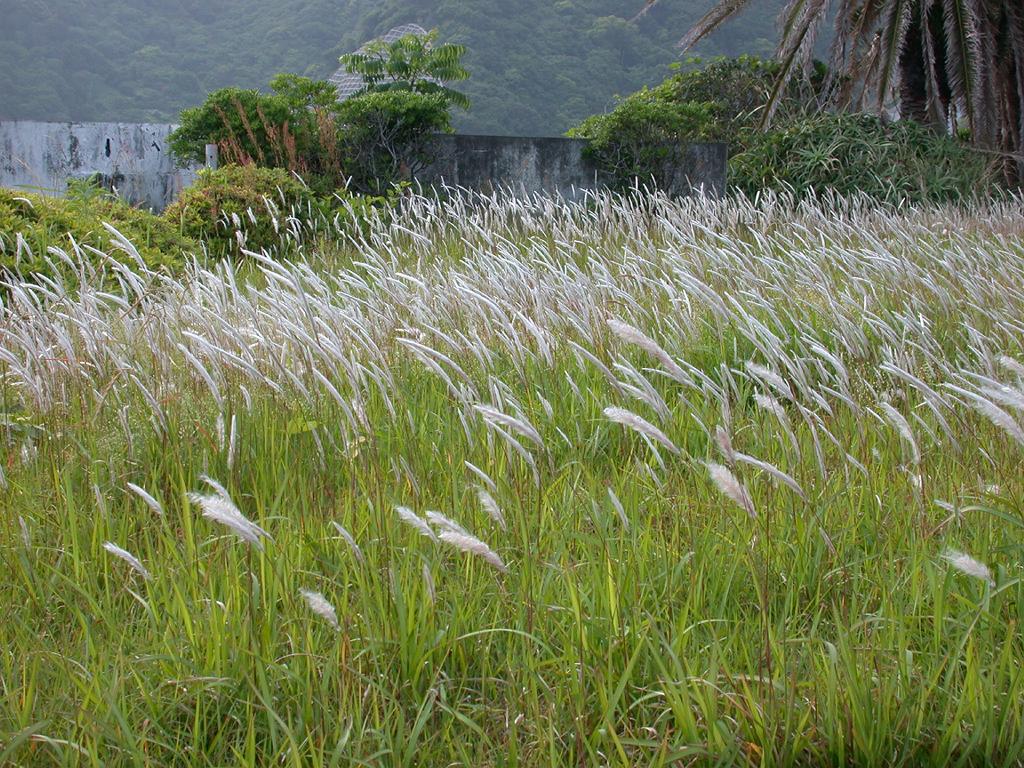
Cogon Grass
Imperata cylindrica
☀️ Full Sun 💧 Moderate
Common Questions
How do you identify plants in the Poaceae family?
Plants in the Poaceae family feature hollow jointed stems, alternate leaves with parallel veins, and sheath bases that clasp the stem. Their flowers lack colorful petals and cluster into tight spikelets.
What light conditions do Poaceae grasses require?
Most Poaceae species require full sun with at least 6 hours of direct light daily, though woodland bamboos tolerate partial shade. Full sun promotes upright stem growth and dense flower head formation.
Are grasses in the Poaceae family invasive?
Some Poaceae species spread aggressively via running rhizomes, while clump-forming species remain contained in fixed mounds. Checking whether a species is clumping or running before planting prevents unwanted spread.