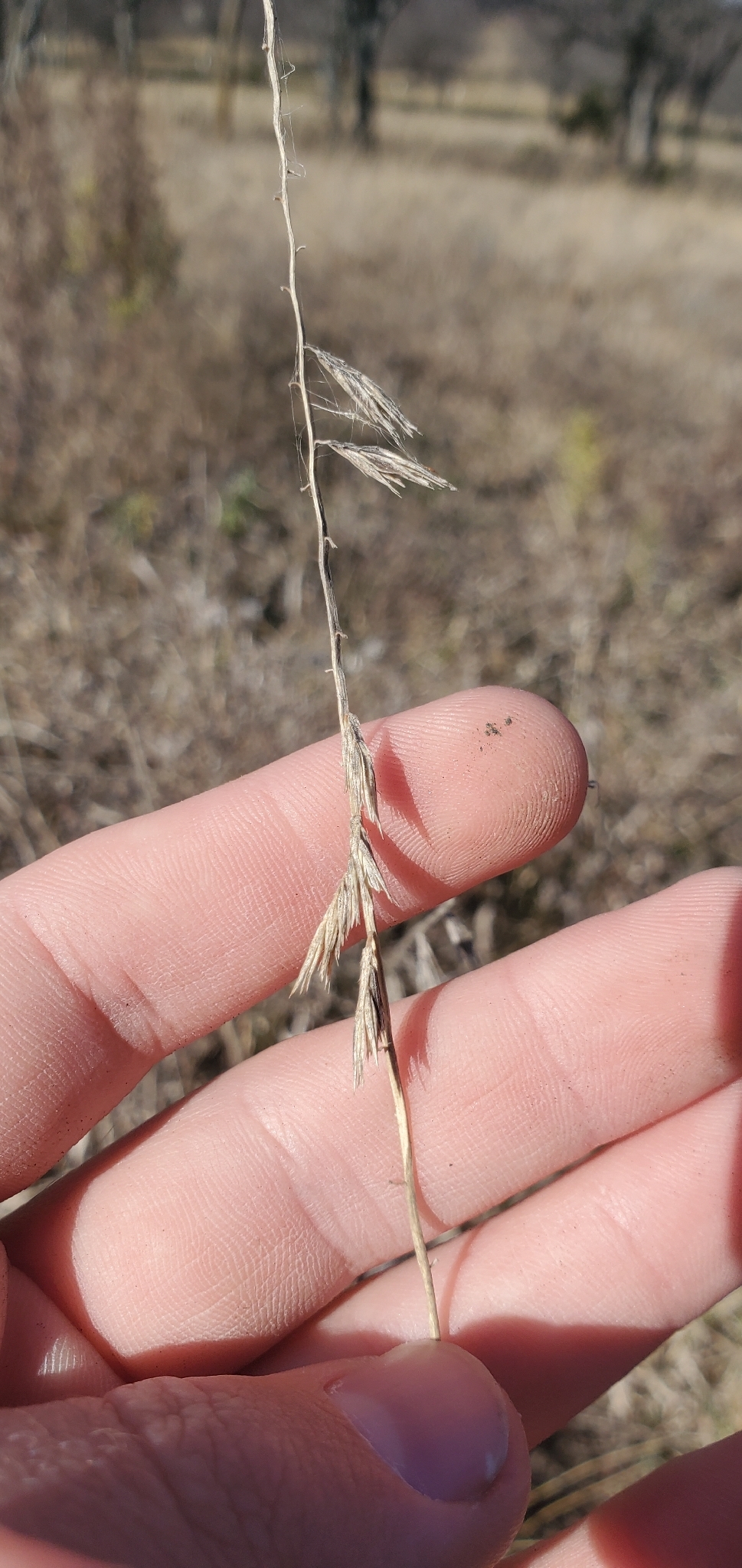
Buffalo grass (Bouteloua dactyloides) is a warm-season perennial shortgrass native to the North American Great Plains. It spreads via surface stolons to build a soft, fine-textured turf that turns straw-yellow in winter.
While standard turf grasses require up to 40 mm (1.5 in) of water per week, buffalo grass survives on less than 12 mm (0.5 in) during hot summer months. It fails quickly in dense shade or heavily compacted clay that stays waterlogged.
Key Facts
- Sun Requirement: Needs at least 6-8 hours of direct sun daily
- Water Needs: 12-25 mm (0.5-1 in) per month once established
- Unmowed Height: 5-20 cm (2-8 in) tall
- Hardiness Zones: USDA zones 3 through 9
- Mowing Height: Cut to 5-10 cm (2-4 in) every 2-3 weeks
Is Buffalo Grass Right for Your Lawn?
A buffalo grass lawn thrives best in sunny regions receiving 300-630 mm (12-25 in) of annual rainfall, such as Texas, Colorado, and the High Plains. It suits homeowners who want to cut irrigation bills and reduce summer mowing routines.
This native turf tolerates winter freezing down to -34 °C (-30 °F) in USDA zone 3, making it hardier than Bermuda grass (Cynodon dactylon). However, it does not tolerate foot traffic as heavily as cool-season grasses like Kentucky bluegrass (Poa pratensis).
- Best for: Full sun lawns, low-irrigation landscapes, acreage properties
- Avoid if: Your lawn gets fewer than 6 hours of sun or experiences high foot traffic
- Climate match: Semiarid plains, sunny continental interiors
How to Identify Buffalo Grass
You can identify buffalo grass by its fine, grey-green leaf blades measuring 2-3 mm (0.08-0.12 in) wide and distinct dioecious flower structures. Female plants produce tiny bur-like seed clusters nestled low near the crown, while male plants produce 2-3 elevated pollen flags.
Unlike tufted native bunchgrasses, buffalo grass forms a connected mat using branching stolons (above-ground runners). The leaves feature fine hairs on both surfaces and curl slightly as they dry out during heat waves.
- Leaf width: 2-3 mm (0.08-0.12 in), soft and curling
- Stolons: Surface runners that root at nodes every 5-10 cm (2-4 in)
- Male flowers: Yellow-brown spikes elevated 10-20 cm (4-8 in) high
- Female burs: Hard clusters tucked within the lower leaf sheaths
Planting Buffalo Grass Sod, Plugs, and Seed
Plant buffalo grass seed or plugs between late spring and early summer when soil temperatures consistently exceed 18 °C (65 °F). Early seeding allows roots to establish before autumn cold slows growth.
Sow bur-treated seed at a rate of 0.5-1 kg per 100 m² (1-2 lbs per 1,000 sq ft) into smooth, firm soil buried no deeper than 6-12 mm (0.25-0.5 in). When installing plugs or sod, space individual plugs 30 cm (12 in) apart in a grid for full coverage within two growing seasons.
- Seeding rate: 0.5-1 kg per 100 m² (1-2 lbs per 1,000 sq ft)
- Plug spacing: 30 cm (12 in) center-to-center
- Germination period: 7-14 days with top-soil moisture
- Soil prep: Remove broadleaf weeds and pack soil firm before planting
Watering and Fertilization Schedule
Established buffalo grass requires only 12-25 mm (0.5-1 in) of water every 2-4 weeks during peak summer heat to maintain green foliage. Excessive watering encourages weed invasion and weakens root development.
Apply nitrogen fertilizer sparingly, using no more than 0.5-1 kg of actual nitrogen per 100 m² (1-2 lbs per 1,000 sq ft) per year. Apply half the dose in June after full green-up and the remaining half in July.
- Irrigation: Deep, infrequent watering every 14-30 days
- Nitrogen cap: Max 1 kg N per 100 m² (2 lbs per 1,000 sq ft) annually
- Fertilizer timing: Early June and mid-July only
- Soil test: Target pH range between 6.0 and 8.0
Mowing and Trimming Buffalo Grass
Mow buffalo grass to a height of 5-10 cm (2-4 in) every 2 to 3 weeks during summer, or leave it completely unmowed for a soft prairie appearance. Unmowed turf tops out at 12-20 cm (5-8 in) in height.
Always keep mower blades sharp to prevent fraying the fine tips of the leaf blades. Frayed tips turn greyish-brown within 48 hours of mowing under high sunlight.
- Mowed lawn height: 5-10 cm (2-4 in)
- Unmowed height: 12-20 cm (5-8 in)
- Mowing frequency: Every 14-21 days during active growth
- Scalping: Mow down to 5 cm (2 in) in early spring to clear dead foliage
Buffalo Lawn Care After Laying Sod or Plugs
Water newly installed buffalo grass sod daily with 6-10 mm (0.25-0.4 in) of water for the first 14 days until roots anchor into the underlying soil. Keep foot traffic off newly laid sod for 3 weeks.
After week two, taper watering to once every three days for two weeks, then transition to the established schedule. Avoid applying nitrogen fertilizer for the first 30 days after laying sod to prevent root burn.
- Days 1-14: Light daily watering to keep soil moist under sod
- Days 15-30: Deep watering twice weekly
- First mow: Mow when turf reaches 7.5 cm (3 in) tall, using a high setting
- Weed control: Hand-weed only during the first 60 days after laying
Buffalo Grass Problems and Weeds
Weed competition during spring establishment is the main challenge facing buffalo grass lawns due to its open growth canopy. Apply a pre-emergent herbicide in early April before soil reaches 13 °C (55 °F) to stop annual weed seeds from sprouting.
Overwatering creates conditions where crabgrass (Digitaria sanguinalis) and Bermuda grass (Cynodon dactylon) outcompete the turf. Keep soil on the dry side to favor the native grass over invasive weeds.
- Weed invasion: Hand-pull broadleaf weeds or spot-treat with selective herbicides
- Fungal spots: Caused by late-day overhead watering; water early in the morning
- Chinch bugs: Treat with insecticidal soap if turf yellows in dry patches
- Shade thinness: Prune overhead tree branches to restore direct sunlight
Buffalo Grass Care in Winter and Dormancy
Buffalo grass enters winter dormancy when soil temperatures drop below 10 °C (50 °F), turning a uniform straw-tan color until spring. This dormancy period lasts from October or November through April across most regions.
Do not water or fertilize dormant turf during winter months. Minimizing winter walking prevents mechanical damage to dormant crowns while the plant is inactive.
- Dormancy trigger: Autumn soil temperatures under 10 °C (50 °F)
- Winter color: Light straw-tan brown
- Spring green-up: Late April to mid-May depending on soil warmth
- Winter irrigation: Zero watering needed in regions with normal snowfall
Prairie Companion Plants for Buffalograss
Combine buffalo grass with native prairie perennials like blue grama (Bouteloua gracilis) to form a low-input, drought-tolerant native meadow. Blue grama shares identical water and soil preferences, blending seamlessly into unmowed lawns.
For informal native borders, mix in short wildflowers that match the low height profile and sunny conditions of the shortgrass prairie.
- Blue grama (Bouteloua gracilis): Native warm-season grass with eyelash flower spikes
- Purple coneflower (Echinacea purpurea): Summer-blooming native perennial
- Black-eyed Susan (Rudbeckia hirta): Golden wildflower for sunny edges
- Sideoats grama (Bouteloua curtipendula): Mid-height native grass for meadow accents
Frequently Asked Questions
Can you make vodka from buffalo grass?
No, commercial buffalo grass vodka (such as Żubrówka) is flavored using bison grass (Hierochloe odorata), an aromatic cool-season grass native to Europe and northern North America, not North American buffalo grass (Bouteloua dactyloides).
What is the difference between buffalo grass vs bermuda grass?
Buffalo grass (Bouteloua dactyloides) requires 50% less water and less mowing than Bermuda grass (Cynodon dactylon). Bermuda grass spreads more aggressively, tolerates heavier foot traffic, and invades garden beds much faster.
Does buffalo grass care in Australia differ from North America?
Yes, because Australian 'buffalo lawn' refers to St. Augustine grass (Stenotaphrum secundatum), a coarse broad-bladed species with higher water and fertilizer needs than true North American buffalo grass (Bouteloua dactyloides).
Does buffalo grass stay green all winter?
No, buffalo grass turns straw-brown after autumn frosts when soil temperatures fall below 10 °C (50 °F). It remains dormant until soil warms to 15 °C (60 °F) in late spring.
How long does buffalo grass seed take to germinate?
Burd-treated buffalo grass seed germinates in 7 to 14 days when planted in warm soil above 18 °C (65 °F) and kept surface-moist.
Sources & Verification
Taxonomy and distribution are checked against the databases below. Care guidance is written for cultivated species only and reviewed by our editor. How We Build Plant Profiles →
- USDA PLANTS DatabaseTaxonomy, distribution, and native status
- Kew Plants of the World OnlineSynonyms and native range mapping
- Colorado State University ExtensionBuffalograss lawn management guidelines
- GBIF — Global Biodiversity Information Facilitytaxonomy, synonyms, occurrence records
- Wikipediageneral reference