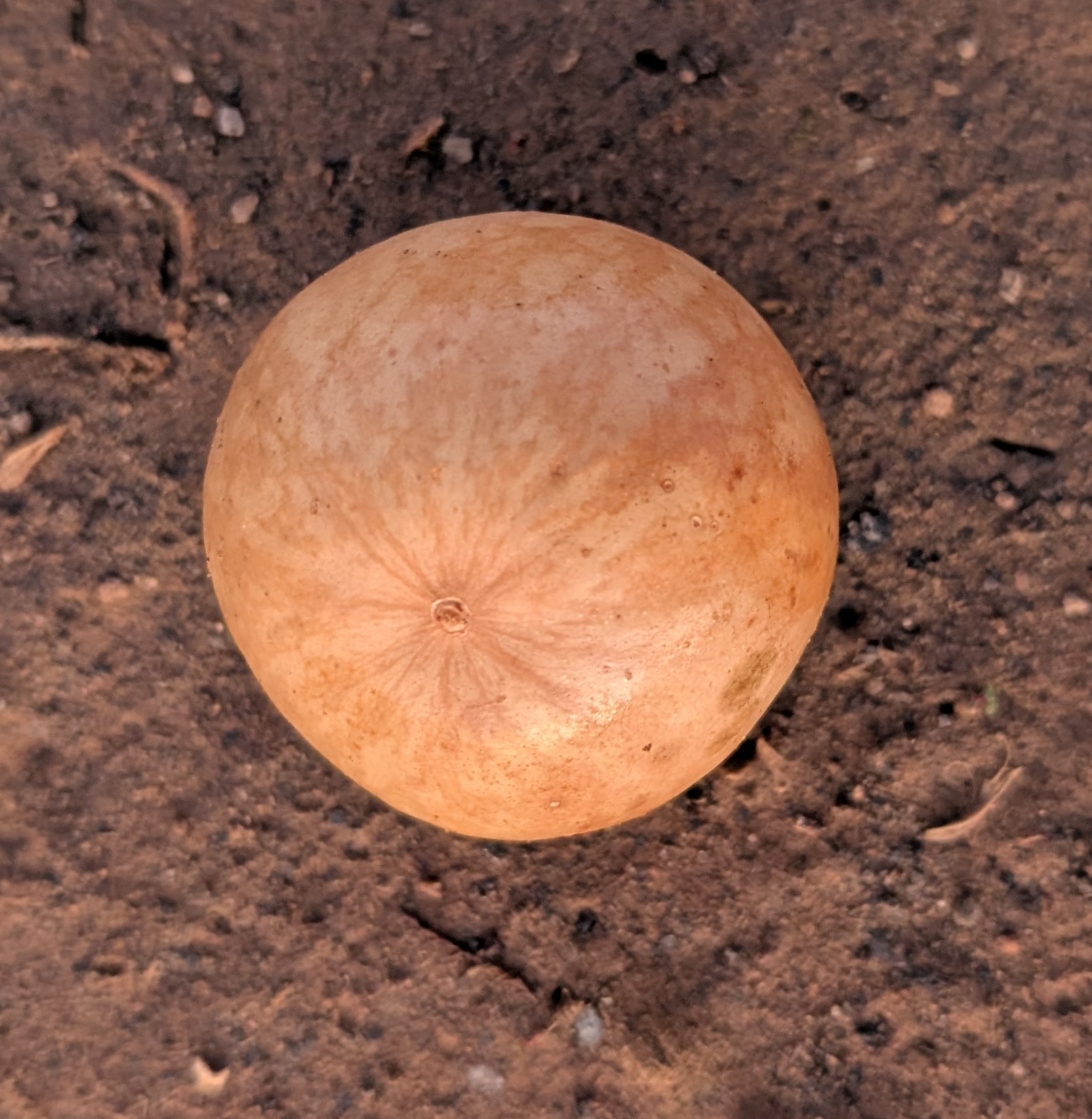
Watermelon, Citrullus lanatus, is a flowering plant in the gourd family (Cucurbitaceae) known for its large, edible fruit with sweet, watery flesh. This trailing vine originated in Africa and is now grown globally in warm climates.
Growing watermelons requires patience and plenty of space, as the vines can spread significantly. Providing consistent warmth, ample sunlight, and regular watering is key to producing large, flavourful fruits in your garden.
Key Facts
- Light: Full sun (6-8 hours daily)
- Water: Consistent, especially during fruiting
- Soil: Well-drained, rich loam
- Spacing: 1.5-2.5 m (5-8 ft) between plants
- Harvest: 70-100 days after planting
Growing Watermelon
Growing watermelon requires a long, warm growing season and ample space for the sprawling vines. You will need at least 90-100 days of warm weather from planting to harvest for most varieties.
These plants are heavy feeders and drinkers, especially when fruits are developing. Gardeners in cooler climates often start watermelon seeds indoors to extend their growing season. Ensure you have a large area in your garden or plan for trellising if space is limited.
What Watermelon Plants Look Like
A watermelon plant is a sprawling annual vine with large, lobed leaves and distinctive yellow flowers. The vines can extend 1.8 to 3 meters (6 to 10 feet) or more, climbing or trailing along the ground.
The leaves are deeply lobed, rough to the touch, and grow up to 20 cm (8 inches) long. Small, yellow, cup-shaped flowers, typically 2.5 cm (1 inch) in diameter, appear in summer. The fruit itself varies greatly in size, shape, and rind pattern depending on the cultivar, often spherical or oblong with green, striped, or mottled rinds.
Ideal Growing Conditions for Watermelon
Watermelon plants need full sun, consistent warmth, and fertile, well-drained soil to thrive. They prefer temperatures between 21-32 °C (70-90 °F) for optimal growth and fruit development.
Choose a site that receives at least 6-8 hours of direct sunlight daily. The soil should be rich in organic matter, with a pH between 6.0 and 7.0. Sandy loam is ideal, as it warms up quickly in spring and drains well.
How to Sow Watermelon Seeds
Sow watermelon seeds directly into the garden after all danger of frost has passed and soil temperatures consistently reach 18 °C (65 °F). You can also start seeds indoors 3-4 weeks before the last frost date for an earlier harvest.
- Direct Sowing: Plant seeds 2.5 cm (1 inch) deep, in hills of 3-5 seeds, spaced 1.5-2.5 m (5-8 ft) apart. Thin to 1-2 strongest seedlings per hill once they have true leaves.
- Indoor Starting: Use biodegradable pots to avoid disturbing roots. Plant 2 seeds per pot, thin to one, and transplant outdoors carefully when seedlings are 7-10 cm (3-4 inches) tall.
Ensure adequate spacing to allow vines to spread without overcrowding, which can reduce air circulation and fruit production.
Watering Watermelon Plants
Watermelon plants require consistent and deep watering, especially during flowering and fruit development. Aim for 2.5-5 cm (1-2 inches) of water per week, either from rainfall or irrigation.
Water deeply at the base of the plant, avoiding overhead watering which can encourage fungal diseases. Reduce watering slightly as fruits approach maturity to concentrate sugars and improve flavor. However, never let the soil completely dry out, as this can stress the plants and lead to small or cracked fruits.
Fertilizing Watermelon
Watermelon plants benefit from regular feeding throughout their growing season due to their fast growth and large fruit production. Incorporate compost or well-rotted manure into the soil before planting.
- Initial Feed: Use a balanced granular fertilizer (e.g., 5-10-10) at planting or shortly after germination.
- Vine Growth: Once vines begin to run, switch to a fertilizer higher in nitrogen to support leaf and stem development.
- Fruiting Stage: As flowers appear and fruits set, use a fertilizer higher in phosphorus and potassium (e.g., 5-10-10 or 0-10-10) to promote fruit quality and yield.
Apply liquid feeds every 2-3 weeks, or granular feeds every 4-6 weeks, following product instructions.
Harvesting Watermelon Fruit
Harvest watermelon fruits when they are fully ripe, typically 70-100 days after planting, depending on the variety. Several indicators help determine ripeness.
- Ground Spot: The spot where the watermelon rests on the ground should turn a creamy yellow or orange, not white.
- Sound: A ripe watermelon will produce a deep, hollow thump when tapped gently. An unripe one sounds metallic or dull.
- Tendril: The tendril closest to the fruit stem should be dry and brown. If it is still green, the fruit is likely not ready.
- Rind Appearance: The rind should look dull, not shiny, and be firm.
Cut the watermelon from the vine using a sharp knife or shears, leaving a short stem attached to the fruit.
Common Watermelon Problems
Watermelon plants can encounter several common problems including pests like aphids and diseases such as powdery mildew. Regular inspection helps catch issues early.
Aphids can stunt growth and transmit viruses; a strong spray of water or insecticidal soap can manage them. Squash bugs and cucumber beetles are also common pests that feed on foliage and fruit. Powdery mildew appears as white, powdery spots on leaves, often in humid conditions; improve air circulation and consider a fungicide if severe.
Storing Fresh Watermelon
Whole, uncut watermelons can be stored at room temperature for up to two weeks. Place them in a cool, dry place away from direct sunlight.
Once cut, store watermelon pieces in an airtight container in the refrigerator. They will remain fresh for 3-5 days. For longer storage, you can freeze watermelon chunks, although the texture will be softer upon thawing.
Uses for Watermelon
Watermelon is primarily consumed fresh, valued for its refreshing sweetness and high water content. It is a popular fruit for summer picnics and snacks.
Beyond eating it sliced, watermelon can be used in various culinary applications. You can make fresh watermelon juice, add it to fruit salads, blend it into smoothies, or even grill slices for a unique flavour. The rind is also traditionally pickled in some cultures.
Watermelon Through the Seasons
| Spring | Sow seeds indoors 3-4 weeks before the last frost or directly outdoors once soil temperatures reach 18 °C (65 °F). Prepare garden beds by enriching the soil with compost. |
|---|---|
| Summer | Water consistently and deeply, especially during flowering and fruit set. Fertilize according to the plant's growth stage. Monitor for pests and diseases, and provide support for developing fruits if needed. |
| Autumn | Continue harvesting ripe watermelons as they mature. Once all fruits are picked and vines die back from frost, clear spent plant material from the garden to prevent disease carryover. |
| Winter | Plan for next season's planting. Select desired watermelon varieties and order seeds. Clean and prepare gardening tools for spring use. |
Watermelon Plant Problems Explained
| What you see | Likely cause | What to do |
|---|---|---|
| Yellow leaves on watermelon plant | Nutrient deficiency, overwatering, or underwatering | Check soil moisture; adjust watering and apply a balanced fertilizer if needed. |
| Small or misshapen fruits | Poor pollination, insufficient water/nutrients, or extreme temperatures | Ensure good bee activity, provide consistent water and feed, and protect plants from heat stress. |
| White powdery spots on leaves | Powdery mildew | Improve air circulation, water at the base of the plant, and remove affected leaves. Consider an organic fungicide for severe cases. |
| Cracked or burst fruits | Inconsistent watering, especially sudden heavy watering after a dry spell | Maintain consistent soil moisture throughout the growing season, especially during fruit development. |
Popular Watermelon Varieties
- ‘Crimson Sweet’ – classic red flesh, striped rind, disease resistant
- ‘Sugar Baby’ – small, round, very sweet fruit, good for small gardens
- ‘Moon and Stars’ – dark green rind with yellow spots, unique appearance
- ‘Black Diamond’ – large, dark green rind, firm red flesh, heirloom variety
Frequently Asked Questions
What are the health benefits of watermelon?
Watermelon is rich in vitamins A and C, and contains lycopene, an antioxidant. It is also over 90% water, making it a very hydrating and refreshing fruit.
How long does it take for watermelon to grow?
Watermelon typically takes 70 to 100 days from planting to harvest, depending on the specific variety and growing conditions. Smaller varieties often mature faster than larger ones.
Can you grow watermelon in pots?
Yes, you can grow watermelon in large containers, especially compact or 'bush' varieties. Choose a pot at least 45 cm (18 inches) in diameter and depth, ensure good drainage, and provide a strong trellis for support.
What is the best way to tell if a watermelon is ripe?
The best way to tell if a watermelon is ripe is to check for a creamy yellow ground spot where it rested, listen for a hollow thump when tapped, and observe if the tendril closest to the fruit stem is dry and brown.
How many watermelons does one plant produce?
A single watermelon plant can typically produce 2 to 4 large fruits, or up to 6-8 smaller fruits, given optimal growing conditions and adequate space. Fruit production varies by variety and care.
Sources & Verification
Taxonomy and distribution are checked against the databases below. Care guidance is written for cultivated species only and reviewed by our editor. How We Build Plant Profiles →