
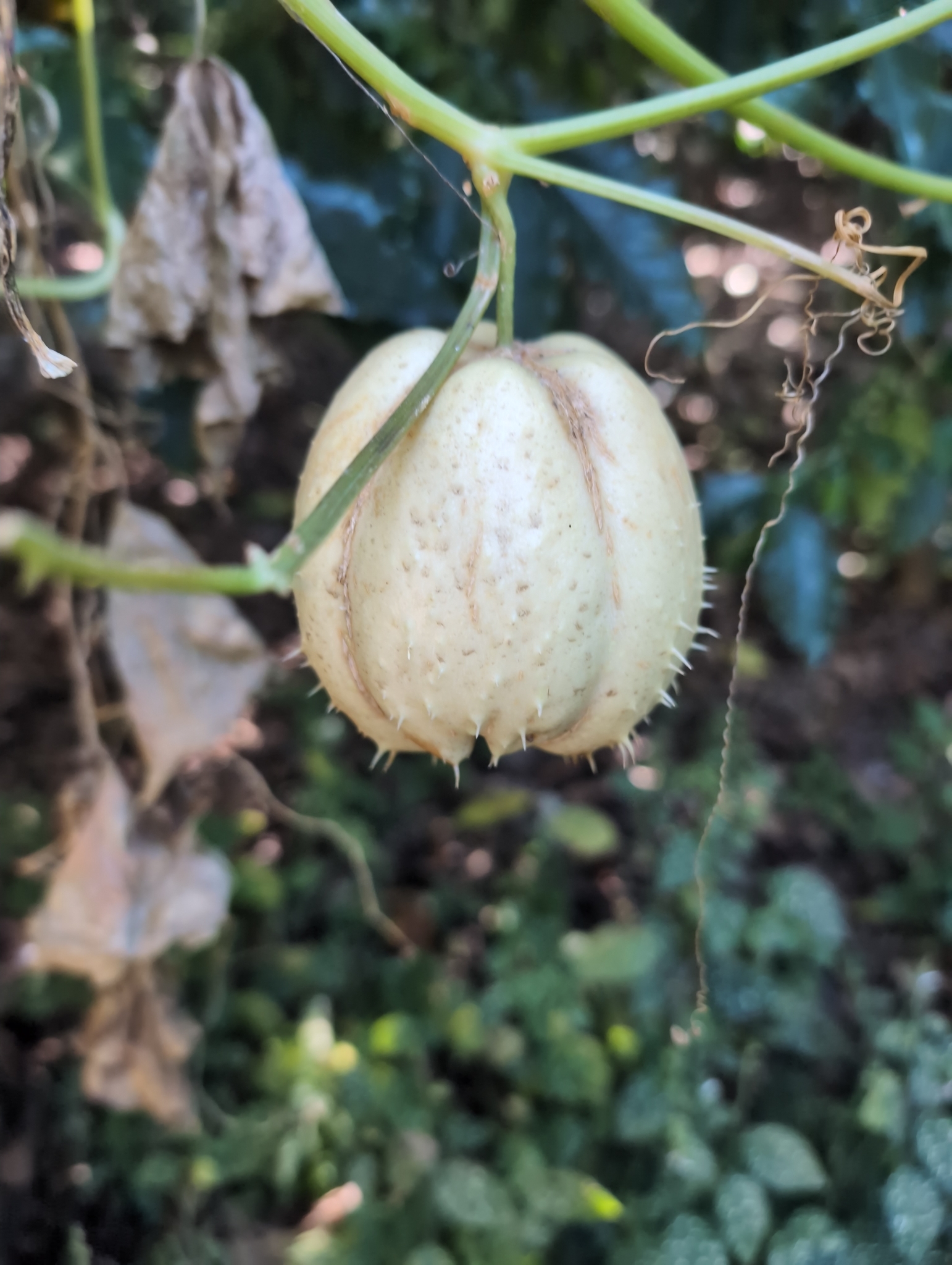
Chayote (Sechium edule) is a vigorous, climbing perennial vine in the Cucurbitaceae family native to Mesoamerica. It produces pale green, pear-shaped fruits that are a staple ingredient in many tropical and subtropical cuisines.
Success with this plant requires a long, frost-free growing season of at least 150 days. It thrives in humid, warm environments and will fail to produce fruit if temperatures drop below 13 °C (55 °F) for extended periods.
Key Facts
- Light: Needs at least 6 hours of full sun daily.
- Water: Keep soil consistently moist but never waterlogged.
- Temperature: Grows best between 18-28 °C (64-82 °F).
- Harvest: Pick fruits when 10-15 cm (4-6 in) long.
- Growth: Vines can reach 12 m (40 ft) in length.
Why Grow Chayote in Your Garden
Chayote is a high-yielding crop that provides both edible fruits and tender young shoots throughout the late summer and autumn. It suits gardeners in frost-free regions who have ample vertical space for a vigorous, climbing vine to spread.
You will find that this plant is remarkably productive once established, often producing dozens of fruits per vine. It requires minimal maintenance other than providing a sturdy trellis to support the heavy, sprawling stems.
Identifying Chayote Vines and Fruit
The Chayote plant is instantly recognisable by its large, heart-shaped, slightly rough leaves and aggressive, branching tendrils. The vines can easily cover an area of 10 square metres (107 square feet) if left unchecked.
- Leaves: Broad, lobed, and light to mid-green.
- Flowers: Small, white or pale green, appearing in clusters.
- Fruit: Pear-shaped, 10-20 cm (4-8 in) long, with wrinkled or smooth skin.
- Roots: Produces large, tuberous roots that can persist for several years in warm climates.
Ideal Growing Conditions for Chayote
Chayote requires a warm, humid climate with temperatures consistently above 18 °C (64 °F) to thrive. It is highly sensitive to frost, which will kill the vine back to the ground or destroy it entirely if the roots freeze.
Choose a site that receives full sun for most of the day, though light afternoon shade is acceptable in extremely hot regions. Ensure the soil is rich in organic matter, such as compost or well-rotted manure, to support the rapid growth of the vines.
How to Sow and Plant Chayote
Plant the entire fruit, as the seed inside is delicate and should not be removed for planting. Place the fruit on its side in well-draining soil, burying it about halfway deep, once all danger of frost has passed.
- Timing: Plant in late spring when the soil has warmed to at least 20 °C (68 °F).
- Spacing: Allow at least 2-3 m (6-10 ft) between plants to accommodate the massive vine growth.
- Support: Install a sturdy trellis or fence immediately, as the vine begins climbing almost as soon as it germinates.
Watering and Feeding Requirements
Chayote needs consistent moisture, especially during the peak of summer when the vine is growing most rapidly. Aim to keep the soil damp to a depth of 5 cm (2 in) at all times, but avoid waterlogging the roots, which can lead to rot.
Apply a balanced, liquid organic fertiliser every 4-6 weeks during the active growing season to encourage fruit production. Mulching around the base of the plant helps retain soil moisture and suppresses weeds that might compete for nutrients.
When to Harvest Chayote
Harvest your Chayote when the fruit reaches 10-15 cm (4-6 in) in length, which is usually when it is firm and the skin is still bright and smooth. If left on the vine for too long, the skin becomes tough and the fruit may begin to sprout while still attached.
- Method: Use sharp garden shears to cut the stem, as pulling the fruit can damage the delicate vine.
- Shoots: You can also harvest the tender tips of the vines, which are used in stir-fries and soups.
- Frequency: Check the vines daily once the fruit begins to set, as they grow quickly.
Culinary Uses and Storage
Chayote is a versatile ingredient that absorbs the flavours of the spices and sauces it is cooked with. It is traditionally used in stews, curries, and stir-fries, or served raw in salads for a crisp, cucumber-like texture.
Store harvested fruit in a cool, dark place or in the vegetable crisper drawer of your refrigerator, where it will remain fresh for up to 2 weeks. For longer storage, the flesh can be peeled, chopped, and frozen, though it will lose its original crispness.
Common Chayote Problems
The most frequent issue with Chayote is poor fruit set, which often happens when temperatures are too high or too low during the flowering phase. Monitor your plants for these common pests and conditions:
- Aphids: Small insects that cluster on new growth; wash off with a strong stream of water.
- Powdery Mildew: A white, dusty coating on leaves caused by poor air circulation; improve spacing.
- Root Rot: Occurs in heavy, waterlogged soils; ensure excellent drainage at the planting site.
- Fruit Drop: Often caused by extreme heat or irregular watering patterns.
Chayote Care Through the Seasons
| Spring | Prepare the soil with generous amounts of compost. Plant the entire fruit once the soil is warm and all risk of frost has passed. |
|---|---|
| Summer | Provide regular water and apply a balanced fertiliser. Train the vines onto the trellis as they grow to ensure good air circulation. |
| Autumn | Harvest fruits regularly as they reach the desired size. Stop fertilising as the weather cools and the vine prepares for dormancy. |
| Winter | Cut back dead vines after the first frost. In cooler parts of its range, cover the root crown with a thick layer of mulch to protect it from freezing. |
Diagnosing Chayote Problems
| What you see | Likely cause | What to do |
|---|---|---|
| Yellowing leaves | Nitrogen deficiency or waterlogged soil | Apply a balanced organic fertiliser or improve drainage around the root zone. |
| Flowers drop without fruiting | Extreme temperatures or lack of pollinators | Ensure the plant has consistent moisture and consider hand-pollinating if insect activity is low. |
| White spots on leaves | Powdery mildew | Increase spacing between plants and avoid overhead watering to keep foliage dry. |
Frequently Asked Questions
How much sun does Chayote need?
Chayote needs at least 6 hours of full sun daily to produce a healthy harvest. While it can tolerate light shade in very hot climates, full sun is preferred for maximum fruit production.
How often do you water Chayote?
You should water your Chayote whenever the top 2-3 cm of soil feels dry to the touch. Keep the soil consistently moist throughout the growing season, especially during hot, dry spells.
Can you eat Chayote raw?
Yes, you can eat Chayote raw. It has a mild flavour and a crisp, crunchy texture similar to a cucumber, making it a refreshing addition to salads.
What are the health benefits of Chayote?
Chayote is a low-calorie vegetable that provides dietary fibre, vitamin C, and potassium. It is often included in diets as a nutrient-dense, versatile food source.
Sources & Verification
Taxonomy and distribution are checked against the databases below. Care guidance is written for cultivated species only and reviewed by our editor. How We Build Plant Profiles →