How to Grow Fruit Plants at Home
15 plant profiles · Learn how to select and grow edible fruit plants, from stone fruit trees and climbing vines to perennial groundcovers and warm-season nightshades.
Fruit plants produce seed-bearing structures formed from the ovaries of flowering plants, grown primarily for their edible flesh, juice, or culinary seeds. Across home gardens, they range from woody deciduous trees like the peach (Prunus persica) and long mulberry (Morus macroura) to herbaceous groundcovers like the wild strawberry (Fragaria vesca) and sprawling perennial vines. While botanical fruits also encompass culinary staples such as the tomatillo (Physalis philadelphica), all share the physiological requirement of successful pollination and sustained carbohydrate accumulation to set mature crops.
Choosing the right fruit depends on your accumulated chilling hours, available soil volume, and frost-free days. Deciduous tree fruits like the peach require 400 to 1,000 chilling hours below 7 °C (45 °F) during winter to break bud dormancy, whereas tropical species like the langsat (Lansium domesticum) suffer severe tissue damage below 10 °C (50 °F). For small spaces or container culture, compact herbaceous perennials like the cape gooseberry (Physalis peruviana) produce fruit within four months from seed, providing quick yields where standard orchard trees cannot physically fit.
All fruiting crops require at least six to eight hours of direct sunlight daily and reliable soil moisture during flower set and fruit swell. Water deficits during fruit expansion cause blossom drop in annual nightshades and premature fruit shedding in orchard trees. Planning adequate physical support for woody climbers such as the muscadine (Vitis rotundifolia) and matching rootstock vigour to your native soil drainage determines long-term yield and plant longevity.

Achacha
Garcinia humilis
☀️ Full Sun 💧 High

Cape Gooseberry
Physalis peruviana
☀️ Full Sun 💧 Moderate
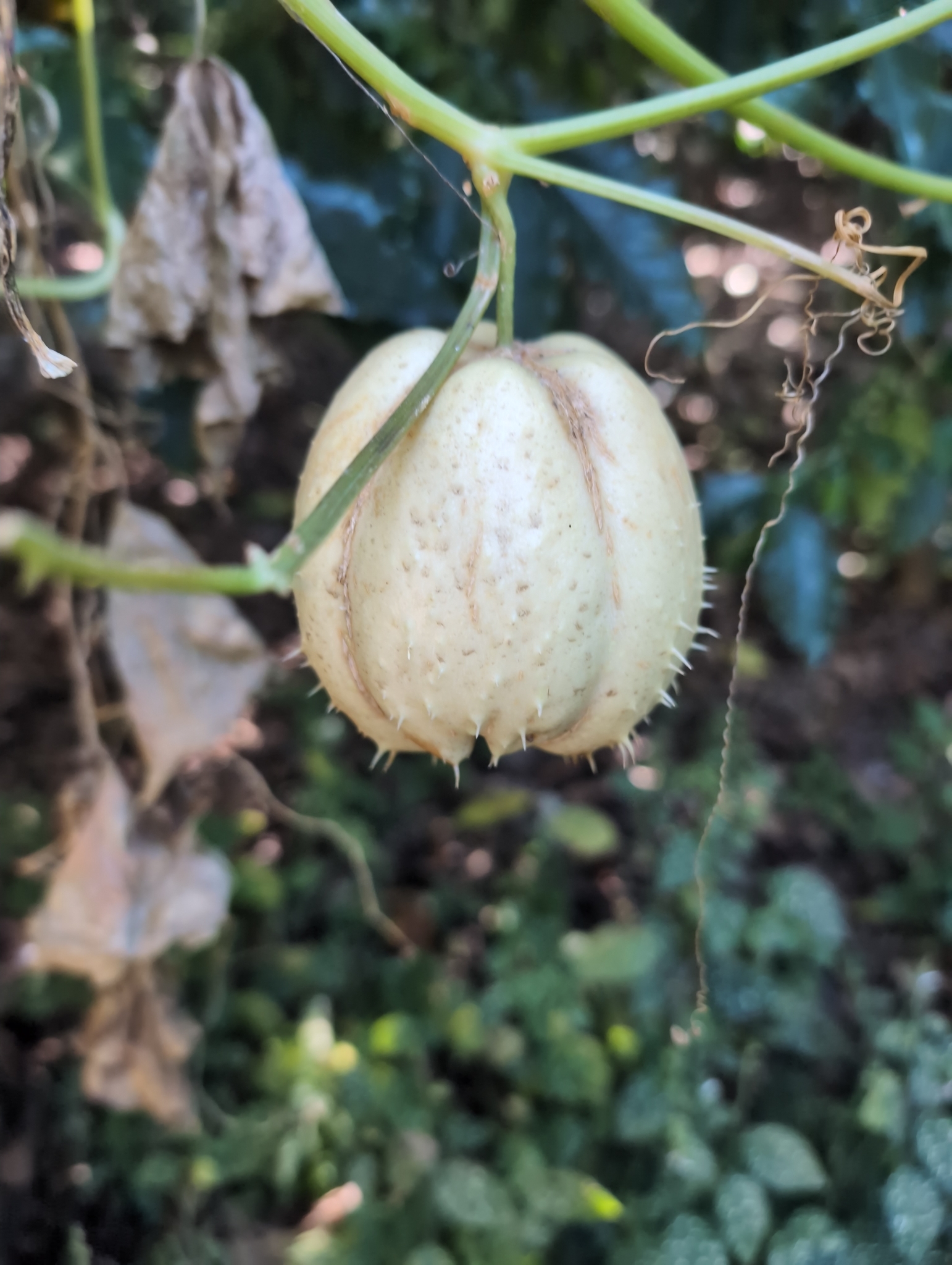
Chayote
Sechium edule
☀️ Full Sun 💧 Moderate
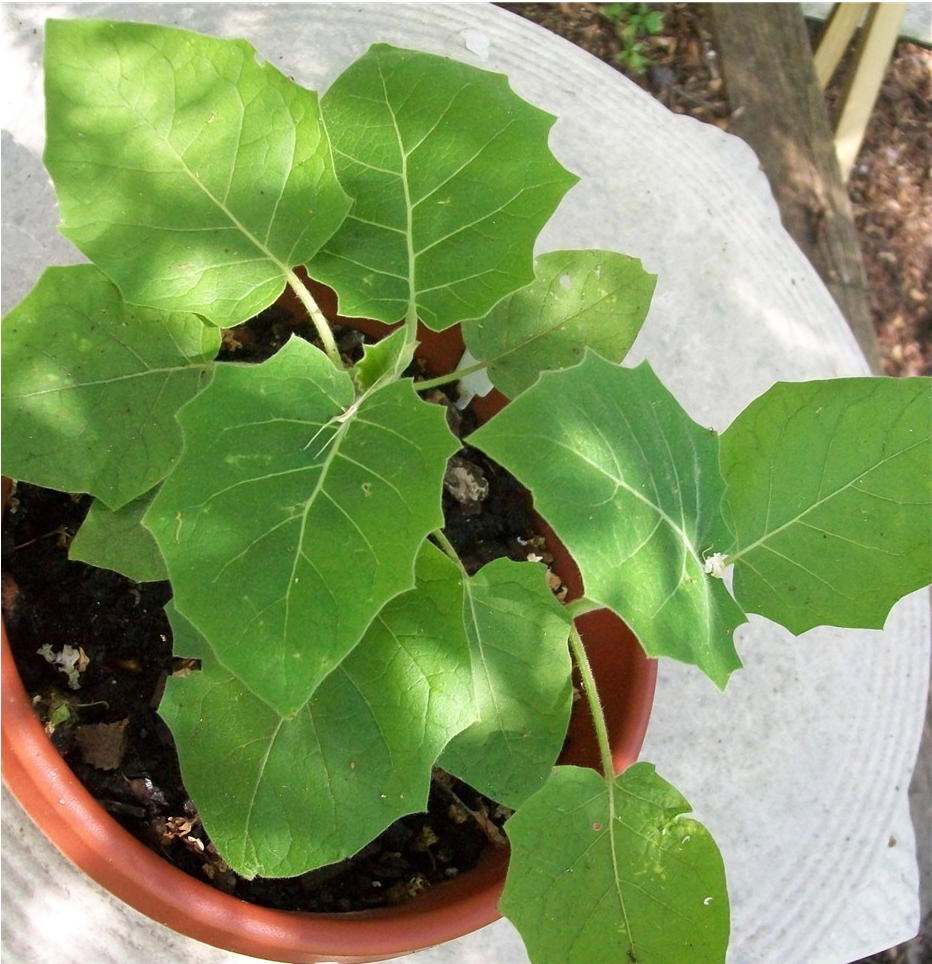
Cocona
Solanum sessiliflorum
☀️ Full Sun 💧 High
Cupuaçu
Theobroma grandiflorum
☀️ Partial Shade 💧 High
Giant Granadilla
Passiflora quadrangularis
☀️ Full Sun 💧 High

Korean Raspberry
Rubus crataegifolius
☀️ Full Sun 💧 Moderate

Langsat
Lansium domesticum
☀️ Partial Sun 💧 High
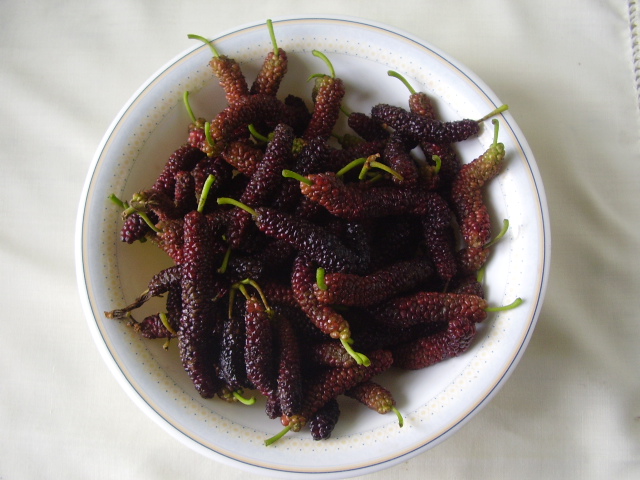
Long Mulberry
Morus macroura
☀️ Full Sun 💧 Moderate

Mexican Sour Gherkin
Melothria scabra
☀️ Full Sun 💧 Moderate
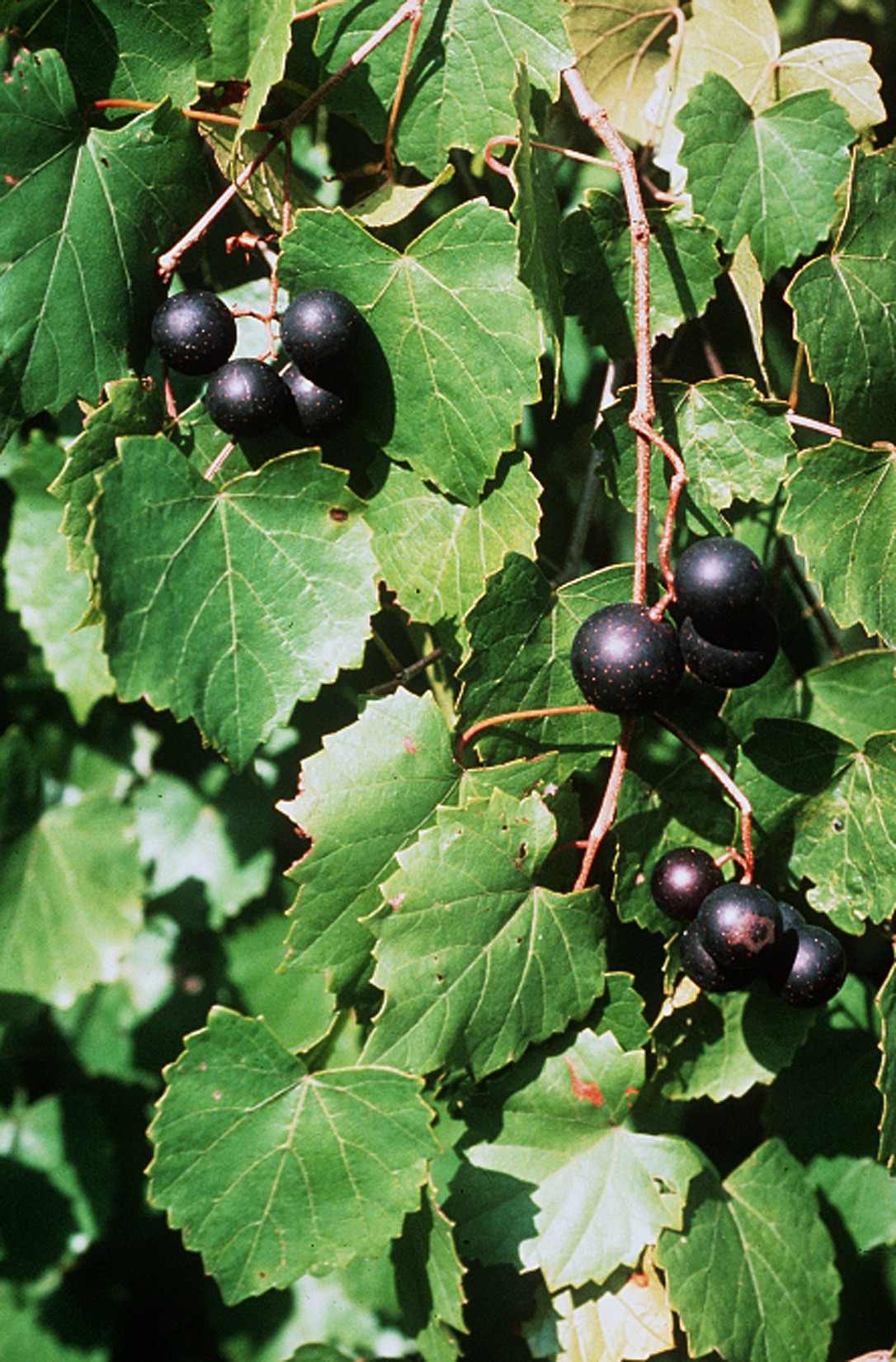
Muscadine
Vitis rotundifolia
☀️ Full Sun 💧 Moderate

Peach
Prunus persica
☀️ Full Sun 💧 Moderate

Tabasco Pepper
Capsicum frutescens
☀️ Full Sun 💧 Moderate
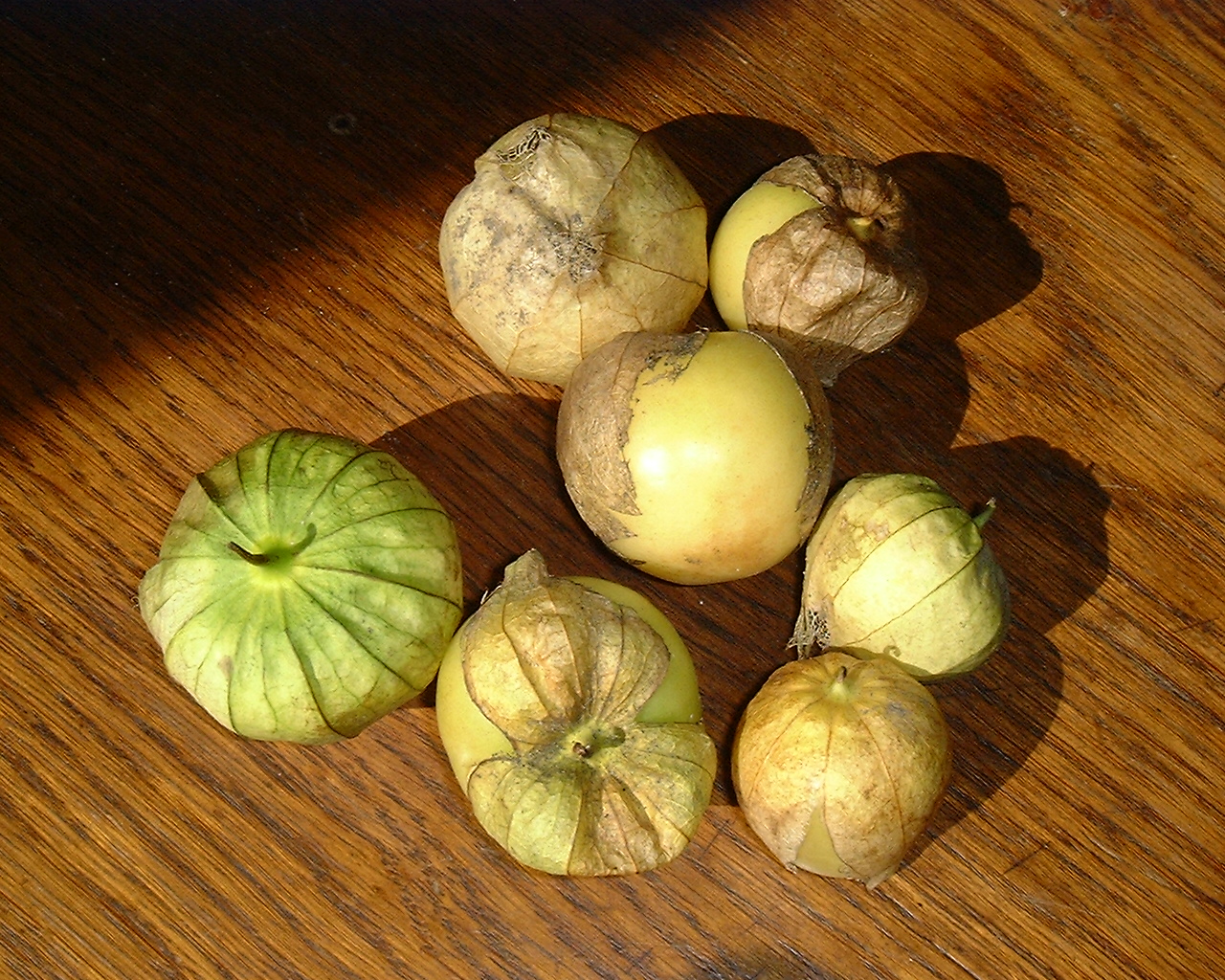
Tomatillo
Physalis philadelphica
☀️ Full Sun 💧 Moderate

Wild Strawberry
Fragaria vesca
☀️ Partial Sun 💧 Moderate
Common Questions
How much sunlight do fruit plants need to produce fruit?
Most fruit-bearing plants require at least 6 to 8 hours of direct, unfiltered sunlight daily to form flower buds and synthesize sugars during fruit development. Insufficient light leads to pale foliage, sparse flowering, and tart, undersized fruit.
Do all fruit plants need two varieties to cross-pollinate?
No, many fruit plants are entirely self-fertile and set full crops from a single specimen, including wild strawberries and most peaches. However, dioecious species and self-incompatible plants like the tomatillo require at least two distinct, compatible plants growing within insect range to set fruit.
What is the fastest fruit to produce a harvest from seed?
Herbaceous warm-season fruits such as the cape gooseberry and tomatillo yield ripe harvests within 70 to 110 days from seed. In contrast, standard fruit trees grown from seed typically require four to eight years to reach reproductive maturity.
How do chill hours affect fruit trees?
Chill hours track the accumulated time a plant spends between 0 and 7 °C (32 and 45 °F) during winter dormancy, which signals the plant to release growth-inhibiting hormones. If a deciduous fruit tree does not receive its required chilling threshold, flowering becomes irregular, delayed, or fails altogether in the spring.