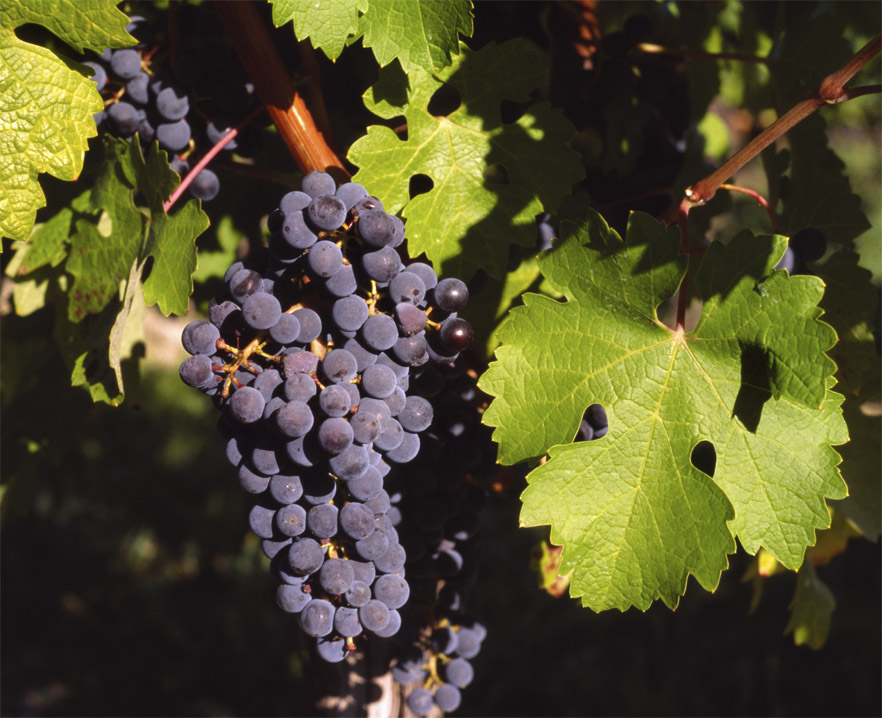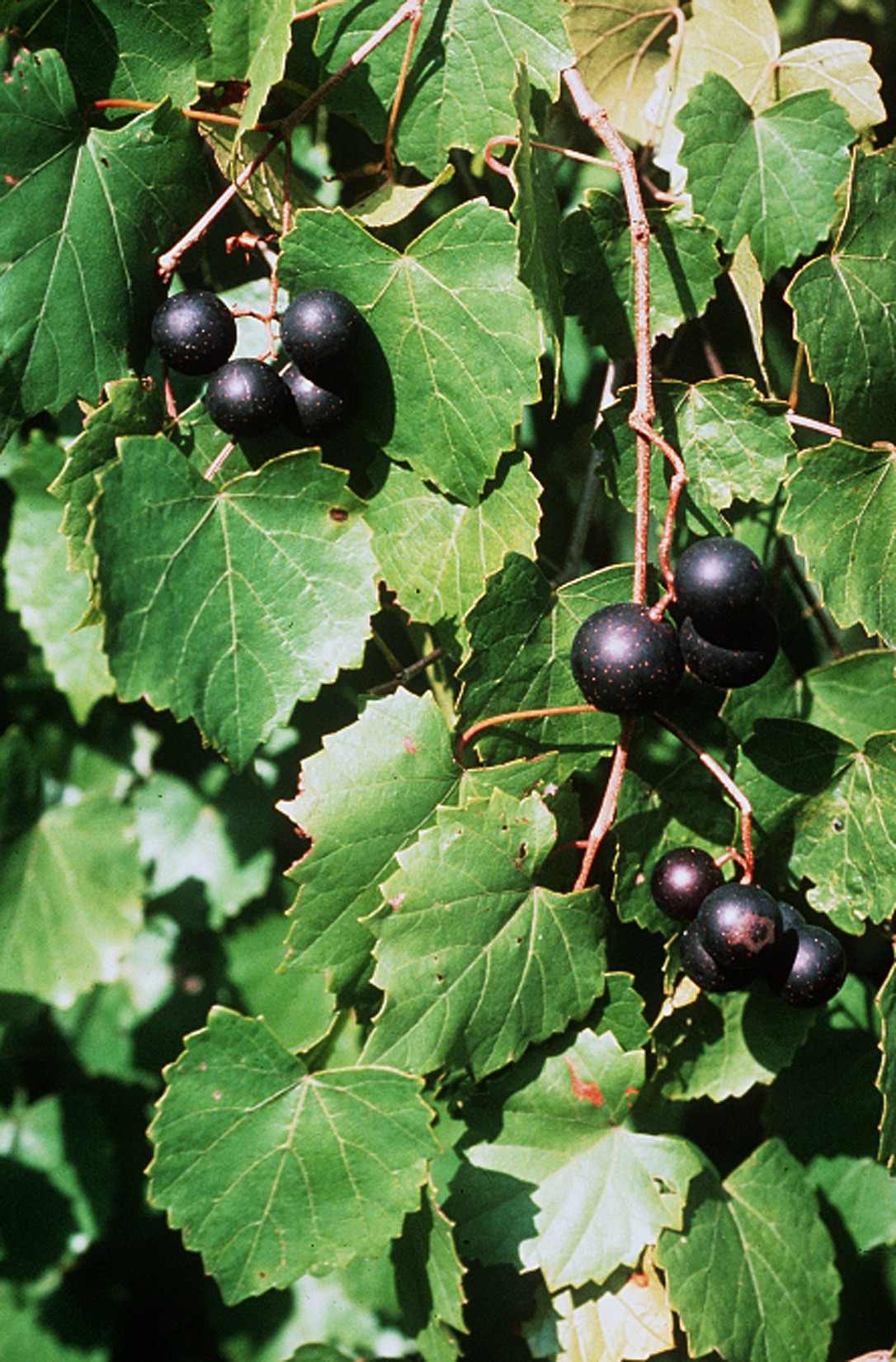
Muscadine is a vigorous deciduous grapevine native to the Southeastern United States, known scientifically as Vitis rotundifolia. It is easily recognized by its thick, leathery skins and large, individual berries that grow in loose clusters rather than the tight bunches seen in common table grapes.
While European grapes (Vitis vinifera) often succumb to humidity and Pierce’s disease, Muscadine thrives in the intense heat of the Deep South. You will need a sturdy trellis system to support its heavy, woody vines that can extend over 30 m (100 ft) in the wild.
Key Facts
- Light: Full sun for at least 7 hours daily
- Water: 25-50 mm (1-2 in) weekly during fruit development
- Soil: Well-drained, acidic soil (pH 5.5-6.5)
- Yield: 15-25 kg (35-55 lbs) per mature vine
- Hardiness: USDA zones 7 to 10
Is Muscadine Right for Your Garden?
Muscadine is the most reliable grape for southern growers because it requires high humidity and summer heat to produce sugar. It needs significantly fewer chilling hours—usually between 200 and 500—compared to standard bunch grapes like ‘Concord’ (Vitis labrusca). You should choose this vine if you have the space for a permanent trellis and live in a region with mild winters.
These vines are long-lived and can produce fruit for over 20 years if maintained correctly. Because they are native to the American South, they have a natural resistance to many pests that destroy European varieties. They are particularly suited to sandy coastal soils where other fruit crops might struggle with drainage or nutrient leaching.
How to Identify a Muscadine Vine
A mature Muscadine vine produces thick-skinned berries that measure 2 to 4 cm (0.8 to 1.5 in) in diameter. Unlike the common grapevine (Vitis vinifera), these fruits grow in small, loose clusters of 3 to 10 berries. The leaves are heart-shaped, 6 to 12 cm (2.5 to 5 in) long, with distinct coarse teeth along the margins and a smooth, dark green surface.
- Bark: Smooth and dark on young wood, becoming slightly fissured but not shredding.
- Tendrils: Non-branching (simple) tendrils, which distinguishes them from other wild grapes.
- Fruit Color: Ranges from bronze (Scuppernong types) to deep purple or near black.
- Pith: The center of the stem is continuous through the nodes, unlike the interrupted pith of bunch grapes.
Best Growing Conditions for Muscadine Grapes
Your vines need full sun for at least 7 hours a day to ensure the fruit ripens evenly and develops high sugar levels. They are highly adapted to the sandy, acidic soils of the coastal plains but require a pH between 5.5 and 6.5 for optimal nutrient uptake. If your soil is too alkaline, the vine will suffer from iron chlorosis, where leaves turn yellow while the veins remain dark green.
Air circulation is vital for preventing fungal diseases in humid climates. Plant your vines on elevated ground or north-south rows to maximize sun exposure and wind flow. While they tolerate wet feet better than most grapes, they will not survive in standing water for extended periods during the growing season.
Planting and Spacing Your Vines
Space your vines 3 to 6 m (10 to 20 ft) apart along a sturdy wire trellis to allow for their vigorous lateral growth. Planting should occur in late winter or early spring while the vine is still dormant to reduce transplant shock. Dig a hole twice as wide as the root ball and ensure the graft union, if the plant is grafted, remains 5 cm (2 in) above the soil line.
Most modern cultivars are self-fertile, but some older “female” varieties require a self-fertile neighbor for pollination. If you are planting a female variety like ‘Fry’ or ‘Summit’, ensure a self-fertile variety like ‘Carlos’ is within 15 m (50 ft). Check the variety’s pollination requirements before purchasing to avoid a harvest of empty vines.
Watering and Feeding Muscadine Vines
Apply a balanced fertilizer like 10-10-10 in early spring and again in June to support the heavy nitrogen demands of new vine growth. Young plants need about 25 liters (6.5 gallons) of water per week, delivered directly to the root zone via drip irrigation. Mature vines are quite drought-tolerant but require consistent moisture during the “final swell” of the berries in late summer to prevent fruit cracking.
- Magnesium: Apply 60 g (2 oz) of Epsom salts per year for young vines to prevent leaf yellowing.
- Boron: A tiny amount of borax (1 tablespoon per 30 m of row) every few years prevents fruit drop.
- Mulch: Use 5-10 cm (2-4 in) of pine bark to retain moisture and suppress weeds.
Pruning for Maximum Fruit Yield
You must prune your Muscadine vines every winter between January and March to maintain a productive spur system. Cut back the previous year’s growth to leave short spurs of 2 to 4 buds each, spaced about 15 cm (6 in) apart along the permanent cordons. Failure to prune results in a tangled canopy that shades out fruiting wood and encourages rot.
Fruit only grows on new shoots emerging from two-year-old wood. By maintaining a single main trunk and two permanent horizontal arms (cordons), you create a structure that is easy to harvest. If a cordon becomes too thick or unproductive after 5-10 years, you can grow a new
Harvesting Muscadine Grapes and Scuppernongs
Expect to harvest your grapes in August or September when the berries pull away from the stem with a slight tug. Unlike bunch grapes, Muscadine berries ripen individually over several weeks, so you must pick the same vine multiple times. You can place a tarp under the trellis and gently shake the vine to collect the ripe fruit, which is the traditional method for large harvests.
The color change is the first sign of ripeness: bronze varieties turn a deep amber, while black varieties turn from red to dark purple. Taste the berries frequently as they approach full color to ensure the sugar levels have peaked. A ripe Muscadine should be soft to the touch and have a powerful, musky aroma that carries on the breeze.
Kitchen Uses: Jelly, Wine, and Health Benefits
Muscadine grapes are traditionally used for jelly, juice, and sweet dessert wines that are staples of Southern culinary heritage. The thick skins are edible and contain high concentrations of resveratrol, though many people prefer to “pop” the sweet pulp out and discard the leathery skin and seeds. The fruit was traditionally used as a digestive aid and for its high vitamin C and fiber content.
- Wine: Requires the addition of sugar and pectic enzyme to balance the high acidity and pectin.
- Jelly: The high natural pectin in under-ripe fruit helps the jelly set firmly without additives.
- Hull Pie: A traditional dish made by parboiling the thick skins (hulls) until tender before baking.
- Health: Contains more antioxidants than most European grapes due to the thick protective skin.
Common Pests and Vine Problems
The most frequent issue for growers is Black Rot (Guignardia bidwellii), which causes fruit to shrivel into hard, black “mummies” during humid weather. You can manage this by removing all old fruit from the vine and ground during winter and ensuring the canopy is thinned for airflow. Aphids and Japanese beetles (Popillia japonica) may attack new leaves in May, but they rarely cause long-term damage to established vines.
Grape Root Borers can be a silent killer, as their larvae eat the roots underground for two years before emerging. If a vine looks wilted despite regular watering, check the base of the trunk for sawdust-like frass. Keeping the area around the trunk clear of weeds and grass helps reduce the risk of borer infestations and allows for easier inspection.
Storage and Preservation Tips
Freshly picked Muscadine grapes will last for up to 14 days when stored in a shallow, ventilated container in the refrigerator. For long-term preservation, you can freeze the whole berries on a baking sheet before transferring them to bags; they make excellent “ice cubes” for summer drinks. If you are processing them for juice, the flavor is best preserved by cold-pressing the fruit and pasteurizing it quickly at 85 °C (185 °F).
Because the skins are so thick, these grapes do not dry into raisins well and will likely rot before they dehydrate. If you find yourself with a surplus, fermenting them into wine or vinegar is the most effective way to utilize the entire crop. Muscadine vinegar has a unique fruity profile that is highly effective in marinades for game meats and poultry.
Year-Round Muscadine Vine Care
| Spring | Apply 10-10-10 fertilizer in March. Monitor for aphids on new growth and apply Epsom salts to prevent magnesium deficiency. |
|---|---|
| Summer | Provide 25-50 mm of water weekly during fruit swell. Weed around the base of the vine and monitor for black rot symptoms on the berries. |
| Autumn | Harvest ripe berries individually or by shaking the vine. Remove any fallen fruit or ‘mummies’ from the ground to prevent disease carryover. |
| Winter | Prune dormant vines back to 2-4 bud spurs in January or February. Repair trellis wires and apply a dormant oil spray if scale is present. |
Solving Muscadine Growth Problems
| What you see | Likely cause | What to do |
|---|---|---|
| Yellow leaves with green veins | Magnesium deficiency | Apply 60g of Epsom salts around the base of the vine and water in thoroughly. |
| Fruit shriveling into black mummies | Black rot fungus | Improve airflow through pruning and remove all infected fruit from the site. |
| Vigorous growth but no fruit | Improper pruning or lack of pollinator | Ensure you are pruning to short spurs and check if your variety requires a self-fertile neighbor. |
Popular Muscadine and Scuppernong Cultivars
- ‘Scuppernong’ – The original bronze variety, excellent for jelly.
- ‘Carlos’ – Self-fertile bronze grape, standard for commercial wine production.
- ‘Noble’ – Self-fertile dark purple variety, highly productive for juice.
- ‘Fry’ – Large bronze female variety, requires a pollinator but has superior flavor.
- ‘Summit’ – Female bronze variety with very high sugar content and thin skins.
- ‘Supreme’ – Very large black fruit, female, known for its heavy yields.
Frequently Asked Questions
How do you eat a muscadine grape?
Place the grape in your mouth with the stem end facing inward, squeeze the fruit so the pulp pops out, and then discard the thick skin and seeds.
What is the difference between a Muscadine and a Scuppernong?
Muscadine is the species name (Vitis rotundifolia), while Scuppernong is a specific bronze-colored cultivar of that species.
What are the health benefits of muscadine grapes?
They are exceptionally high in antioxidants like resveratrol and ellagic acid, which are traditionally linked to heart health and reduced inflammation.
Do muscadine vines need a lot of water?
They need about 2.5 to 5 cm (1-2 inches) of water per week while the fruit is developing, though mature vines are quite drought-tolerant once established.
What is Muscadine Bloodline?
While it is the name of a popular country music duo, the term refers to the deep heritage and native roots of this grape in the American South.
Information about traditional or historical uses is provided for educational interest only and is not medical advice. Do not use any plant to treat a condition without speaking to a qualified professional.
Sources & Verification
Taxonomy and distribution are checked against the databases below. Care guidance is written for cultivated species only and reviewed by our editor. How We Build Plant Profiles →