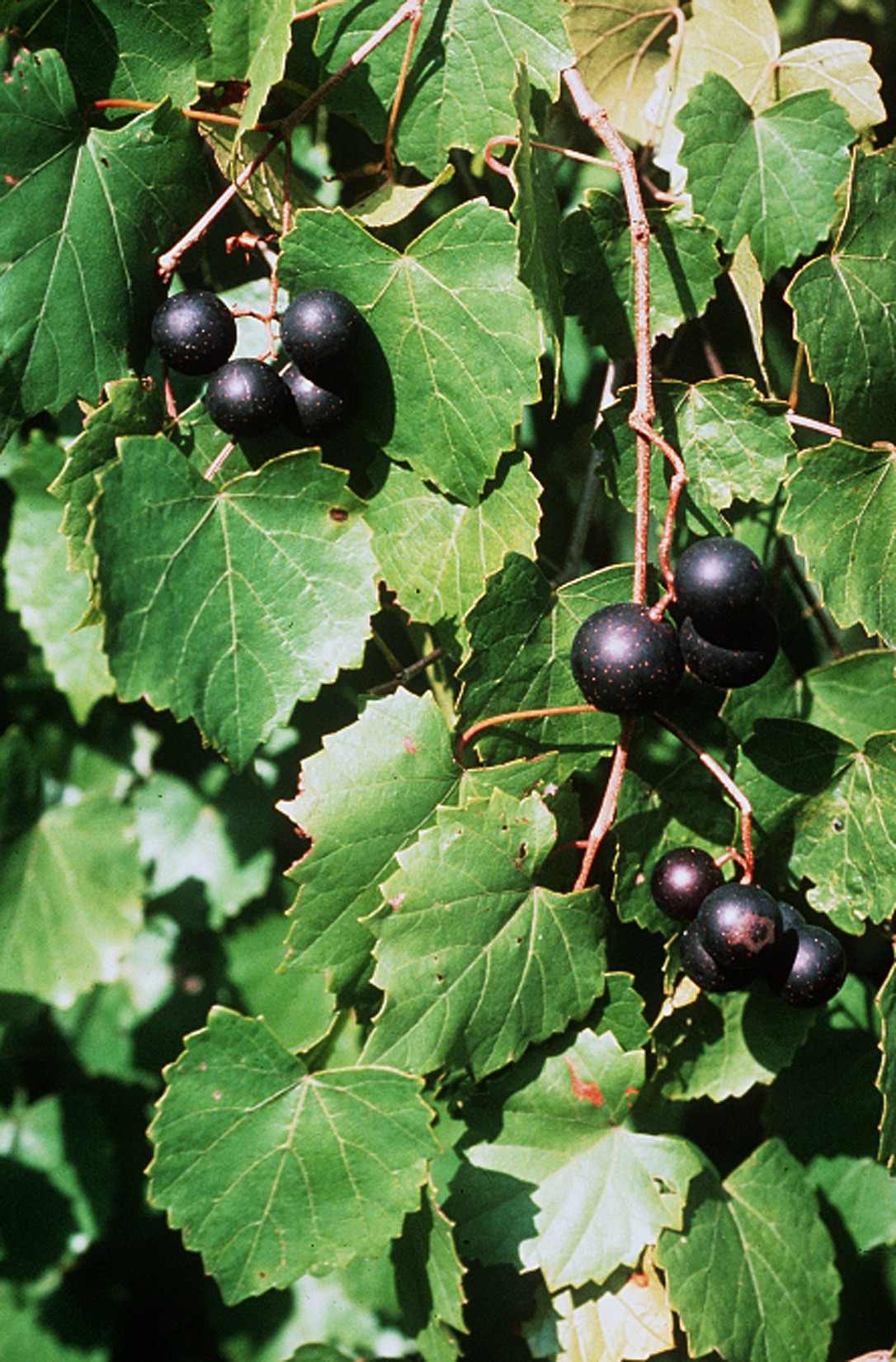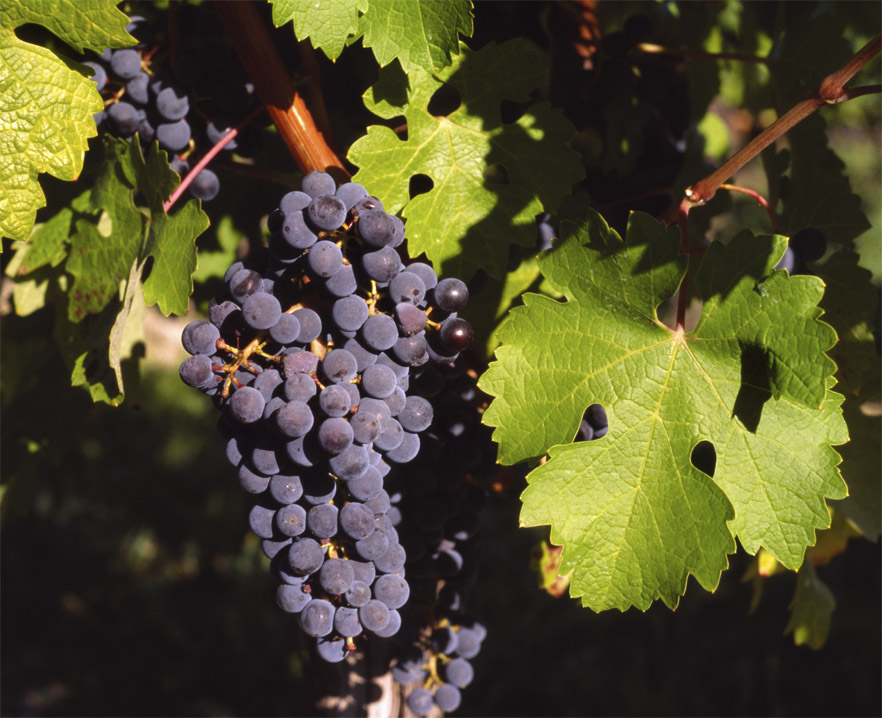
Grape (Vitis vinifera) is a long-lived, deciduous woody climbing vine native to the Mediterranean basin, central Europe, and southwestern Asia. Cultivated for thousands of years, it produces heavy clusters of juicy berries on year-old wood supported by coiling tendrils.
Vines fail rapidly without strict winter cane removal, yielding sour, small fruit when shoots overcrowd the canopy. Planting requires a permanent support structure that can bear over 25 kg (55 lb) of mature fruit and foliage per vine.
Key Facts
- Light: Full sun, minimum 7 to 8 hours direct light
- Soil: Well-drained loam or gravel, pH 6.0 to 7.0
- Yield: 4 to 8 kg (9 to 18 lb) per vine
- Lifespan: 30 to 100+ years
- Toxicity: Highly toxic to dogs and cats, causing kidney failure
Space and Commitment for Growing Grapes
Growing grapevines requires a permanent trellis and dedicated winter pruning every year to keep vigorous vegetative growth from choking out fruit production. A single vine expands across 1.8 to 2.4 m (6 to 8 ft) of horizontal wire space and lives productively for over 40 years.
Beginners often underestimate the sheer volume of wood these plants produce. Without firm intervention, one specimen will produce dozens of leafy shoots up to 4 m (13 ft) long, casting dense shade over the budding clusters below.
- Requires heavy-duty posts, anchor wires, and sturdy turnbuckles
- Demands 2 to 3 years of vegetative training before the first real crop
- Best suited for south-facing walls, open garden rows, or durable pergolas
- Not suited for small standard decorative planters
How to Identify Grapevines
A common grapevine produces thick, shaggy woody trunks with palmately lobed leaves measuring 10 to 20 cm (4 to 8 in) across. The cordate leaves have 3 to 5 distinct lobes, sharply toothed margins, and alternating leaf arrangement along flexible canes.
Slender, branched tendrils emerge opposite the leaves, curling tightly around wires or branches to anchor the climber. Tiny, yellow-green flowers bloom in compact thyrse inflorescences during late spring, carrying a faint sweet scent.
Developing fruits form tight or loose bunches of globose to oblong berries ranging from 1 to 2.5 cm (0.4 to 1 in) in diameter. Depending on the cultivar, the waxy skin ripens to pale green, yellow, crimson, purple, or deep blue-black.
Sunlight and Soil Conditions
European grapevines need at least 7 to 8 hours of unfiltered sunlight each day to build sufficient sugars and ripen fruit before autumn frosts. Shaded vines suffer from persistent fungal infections and fail to develop cold-hardy dormant canes.
Deep, well-draining soil prevents the root rot that plagues vines in heavy clay. While vines tolerate nutrient-poor stony slopes, the root system must penetrate freely down to 1.5 to 2 m (5 to 6.5 ft) without hitting standing water.
- Soil pH: 6.0 to 7.0 for optimal micronutrient uptake
- Heat units: Warm sheltered microclimates accelerate late summer ripening
- Air circulation: Open exposure reduces relative humidity around bunches
- Cold limit: Dormant buds suffer damage below -15 to -20 °C (5 to -4 °F)
How to Plant and Trellis Grapevines
Plant dormant bare-root vines in early spring as soon as the soil is workable, burying the root system while keeping any graft union 5 to 8 cm (2 to 3 in) above the soil line. Water deeply immediately after backfilling to eliminate air pockets around the fragile feeder roots.
Set heavy posts 1.8 to 2.4 m (6 to 8 ft) apart with high-tensile galvanized wire strung at 75 cm (30 in) and 1.5 m (5 ft) off the ground. The Guyot system trains one or two renewal canes horizontally along the bottom wire, while the cordon system establishes permanent horizontal arms that produce vertical fruiting shoots.
- Dig planting holes twice as wide as the spread root mass
- Trim broken or rotted root tips cleanly before planting
- Cut the main dormant cane back to two or three strong buds at planting
- Secure new green growth loosely to bamboo stakes with soft stretchy ties
Watering, Feeding, and Summer Canopy Care
Established grapevines need irrigation only during prolonged summer dry spells, as mature root systems extract moisture from deep soil layers. Young vines in their first two seasons require 15 to 20 L (4 to 5 gal) of water every 7 to 10 days during dry weather.
Avoid heavy nitrogen fertilizers, which trigger explosive foliage growth at the expense of fruit set and cane hardening. A spring application of finished compost and sulfate of potash provides potassium, which moves carbohydrates directly into the swelling berries.
Manage the canopy throughout June and July to ensure air movement and sun penetration. Pluck interior leaves surrounding the clusters four weeks after bloom to dry wet berries quickly and deter fungal development.
Winter Pruning Grape Vines
Annual winter pruning must remove 85 to 90 percent of the previous season’s growth while the vine is fully dormant between December and February. Delaying until late spring causes the cut wounds to bleed sap heavily, stressing the plant.
Grapes produce fruit exclusively on green shoots that arise from two-year-old wood (canes that grew the prior summer). Depending on your chosen framework, you will prune using either the cane renewal or spur pruning method.
- Cane pruning (Guyot): Select 1 or 2 canes with 8 to 12 buds, tie them horizontally, and cut all other old wood back to short replacement spurs
- Spur pruning: Shorten all shoots along permanent horizontal arms to 2 plump buds each
- Spacing: Aim for 10 to 14 shoots per linear meter of wire
- Sanitation: Burn or discard removed wood to eradicate overwintering spores
When and How to Harvest Grapes
Pick grape bunches only after testing the berries for sweetness and low acidity, as grapes do not ripen further once cut from the vine. Berries harvested prematurely remain sour because sugar synthesis halts the moment the stem is severed.
Color change (veraison) happens weeks before full maturity. True ripeness arrives when the stems turn from bright green to woody brown, the white bloom on the skin is uniform, and seeds inside change from green to dark brown with a nutty flavor.
- Snip whole clusters clean using sharp bypass shears rather than pulling by hand
- Harvest on cool, dry mornings after the dew evaporates
- Discard split, moldy, or wasp-damaged berries immediately
- Protect ripening bunches from blackbirds and starlings with 15 mm fine netting
Culinary Uses and Food Preparation
Table grapes deliver crisp texture and high natural sugars for fresh eating, juicing, and home drying into raisins. Traditional Mediterranean dishes use the tender young leaves, harvested in late spring, to make stuffed vine wraps (dolmas).
Wine varieties feature thicker skins, higher natural acidity, and higher sugar concentration to support balanced fermentation. Unfermented grape juice can be boiled down into concentrated molasses or used as a base for artisan fruit vinegars.
- Steam fresh young leaves for 3 to 5 minutes before rolling and filling with rice and herbs
- Dry seedless berries in a food dehydrator at 55 °C (130 °F) for 24 to 36 hours for raisins
- Press whole clusters directly for fresh raw juice
Preventing Grape Vine Diseases and Pests
The two most common fungal diseases are powdery mildew (Erysiphe necator) and downy mildew (Plasmopara viticola), both of which disfigure leaves and ruin crops. Controlling canopy density with leaf removal is the primary defense against both pathogens.
Historical vineyards planted garden roses such as French rose (Rosa gallica) at row ends as early indicators because they exhibit powdery mildew symptoms days before grape foliage. Companion plantings like hyssop (Hyssopus officinalis) and oregano (Origanum vulgare) attract predatory insects that control thrips and leafhoppers, while white clover (Trifolium repens) works well as an understory cover crop.
- Powdery mildew: Gray-white dusting on leaf tops; spray wettable sulfur before bloom
- Downy mildew: Yellow oily patches on leaf tops with downy white undersides; requires copper-based fungicides
- Botrytis bunch rot: Gray mold in dense clusters; thin bunches early to prevent berries crushing each other
- Phylloxera: Root-destroying aphids; plant only certified vines grafted onto American rootstocks
How to Store Fresh Grapes
Store unwashed grape clusters at 0 to 1 °C (32 to 34 °F) with 90 to 95 percent relative humidity to retain moisture and prevent shriveling. In standard home refrigerators, place bunches in perforated plastic bags inside the crisper drawer to maintain high humidity without collecting standing condensation.
Wash berries under cold running water only immediately before eating. Moisture trapped on stored berries activates latent Botrytis spores, causing rapid mold outbreaks within 48 hours.
- Home refrigerator storage life: 1 to 3 weeks depending on initial freshness
- Keep grapes away from ethylene-emitting fruits like apples and bananas
- Do not remove individual berries from their stems prior to storage, as the stem seal prevents drying
- Freeze whole washed, dried grapes on baking sheets for refreshing frozen snacks
Grape Care Through the Seasons
| Spring | Complete bare-root planting before bud break. Apply a 5 cm (2 in) layer of compost around the base, keeping it clear of the trunk. Rub out unwanted basal shoots and thin competing shoots when new growth reaches 10 cm (4 in). |
|---|---|
| Summer | Tie lateral canes securely to trellis wires. Strip 2 to 4 leaves directly around developing fruit clusters to improve air passage. Cover rows with bird netting once veraison color changes begin. |
| Autumn | Harvest mature bunches during dry weather. Clear and compost fallen leaf debris to reduce fungal spore loads. Deeply water young vines once before winter if the autumn has been dry. |
| Winter | Prune out 85 to 90 percent of canes while the vine is dormant between December and February. Apply dormant lime sulfur sprays to trunks to kill overwintering spores. Inspect and tension trellis wires. |
Why Grapes Fail: Common Growing Problems
| What you see | Likely cause | What to do |
|---|---|---|
| Ripe-looking grapes taste sour and astringent | Picked before true physiological maturity or grown in insufficient summer heat | Leave clusters on the vine until the green stems turn woody brown and taste-test berries before cutting. |
| White, flour-like coating over leaves and green berries | Powdery mildew infection encouraged by stagnant air and shaded foliage | Remove foliage surrounding fruit to open canopy airflow and apply sulfur-based fungicide. |
| Dense, soggy gray fuzz rotting clustered berries | Botrytis cinerea (grey mold) taking hold in wet, overcrowded bunches | Snip out rotted berries immediately and thin tight clusters early in summer to allow berry expansion. |
| Berries split open while still hanging on the vine | Sudden heavy rainfall following an extended dry period during late ripening | Maintain even soil moisture with deep mulching and harvest split fruit immediately before mold starts. |
| Tiny holes pecked into berries followed by swarming insects | Bird damage attracting secondary feeding by wasps and fruit flies | Install fine mesh netting over the entire fruiting zone before grapes change color. |
Recommended Grape Varieties
- ‘Black Hamburg’ – reliable sweet purple dessert grape for cool regions
- ‘Chasselas’ – classic pale golden table and wine variety
- ‘Pinot Noir’ – cool-climate red wine grape with tight clusters
- ‘Chardonnay’ – vigorous green wine grape adaptable to diverse soils
- ‘Muscat of Alexandria’ – intensely aromatic white table grape needing greenhouse heat
Frequently Asked Questions
Why are my grapes sour?
Grapes taste sour when they are picked too early or grown in cool summers with insufficient direct sunlight. Grapes do not synthesize sugar after harvest, so taste test berries from the tip of the cluster before cutting the bunch.
What is the difference between a grape and a grapefruit?
A grape is a small deciduous vine berry (Vitis vinifera), whereas a grapefruit is a large, subtropical citrus tree fruit (Citrus paradisi). Grapefruits were named simply because their large yellow fruits grow on the tree in clustered groups resembling grapes.
How do you care for grapes in the UK?
In the UK climate, plant vines against a sheltered, south-facing brick wall or inside an unheated greenhouse to capture maximum heat units. Choose early-ripening, disease-resistant cultivars like ‘Siegerrebe’ or ‘Dornfelder’ and thin leaves around clusters in July.
Are grapes toxic to dogs?
Yes, grapes and raisins are severely toxic to dogs and cats, causing acute, irreversible kidney failure. Even a single grape can cause toxicity in sensitive animals, requiring immediate emergency veterinary intervention.
What were traditional medicinal uses of the grape vine?
Historically, European herbalists used sap from pruned spring vines as an eye lotion, while dried vine leaves were traditionally applied in poultices to treat swelling and bleeding.
Information about traditional or historical uses is provided for educational interest only and is not medical advice. Do not use any plant to treat a condition without speaking to a qualified professional.
Sources & Verification
Taxonomy and distribution are checked against the databases below. Care guidance is written for cultivated species only and reviewed by our editor. How We Build Plant Profiles →