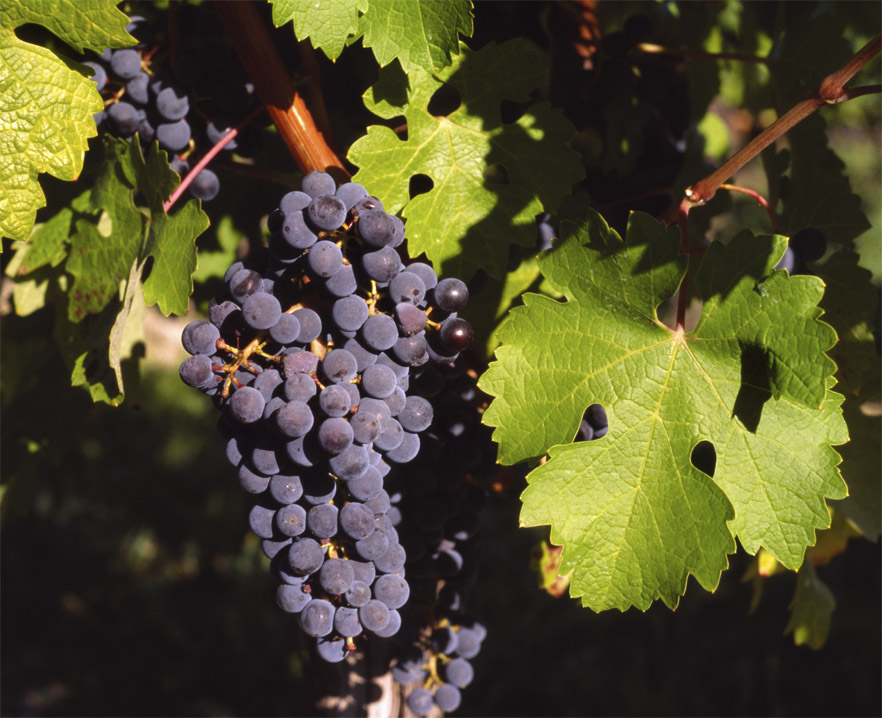
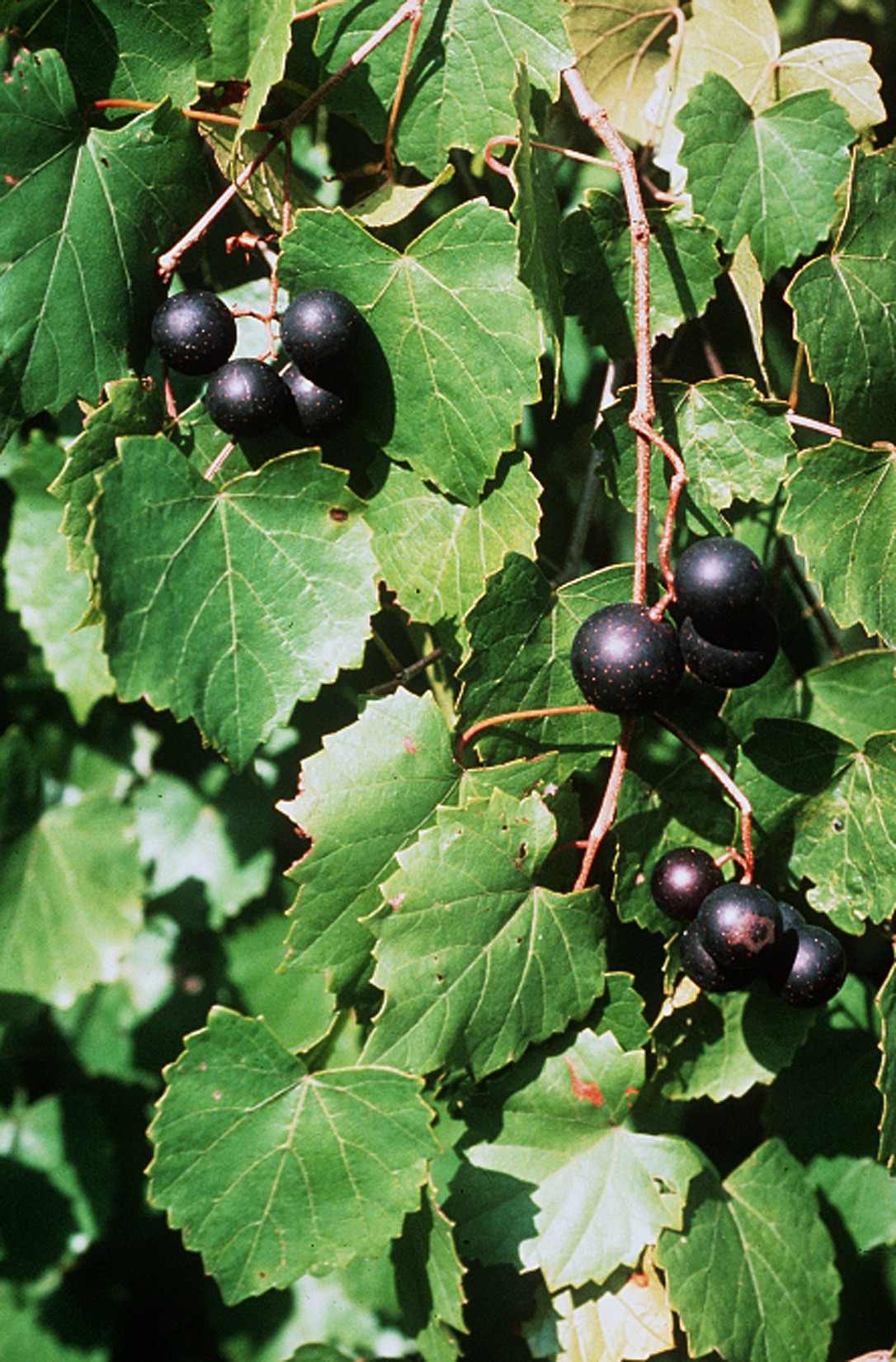
Fox grape (Vitis labrusca) is a vigorous woody vine native to eastern North America, producing clusters of sweet, aromatic fruit with a distinctive slip-skin texture. It serves as the genetic parent for many classic American cultivars like Concord and Niagara.
You harvest the fruit in autumn when the berries reach full color and detach easily from the stem. Train this climber onto a sturdy trellis or arbor to manage its rapid vegetative growth.
Key Facts
- Light: full sun for best fruit
- Soil: well-drained loamy texture
- Water: 2.5 cm (1 in) per week
- Spacing: 2.4 m (8 ft) between vines
- Harvest: late summer to autumn
What It Is Like to Grow Fox Grapes
Growing fox grapes requires patience and a commitment to annual pruning because these vines produce long, aggressive canes each season. They suit gardeners with ample yard space who want a reliable harvest of slip-skin fruit for fresh eating or jelly making. The single most important rule is providing a heavy-duty support structure before planting, as mature vines weigh hundreds of kilograms.
- Canes grow up to 3 m (10 ft) or more in a single season.
- Foliage provides dense seasonal shade on arbors and fences.
- Vines tolerate heavy clay if drainage prevents standing water.
Compared to European wine grapes (Vitis vinifera), this species handles humid continental summers with far fewer fungal issues. You will enjoy watching the reddish-brown bark peel away in strips on older wood.
Fox Grape Plant Look and Botanical Traits
Fox grapes feature large, heart-shaped leaves measuring 10-20 cm (4-8 in) across with dense white or rusty fuzz on their lower surfaces. The canes bear tendrils at every single node, setting this species apart from other vines that skip nodes. Flowers appear in spring as small, greenish clusters that emit a sweet fragrance.
- Berries measure 15-20 mm (0.6-0.8 in) in diameter.
- Fruit skin separates cleanly from the pulp when squeezed.
- Bark is shredded and reddish-brown on older stems.
The ripe berries range from dark purple and black to reddish-amber or green depending on the specific selection. Clusters are generally compact and cylindrical rather than loose and long.
Fox Grape Growing Conditions and Site Selection
Select a site receiving at least 6 to 8 hours of direct sunlight daily to maximize sugar development in the fruit. Air circulation is vital to keep the large foliage dry and prevent fungal outbreaks during humid summer months. Avoid low frost pockets where late spring freezes can damage tender emerging shoots.
- Soil pH should remain between 5.5 and 6.5.
- Amend heavy clay with compost to improve drainage.
- Clear surrounding weeds for a 1 m (3 ft) radius around the base.
Plant bare-root vines in early spring before bud break occurs. Dig a hole twice as wide as the root system and trim broken roots back before backfilling.
Fox Grape Care and Maintenance
Provide newly planted vines with 2.5 cm (1 in) of water weekly through rainfall or irrigation until established. Apply a balanced organic fertilizer in early spring as new shoots begin to emerge from the canes. Mulch the root zone with 7 cm (3 in) of wood chips to retain moisture and suppress competing weeds.
- Prune away 80-90 percent of the previous year’s growth in late winter.
- Tie new shoots to the trellis wires as they elongate in summer.
- Thin fruit clusters if the vine overloads itself with too many grapes.
Avoid overhead watering during evening hours to minimize leaf wetness duration. Stop fertilizing by mid-summer to let the wood harden off before winter freezes.
How to Harvest Fox Grapes
Harvest fox grapes when the fruit turns fully colored and the seeds inside change from green to brown. Taste a berry from the center of the cluster to check for sweetness before picking the entire bunch. The skin should yield easily to pressure and slip off the translucent pulp.
- Cut clusters cleanly from the vine using sharp pruning shears.
- Do not wash the harvested fruit until just before eating or processing.
- Refrigerate unwashed clusters immediately in breathable containers.
Unwashed berries will keep fresh in a household refrigerator for up to 2 weeks. Process surplus fruit into jelly, juice, or pies within days of picking for the best flavor.
Fox Grape Uses in the Kitchen
Fox grapes are traditionally used to make aromatic jelly, sweet juice, and rustic pies due to their intense, musky flavor profile. The slip-skin characteristic makes them easy to pulp manually when separating seeds for cooked preserves. Traditional herbalists used leaf infusions as washes, though culinary applications remain the primary focus today.
- Concord and Niagara cultivars supply much of the commercial grape juice market.
- Young leaves are occasionally wrapped around savory fillings and baked.
- Fresh berries provide natural wild yeast on their skins for fermentation.
The distinct flavor is often described as resembling cotton candy or wild strawberry. This profile stands in sharp contrast to the neutral taste of wine grapes.
Fox Grape Problems and Troubleshooting
Fox grapes possess natural resistance to many common mildews and phylloxera, but they remain susceptible to black rot and powdery mildew in wet climates. Inspect your vines weekly during spring for circular brown spots on leaves or shriveled black fruit mummies. Pruning out infected canes and clearing fallen leaves from the ground eliminates overwintering spores.
- Symptom: Leaves with yellow-green spots turning brown. Cause: Black rot fungus. Fix: Remove infected tissue and improve airflow.
- Symptom: White powdery coating on foliage. Cause: Powdery mildew. Fix: Apply wettable sulfur sprays early in the season.
- Symptom: Missing or chewed fruit. Cause: Birds or raccoons. Fix: Enclose ripening clusters in mesh netting bags.
Japanese beetles frequently skeletonize the foliage in mid-summer by feeding between the leaf veins. Hand-pick these pests into soapy water during early morning hours when they are sluggish.
Fox Grape Storage and Preservation
Store fresh fox grapes unwashed in perforated plastic bags inside the crisper drawer of your refrigerator for 10 to 14 days. Freezing the whole berries is an easy preservation method if you plan to make jelly or juice later in the season. Pull the grapes from their stems, rinse them thoroughly, and spread them on baking sheets before transferring them to freezer bags.
- Canned grape juice retains its flavor for up to 12 months in a cool pantry.
- Jelly made with added pectin sets firmly within 24 hours of canning.
- Dehydrating the fruit produces tart raisins with a concentrated flavor.
Avoid stacking too many fresh clusters on top of one another to prevent crushing the delicate lower berries. Discard any moldy fruit immediately to stop rot from spreading through the container.
Fox Grape Through the Seasons
| Spring | Prune away dead wood before bud break and apply a balanced organic fertilizer around the root zone. Tie emerging green shoots to your trellis wires as they reach 30 cm (12 in) in length. |
|---|---|
| Summer | Monitor soil moisture levels and provide supplemental irrigation during dry spells. Tuck wandering lateral canes into the trellis system and thin crowded fruit clusters to improve air circulation. |
| Autumn | Harvest ripe grape clusters as soon as seeds turn brown and flavor peaks. Clear fallen leaves and discarded fruit from beneath the vine to reduce overwintering pest pressure. |
| Winter | Perform heavy annual pruning while the vine is fully dormant, removing up to 90 percent of the previous season’s growth. Apply a fresh 7 cm (3 in) layer of mulch to insulate the root system. |
Fox Grape Pest and Disease Diagnosis
| What you see | Likely cause | What to do |
|---|---|---|
| Brown circular spots on leaves and shriveled black fruit | Black rot fungal infection | Prune out diseased canes and clear all mummified fruit from the ground. |
| White powdery residue on upper and lower leaf surfaces | Powdery mildew fungus | Improve air circulation by thinning shoots and apply sulfur fungicide. |
| Leaf tissue eaten between the veins, leaving lace patterns | Japanese beetles feeding | Hand-pick beetles into soapy water during the cool morning hours. |
Popular Fox Grape Cultivars
- Concord – classic dark purple slip-skin fruit with strong aroma
- Niagara – pale green slip-skin cultivar with sweet, fruity flavor
- Catawba – reddish-purple American hybrid used for sweet wines and jelly
- Delaware – small reddish-pink berries with a delicate, sweet taste
- Isabella – dark slip-skin grape with vigorous growth and musky flavor
Frequently Asked Questions
Are fox grapes edible?
Yes, fox grapes are fully edible and valued for making jelly, juice, and fresh eating. The skin slips off easily from the sweet pulp inside.
How do you make fox grape jelly?
Simmer crushed grapes with a small amount of water for 10 minutes, then strain the juice through a jelly bag. Combine the extracted juice with sugar and pectin, bring to a rolling boil, and process in sterile jars.
What is the difference between fox grapes and muscadine grapes?
Fox grapes (Vitis labrusca) feature slip-skins, tendrils at every node, and cold hardiness down to Zone 4. Muscadine grapes (Vitis rotundifolia) have tight skins, unbranched tendrils, and thrive only in warm southern climates.
How do you harvest fox grapes?
Cut entire clusters from the vine using sharp shears when the berries turn dark and taste sweet. Check that the seeds have changed from green to brown before picking.
Do fox grape vines need heavy pruning?
Yes, you must prune away about 90 percent of the previous year's growth every winter. Heavy pruning keeps the vine productive and prevents it from becoming an unmanageable tangle.
Information about traditional or historical uses is provided for educational interest only and is not medical advice. Do not use any plant to treat a condition without speaking to a qualified professional.
Sources & Verification
Taxonomy and distribution are checked against the databases below. Care guidance is written for cultivated species only and reviewed by our editor. How We Build Plant Profiles →