Vitis coignetiae is a large deciduous vine native to the temperate forests of Japan, Korea, and Sakhalin, primarily grown for its massive foliage and intense autumn color. It uses strong tendrils to climb, often reaching the top of a 15 m (50 ft) tree canopy if left unchecked.
This species is significantly larger than the common grapevine Vitis vinifera and requires a substantial support structure to bear its weight. It is frequently used to cover large pergolas or to hide unsightly buildings in temperate climates.
Key Facts
- Light: Full sun for the best autumn color
- Growth: Up to 3 m (10 ft) in one season
- Hardiness: USDA zones 5 to 9
- Leaf Size: Up to 30 cm (12 in) across
- Pruning: Early winter to prevent sap bleeding
Is Crimson Glory Vine Right for Your Garden?
Crimson Glory Vine requires significant space and a very sturdy support system to accommodate its vigorous growth and heavy summer foliage. It is not suitable for small fences or lightweight trellises, as the weight of the 30 cm (12 in) leaves and woody stems can collapse weak structures.
This vine is ideal for covering large north or west-facing walls, high pergolas, or even growing through large, established trees. In Australia, it performs well in cooler temperate regions like the Dandenong Ranges or the Blue Mountains, where the autumn chill triggers its characteristic deep red color. You should avoid planting it near gutters or shingles, as the tendrils and rapid growth can cause structural damage if not managed annually.
Identifying Vitis coignetiae by Leaf and Habit
You can identify Vitis coignetiae by its massive, heart-shaped leaves that often measure between 20 cm (8 in) and 30 cm (12 in) in diameter. The leaves are shallowly three-lobed with a rough, rugose texture on the upper surface and a rusty-colored downy underside. Unlike many other vines, the foliage is thick and leathery, providing dense shade during the summer months.
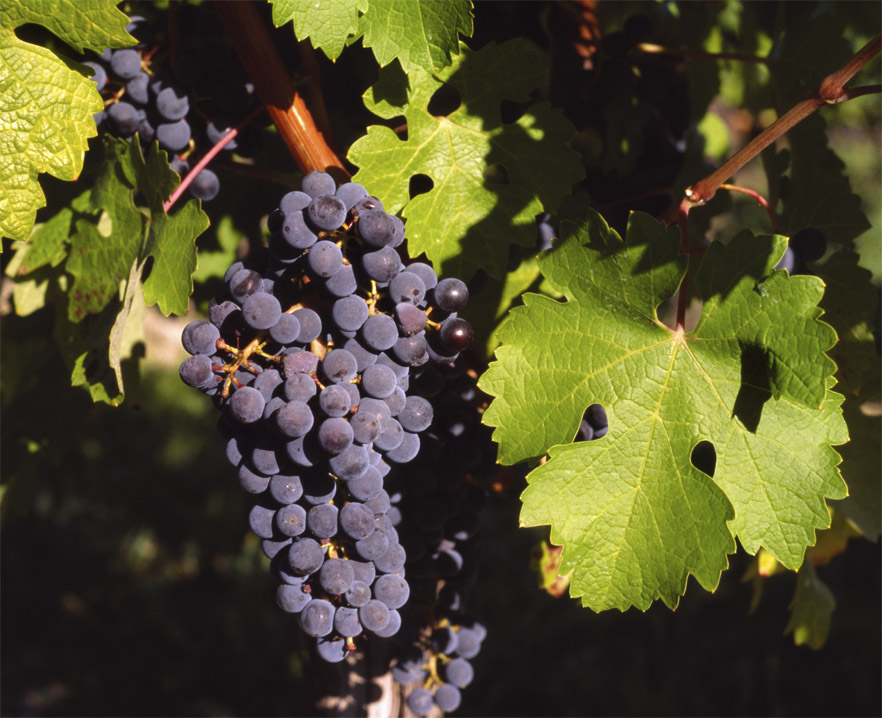
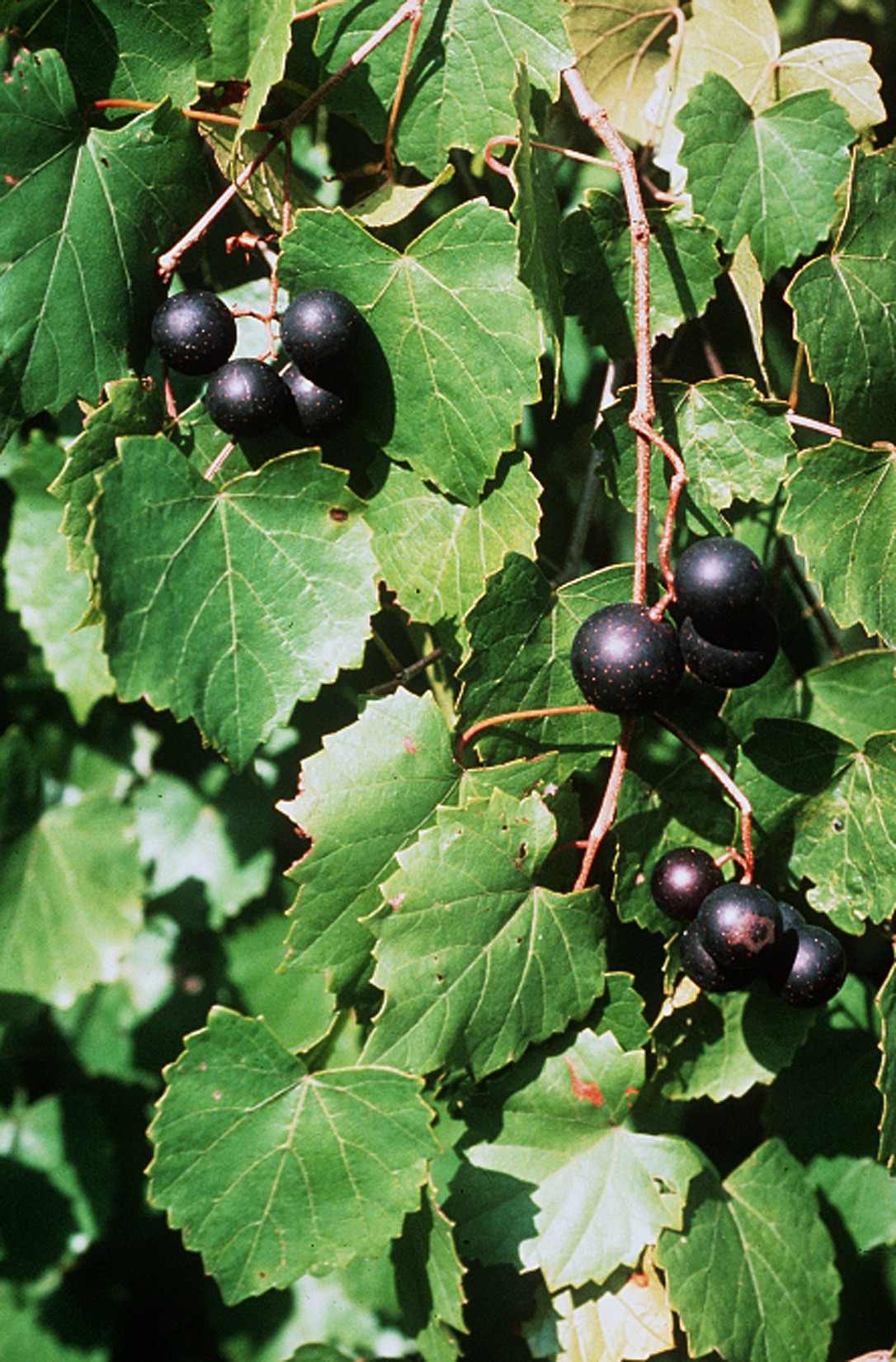
The stems are thick and woody, climbing via branched tendrils that wrap tightly around any available support. In early summer, the vine produces inconspicuous clusters of tiny, greenish-yellow flowers. These are followed by small, purple-black berries about 1 cm (0.4 in) in diameter, which hang in tight, grape-like bunches against the changing autumn foliage.
Best Site Conditions for Intense Autumn Color
For the most vivid crimson foliage, plant your vine in full sun and well-drained soil. While the plant will grow in partial shade, the autumn color will be significantly more muted, often appearing as a dull brown or orange rather than the signature deep red. A south or west-facing aspect is generally preferred to maximize light exposure during the growing season.
- Soil should be neutral to slightly alkaline for optimal health.
- Avoid overly rich soils, as excessive nitrogen promotes leaf growth at the expense of autumn color.
- Provide a sheltered spot to prevent high winds from shredding the large, heavy leaves.
- Ensure the root zone is kept cool and moist, even if the foliage is in full sun.
How to Plant Your Crimson Glory Vine
Plant your vine in late autumn or early spring while the plant is dormant to allow the root system to establish before the rapid summer growth begins. Dig a hole twice as wide as the root ball and just as deep, ensuring the soil at the base is loosened. If planting against a wall, place the vine at least 45 cm (18 in) away from the base to avoid the ‘rain shadow’ where soil remains too dry.
Backfill with native soil mixed with a small amount of well-rotted compost, but avoid heavy fertilization at this stage. Firm the soil gently with your heel and water deeply. You must provide immediate support, such as horizontal wires spaced 30 cm (12 in) apart, to guide the young tendrils as they begin to search for a climbing surface.
Watering and Feeding for Vigorous Growth
Water young plants once or twice a week during their first two growing seasons to ensure the deep root system develops properly. Once established, Crimson Glory Vine is relatively drought-tolerant, but it will lose its leaves early if the soil becomes bone-dry during a summer heatwave. Apply a thick layer of organic mulch, such as bark or leaf mold, every spring to help retain moisture.
Feeding should be kept to a minimum to maintain the best autumn color. A single application of a balanced, slow-release fertilizer in early spring is sufficient. Avoid high-nitrogen feeds in late summer, as this encourages soft, green growth that is susceptible to frost damage and can prevent the leaves from turning red in the autumn.
Pruning Vitis coignetiae to Control Size
You must prune this vine in early winter (December or January) to avoid the sap ‘bleeding,’ which occurs if the plant is cut after the sap begins to rise in early spring. Because it is so vigorous, annual pruning is necessary to keep it within its allotted space. Start by removing any dead, damaged, or diseased wood, then cut back the previous year’s side shoots to two or three buds from the main structural framework.
If the vine has become overgrown, it can tolerate hard restorative pruning. You can cut the entire plant back to within 1 m (3 ft) of the ground in mid-winter, though this will result in the loss of flowers and fruit the following year. During the summer, you may pinch out the tips of overly long shoots to keep the vine tidy and encourage the development of larger leaves.
Propagating New Vines from Cuttings
The most reliable way to propagate Crimson Glory Vine is through hardwood cuttings taken in mid-winter. Select healthy, pencil-thick stems from the current year’s growth and cut them into 15-30 cm (6-12 in) lengths. Make a straight cut just below a node at the base and a sloping cut above a node at the top to identify which end is up.
- Dip the base in rooting hormone to increase the success rate.
- Insert the cuttings into a pot of gritty compost, leaving only the top bud exposed.
- Place the pot in a cold frame or a sheltered spot outdoors.
- Rooting typically takes several months; transplant in the following autumn.
- Alternatively, use ‘serpentine layering’ by pinning a low-growing stem to the ground in spring.
Common Pests and Diseases
The most frequent issue for this species is powdery mildew, which appears as a white, dusty coating on the large leaves during hot, humid summers. To prevent this, ensure there is adequate air circulation around the vine and avoid overhead watering. If an infection occurs, treat the foliage with a sulfur-based fungicide or a mixture of milk and water.
Vine weevil larvae may occasionally attack the roots of younger plants, while the adults notch the edges of the leaves. In some regions, Japanese beetles can be a significant problem, skeletonizing the foliage in mid-summer. Scale insects may also appear on the woody stems; these can be managed by rubbing them off or using a horticultural oil spray during the dormant winter season.
Winter Care and Hardiness
Crimson Glory Vine is fully hardy down to -20 °C (-4 °F) and requires no special protection in USDA zones 5 through 9. As a deciduous plant, it will drop all its leaves following the autumn display, leaving a structural skeleton of woody stems and tendrils. This is the best time to inspect the support structures and ties, as the lack of foliage makes the framework visible.
In regions with very late spring frosts, the emerging soft buds may occasionally be scorched. While this rarely kills the plant, it can delay the leafing-out process. If a severe freeze is predicted after the buds have broken, you can drape small specimens with horticultural fleece. Mature plants are generally resilient enough to produce a second flush of leaves if the first is damaged.
Flowers and the Edibility of Vitis coignetiae Fruit
The fruit of the Crimson Glory Vine is edible but very tart and tannic, making it unpleasant for fresh eating. In Japan, the berries (known as Yama-budo) are traditionally harvested after the first frost to make juices, jams, and a specific type of regional wine. The berries are high in proanthocyanidins and are often processed with significant amounts of sugar to balance their natural bitterness.
The flowers are typically dioecious, meaning male and female flowers often occur on separate plants, though many cultivated varieties are self-fertile. The clusters are small and lack the ornamental appeal of the foliage. If you are growing the vine specifically for fruit, ensure you have a cultivar known for berry production, as some ornamental clones may produce very little fruit.
Year-Round Care for Crimson Glory Vine
| Spring | Apply a balanced fertilizer and a 5 cm (2 in) layer of organic mulch. Guide new shoots onto supports as they emerge. |
|---|---|
| Summer | Water during dry spells to prevent early leaf drop. Pinch out excessively long shoots to maintain the desired shape. |
| Autumn | Reduce watering as the leaves begin to change color. Clear fallen leaves promptly to prevent the buildup of fungal spores. |
| Winter | Prune back side shoots to 2-3 buds in December or January. Take hardwood cuttings for propagation while the vine is dormant. |
Why Is My Crimson Glory Vine Struggling?
| What you see | Likely cause | What to do |
|---|---|---|
| Leaves turning brown and crispy at edges | Drought stress or wind scorch | Increase watering and provide a windbreak for large leaves. |
| White powdery spots on leaves | Powdery mildew | Improve air circulation and treat with a fungicide. |
| Sap dripping from pruning cuts | Pruning too late in spring | Avoid pruning after January; the bleeding usually stops on its own. |
| Leaves staying green in autumn | Too much nitrogen or shade | Stop fertilizing in summer and ensure the plant gets full sun. |
Popular Vitis coignetiae Cultivars
- ‘Claret Cloak’ – features particularly deep purple new growth.
- ‘Pulliat’ – a classic selection named after the French viticulturist.
Companion Plants for Large Climbers
Pair Crimson Glory Vine with other vigorous climbers that can hold their own against its rapid growth. Because the vine is deciduous and late to leaf out, early-flowering companions can provide interest before the large leaves take over the space. Avoid delicate plants that might be smothered by the dense summer canopy of the vine.
- Clematis montana provides a flush of spring flowers before the vine’s leaves reach full size.
- Wisteria sinensis offers a similar scale and can share a large pergola or wall.
- Hydrangea anomala subsp. petiolaris works well on the lower, shaded portions of a wall.
- Sarcococca confusa at the base provides evergreen interest and winter fragrance.
Frequently Asked Questions
Are Crimson Glory Vine berries edible?
Yes, the berries are edible but very bitter and tart. They are best used for making jams, jellies, or wine rather than eating fresh.
Is Vitis coignetiae invasive?
It is not officially classified as invasive in most regions, but it is extremely vigorous. It can easily smother smaller plants and requires annual pruning to stay controlled.
Can I grow Crimson Glory Vine in Australia?
Yes, it grows well in temperate parts of Australia, such as Victoria and the highlands of New South Wales, where it gets enough winter chill for good autumn color.
How fast does Crimson Glory Vine grow?
Once established, it can grow up to 3 meters (10 feet) in a single season. It is one of the fastest-growing ornamental vines available.
Why didn't my vine turn red this year?
A lack of autumn color is usually caused by too much shade, over-fertilizing with nitrogen, or a very mild autumn without a significant temperature drop.
Sources & Verification
Taxonomy and distribution are checked against the databases below. Care guidance is written for cultivated species only and reviewed by our editor. How We Build Plant Profiles →