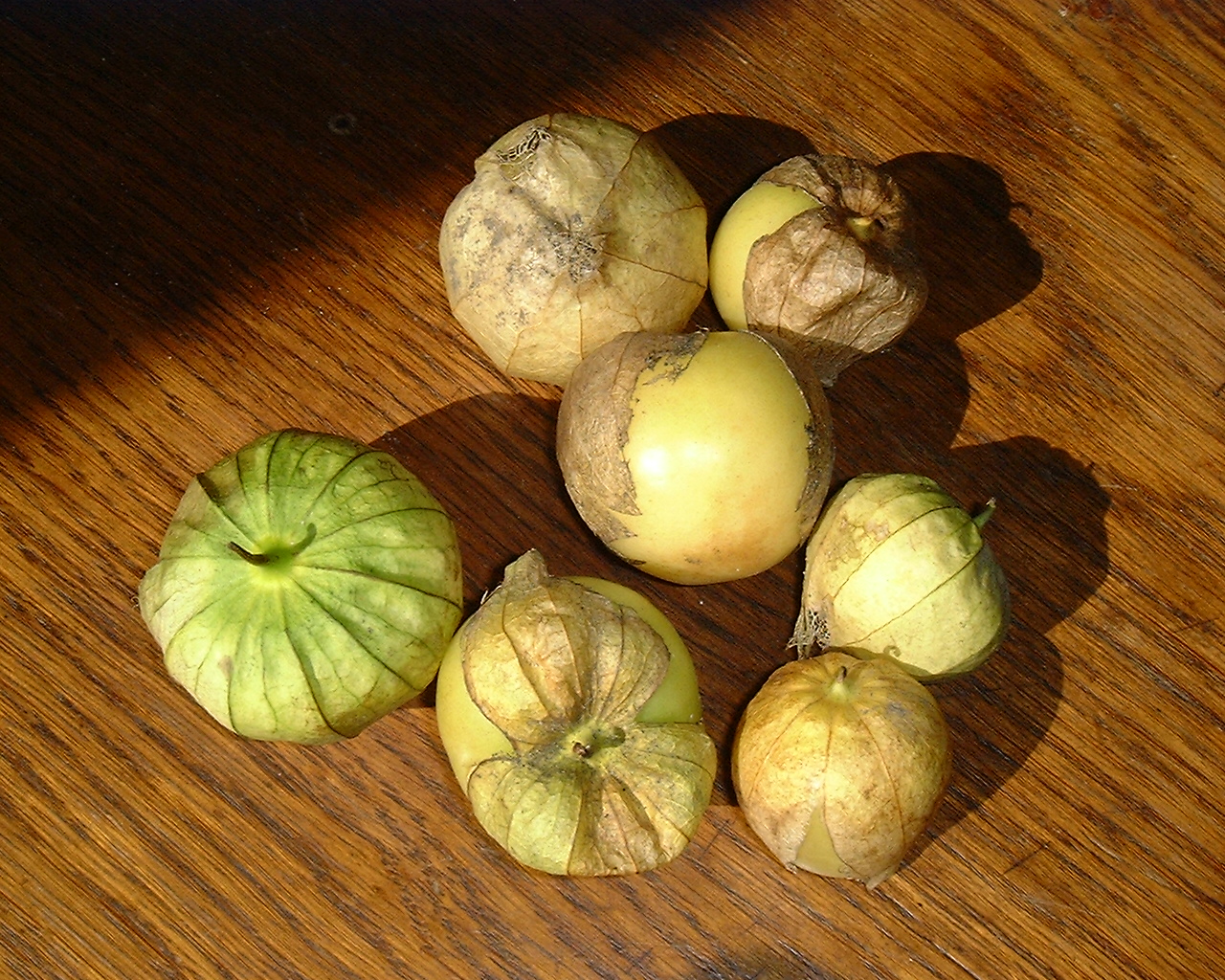
Cape gooseberry (Physalis peruviana) is a tender perennial nightshade from the high-altitude Andes that produces sweet-tart, marble-sized orange fruit enclosed in protective papery calyces.
Outside subtropical regions it is grown as an annual because frost kills top growth instantly at 0 °C (32 °F), requiring an early indoor start to ripen fruit before autumn ends.
Key Facts
- Plant type: Tender perennial treated as annual
- Growing season: 120–150 days from seed to harvest
- Light: Full sun, minimum 6–8 hours daily
- Plant size: 1–1.8 m (3–6 ft) tall and wide
- Hardiness: USDA zones 8–11; killed by freezing temperatures
- Toxicity: Unripe green berries and foliage contain solanine
Growing Cape Gooseberry in Home Gardens
Cape gooseberry demands space, warmth, and low-nitrogen soil to yield an abundant crop rather than excessive leafy foliage.
A single shrub expands rapidly, often sprawling over 1.5 m (5 ft) across by late summer. It suits container growing in large 30–45 L (8–12 gal) pots, which helps restrict vigorous roots and forces earlier flowering. In temperate regions, positioning plants against a south-facing brick wall or inside an unheated greenhouse provides the thermal boost needed to ripen late-season fruit.
Identifying Cape Gooseberry Plants and Fruit
You can identify the plant by its velvety, heart-shaped leaves and distinctive inflated papery husks that completely enclose the developing berries.
The plant features distinct botanical characteristics across each stage of growth:
- Foliage: Soft, grey-green, cordate leaves measuring 6–15 cm (2.4–6 in) long, densely covered in fine hairs.
- Stems: Ribbed, slightly zig-zagging herbaceous stems that become woody at the base over time.
- Flowers: Nodding, bell-shaped yellow blooms with five distinct dark purple or brown throat blotches.
- Fruit: Spherical, glossy orange-yellow berries measuring 1.5–2 cm (0.6–0.8 in) across, sealed inside a straw-coloured, lantern-like calyx.
Cape Gooseberry Growing Conditions and Soil
Cape gooseberries thrive in poor to moderately fertile, sharp-draining soil under full sun exposure.
Excessive organic matter or high nitrogen levels trigger aggressive vegetative growth at the expense of blossom set and fruit production. Aim for a soil pH between 5.5 and 7.0 in an open, breezy spot that receives at least 8 hours of unfiltered sunlight each day. Poor, sandy ground or gravelly loam produces sweeter, earlier-ripening berries than rich garden compost.
How to Sow Cape Gooseberry Seeds
Sow seeds indoors 6 to 8 weeks before the last expected frost date, maintaining a temperature of 21–24 °C (70–75 °F) for germination.
Follow these sowing steps to get strong seedlings:
- Surface sow seeds onto moist, fine seed compost and cover lightly with 2 mm (0.1 in) of vermiculite.
- Maintain consistent soil moisture using a spray mister, preventing waterlogging.
- Expect germination within 10 to 20 days under bright artificial grow lights or on a heated propagation mat.
- Prick out seedlings into individual 9 cm (3.5 in) pots once the first true velvety leaves develop.
- Harden off young plants gradually over 10 to 14 days before transplanting outdoors once nighttime temperatures reliably stay above 10 °C (50 °F).
Cape Gooseberry Care, Watering, and Pruning
Water deeply once every 7 to 10 days during dry spells, allowing the top 5 cm (2 in) of soil to dry out between waterings.
Once established, the shrub possesses moderate drought tolerance thanks to an extensive fibrous root system. High moisture levels during fruit ripening can cause skins to split inside the husks. To maintain a productive shape and balance growth:
- Stake central stems early using sturdy 1.5 m (5 ft) canes to prevent heavy branches from snapping in strong winds.
- Pinch out the growing tips when plants reach 30 cm (12 in) tall to stimulate lateral fruiting branches.
- Remove ground-level suckers to improve air circulation and reduce dampness around ripening husks.
- Withhold nitrogen fertilisers entirely; apply high-potash organic tomato feed fortnightly once flowers open.
When and How to Harvest the Berries
Harvest only when the outer lantern husks turn completely dry, brittle, and straw-coloured, dropping naturally or separating easily from the vine.
Fruit harvested while the husk is still green will taste sour, unpleasantly astringent, and contain unpalatable solanine compounds. Gently pluck the dried calyx at the stem joint or collect clean fallen husks directly from dry ground. The internal berry should be uniform amber-gold with no green undertones.
Culinary Uses and Recipes
The ripe golden berries offer a sharp, tropical flavour combining notes of pineapple, passion fruit, and mild tomato.
They contain natural pectin, making them well suited for culinary processing:
- Jams and preserves: Simmer whole peeled berries with equal weights of sugar and lemon juice until gelled.
- Sauces: Puree raw or roasted berries to create tangy glazes for roasted poultry or grilled vegetables.
- Desserts: Dip whole berries in melted dark chocolate while leaving the peeled husks attached as decorative handles.
- Dehydration: Dry halved ripe berries at 55 °C (130 °F) in a food dehydrator for chewy, raisin-like goldenberries.
Cape Gooseberry Pests and Growing Problems
The most common threat comes from flea beetles and glasshouse red spider mites damaging delicate leaf tissue during hot, dry weather.
As a member of the Solanaceae family, the plant shares vulnerabilities with tomatoes (Solanum lycopersicum) and aubergines (Solanum melongena). Wet conditions foster fungal infections, while excessive soil nutrition causes massive foliage growth with zero fruit. Maintain broad plant spacing of at least 1 m (3.3 ft) to keep foliage dry and limit root rot risks.
How to Store Cape Gooseberry Fruit
Store intact berries inside their dry, intact husks at 10–12 °C (50–54 °F) for up to 3 to 4 months in a well-ventilated space.
The dry calyx acts as a natural packaging envelope that prevents dehydration and surface moulding. Do not remove the papery covering until immediately before eating or cooking. If removed from their husks, fresh berries keep in a refrigerator crisper drawer at 4 °C (39 °F) for roughly 2 to 3 weeks.
Cape Gooseberry Year-Round Growing Calendar
| Spring | Sow seeds indoors 6–8 weeks before final frost. Pot on seedlings as roots fill containers, and begin hardening off outdoors when night temperatures exceed 10 °C (50 °F). |
|---|---|
| Summer | Stake rambling stems with canes and ties. Apply high-potassium feed every two weeks once flower buds open, and water moderately only when the top 5 cm (2 in) of soil dries out. |
| Autumn | Gather fallen and papery husks weekly before autumn rains cause mould. In cool zones, lift container plants and cut stems back by half before the first frost to overwinter indoors. |
| Winter | Store overwintering plants in a frost-free, bright space at 7–10 °C (45–50 °F). Water sparingly once a month just to prevent root desiccating, or compost outdoor annual plants. |
Common Cape Gooseberry Problems and Fixes
| What you see | Likely cause | What to do |
|---|---|---|
| Lush foliage but no flowers or fruit | Excess soil nitrogen from fertiliser or rich compost | Stop all fertilising and withhold supplemental nutrients to force blooming. |
| Fruit split open inside the husk | Erratic watering or heavy rainfall during ripening | Maintain even moisture or grow under shelter, and harvest immediately after rain. |
| Fine webbing and yellow stippling on leaves | Glasshouse red spider mites in dry heat | Mist foliage to raise humidity and introduce biological controls like Phytoseiulus persimilis. |
| Tiny shotgun holes through young leaves | Flea beetles feeding on seedling foliage | Cover young transplants with fine insect mesh until plants establish. |
| Soft, mouldy fruit on the ground | Damp soil surface combined with Botrytis rot | Lay dry straw mulch beneath bushes and gather fallen fruit daily. |
Notable Cape Gooseberry Varieties and Selections
- ‘Golden Berry’ – standard high-yielding commercial strain
- ‘Giant’ – larger berries on vigorous, upright stems
- ‘Little Lanterns’ – compact growth suited for patio pots
- ‘Ganti’ – early-fruiting selection with heavy branching
Frequently Asked Questions
Can you grow Cape gooseberry in the UK?
Yes, but you need to start seeds indoors in February or March and place plants in full sun or an unheated greenhouse. Cold summers can delay ripening until late September, so growing under polythene or in large pots against a warm brick wall produces the best yields.
What are the health benefits of Cape gooseberry?
The berries are rich in dietary fibre, vitamin C, provitamin A, and polyphenols. They were traditionally used in folk practices across South America for their anti-inflammatory properties, but are now eaten primarily as a nutrient-dense fresh fruit.
What is the difference between Cape gooseberry and tomatillo?
Cape gooseberry (Physalis peruviana) produces sweet, aromatic orange berries meant for fresh eating and desserts, whereas the tomatillo (Physalis philadelphica) yields larger green or purple fruits used savoury in salsas and stews. Tomatillos also require cross-pollination between two separate plants to set fruit, while Cape gooseberries are self-fertile.
Are Cape gooseberries toxic to dogs and cats?
The ripe golden fruit flesh is generally non-toxic, but the unripe green berries, dry husks, leaves, and stems contain solanine alkaloids that cause gastrointestinal upset, vomiting, and lethargy in pets. Keep pets away from garden plants and compost piles containing green waste.
How long does a Cape gooseberry plant live?
In frost-free zones (USDA zones 8–11), the plant lives as a short-lived perennial for 2 to 4 years before woody decline sets in. In cold-winter climates, freezing weather kills the entire plant in autumn unless moved indoors to overwinter.
Information about traditional or historical uses is provided for educational interest only and is not medical advice. Do not use any plant to treat a condition without speaking to a qualified professional.
Sources & Verification
Taxonomy and distribution are checked against the databases below. Care guidance is written for cultivated species only and reviewed by our editor. How We Build Plant Profiles →
- Kew Plants of the World OnlineTaxonomy, distribution, and native range records
- Royal Horticultural SocietyCultivation profile and hardiness specifications
- NC State Extension Gardener Plant ToolboxMorphology and solanine toxicity details
- GBIF — Global Biodiversity Information Facilitytaxonomy, synonyms, occurrence records
- Wikipediageneral reference