Solanaceae Family Plants: Identification, Uses, and Care
45 plant profiles · Learn about the Solanaceae nightshade family, including edible crops like potatoes and peppers, ornamental shrubs, and toxic wild species.
The Solanaceae family, commonly known as the nightshades, contains over 2,700 species of herbs, shrubs, trees, and vines primarily native to Central and South America. Members of this family share distinct floral structures, typically bearing flowers with 5 fused petals forming a star or bowl shape, 5 stamens attached to the petal tube, and simple or pinnately lobed alternate leaves. The family includes widely grown agricultural crops such as bell pepper (Capsicum annuum) and potato (Solanum tuberosum).
Chemical production is a defining characteristic of Solanaceae plants. Most species synthesize potent secondary metabolites, ranging from capsaicin in hot peppers to toxic tropane alkaloids found in deadly nightshade (Atropa belladonna) and henbane (Hyoscyamus niger). Knowing the chemistry of each species helps you plant safely around livestock, pets, and children, as leaves and green stems are often toxic even in edible crop plants.
Choosing a plant from this group depends on your growing environment and intended harvest. Edible fruit crops such as tamarillo (Solanum betaceum), goji berry (Lycium barbarum), and cape gooseberry (Physalis peruviana) require full sun for 6 to 8 hours daily and soil temperatures above 15 °C (60 °F) to set fruit. For container gardens or shaded borders, ornamental species like yesterday-today-and-tomorrow (Brunfelsia pauciflora) provide multi-colored flower displays in warm, frost-free climates.

African Eggplant
Solanum aethiopicum
☀️ Full Sun 💧 Moderate

Aji Pepper
Capsicum baccatum
☀️ Full Sun 💧 Moderate
American Black Nightshade
Solanum americanum
☀️ Full Sun 💧 Moderate

Angel’s Trumpet
Brugmansia suaveolens
☀️ Full Sun 💧 High

Apple of Peru
Nicandra physalodes
☀️ Full Sun 💧 Moderate

Apple of Sodom
Solanum campylacanthum
☀️ Full Sun 💧 Low
Ashwagandha
Withania somnifera
☀️ Full Sun 💧 Low

Bell Pepper
Capsicum annuum
☀️ Full Sun 💧 Moderate

Black Nightshade
Solanum nigrum
☀️ Full Sun 💧 Moderate

Bush Violet
Browallia speciosa
☀️ Partial Shade 💧 Moderate

Butterfly Flower
Schizanthus pinnatus
☀️ Partial Sun 💧 Moderate

Cape Gooseberry
Physalis peruviana
☀️ Full Sun 💧 Moderate
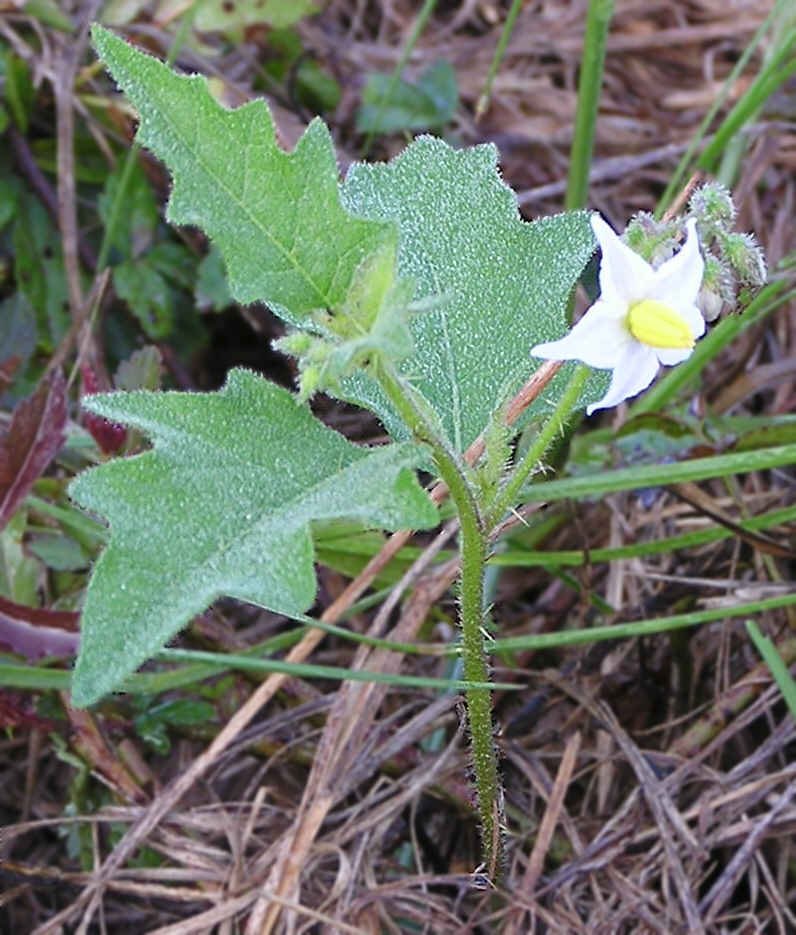
Carolina Horsenettle
Solanum carolinense
☀️ Full Sun 💧 Low

Chilean Potato Vine
Solanum crispum
☀️ Full Sun 💧 Moderate

Chinese Boxthorn
Lycium chinense
☀️ Full Sun 💧 Moderate
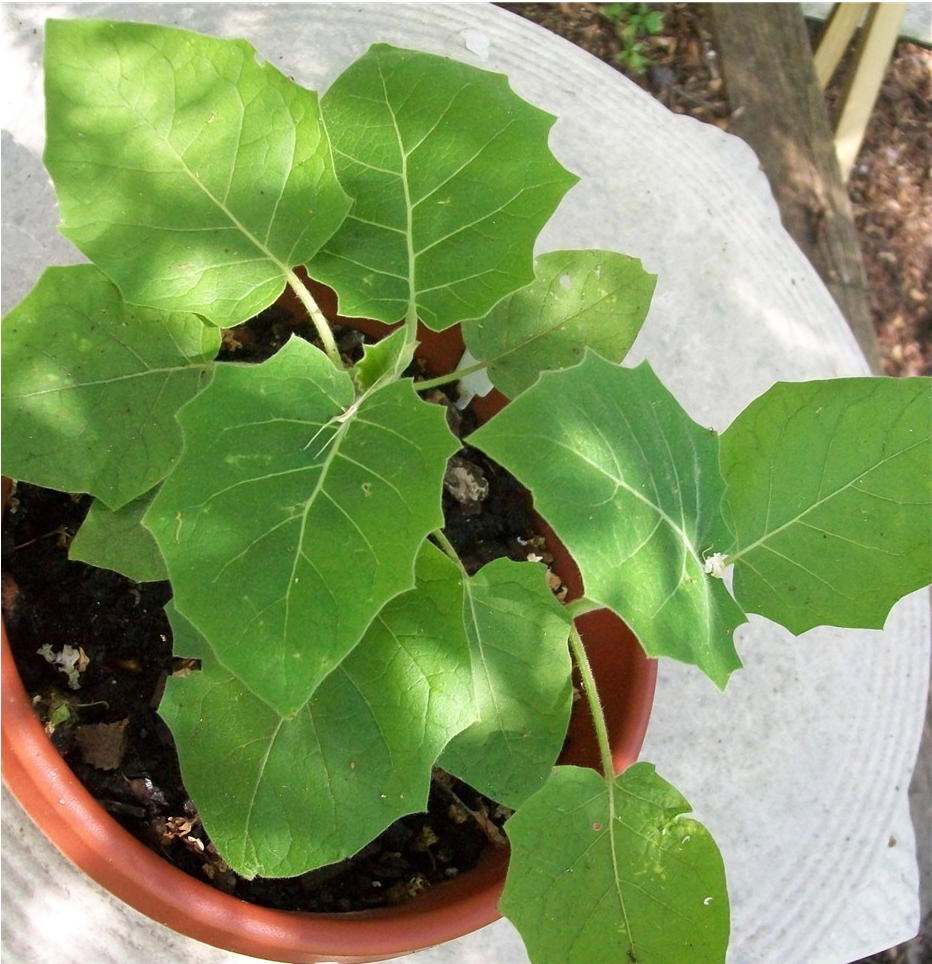
Cocona
Solanum sessiliflorum
☀️ Full Sun 💧 High

Corkwood
Duboisia myoporoides

Deadly Nightshade
Atropa belladonna
☀️ Partial Shade 💧 Moderate

Devil’s Trumpet
Datura metel
☀️ Full Sun 💧 Moderate

Eggplant
Solanum melongena
☀️ Full Sun 💧 Moderate

Gboma Eggplant
Solanum macrocarpon
☀️ Full Sun 💧 High

Goji Berry
Lycium barbarum
☀️ Full Sun 💧 Moderate

Habanero
Capsicum chinense
☀️ Full Sun 💧 Moderate

Henbane
Hyoscyamus niger
☀️ Full Sun 💧 Low
Common Questions
What plants belong to the Solanaceae family?
The Solanaceae family includes food crops like potatoes, tomatoes, and peppers, alongside ornamental landscape plants and wild toxic nightshades.
Are all plants in the Solanaceae family toxic?
No, not all Solanaceae plants are toxic, but most species contain alkaloids in their foliage, stems, or unripened fruit.
What defines a nightshade plant botanically?
Nightshades are defined by flowers with 5 fused petals, 5 stamens, superior ovaries, alternate leaves, and fruits formed as berries or capsules.
Why are peppers and potatoes in the same family?
Peppers and potatoes share the same fundamental flower structures, genetic lineage, and internal seed arrangements despite producing different edible parts.