
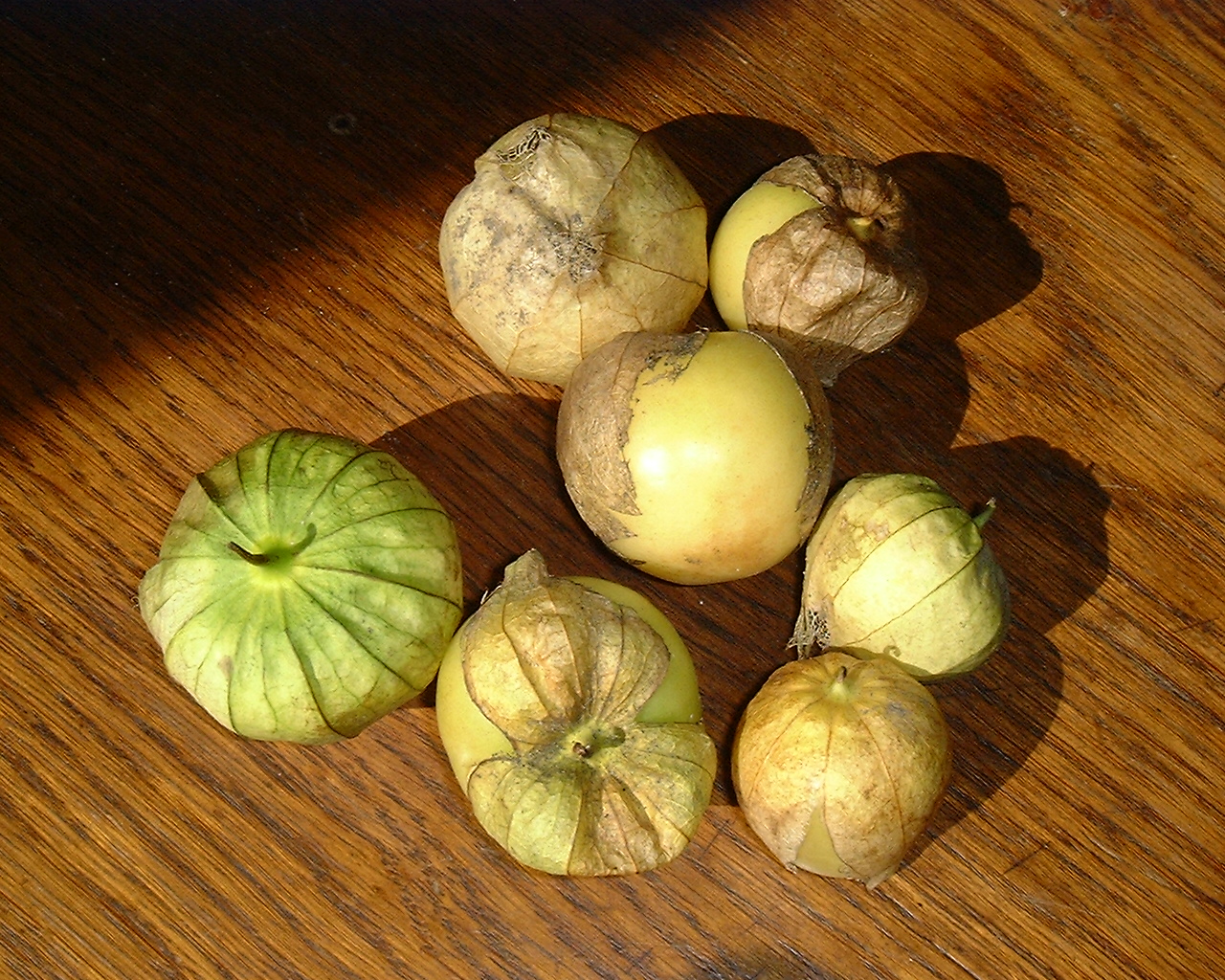
Tomatillo (Physalis philadelphica) is a fast-growing, sprawling annual from Mexico that yields tart, firm fruits enclosed in thin, papery calyces. It belongs to the nightshade family and provides the unmistakable citrus-herbal backbone of traditional salsa verde.
Because tomatillos are self-incompatible, you must plant at least two individual plants near each other to achieve pollination and fruit set.
Key Facts
- Light: Full sun (minimum 6 to 8 hours daily)
- Pollination: Needs two or more plants for cross-pollination
- Maturity: 65 to 85 days from transplanting
- Water: 2.5 to 4 cm (1 to 1.5 in) weekly
- Soil: Well-draining loam, pH 6.0 to 7.0
Growing Tomatillos: What to Expect in the Garden
Growing tomatillos requires at least two separate plants because the species is genetically self-incompatible and will not set fruit alone. A single plant can bloom prolifically with hundreds of bright blossoms yet produce empty papery husks without a companion for cross-pollination.
These plants grow vigorously, often outpacing common garden tomatoes (Solanum lycopersicum) with brittle, spreading branches that can reach 1.5 m (5 ft) tall and wide. They suit sunny raised beds, home vegetable patches, and 20-litre (5-gallon) containers provided you install heavy-duty stakes or cages early in the season.
Tomatillo Plant Stages and Botanical Appearance
A tomatillo develops through four distinct growth stages: seedling, vegetative branching, flowering with husk formation, and fruit swelling to fill the papery calyx. The plant exhibits an open, branching habit with ovate, serrated leaves that measure 6 to 12 cm (2.4 to 4.7 in) long.
Its solitary yellow flowers feature dark purple-brown blotches at the throat and blue-green anthers. Once pollinated, the calyx inflates into a ten-ribbed, lantern-like husk that remains green and hollow until the spherical berry swells to 3 to 6 cm (1.2 to 2.4 in) across, eventually splitting the papery skin at maturity.
Ideal Growing Conditions: Sun, Soil, and Temperature
Tomatillos thrive best in full sun with warm temperatures between 21 and 30 °C (70 and 86 °F). Soil must drain freely, as dense clay promotes root rot, while overly rich nitrogen soil causes excessive foliage at the expense of blossom set.
- Sunlight: At least 6 to 8 hours of direct, unfiltered sunlight each day.
- Soil texture: Fertile, well-draining sandy loam enriched with aged compost.
- Soil pH: Slightly acidic to neutral, between 6.0 and 7.0.
- Temperature: Sensitive to frost; plants collapse when temperatures fall below 2 °C (35 °F).
How to Sow Tomatillo Seeds and Care for Seedlings
Sow tomatillo seeds indoors 5 to 6 weeks before your last spring frost at a depth of 6 mm (0.25 in). Maintain a seedbed temperature of 21 to 27 °C (70 to 80 °F) using a germination mat to achieve emergence in 7 to 14 days.
Provide young seedlings with 14 to 16 hours of bright light under grow lamps or a southern window to prevent leggy, fragile stems. Harden seedlings off outdoors over 7 to 10 days once night temperatures reliably stay above 10 °C (50 °F), burying stems slightly deeper than their nursery pots when planting out.
Tomatillo Plant Care, Staking, and Watering in Pots
Provide tomatillos with 2.5 to 4 cm (1 to 1.5 in) of water per week, soaking the soil deeply at the base to keep moisture steady. Uneven moisture can trigger fruit cracking or blossom end rot, though the plant tolerates dry spells better than standard garden tomatoes.
For container growing, choose a pot holding at least 20 to 25 litres (5 to 7 gallons) per plant with drainage holes. Feed potted and in-ground plants monthly with an organic 5-10-10 or tomato-specific fertilizer, keeping nitrogen low to stimulate flower production rather than run-away green shoots.
- Support: Install a wire cage or bamboo stakes immediately at transplanting.
- Pruning: Remove suckers below the first main fork to maintain airflow.
- Mulch: Spread a 5 cm (2 in) layer of straw or shredded bark to conserve moisture.
When and How to Harvest Tomatillos
Harvest tomatillos when the fruit completely fills the papery husk and begins to split it open. The fruit underneath should feel firm and fleshy rather than soft or spongy.
Gently twist or clip the stem above the calyx rather than pulling, which can snap brittle branches. Harvest frequently every 3 to 5 days during peak late-summer production; regular harvesting signals the plant to continue setting new flowers until the first killing autumn frost.
Culinary Uses: Salsas, Sauces, and Preparation
To prepare fresh tomatillos, peel back the papery husk and wash off the sticky natural saponin residue using warm running water. The fruit can be eaten raw for a crisp, tart bite or cooked to mellow its brisk acidity.
- Salsa verde: Simmer or roast with serrano peppers, white onion, garlic, and cilantro.
- Charred table sauce: Broil halved tomatillos until blackened in spots to add a smoky sweetness.
- Enchilada base: Blend cooked fruit with broth and cumin as a poaching sauce for pork or chicken.
- Raw salads: Dice into fine chunks with jicama and lime juice for a crunchy summer relish.
Troubleshooting Tomatillo Pests, Diseases, and Cultural Problems
The most common tomatillo crop issue is empty husks resulting from solitary planting or extreme heat above 35 °C (95 °F), which renders pollen non-viable. Tomatillos are relatively disease-resistant but remain susceptible to standard nightshade pests.
- Three-lined potato beetle: Hand-pick orange-and-black beetles and sticky larvae from leaves.
- Empty husks: Ensure you have two genetically distinct plants and active bumblebee visitors.
- Flea beetles: Protect spring transplants using floating row covers until flowering begins.
- Root rot: Allow container soil to dry slightly on top before watering again.
How to Store and Preserve Fresh Tomatillos
Store unwashed tomatillos in their dry husks at 10 to 13 °C (50 to 55 °F) for up to 3 weeks in a well-ventilated paper bag. Avoid storing them in sealed plastic bags, which trap ambient humidity and induce mould growth around the calyx.
For long-term storage, husk and wash the fruits, then freeze them whole or quartered on a flat baking sheet before transferring to airtight freezer bags for up to 12 months. Alternatively, pressure-can cooked green salsas following tested extension recipes to enjoy garden-fresh acidity through winter.
Year-Round Care for Tomatillo Plants
| Spring | Sow seeds indoors 6 weeks before frost. Harden off transplants and plant out in warm, well-draining soil alongside a second plant after all frost danger passes. |
|---|---|
| Summer | Install sturdy support cages, apply organic mulch around the root zone, and provide 2.5 to 4 cm (1 to 1.5 in) of water weekly while monitoring for potato beetles. |
| Autumn | Harvest swollen fruit as husks split every 3 to 5 days. Strip remaining green husks before the first hard freeze, and compost spent frost-killed vines. |
| Winter | Plan spring plantings, order fresh seed cultivars, and rotate planting beds so nightshade crops do not occupy the same ground for 3 consecutive years. |
Tomatillo Growing Problems and Solutions
| What you see | Likely cause | What to do |
|---|---|---|
| Empty husks with no fruit inside | Lack of cross-pollination due to growing only one plant | Plant at least two separate tomatillo specimens in close proximity so insects can cross-pollinate. |
| Small shot-holes chewed into leaves | Flea beetle feeding on early spring foliage | Deter beetles with floating row covers over young transplants until vigorous flowering starts. |
| Chewed foliage with black, slime-covered larvae | Three-lined potato beetle infestation | Hand-pick adults and scrape larval clusters off foliage into soapy water, or apply spinosad. |
| Premature fruit drop before husks fill | Drought stress or sustained temperatures exceeding 35 °C (95 °F) | Deepen watering intervals to twice weekly and erect 30 percent shade cloth during severe heatwaves. |
Popular Tomatillo Cultivars
- ‘Toma Verde’ – early maturing, producing medium green fruits with classic tart flavour.
- ‘Purple’ – heirloom with dark violet skin under sun, offering sweeter flesh.
- ‘Grande Rio Verde’ – uniform, large 60 g (2 oz) fruits with thick husks.
- ‘Plaza Latina’ – heavy-yielding Mexican market type suited for roasting.
Frequently Asked Questions
What is the difference between a tomatillo and a tomato?
A tomatillo (Physalis philadelphica) grows inside a dry, papery calyx and features firm, tart, dense flesh, whereas a tomato (Solanum lycopersicum) grows without a husk and has a higher water content with sweet-acidic pulp.
Can I grow just one tomatillo plant?
No, a single tomatillo plant rarely produces fruit because the flowers are self-incompatible. You must plant two or more individual plants nearby to ensure bumblebees and bees can cross-pollinate them.
Why are tomatillos sticky when peeled?
Tomatillos produce withanolides and saponins on their skin that create a natural sticky barrier to deter insects. The residue is non-toxic and rinses away easily under warm water.
What are the nutritional benefits of the tomatillo plant's fruit?
Tomatillo fruit is low in calories while providing dietary fiber, vitamin C, vitamin K, and potassium, alongside antioxidant withanolides.
Can you eat tomatillos raw?
Yes, you can eat washed, ripe tomatillos raw in salads or fresh salsas for a crisp texture and bright, citrus-like tartness.
Sources & Verification
Taxonomy and distribution are checked against the databases below. Care guidance is written for cultivated species only and reviewed by our editor. How We Build Plant Profiles →
- Kew Plants of the World OnlineTaxonomic baseline and native range
- NC State ExtensionGrowing requirements and botanical profile
- Missouri Botanical GardenPlant characteristics and cultivation notes
- GBIF — Global Biodiversity Information Facilitytaxonomy, synonyms, occurrence records
- Wikipediageneral reference
