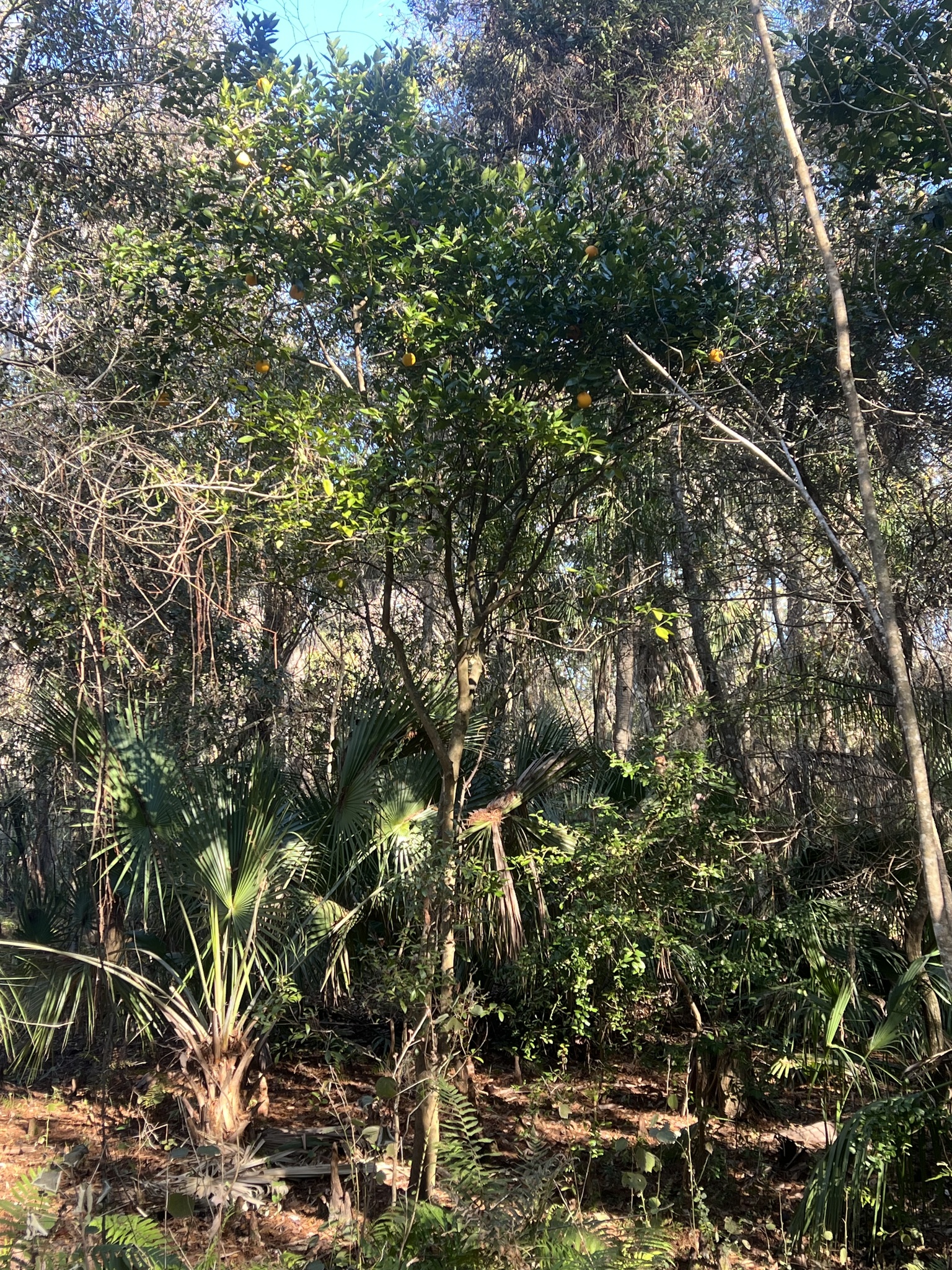
Kumquat (Citrus japonica) is a compact evergreen citrus shrub native to southeastern China, recognized by its miniature oval or round golden fruit eaten whole with the sweet peel intact.
Unlike sweet orange or lemon trees, this species withstands brief sub-zero frosts down to -10 °C (14 °F) when dormant. It requires sharp soil drainage to prevent root rot in cool, damp seasons.
Key Facts
- Light: At least 6 hours of direct sun daily
- Water: Soak thoroughly when top 5 cm (2 in) dries
- Hardiness: USDA zones 9 to 11 (survives zone 8 with shelter)
- Mature height: 2.5 to 4.5 m (8 to 15 ft) in ground
- Soil pH: 5.5 to 6.5 (mildly acidic)
- Toxicity: Non-toxic to humans; toxic to dogs and cats
Is Kumquat Right for Your Garden or Patio?
A kumquat tree suits gardeners who want compact citrus yields and have a site receiving full direct sunlight year-round.
Because the tree naturally reaches only 2.5 to 4.5 m (8 to 15 ft) in open ground, it fits small suburban plots and courtyard gardens where larger citrus like grapefruit (Citrus paradisi) would outgrow the space. Grown on dwarf rootstocks like trifoliate orange (Poncirus trifoliata), it remains under 1.8 m (6 ft) and performs reliably in large terracotta pots.
Container cultivation makes this species accessible in cool temperate regions such as northern Europe and the UK, provided you move the pot indoors or under glass before autumn frosts become severe.
Identifying Kumquat Leaves, Flowers, and Fruit
Kumquat displays glossy, dark green lanceolate leaves measuring 4 to 8 cm (1.5 to 3 in) long with finely serrated margins and winged petioles.
Branches are dense, compact, and occasionally carry slender axillary thorns, especially near the base of younger branches. The bark stays smooth and green on young stems before maturing into a fine grey-brown.
Key botanical characteristics include:
- Blossoms: Pure white, star-shaped, five-petaled flowers measuring 1.5 to 2 cm (0.6 to 0.8 in) across with a citrus perfume.
- Fruit size: Round to oblong berries 2 to 4 cm (0.8 to 1.6 in) long.
- Rind: Thick, smooth, yellow-orange rind containing sweet aromatic oil glands.
- Pulp: Pale orange flesh split into 4 to 5 segments containing 2 to 5 small green seeds, tasting markedly acidic.
Mature Kumquat Tree Size and Growth Rate
In open ground, a kumquat tree grows at a rate of 15 to 30 cm (6 to 12 in) per year, eventually reaching 2.5 to 4.5 m (8 to 15 ft) in height with a spread of 1.8 to 3 m (6 to 10 ft).
In containers, plants generally top out at 1.5 to 2 m (5 to 6.5 ft) tall after 8 to 10 years. The compact crown requires very little horizontal space compared to standard sweet orange trees.
Root volume dictates final canopy volume. Potted specimens in 45 cm (18 in) containers stabilize their top growth once roots fill the container, which helps keep fruiting wood within arm’s reach.
Sun and Soil Requirements for Kumquat Trees
Kumquat demands a location with at least 6 to 8 hours of direct sun and free-draining soil with a pH between 5.5 and 6.5.
Dense clay soils retain water around the crown and lead to Phytophthora root rot within one wet season. If your garden has heavy ground, plant on a raised mound 30 cm (12 in) high or amend the native soil with composted pine bark and coarse horticultural grit.
When keeping plants on patios or inside unheated greenhouses, position them along south-facing or west-facing masonry walls. Brick and stone absorb solar heat during clear days and radiate it back to the canopy overnight.
How to Plant a Kumquat Tree in Ground or Pots
When planting, set the root ball so the graft union sits 10 cm (4 in) above the soil surface to prevent scion rooting and fungal infections.
For open-ground planting:
- Dig a hole twice as wide as the root mass but no deeper than the container depth.
- Loosen girdled exterior roots gently by hand to promote outward growth.
- Backfill with native soil, firm lightly to eliminate large air pockets, and water with 15 liters (4 gallons) of water.
- Apply a 7 cm (3 in) layer of wood chip mulch, keeping it 10 cm (4 in) clear of the trunk.
For container growing, use a pot with multiple drainage holes and a minimum diameter of 40 cm (16 in). Fill with a porous mix of 60% standard potting soil, 20% coarse perlite, and 20% composted pine bark.
Watering and Feeding Your Kumquat Tree
Water deeply whenever the top 5 cm (2 in) of soil feels dry, then allow excess water to drain away completely.
During hot summer months, potted trees often need watering every 2 to 3 days, whereas ground-planted trees need deep irrigation every 7 to 10 days. In winter, reduce watering frequency by half as transpiration slows down substantially.
Feed the tree according to this schedule:
- March to August: Apply a balanced citrus fertilizer containing nitrogen, phosphorus, and potassium (NPK ratio roughly 8-2-10) plus zinc and iron once a month.
- Yellowing leaves with green veins: Apply a foliar chelated iron spray to correct chlorosis.
- September to February: Cease high-nitrogen feeding to avoid stimulating tender green flushes that freeze in cold weather.
Pruning and Shaping Kumquat Trees
Prune kumquats in early spring after harvest, removing dead wood and any suckers arising below the graft union.
This species naturally forms a balanced, rounded canopy and rarely needs structural pruning. Thin out crowded interior branches every 2 or 3 years to let sunlight reach ripening fruit inside the canopy.
Always cut branches just outside the branch collar using clean bypass pruners. Tip-pruning long exterior shoots by 5 to 10 cm (2 to 4 in) encourages dense branching, which creates more terminal flowering points for the next season’s crop.
Common Kumquat Pests, Diseases, and Leaf Drop
Sudden leaf drop on a kumquat is almost always caused by overwatering combined with poor drainage or low indoor humidity.
Inspect leaf undersides and branch crotches for common sap-feeding pests throughout late spring and summer:
- Citrus leafminer: Silvery serpentine trails on young leaves cause them to curl; treat by spraying horticultural oil on new spring flushes.
- Scale insects: Brown, waxy bumps along twigs accompanied by sticky honeydew and black sooty mold; remove manually with an alcohol swab or spray insecticidal soap.
- Spider mites: Fine webbing and stippled foliage appear in dry indoor conditions; increase humidity and wash leaves with lukewarm water sprays.
- Root rot: Caused by waterlogged soil, turning roots mushy and black; re-pot into gritty compost and cut back on water.
Winter Care and Frost Protection for Kumquats
Kumquats tolerate brief dips down to -7 °C to -10 °C (19 °F to 14 °F), making them significantly hardier than key lime (Citrus aurantiifolia) or Meyer lemon (Citrus × meyeri).
When temperatures threaten to drop below -4 °C (25 °F) for more than 4 consecutive hours, cover outdoor trees with horticultural fleece. Wrap the main trunk with burlap or insulating wrap to protect the lower bark and graft union from freeze damage.
In USDA zones 7 and below, move container-grown kumquats indoors before the first autumn freeze. Place them in a cool, bright room maintaining 10 to 16 °C (50 to 60 °F) near a south-facing window, well away from forced-air heating radiators.
Harvesting, Taste, and Culinary Uses for Kumquats
Harvest fruit when the rinds turn deep orange with no green patches, typically between November and March.
Clip the fruits from the branch using hand shears, leaving a short 5 mm (0.2 in) stem attached to prevent the peel from tearing at the calyx. Unlike common oranges, you eat the fruit whole; roll it gently between your palms to rupture the rind’s oil glands, releasing aromatic sweetness that offsets the tart inner juice.
Culinary applications for fresh kumquats include:
- Marmalades and preserves: High natural pectin content creates thick marmalade with whole sliced rings.
- Salads: Thin raw slices paired with fennel (Foeniculum vulgare) and baby arugula.
- Beverages: Crushed raw fruit steeped in sugar syrup for kumquat lemonade and tea infusions.
- Preserved kumquats: Whole fruits salted or pickled in spiced vinegar, a staple condiment across East Asia.
Year-Round Care for Kumquat Trees
| Spring | Prune out dead shoots and rootstock suckers in March. Resume feeding with a citrus-specific fertilizer containing chelated micronutrients every 4 weeks. Move overwintered container trees outdoors once night temperatures stay above 7 °C (45 °F). |
|---|---|
| Summer | Deeply soak ground-planted trees weekly and check potted specimens every 2 days during dry spells. Inspect soft leaf tips for citrus leafminer trails and scale insects. Maintain a 7 cm (3 in) organic mulch ring around the drip line. |
| Autumn | Halt nitrogen-heavy feeding by late September to allow current growth to harden before frost. In cold regions, move patio pots to a sunny greenhouse or cool indoor room before night frosts hit. Reduce watering frequency as growth slows. |
| Winter | Harvest mature orange fruits with clean shears as they ripen from November through February. Protect outdoor trees with fleece wraps if temperatures fall below -4 °C (25 °F). Water sparingly, wetting the root ball only when the top 7 cm (3 in) dries completely. |
Kumquat Tree Leaf, Fruit, and Pest Problems
| What you see | Likely cause | What to do |
|---|---|---|
| Rapid leaf drop in late autumn or winter | Thermal shock from moving indoors or wet, cold roots | Place in bright light with cool air temperatures (10-15 °C) and let soil dry halfway before watering. |
| Yellow leaves with prominent dark green veins | Iron or zinc deficiency due to high soil pH or root damage | Drench soil with chelated iron and adjust pH to 6.0 using sulfur or acidic organic matter. |
| Curled foliage with silvery squiggly lines | Citrus leafminer larvae tunneling inside young leaves | Apply neem oil or horticultural mineral oil directly to new leaf flushes every 14 days. |
| Sticky leaves covered in black powdery mold | Sooty mold growing on honeydew excreted by scale insects or aphids | Wipe foliage clean with warm insecticidal soap solution and treat the underlying scale infestation. |
| Premature fruit drop while fruit is small and green | Irregular watering or severe moisture stress during early fruit set | Maintain uniform soil moisture throughout late spring and early summer. |
Popular Kumquat Cultivars Compared
- ‘Nagami’ – oval fruit, tart flesh with sweet peel, cold-hardy
- ‘Marumi’ – small round fruit, thinner peel, spicy sweet flavor
- ‘Meiwa’ – round sweet fruit, thicker rind, fewer seeds, eaten raw
- ‘Centennial Variegated’ – cream-and-green striped foliage and variegated fruit
- ‘Fukushu’ – bell-shaped fruit, broader leaves, spreading dwarf habit
Frequently Asked Questions
How do kumquats taste?
Kumquats have a distinctive sweet and tart contrast because the thin peel is sweet and aromatic, while the pulp and juice inside are sharply sour. Eating the entire fruit whole blends both elements together.
How cold-hardy is a kumquat tree?
Dormant mature kumquat trees survive temperatures down to -10 °C (14 °F) for brief periods, making them the hardiest true citrus species. However, prolonged freezes below -4 °C (25 °F) damage fruit and defoliate branches.
Can you grow a kumquat tree indoors?
Yes, you can grow a kumquat tree indoors if you place it in front of an unobstructed south-facing window that provides 6 to 8 hours of direct sun daily. Keep it away from dry heating vents and maintain room temperatures between 15 and 21 °C (60 and 70 °F).
What is the cultural meaning and symbolism of the kumquat?
In Chinese culture, the kumquat symbolizes good fortune, prosperity, and wealth, as its Cantonese name sounds like the words for gold and good luck. Plants bearing ripe golden fruit are traditionally displayed in homes during Lunar New Year celebrations.
Can you grow a kumquat tree in the UK?
Yes, but in the UK kumquats perform best when grown in pots kept outdoors in a sunny, sheltered courtyard from May to October. You must bring them inside an unheated greenhouse, conservatory, or bright porch during the damp winter months.
Sources & Verification
Taxonomy and distribution are checked against the databases below. Care guidance is written for cultivated species only and reviewed by our editor. How We Build Plant Profiles →
- Kew Plants of the World OnlineTaxonomic status and distribution of Citrus japonica
- University of Florida IFAS ExtensionKumquat cultivation, varieties, and cold hardiness guidelines
- Royal Horticultural SocietyCultivation of citrus plants in containers and temperate winter care
- ASPCA Animal Poison ControlCitrus toxicity details for domestic pets
- GBIF — Global Biodiversity Information Facilitytaxonomy, synonyms, occurrence records
- Wikipediageneral reference