Guide to Plants in the Rutaceae Family
29 plant profiles · Learn about plants in the Rutaceae family, including lemons, kumquats, gas plant, and curry tree. Discover their growing traits, care needs, and light rules.
Rutaceae, commonly known as the citrus family, contains over 2,000 species of trees, shrubs, and herbaceous perennials defined by aromatic foliage with translucent oil glands. Most species originate in warm temperate and tropical regions, particularly in Asia and Australia. Visible essential oil glands on the leaves produce distinctive citrus, spicy, or resinous scents when crushed.
Shared traits across the Rutaceae family include small blossoms with 4 or 5 petals, glossy green foliage, and often fleshy fruits known as hesperidiums. Popular edible species like lemon (Citrus limon), kumquat (Citrus japonica), and sweet lime (Citrus limetta) require 6 to 8 hours of direct sun daily and well-draining soil with a pH between 5.5 and 6.5. Some members contain furanocoumarins, which cause phototoxic skin reactions when leaf sap contacts skin in sunlight.
Choosing the right Rutaceae species depends on your outdoor climate zone and available space. Cold-hardy landscape choices include gas plant (Dictamnus albus) in USDA zones 3–8 and trifoliate orange (Citrus trifoliata), which tolerates winter cold down to -23 °C (-10 °F). For culinary gardens, warm-climate options like curry tree (Murraya koenigii) thrive in pots indoors or outdoors in zones 9–11, while North American natives like American prickly-ash (Zanthoxylum americanum) support wildlife in temperate gardens.
American Hop Tree
Ptelea trifoliata
☀️ Partial Shade 💧 Moderate

American Prickly-Ash
Zanthoxylum americanum
☀️ Partial Sun 💧 Moderate

Amur Cork Tree
Phellodendron amurense
☀️ Full Sun 💧 Moderate

Australian Finger Lime
Microcitrus australasica
☀️ Full Sun 💧 Moderate

Bael
Aegle marmelos
☀️ Full Sun 💧 Low
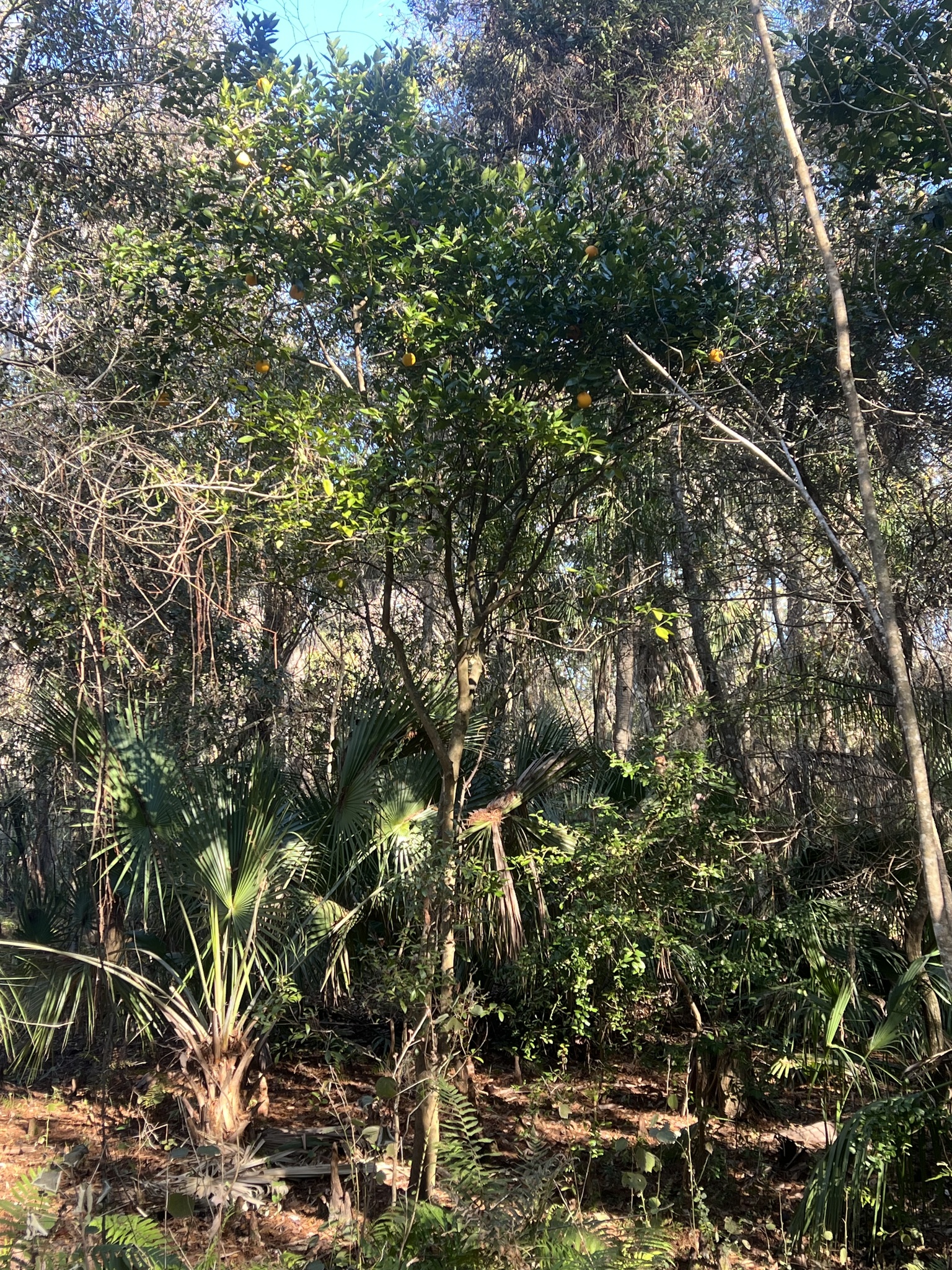
Bitter Orange
Citrus aurantium
☀️ Full Sun 💧 Moderate

Cape Chestnut
Calodendrum capense
☀️ Full Sun 💧 Moderate

Citron
Citrus medica
☀️ Full Sun 💧 Moderate
Common Rue
Ruta graveolens
☀️ Full Sun 💧 Low

Curry Tree
Murraya koenigii
☀️ Full Sun 💧 Moderate

Gas Plant
Dictamnus albus
☀️ Full Sun 💧 Low

Indian Wood Apple
Limonia acidissima
☀️ Full Sun 💧 Low

Japanese Pepper
Zanthoxylum piperitum
☀️ Full Sun 💧 Moderate
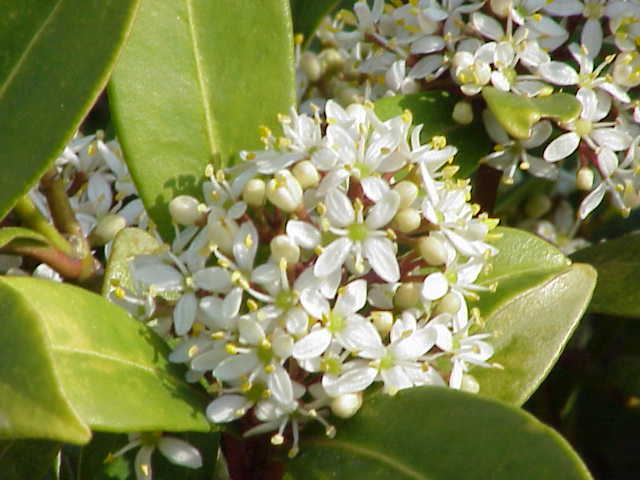
Japanese Skimmia
Skimmia japonica
☀️ Partial Shade 💧 Moderate
Key Lime
Citrus aurantiifolia
☀️ Full Sun 💧 Moderate

Kumquat
Citrus japonica
☀️ Full Sun 💧 Moderate

Lemon
Citrus limon
☀️ Full Sun 💧 Moderate

Limeberry
Triphasia trifolia
☀️ Full Sun 💧 Moderate

Makrut Lime
Citrus hystrix
☀️ Full Sun 💧 Moderate
Mandarin Orange
Citrus reticulata
☀️ Full Sun 💧 Moderate
Orange Jasmine
Murraya paniculata
☀️ Bright Indirect 💧 Moderate

Persian Lime
Citrus latifolia
☀️ Full Sun 💧 Moderate

Pomelo
Citrus maxima
☀️ Full Sun 💧 Moderate

Sichuan Pepper
Zanthoxylum bungeanum
☀️ Full Sun 💧 Moderate
Common Questions
What plants belong to the Rutaceae family?
The Rutaceae family includes citrus fruits, aromatic herbs, and landscape trees such as lemon, sweet lime, kumquat, curry tree, gas plant, and prickly-ash. The family encompasses roughly 160 genera and over 2,000 species worldwide.
Are all Rutaceae plants edible?
No, not all Rutaceae plants are edible, even though the family produces standard citrus fruits. Certain members like gas plant (Dictamnus albus) are strictly ornamental and contain phototoxic oils that irritate human skin.
What light conditions do Rutaceae plants need?
Most Rutaceae plants require full sunlight receiving at least 6 hours of direct light daily to bloom and set fruit. Shade severely reduces flower production, weakens foliage, and stunts growth in almost all citrus and tropical species.
Why do Rutaceae leaves smell when crushed?
Rutaceae leaves contain translucent essential oil glands embedded inside the leaf tissue that release volatile aromatic compounds when damaged. These natural oils help defend the plant against grazing insects and animals.